Can Non-Residents Open a Bank Account in Croatia?
Croatian bank accounts for non-residents require an OIB, proper identification, and strict compliance with anti-money laundering regulations.
Make your money work.
Banking, taxes, salary basics, payments, budgeting, and cost-of-living tips.

Croatian bank accounts for non-residents require an OIB, proper identification, and strict compliance with anti-money laundering regulations.

Croatian cryptocurrency tax rules require reporting capital gains and income to Porezna Uprava using the annual income tax return.

Croatian property tax rules explain the twenty percent capital gains rate, three year exemptions, and deductible costs for sellers.

Setting up direct debit for utility bills in Croatia automates monthly bank payments to providers like HEP and local water companies.
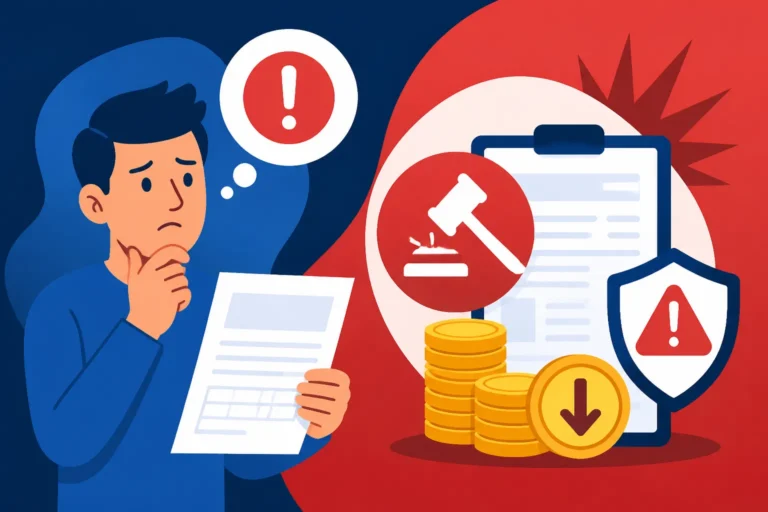
Late tax payments in Croatia trigger daily interest, administrative fines, and forced collection through bank account seizures.

Croatian bank lending rules for expats explain residency, income, and documentation requirements for personal and mortgage loans.
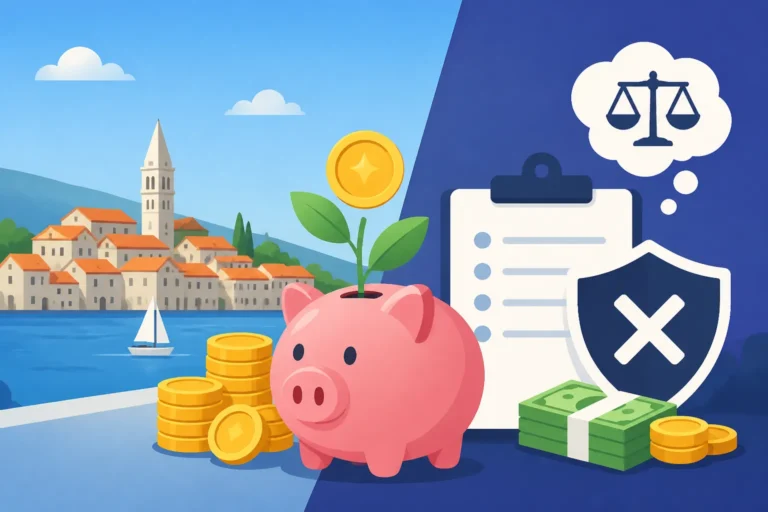
Croatian savings interest tax rules explain domestic term deposit rates, foreign bank account reporting, and residency requirements for expats.

Croatian company registration requires a Tax ID number, known as an OIB, which businesses obtain automatically or through direct tax office applications.
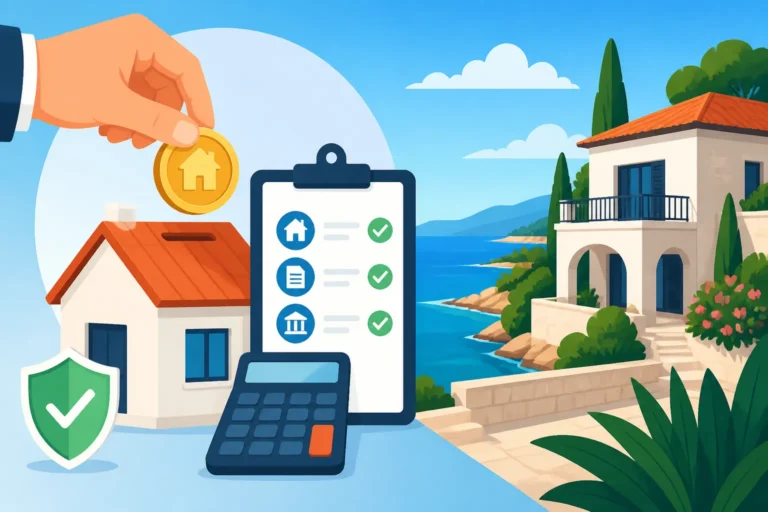
Croatian property taxes comprise municipal communal fees, waste management charges, building reserve funds, and specific tourist levies.

Croatia’s annual VAT threshold requires small businesses exceeding €39,816.84 in turnover to register with the Tax Administration.