How Do I Set Up Gas Heating in My Croatian Home?
Ah, the quest for warmth! If you’ve spent any winter in Croatia, especially inland or on a chilly coastal evening, you know that keeping your home cozy isn't just a luxury, it's a necessity. Deciding on a heating solution, particularly gas, can feel like navigating a maze of paperwork, technicians, and sometimes, a little bit of "mañana" culture. This guide is here to walk you through the process of setting up gas heating in your Croatian home, offering a realistic look at the steps, costs, and potential headaches, so you can face it all with a clear plan.
Understanding Gas Heating Systems and Their Availability in Croatia
Before you even think about signing a contract, it’s crucial to understand the lay of the land when it comes to gas heating here in Croatia. It’s not a one-size-fits-all solution, and what's available – or even feasible – can depend heavily on where you choose to settle.
Natural Gas vs. LPG: What’s the Difference for Expats?
When people talk about "gas heating," they often automatically think of natural gas. And yes, in larger cities like Zagreb, Rijeka, and Osijek, natural gas is widely available. It’s piped directly to your home, offering a continuous, hassle-free fuel source for heating, hot water, and sometimes even cooking. For those of us used to this convenience, it feels like a no-brainer. The tariffs are generally regulated, and once it's set up, it's incredibly convenient.
However, move outside these urban hubs, particularly to many coastal towns, islands, or more rural areas, and the natural gas network quickly thins out. This is where LPG (Liquefied Petroleum Gas), often referred to as 'plin u bocama' (gas in bottles) or 'propan-butan,' comes into play. If your Croatian home isn't connected to the natural gas grid, you're likely looking at an LPG solution. This usually means either individual gas cylinders for specific appliances (like a gas stove) or, for heating, a larger tank installed on your property. This tank will need to be refilled periodically by a supplier. While it offers the flexibility of gas heating where natural gas isn’t an option, it comes with its own set of considerations: you need space for the tank, regular deliveries, and prices can fluctuate more than natural gas. It’s a completely different logistical dance, and it's a frustration many expats discover only after falling in love with a charming, but off-grid, property.
Choosing the Right Boiler for Your Croatian Home
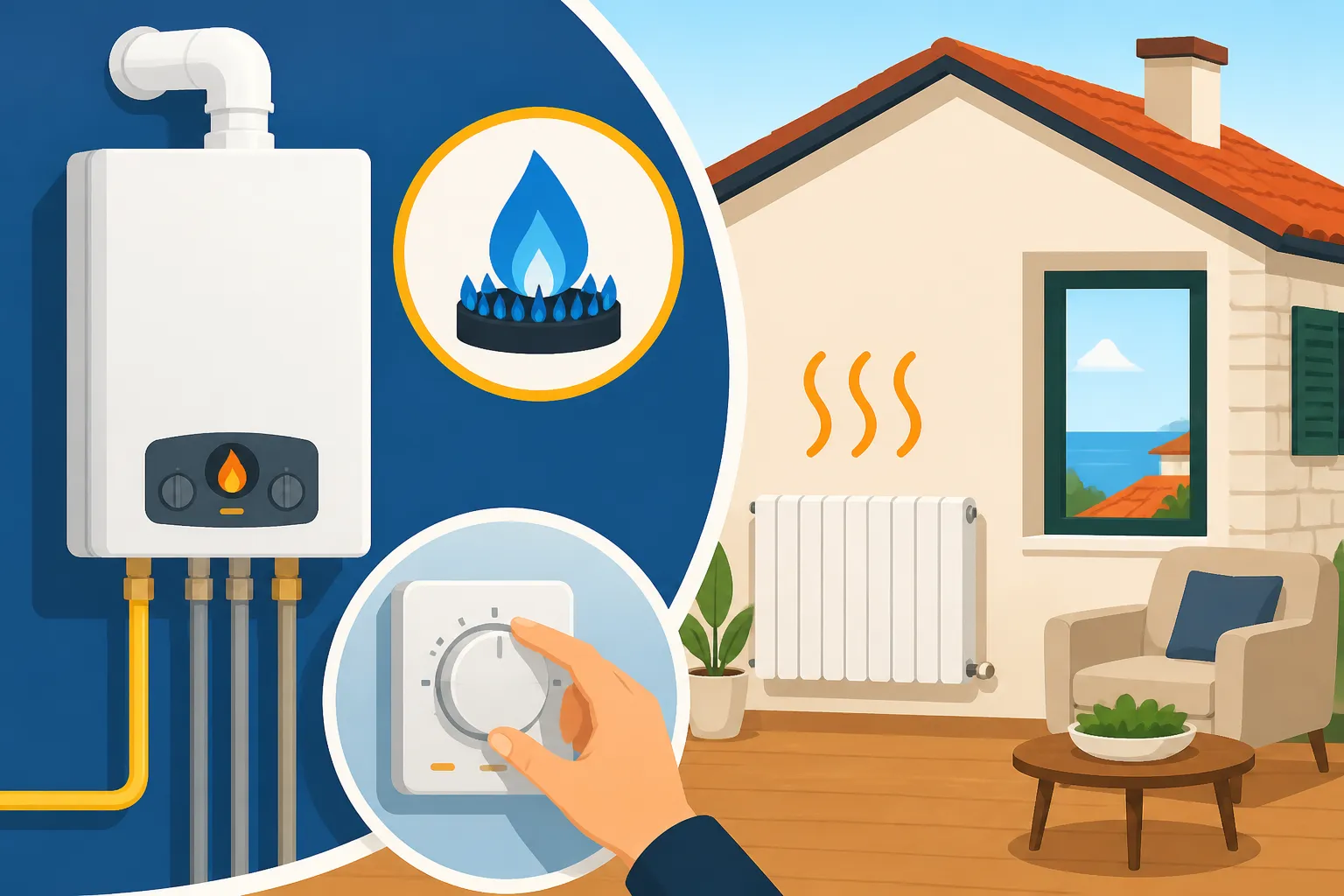
Once you've figured out your gas source, the next big decision is the boiler itself. In Croatia, you'll primarily encounter wall-mounted combi boilers (kondenzacijski bojleri) for central heating and hot water, though older systems might have separate boilers and water heaters.
Modern condensing boilers are the standard these days, and for good reason. They are significantly more energy-efficient than older models, recovering heat from exhaust gases that would otherwise be wasted. This means lower consumption and, ultimately, lower bills. Plus, they're better for the environment – a win-win. When choosing a boiler, you’ll need to consider the size of your home, the number of radiators, and your hot water demands. A good technician will help you calculate the appropriate output (measured in kilowatts, or kW) to ensure your home is heated efficiently without oversizing or undersizing the system.
It's also worth noting that while you might be tempted to go for the cheapest option, investing in a reputable brand with good local service and spare parts availability can save you a world of headaches down the line. We all know how frustrating it can be when a crucial appliance breaks down, and trying to source an obscure part in a foreign country adds another layer of stress.
The Step-by-Step Process of Installing Gas Heating
Alright, so you've understood the basics. Now, let's get into the actual process. This is where the famous Croatian bureaucracy might stretch your patience, but knowing what to expect can soften the blow.
Initial Assessment, Project Planning, and Permitting
This is arguably the most critical and often the slowest phase. You can’t just decide you want gas heating and have it installed tomorrow. The first step involves contacting a certified gas installation company – known locally as a plinara or an authorized contractor. These aren't just any handymen; they are specialized and licensed to work with gas.
A technician from this company will need to visit your property to assess the situation. This site visit is crucial because they'll determine if your home can even safely accommodate gas heating, check for existing infrastructure, and note any modifications needed. They'll also scope out where the gas meter will go, the route of the gas pipes, and the placement of your boiler and radiators.
Based on this assessment, they will prepare a detailed project plan (projekt plinskih instalacija). This isn't just a sketch; it's an official document that must comply with strict safety regulations and technical standards. This project documentation is then submitted to the local gas distribution company (e.g., Gradska Plinara Zagreb in the capital, or EVN Croatia in some regions like Zadar and Split, or Pula Plin for Istria) for approval. This approval process can take time – weeks, or even a couple of months, depending on the complexity and current workload of the authorities. You'll need your How to Get an OIB (Personal Identification Number) in Croatia handy for all the paperwork at this stage. Patience, my friend, is your greatest asset here.
If you’re moving into a new home or undertaking a major renovation, coordinating this early with your moving company, perhaps one found through Sirelo, can ensure that installation timelines don't clash with your move-in date. Having your ducks in a row well in advance makes a world of difference.
Connecting to the Network and Installation Logistics
Once your project plan is approved, the physical work can begin. This usually involves two main parts:
- Connecting to the Main Gas Line: If your home isn't already connected, the local gas distributor will need to lay the necessary pipes from the street to your property and install the gas meter. This might involve digging work outside your house or apartment building. This part is typically handled by the gas distribution company themselves or their authorized contractors.
- Internal Installation: Your chosen certified installer will then install the internal gas pipes, the boiler, radiators, and all necessary safety valves and vents according to the approved project plan. This is precise work that must meet stringent safety standards. Each connection is critical.
Throughout this process, there will be multiple inspections by the gas distribution company to ensure everything is being installed correctly and safely. It's not uncommon for these inspections to require specific timing and your presence, which can be tricky to coordinate, especially if you're not fluent in Croatian. Remember that staying connected is key here; an eSIM from a provider like Airalo can be incredibly useful for making those constant calls and receiving updates without worrying about roaming charges or local SIM setup during a potentially hectic period.
Activating Your Service and Getting Your First Bill
After all the installation and inspections are complete and deemed satisfactory, the final step is to sign a contract with your chosen gas supplier (which is often the same as the distribution company, but not always). You'll officially activate your gas service. This is when the gas meter becomes active, and you start consuming gas.
You’ll receive your first bill, which will typically include charges for your consumption, fixed monthly fees, and possibly some one-off connection or activation fees. Understanding The Expat Guide to Setting Up Utilities in Croatia is helpful here, as gas is just one piece of your overall utility puzzle. Make sure you understand the billing cycle and payment methods. Most companies offer direct debit options, which can save you a trip to the post office or bank each month. Keep in mind that for this and all other utilities, having your official residence registered is paramount. You can learn more about this in Registering Your Residence in Croatia: The Complete MUP Guide.
Here’s a quick overview of some essential documents you'll likely need during this process:
Document/Information Required Purpose Where to Get It is not good for setting up this property. I should use How to buy property in Croatia as a Foreigner: The Full Guide (2027) for a link, it is far better.
Disclaimer
This article is for general informational purposes only and does not constitute professional advice. Laws, prices and regulations vary by location and change over time. Consult a qualified professional for guidance on your specific situation.