Do I Need an Energy Certificate to Rent Out My Apartment in Croatia?
Oh, the joys of navigating Croatian bureaucracy! As an expat who's been through the wringer more times than I care to count, I completely understand the frustration when yet another form, certificate, or obscure rule pops up. It feels like every time you get one thing sorted, two more administrative hurdles appear. One such hurdle, often a source of confusion for landlords and tenants alike, is the Energetski Certifikat, or Energy Performance Certificate. This guide is here to untangle the requirements, process, and implications of this essential document for anyone looking to rent out an apartment in Croatia.
What Exactly is an Energy Certificate in Croatia?
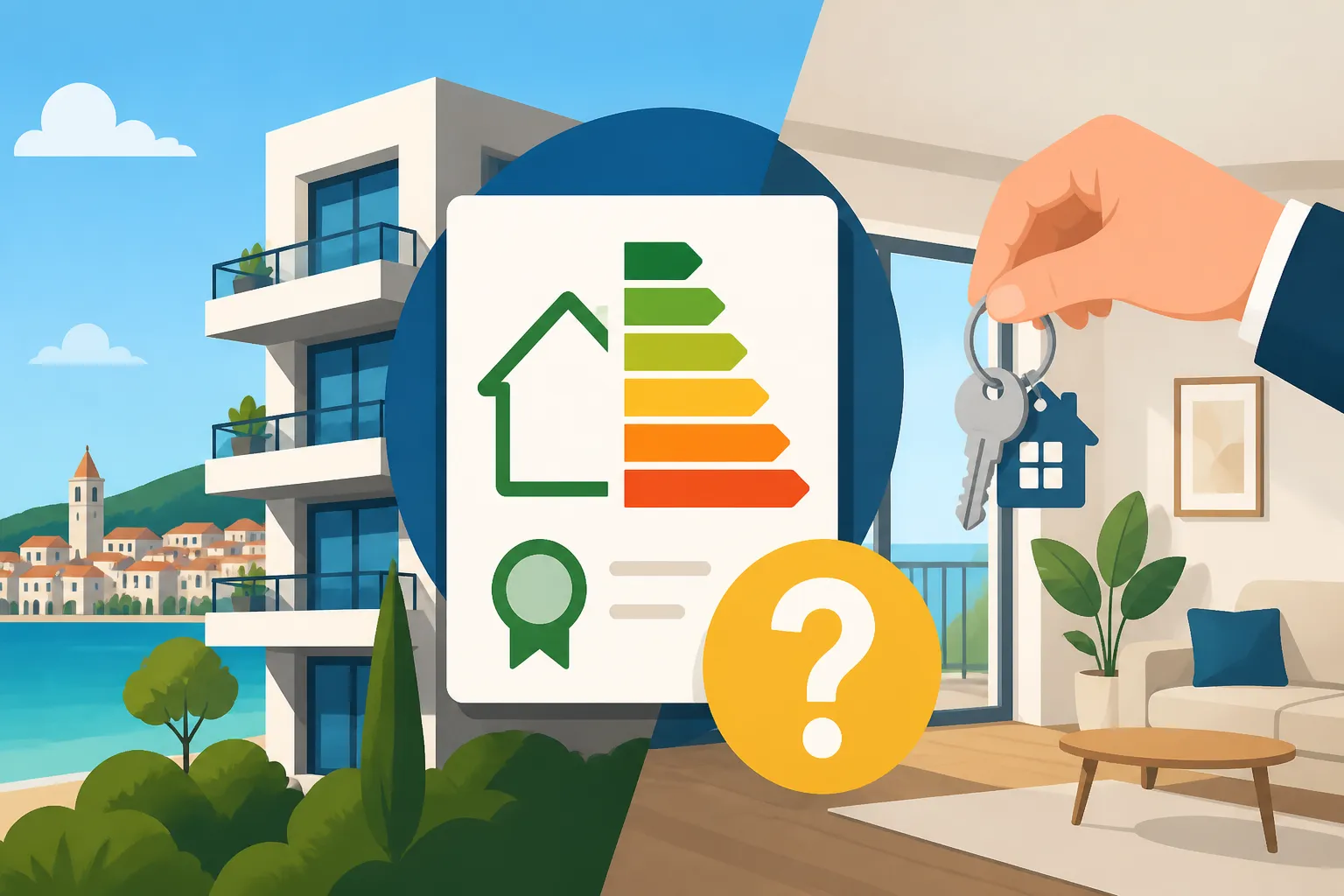
Let's start by demystifying this document. The Energetski Certifikat is essentially a report card for your property's energy performance. Think of it like the energy rating labels you see on new appliances – it tells you how efficient your washing machine is, and in this case, it tells you how much energy your apartment consumes for heating, cooling, hot water, and ventilation.
Decoding the Energetski Certifikat
At its core, the Energetski Certifikat provides an objective assessment of a building's (or part of a building, like an apartment unit) energy characteristics. It assigns an energy class, much like a grade, ranging from A+ (highly energy-efficient) down to G (least efficient). This classification is based on various factors, including the building materials, insulation, window quality, heating and cooling systems, and the method of preparing domestic hot water. A certified energy auditor calculates the property's primary and final energy consumption, presenting it in a clear, standardized format. The certificate also includes recommendations for cost-effective measures to improve energy performance, which can be incredibly useful down the line. It's valid for a generous 10 years, so once you have it, you're usually set for a good long while.
Legal Framework and Its Evolution
Croatia's implementation of the Energetski Certifikat stems directly from its obligations as an EU member state, specifically aligning with the EU Energy Performance of Buildings Directive. This directive aims to promote energy efficiency in buildings across the Union. In Croatia, these requirements are primarily regulated by the Zakon o gradnji (Building Act) and a series of accompanying ordinances that detail the methodology for energy certification, the content of the certificates, and the requirements for energy auditors.
Initially, the focus was largely on newly constructed buildings or properties undergoing major renovations. However, the legal framework gradually expanded to cover existing buildings when they are sold or rented out. This evolution reflects a broader commitment to reducing energy consumption and promoting sustainable development, a goal that everyone, including expats, benefits from in the long run. The Croatian government, through institutions like the Ministry of Physical Planning, Construction and State Property, oversees these regulations to ensure compliance and promote greater transparency in the real estate market.
Do You Really Need One to Rent Out Your Apartment?
This is the million-dollar question for many expat landlords, and the short answer, in most cases, is a resounding yes. While there are exceptions, they often don't apply to the typical long-term rental scenario.
The General Rule: Yes, You Do
For any apartment or property unit being rented out on a long-term basis in Croatia, an Energetski Certifikat is legally mandatory. This isn't just a suggestion; it's a requirement deeply embedded in the rental landscape. The law explicitly states that landlords offering properties for rent must possess a valid energy certificate and present it to prospective tenants before signing a lease agreement. Furthermore, any advertisement for a rental property that falls under the mandatory certification category must include information about its energy class. This transparency is key to informing tenants and promoting energy-efficient housing.
Imagine you're a potential tenant, new to Croatia, trying to figure out your budget. Knowing the energy class of an apartment means you can make a more informed decision about potential utility costs. It’s part of your due diligence when you're trying to figure out the true The Complete Guide to Cost of Living in Croatia for Expats (2026) for your new life here. This certificate provides that crucial piece of information right upfront. Without it, you’re essentially asking a tenant to sign a lease blind to a significant recurring expense. It's about protecting both parties by providing a clear, verifiable benchmark for energy consumption.
Navigating the Exceptions (and Why They Matter Less for Rentals)
While the general rule is clear, there are a few specific exceptions where an energy certificate is not required. However, these are often misinterpreted by foreign property owners, leading to potential issues.
- Buildings with a useful area of less than 50 m²: While this exception exists, it's often misconstrued. It typically applies to standalone buildings, not individual apartment units within a larger building. If your apartment is part of a multi-unit building, even if it's a small studio, it likely still requires a certificate if the building itself is over 50 m². Always check with a local expert if you believe your small apartment might qualify.
- Temporary buildings used for up to two years.
- Workshops, non-residential agricultural buildings.
- Holiday homes rented for less than four months per year. This is a common point of confusion for expat owners of vacation rentals. If you rent out your property for more than four months cumulatively in a calendar year, even if it’s on a short-term, tourist basis, you will need an energy certificate. If you only rent it out for a few weeks in the summer, you might be exempt. However, for most long-term residential rentals, this exception simply doesn't apply.
- Religious buildings.
It’s crucial to understand that these exceptions are quite narrow. If you're planning on offering your property for long-term residential use to expats or locals, the safest and most compliant approach is always to obtain an Energetski Certifikat. Don't get caught out by trying to fit your rental into a niche exception that might not apply to your specific situation. This often falls under the same realm of complexity as Registering Your Residence in Croatia: The Complete MUP Guide – lots of rules, some specific exceptions, and the general rule applies to most.
The Consequences of Non-Compliance
Ignoring the requirement for an energy certificate isn't just a minor oversight; it can lead to significant headaches and financial penalties. For landlords, the fines for not having a valid Energetski Certifikat when renting out a property can be substantial, often ranging from hundreds to several thousands of euros, depending on the severity and recurrence of the infraction.
Beyond monetary penalties, a tenant could, in theory, challenge the validity of a lease agreement if the energy certificate was not provided. While rare, it's a legal loophole you definitely don't want to leave open. Furthermore, if you decide to sell the property down the line, a valid energy certificate will be a mandatory document for the sale process. Not having one will delay or even prevent the transaction. It's a fundamental part of providing clear documentation, much like ensuring you Register a Rental Lease with the Croatian Tax Administration. Simply put, compliance now saves a lot of potential pain later.
The Process of Obtaining an Energy Certificate
Okay, so you've accepted that you need one. Now what? The process might seem daunting, but it's relatively straightforward once you know the steps and who to involve.
Finding a Certified Auditor
The first and most crucial step is to engage a certified energy auditor, known in Croatian as an ovlašteni energetski certifikator. These professionals are licensed by the Ministry of Physical Planning, Construction and State Property, ensuring they have the necessary expertise and qualifications to perform the energy assessment accurately. You can often find a list of accredited auditors on the Ministry's official website, or through professional associations. Don't just pick the first name you see; it's always a good idea to get a few quotes and read reviews, if available. Personal recommendations from other expats or local real estate agents can also be invaluable here. When I was dealing with property paperwork, having a reliable contact made all the difference, and finding a good auditor is no exception.
What to Expect During the Audit
Once you've chosen an auditor, they will schedule a visit to your property. This isn't just a quick peek; it's a comprehensive inspection. You'll need to provide them with certain documents, such as:
- Floor plans: If you have them from the original construction or any renovations, these are extremely helpful.
- Building permit: This provides essential details about the property's construction.
- Proof of ownership.
- Utility bills (electricity, gas, water): Recent bills can help the auditor understand actual consumption patterns, though they primarily focus on theoretical energy demand.
- Receipts or documentation for any recent renovations: Especially those related to insulation, windows, or heating systems, as these significantly impact energy performance.
During their visit, the auditor will meticulously examine various elements of your apartment. This includes the building envelope (walls, roof, floor insulation), the type and quality of windows and doors, the heating and cooling systems (e.g., central heating, air conditioning units), ventilation systems, and how hot water is produced. They'll measure, photograph, and gather data to feed into their specialized software for the energy calculation. The duration of the audit can vary, but for a standard apartment, it usually takes a few hours. Make sure the property is accessible, and all relevant documents are ready to ensure a smooth process.
Costs and Timeframe
The cost of obtaining an Energetski Certifikat for an apartment in Croatia can vary, typically depending on the size and complexity of the property, as well as the auditor's rates. As a rough guide, for a standard apartment, you might expect to pay anywhere from €150 to €400. It's definitely worth getting a few quotes, as prices can differ. Larger apartments or those with more intricate systems might lean towards the higher end of this range.
Here's a general idea of what you might expect in terms of cost:
| Property Type | Estimated Cost Range (€) | Factors Influencing Cost |
|---|---|---|
| Small Studio (up to 30 m²) | 150 – 250 | Simpler layout, fewer systems, faster audit. |
| 1-Bedroom Apartment (30-60 m²) | 200 – 350 | Standard size, common for rentals, moderate complexity. |
| 2-Bedroom Apartment (60-90 m²) | 250 – 400 | Larger area, potentially more rooms, more extensive audit. |
| Larger Apartments (>90 m²) | 350 – 500+ | Significant size, multiple bathrooms, complex systems. |
Note: These are estimates and actual costs may vary based on location, auditor, and specific property characteristics.
Once the on-site audit is complete, the auditor will process the data and prepare the certificate. This usually takes between a few days to a couple of weeks. It’s not an instant document, so plan ahead, especially if you have a tenant lined up or are eager to start advertising. Remember, you can start gathering the necessary documents even before you contact an auditor to speed things up. Staying connected during this process is also key; perhaps consider a local eSIM from a provider like Airalo if you're newly arrived and setting up your local phone services.
Benefits and Implications for Landlords and Tenants
Beyond simply ticking a box for legal compliance, the Energetski Certifikat offers tangible benefits for both property owners and those looking for a place to call home.
For Landlords: Beyond Legal Obligation
While the legal mandate is usually the primary driver for obtaining this certificate, savvy landlords understand its value beyond mere compliance. An apartment with a good energy rating (think A+, A, B) immediately becomes more attractive on the rental market. In a competitive environment, being able to showcase your property's energy efficiency can be a significant selling point, leading to quicker rentals and potentially justifying a slightly higher rent. Tenants are increasingly aware of utility costs, and a well-rated apartment implies lower monthly bills.
Furthermore, the certificate's recommendations for energy improvements aren't just for show. They can highlight cost-effective upgrades that, when implemented, can lead to substantial long-term savings on your own operational costs if you ever move back in, or increase your property's overall market value. It gives you a roadmap to make your investment even more robust. This foresight is similar to planning your move to Croatia – services like Sirelo can help you anticipate logistics and costs, just as the energy certificate helps you plan property improvements. It’s all about informed decision-making. If you're considering selling your property in the future, having a recent, favorable energy certificate will also smooth out the process, as it's a mandatory document for property sales. This ties into the broader subject of How to Buy Property in Croatia as a Foreigner: The Full Guide (2027).
For Tenants: Informed Decisions and Savings
For tenants, the Energetski Certifikat is a powerful tool for making informed decisions. Moving to a new country like Croatia means grappling with a lot of unknowns, and understanding your potential utility bills shouldn't be one of them. The certificate provides transparency about how much energy an apartment is likely to consume. This means you can estimate your monthly expenses more accurately, protecting you from renting an "energy trap" – a poorly insulated apartment with exorbitant heating or cooling costs.
Imagine comparing two apartments: one with an "A" rating and another with a "D" rating. Even if their rent is similar, the "A" rated apartment will almost certainly cost you less in monthly utilities, making it the more economical choice in the long run. As an expat, this kind of detail helps you budget your new life in Croatia effectively. You have the right to request this certificate, so don't hesitate to ask your potential landlord or real estate agent for it. It's a fundamental aspect of Understanding Tenant and Landlord Rights in Croatia.
The Broader Picture: Environmental Impact and Property Value
Looking at the bigger picture, the widespread use of energy certificates contributes to Croatia's broader environmental goals. By encouraging property owners to assess and improve their buildings' energy efficiency, it helps reduce overall energy consumption and carbon emissions. This aligns with global efforts towards sustainability and creates a healthier living environment for everyone.
For property owners, investing in energy efficiency, guided by the Energetski Certifikat, isn't just about compliance; it's about future-proofing your investment. Properties with higher energy ratings are likely to retain and even increase their value over time, as energy costs continue to be a significant concern for buyers and renters alike. It's a step towards a more sustainable and economically sound real estate market in Croatia, benefiting both individuals and the community as a whole. This is another piece of the puzzle, alongside things like How to Set Up Electricity (HEP) in Your Croatian Home, that builds a complete understanding of home ownership and renting here.
Disclaimer
Please note that the information provided in this guide is for general informational purposes only and does not constitute legal, financial, or professional advice. While we strive to keep the information accurate and up-to-date, laws and regulations in Croatia can change. Always consult with a qualified legal professional, a certified energy auditor, or the relevant authorities in Croatia for advice tailored to your specific situation.