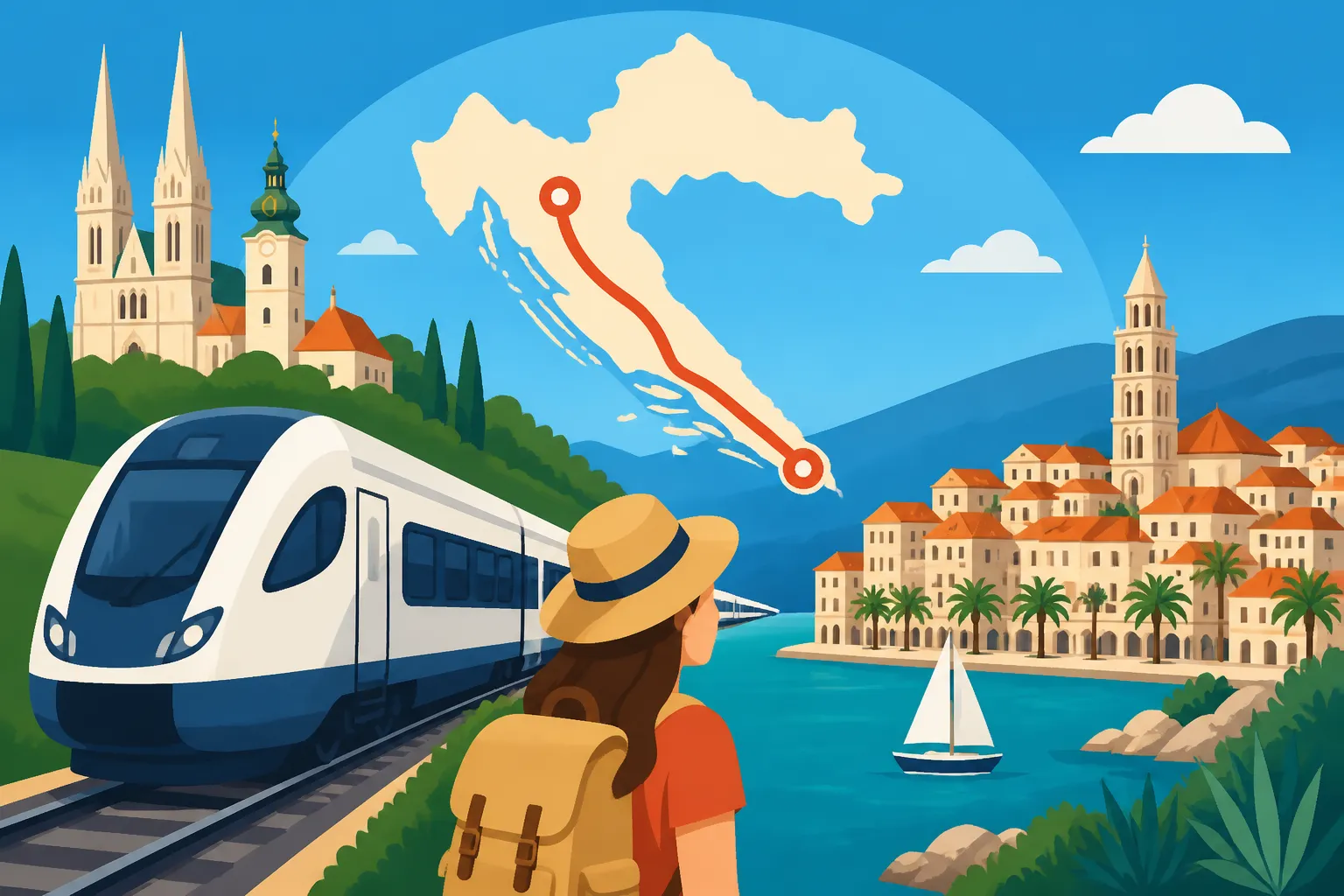
How Do I Travel by Train Between Zagreb and Split?
Oh, the romantic notion of train travel, isn't it? When you first think about moving to or traveling around a new country like Croatia, especially between two major cities like Zagreb and Split, your mind probably conjures images of picturesque scenery rolling by your window, a gentle rhythm of the rails lulling you into a peaceful journey. However, for those of us who've lived here for a while, the reality of train travel between the capital and the Dalmatian coast is… well, it's a unique Croatian experience that isn't quite what you might expect. This guide is here to give you the honest lowdown on exactly how to navigate this particular route, what to expect, and perhaps more importantly, what alternatives might be a better fit for your travel plans.
The Reality of Train Travel Between Zagreb and Split
Let's cut right to it: if you're picturing a sleek, high-speed train whisking you directly from Zagreb's bustling Glavni Kolodvor (main station) to Split's coastal charm, you might be in for a surprise. Croatia's railway network, while charming in parts, hasn't seen the same level of investment or modernization as some of its Western European counterparts, especially on this crucial north-south route.
Understanding Croatian Railways HŽ Putnički Prijevoz
HŽ Putnički Prijevoz is the national passenger rail operator in Croatia, essentially the equivalent of Amtrak or Deutsche Bahn for this country. They manage the schedules, tickets, and the trains themselves. For shorter, regional routes or specific scenic journeys in other parts of Croatia, HŽ can be a perfectly viable, and often quite pleasant, option. You might find a quiet journey through the countryside, far removed from highway traffic. However, when it comes to long-distance routes, particularly between Zagreb and Split, the system faces significant challenges. The infrastructure, especially the tracks and electrification, often isn't designed for high speeds, and the mountainous terrain naturally poses engineering hurdles that mean direct, fast routes are simply not feasible or built yet.
The Current Zagreb-Split Train Route Situation
Here's the crucial detail most newcomers miss: there is currently no direct, uninterrupted train service between Zagreb and Split. Let me repeat that, because it's a common point of confusion: you cannot take a single train from Zagreb and arrive in Split by rail alone. The direct railway line that once existed suffered damage during the war in the 1990s and has never been fully reinstated for passenger traffic throughout its entire length.
What HŽ Putnički Prijevoz does offer is a combined train and bus journey. Typically, you'll board a train in Zagreb and travel south, often as far as Knin or Perković. From there, passengers are transferred to an organized bus service that continues the rest of the journey to Split. This bus transfer is integral to the ticket you purchase through HŽ. It's not a separate booking; it's part of the "train" ticket. This means you'll have the hassle of disembarking the train, identifying your bus, and getting your luggage transferred, often on a somewhat tight schedule depending on the connection.
This setup is entirely due to the limitations of the railway infrastructure. While there are ambitious plans for upgrades, they are long-term projects. So, for the foreseeable future, if you choose the HŽ route, expect a hybrid travel experience. The train portion itself can be quite slow, winding through the interior of Croatia, offering glimpses of rural life and changing landscapes that you might not see from the highway. However, the overall journey time can be significantly longer than a direct bus or car trip.
Why Some Expats Still Choose the Train-Bus Combo
Despite the complexities and the extended travel time, some expats and travelers still opt for the train-bus combination. It’s certainly not for everyone, but there are some silver linings to this rather unique mode of transport:
- A Glimpse of Croatia's Interior: Unlike the coastal highway, which often hugs the sea or cuts through tunnels, the train route takes you through the heartland of Croatia. You'll see different towns, villages, and landscapes – often a more authentic, less tourist-polished view of the country. This can be a real plus if you're not in a rush and want to experience more than just the Adriatic sparkle.
- Comfort (for part of the journey): For the train segment, you get the spaciousness of a train carriage. You can usually stand up, stretch your legs, and move around more freely than on a bus. This can be a significant comfort factor, especially for longer limbs or those who struggle with motion sickness on buses. Plus, the seats are often wider and more comfortable than standard bus seats.
- Cost-Effectiveness (Sometimes): While not always the cheapest, the train-bus combo can sometimes be more affordable than a direct bus ticket, particularly if you book in advance or travel during off-peak times. It's worth comparing prices for your specific travel dates.
- Environmental Considerations: For some, the environmental impact of train travel is lower than road or air travel, making it a more conscious choice, even with the bus leg.
However, let's be realistic about the downsides. The journey is considerably slower, often taking 6-8 hours or even more, compared to 4-5 hours by direct bus. The transfer can be stressful, especially with heavy luggage or if you’re unsure about where to go. Delays are not uncommon, which can throw off any onward plans you might have. It requires a certain level of patience and flexibility that not all travelers possess.
Planning Your Journey: Tickets, Schedules, and Practicalities
So, you've decided to embrace the adventure of the Zagreb-Split train-bus combo. Excellent! Now, let's get into the nitty-gritty of how to actually make this happen.
Buying Your Tickets: Online vs. Station
Getting your tickets for the HŽ Putnički Prijevoz journey is relatively straightforward, but there are a few things to keep in mind.
- Online Purchase: The HŽ website is your first port of call for checking schedules and buying tickets. The site has an English option, which is a lifesaver. You can select your departure and arrival stations (Zagreb Glavni Kolodvor to Split), and the system will show you the combined train-bus options. You'll get an e-ticket that you can print or display on your phone.
- Pro-Tip: Always, always double-check the departure times and especially the details about the bus transfer segment. These can sometimes change, especially during different seasons or due to ongoing railway works. I've heard stories of expats showing up for a "train" only to find out it's been fully replaced by a bus for that day due to maintenance!
- Reservations: For longer journeys like this, reserving a seat is highly recommended, especially during peak travel seasons (summer, holidays). You don't want to be stuck standing for the train portion, let alone scrambling for a spot on the connecting bus.
- At the Station: If you prefer the human touch, or if you're more comfortable buying a ticket closer to your travel date, you can purchase them directly at Zagreb Glavni Kolodvor. Head to the ticket counters. Most staff will speak at least some English, but it helps to have your destination and desired departure time written down.
- Zagreb Glavni Kolodvor: This is Zagreb's beautiful, historic main train station. It's well-located, just a short walk from Trg Kralja Tomislava.
- Split Predgrađe/Glavni Kolodvor: In Split, the train station is technically called Split Predgrađe, but it's often referred to locally as Glavni Kolodvor, especially for long-distance routes. It’s located near the city center, not far from the main bus station and ferry port.
Navigating the Bus Transfer Segment
This is the part that causes the most anxiety for many travelers, and honestly, for good reason. It’s where the "charm" of Croatian train travel sometimes gives way to a bit of a logistical scramble.
When your train reaches the designated transfer point, usually Knin or Perković, everyone traveling to Split (and beyond) will need to disembark.
- Identification: The bus will typically be waiting right outside the train station, or very close by. Look for a bus with "Split" or "HŽ" signage, or simply follow the crowd of your fellow passengers who are also making the transfer. Sometimes, HŽ staff will be there to direct you, but don't count on it being a fully guided experience. Keep your eyes peeled and don't be afraid to ask other passengers or station staff (if available) for clarification.
- Luggage: This is where things get interesting. You'll need to haul your own luggage off the train and onto the bus. If you're traveling with large, heavy suitcases, this can be quite a workout. The bus drivers will usually help with loading into the undercarriage compartments, but it's still your responsibility to get your bags to the bus. Pack light if you can!
- Timing: The transfer is usually timed to coincide with the train's arrival. However, if the train is delayed (which, as I mentioned, can happen), the bus might wait, but not indefinitely. It’s a delicate balance. Keep an eye on the clock and be ready to move quickly once the train pulls into the transfer station.
Essential Tips for the Journey
To make your Zagreb-Split train-bus adventure as smooth as possible, here are a few hard-earned tips from your friendly expat veteran:
- Food and Drinks: While some longer HŽ trains might have a small snack bar or trolley, don't count on it, especially for this route. Bring your own water, snacks, and any meals you might want. The journey is long, and you'll appreciate having provisions.
- Connectivity: Wi-Fi on Croatian trains is rare, and mobile signal can be spotty as you pass through rural or mountainous areas. As an expat, you'll quickly learn that reliable data is your best friend, especially when navigating transfers or unexpected delays. I always recommend grabbing an eSIM from providers like Airalo before your trip. It saves you the hassle of hunting for local SIMs and ensures you're connected from the moment you land, giving you peace of mind to check maps or contact someone if needed.
- Comfort is Key: Dress in layers, bring a good book or downloaded entertainment, and maybe a travel pillow. The seats on the train are generally comfortable, but the bus portion can vary. Being prepared for varying temperatures and having something to occupy yourself will make the journey much more pleasant.
- Luggage Strategy: As mentioned, you'll be responsible for your luggage during the transfer. Consider a backpack or easily manageable suitcases with good wheels. If you're planning on a long stay, checking out services like Sirelo could be beneficial for moving larger amounts of belongings, rather than trying to fit it all on the train-bus combo.
- Check and Re-check: Before you leave your accommodation in Zagreb, do one final check of the HŽ website for any last-minute schedule changes or announcements. Things can shift without much notice.
Alternatives to the Train-Bus Combo: What Expats Really Use
Now, while the train-bus combo offers a certain kind of adventure, it's not the most practical or efficient way to travel between Zagreb and Split for most people, especially if time is a factor. As expats living here, we generally opt for other methods.
Direct Bus Travel: The Most Popular Choice
Without a doubt, the direct intercity bus service is the reigning champion for travel between Zagreb and Split. This is what the vast majority of locals and expats use, and for good reason:
- Speed and Efficiency: Buses typically take around 4.5 to 5.5 hours, depending on traffic and the number of stops. They use the modern A1 highway, which is fast and efficient.
- Frequency: There are numerous bus companies operating this route, with departures almost every hour, especially during peak times and seasons. This offers incredible flexibility. Major operators include Autotrans, FlixBus, and Arriva, among others.
- Directness: You hop on a bus in Zagreb (usually from the main Autobusni Kolodvor) and get off in Split (at their main Autobusni Kolodvor), with no transfers, no scrambling for luggage in the middle of nowhere. It's a single, continuous journey.
- Comfort: Modern intercity buses are generally very comfortable, often with air conditioning, reclining seats, and sometimes even Wi-Fi and power outlets.
- Cost: Bus tickets are usually very reasonably priced, making them a budget-friendly option.
- Booking: You can easily buy tickets online through the operators' websites or at the bus station. Booking in advance, particularly for popular times, is always a good idea.
Seriously, if you need to get from Zagreb to Split and want minimal hassle and reasonable speed, the bus is your best friend. For more details on navigating Croatia's public transport system, you might want to read our guide on The Expat Guide to Public Transport in Croatia.
Driving or Carpooling
For those who love flexibility and perhaps a bit of exploration along the way, driving is an excellent option.
- Freedom and Flexibility: Renting a car gives you complete control over your schedule, stops, and route. You can take scenic detours, stop at charming towns like Karlovac or Plitvice Lakes (though this adds significant time), or simply pull over for a coffee break whenever you wish.
- Travel Time: The drive itself takes around 3.5 to 4 hours of pure driving time on the A1 highway, plus any stops.
- Costs: Factor in car rental fees, fuel costs, and highway tolls. Croatia's highways are generally well-maintained but are toll roads. An ENC device can make paying tolls easier, which you can learn more about in Understanding Highway Tolls and the ENC Device in Croatia.
- Carpooling: Platforms like BlaBlaCar are popular in Croatia. You can find rides with local drivers, which can be a fun way to meet people, split costs, and often results in a faster journey than the bus.
- Logistics: Remember to consider parking once you arrive in Split, which can be challenging and expensive, especially in the city center during peak season. If you're thinking about driving long-term in Croatia, our guide on Driving in Croatia: Licences, Registration and Rules for Expats (2027) is a must-read.
Flying Between Zagreb and Split
For the absolute quickest way to get from one city to the other, flying is an option, though it comes with its own set of considerations.
- Shortest Travel Time: The flight itself is incredibly short, often around 45 minutes to an hour.
- Cost: Flights are generally the most expensive option, especially if you don't book far in advance.
- Added Hassle: Remember to factor in travel time to and from the airports in both Zagreb and Split, check-in, security, and baggage claim. This can easily add 2-3 hours to your total journey, making the real door-to-door time comparable to a fast bus.
- Airlines: Croatia Airlines operates this route frequently.
- When it Makes Sense: Flying makes sense if you have very limited time, are connecting to another international flight, or find a particularly good deal. It's less ideal for simple intercity travel due to the additional airport-related logistics.
Making the Most of Your Croatian Journey
No matter which mode of transport you choose, traveling in Croatia is always an experience. As an expat here, I've learned to appreciate the journey as much as the destination, even when it involves unexpected bus transfers or longer-than-expected drives.
Appreciating the Scenery (When There Is Train Scenery)
If you do opt for the train-bus combo, try to embrace the unique perspective it offers. The train portion, particularly as it heads deeper into Croatia's interior, provides views of rolling hills, sleepy villages, and untouched nature that you simply won't get from the highway. It's a slower pace, yes, but it allows for reflection and an appreciation of the country's diverse landscapes. Don't be too focused on speed; let the journey unfold. You might just spot a local farmer tending their fields or a forgotten castle ruin on a distant hill.
Staying Connected on the Go
Whether you're on a bus, train, or in a car, staying connected is crucial for modern travel. I touched on this earlier, but it bears repeating: having a reliable mobile data plan is invaluable. Beyond just checking maps or schedules, it allows you to communicate with friends, stream some music or podcasts, or even catch up on work. Having a digital travel companion like an Airalo eSIM can really take the stress out of figuring out local networks, giving you instant connectivity across Croatia without hassle. This is a game-changer for digital nomads and even short-term tourists in Croatia who need to be online.
Managing Logistics for a Smoother Move
For many of you reading this, traveling between Zagreb and Split might be just one part of a much larger relocation journey. Moving to a new country like Croatia involves countless administrative steps and logistical hurdles. Everything from registering your residence at the MUP, which you can find guidance for in Registering Your Residence Prebivalište at the MUP, to figuring out The Complete Guide to Cost of Living in Croatia for Expats (2026) needs attention. If this journey from Zagreb to Split is part of a bigger move, and you're contemplating how to get all your belongings here, remember that specialized services exist. Companies like Sirelo can be incredibly helpful in organizing international removals, making sure your cherished possessions arrive safely, saving you the headache of trying to cram everything into public transport. It’s all about making your transition to Croatian life as smooth as possible.
Remember, the goal isn't just to get from A to B, but to immerse yourself in the experience of living in Croatia. Sometimes, that means taking the scenic route, even if it's a bit slower.
Comparison of Travel Options Between Zagreb and Split
Here's a quick overview of the different ways you can travel between Zagreb and Split, comparing the key factors:
| Travel Method | Estimated Travel Time (Door-to-Door) | Cost Range (One-Way, Per Person) | Convenience Level | Best For |
|---|---|---|---|---|
| Train + Bus | 6-8+ hours | €25 – €40 | Low (requires transfer, potential delays, luggage handling) | Scenic enthusiasts, those who prefer train comfort for part of the journey, very budget-conscious travelers (sometimes cheaper than bus) |
| Direct Bus | 4.5-5.5 hours | €20 – €35 | High (direct, frequent departures, comfortable, minimal hassle) | Most travelers prioritizing speed, convenience, and cost-effectiveness |
| Private Car/Taxi | 3.5-4 hours (driving) | €50+ (fuel/tolls) / €250+ (taxi) | Very High (complete flexibility, privacy) | Families, groups, those with lots of luggage, travelers wanting to explore along the way, those prioritizing privacy and directness |
| Carpooling | 3.5-4.5 hours | €15 – €30 | High (flexible, social, often direct, but depends on driver reliability) | Budget travelers, those who enjoy meeting locals, single travelers |
| Flight | 2.5-4 hours (total, incl. airport) | €50 – €150+ | Medium (fastest in air, but airport transfers and waiting times add up) | Travelers with very limited time, those connecting to international flights, or those who find a very cheap flight deal |
Disclaimer
Please note that travel information, including schedules, routes, and prices, can change frequently in Croatia. While we strive to provide the most accurate and up-to-date information, it is always recommended to verify details directly with service providers (HŽ Putnički Prijevoz, bus companies, airlines) before making your travel plans. This guide is for informational purposes only and does not constitute professional advice.