Can I Rent Directly from an Owner Without an Agent in Croatia?
Oh, the age-old question for anyone looking to settle into this beautiful country: "Can I just bypass the agents and rent directly from an owner in Croatia?" Believe me, I've been there, staring at online listings, wondering if that elusive "direct contact" would save me a headache and some cash. It's a journey, my friends, often filled with a mix of hope, frustration, and sometimes, pure triumph. This guide is here to walk you through the realistic ins and outs of securing a rental directly from a landlord, sharing all the hard-earned wisdom so you don't have to stumble through the same pitfalls.
The Reality of Direct Rentals in Croatia: What to Expect
Let's be honest, the idea of renting directly has a real charm, doesn't it? You imagine cutting out the middleman, saving on agency fees, and having a direct, human relationship with your landlord. While that can absolutely happen here, it’s crucial to go in with your eyes wide open, understanding both the glistening upsides and the very real, sometimes thorny, downsides. Croatia's rental market, especially for long-term expats, operates a little differently than what many of us might be used to back home.
The Allure and the Hurdles of Going Direct
When you consider renting directly from an owner, you're usually thinking about one main thing: saving money. Agency fees in Croatia can typically range from half a month's rent to a full month's rent, sometimes even more, plus VAT. That's a significant chunk of change you could put towards your moving costs, or, let's be real, a few glorious dinners out. Beyond the finances, direct communication can often lead to a more personal landlord-tenant relationship, which can be invaluable when you're trying to navigate things like minor repairs or understanding local nuances. It means you're talking straight to the person who can make decisions, rather than filtering through an intermediary.
However, the hurdles are equally significant. The biggest one for many expats is the language barrier. While younger Croatians often speak English, many landlords, especially those not accustomed to renting to foreigners, might not. This can make initial inquiries, viewings, and especially negotiating contract terms incredibly challenging. Then there's the sheer time commitment. Finding legitimate direct listings, sifting through them, arranging viewings, and chasing down landlords often becomes a full-time job. And, sadly, the direct route also opens you up to a higher risk of scams or misunderstandings, particularly if you're unfamiliar with Croatian legal requirements or typical rental practices. You won't have an agent vetting properties or contracts on your behalf, so the burden of due diligence falls entirely on you.
Where to Actually Find Direct Listings
So, where do you even begin this quest for a direct rental in Croatia? It's not always advertised with a big "No Agents!" sign, but there are definite avenues that lean towards direct contact.
Firstly, online portals are your best friend, even if they also host agency listings. Njuškalo is by far the dominant platform in Croatia for buying and selling almost anything, and that includes rentals. You'll find a huge number of private landlords listing their properties here. Be prepared to filter extensively, use Google Translate if your Croatian isn't up to par, and often send many messages for every reply you receive. It's a numbers game. Other, smaller local sites might exist, depending on your target city, but Njuškalo is the undisputed king.
Then there's the wild west of social media – particularly Facebook Marketplace and various local expat or housing groups. In groups like "Expats in Zagreb," "Rentals Split," or "Croatia Digital Nomads," you'll often see direct postings from landlords looking for tenants. These groups can be a goldmine because landlords there are often specifically targeting foreigners, meaning they're more likely to speak English and understand the unique needs of an expat tenant. However, vigilance is key here, as scams can also lurk. Always approach these with a healthy dose of skepticism.
Finally, don't underestimate the power of old-fashioned word of mouth and local connections. If you're already in Croatia, even temporarily, talk to people! Baristas, shopkeepers, fellow expats, even people at your local dom zdravlja (health centre) – someone might know someone who knows someone with a vacant apartment. Sometimes you'll spot "Za Najam" (For Rent) signs with a phone number taped to windows or balconies in specific neighborhoods. These are almost always direct from the owner and can lead to some real gems, particularly in smaller towns or less central areas. While you're on the ground, having mobile data is essential for coordinating viewings and looking up addresses. Consider a local eSIM from providers like Airalo to stay connected.
Navigating the Direct Rental Process: Step-by-Step
Alright, you've found a promising direct listing and managed to make contact. Now the real work begins. The process of securing a direct rental in Croatia requires meticulous attention to detail and a fair bit of patience. This isn't just about handing over cash; it's about understanding and adhering to local customs and legal requirements, which can be a maze for the uninitiated.
Initial Contact and Communication Strategies
When you first reach out, whether via email, messaging app, or phone call, keep it concise and polite. If you're not fluent in Croatian, start with a simple English message. Most people will either reply in English or indicate that they don't speak it. This is where having a Croatian friend or a reliable translation app becomes indispensable. DeepL or Google Translate can be lifesavers for initial back-and-forths.
When you do get a landlord on the hook, prepare a list of key questions. Beyond the obvious (rent, utilities included/excluded), ask about the registration of your prijava boravka (residence registration). This is crucial for your legal stay in Croatia, and a landlord legally must register you as living there. If they hesitate or say it's "not necessary," consider it a major red flag. Also inquire about pets, if applicable, and any specific rules about the building or neighborhood. Does it have central heating, or are there electric radiators/air conditioning units? How is garbage collection handled? These practicalities become important once you move in.
Setting up viewings can be tricky with language barriers. Confirm the address clearly, and if possible, ask for a nearby landmark. Arrive on time – Croatians generally value punctuality, though there can sometimes be a relaxed approach to scheduling. During the viewing, don't be shy about asking more questions, looking closely at the condition of appliances, checking water pressure, and trying light switches. It's your opportunity to thoroughly inspect what could become your new home.
Understanding the Croatian Rental Contract and Legalities
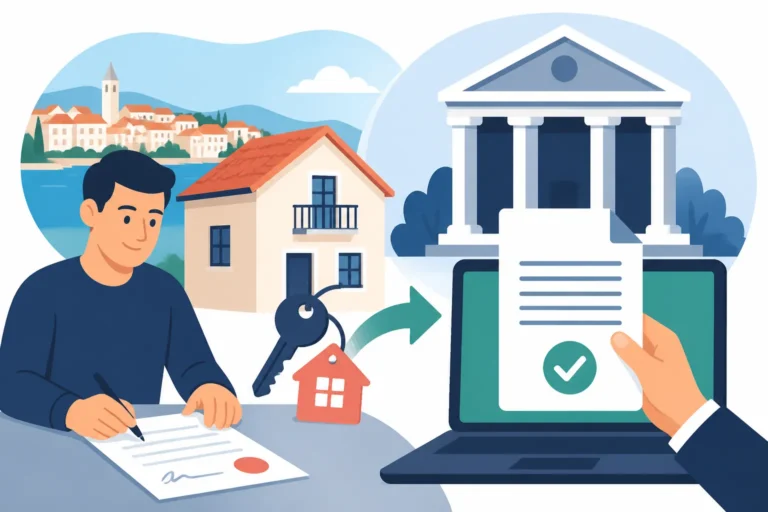
This is arguably the most critical part of renting directly in Croatia. Unlike some countries where a handshake might suffice, you absolutely, unequivocally must have a written rental contract (ugovor o najmu). This contract protects both you and the landlord. Many foreigners don't realize that a landlord is legally obligated to register this contract and your prijava boravka with the local tax administration (Porezna Uprava) within 30 days of signing. This is not optional; it ensures the landlord declares their rental income (and pays taxes on it) and legitimizes your stay at that address. Without this, you could face issues with your residence permit or even be considered to be residing illegally. Check out our guide on How to Register a Rental Lease with the Croatian Tax Administration for more details.
The contract itself should clearly state:
- Names and OIBs (Personal Identification Numbers) of both landlord and tenant. You'll definitely need to know How to Get an OIB Personal Identification Number in Croatia.
- Address of the property.
- Monthly rent amount.
- Duration of the lease (e.g., 1 year, indefinite).
- Notice period for termination (usually 1-3 months).
- Amount of the security deposit (polog) and conditions for its return.
- Who is responsible for utilities and other charges (e.g., pričuva – building reserve fund).
- An inventory list of furniture and appliances, ideally with their condition noted.
The security deposit, or polog, is typically one or two months' rent. Ensure the contract specifies the exact amount and the conditions under which it will be returned. Standard practice is that it covers damages beyond normal wear and tear or unpaid bills upon departure.
Understanding your tenant rights and obligations under Croatian law is also paramount. For instance, landlords are generally responsible for major repairs, while tenants handle minor upkeep. Don't be afraid to seek legal counsel or ask for a trusted Croatian speaker to review the contract with you before you sign anything, especially if it's in Croatian. This small investment upfront can save you huge headaches down the line.
Essential Tips for Expats Renting Directly in Croatia
You've done the hard yards, found a place, and are now moving towards signing a contract directly with an owner. This is where your vigilance needs to be at its peak. While direct rentals can be rewarding, they also demand a proactive approach to protecting your interests. Remember, an agent usually provides a layer of protection and verification; when you go direct, you become that layer.
Protecting Yourself from Scams and Misunderstandings
When dealing directly, unfortunately, you're more susceptible to potential scams or genuine misunderstandings that could cost you money or cause significant stress. Always look out for red flags:
- No physical viewing allowed: If a landlord insists you pay a deposit or sign a contract without ever seeing the property in person, run the other way.
- High-pressure tactics: If they're pushing you to commit immediately, claiming many other people are interested, without giving you time to read the contract or ask questions.
- Unusual payment requests: Asking for large sums of cash, or demanding payment via obscure transfer services or cryptocurrency. Bank transfers are standard and leave a paper trail.
- Refusal to provide an OIB: A legitimate landlord will have an OIB.
- Hesitation about registering the contract/your residence: As mentioned, this is a legal requirement.
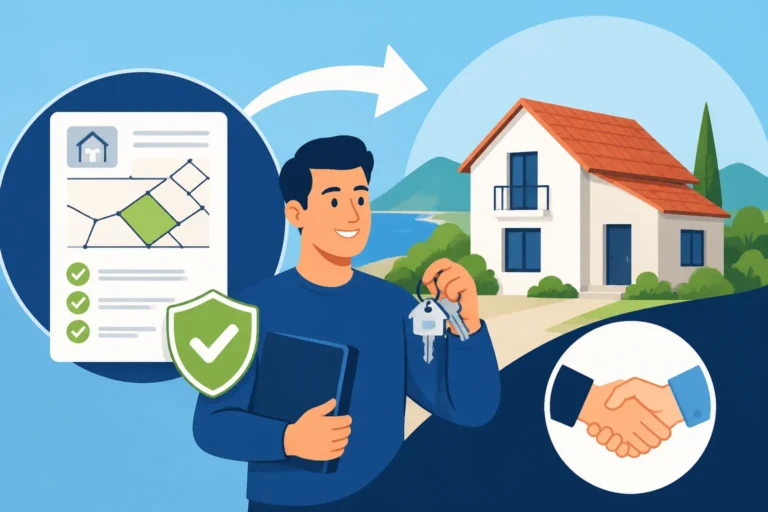
To proactively protect yourself, always, always verify the property ownership. You can request a vlasnički list (ownership certificate) from the landlord, or even visit the local katastar (cadastre office) or gruntovnica (land registry office) yourself. You can search by address or katastarska čestica (cadastral plot number). Having a clean vlasnički list ensures the person you're dealing with is indeed the rightful owner and has the right to rent it out. This step is often overlooked but crucial when you're navigating the complexities of Understanding the Zemljišne Knjige Land Registry in Croatia.
Finally, get absolutely everything in writing. Any promises, agreements, or understandings – put them in the contract or at least in a signed addendum. A casual verbal agreement in Croatia can lead to serious confusion later, especially with language differences.
Practicalities Beyond the Lease Agreement
Once the lease is signed and you've moved in, the practicalities of setting up your new life begin. Utilities are a big one. Unless specified otherwise, you'll likely be responsible for transferring electricity (HEP), water, gas (if applicable), and waste collection into your name. This often involves visiting utility company offices with your OIB, passport/residence permit, and a copy of your lease. It can be a bureaucratic headache, but absolutely necessary. We have a comprehensive guide on The Expat Guide to Setting Up Utilities in Croatia that can help.
Beyond utilities, you'll need to sort out internet and mobile services. There are several providers like Hrvatski Telekom, A1, and Telemach, each with various packages. For choosing your services, consider our guide on How to Choose a Mobile and Internet Provider in Croatia. And of course, don't forget the all-important prijava boravka. Even if your landlord registers the contract, you still need to personally register your address with the police (MUP) within 30 days of moving in, especially if you're a non-EU citizen. This is a critical step for all foreigners and our article Registering Your Residence in Croatia: The Complete MUP Guide covers it thoroughly.
Navigating all these steps can feel overwhelming, especially when you're new to the country. Many expats find that while saving on agent fees is great, the time and effort invested in these administrative tasks can sometimes outweigh the savings. But for those who are prepared, going direct can be a fantastic way to immerse yourself in the local way of life. If you’re moving a lot of personal belongings, you might want to look into international moving services, and brands like Sirelo can offer a good starting point for comparing quotes. Overall, understanding The Complete Guide to Cost of Living in Croatia for Expats 2026 will also help you budget for all these initial expenses.
To sum up the agent vs. direct debate, here's a quick comparison:
| Feature | Renting Directly from Owner | Renting Through an Agent |
|---|---|---|
| Cost | No agency fees; potentially lower rent due to less overhead | Agency fees (0.5 to 1 month's rent + VAT) usually apply |
| Communication | Direct with landlord; potential language barrier | Agent acts as intermediary; often English-speaking |
| Property Vetting | Entirely your responsibility; need to verify ownership | Agent usually vets properties and landlords for legitimacy |
| Contract Review | Your responsibility; may need external legal help | Agent often provides standard contracts, can explain terms |
| Legal Compliance | Must ensure landlord registers contract/residence | Agent usually handles/advises on contract & residence registration |
| Time Investment | High; finding listings, scheduling, due diligence | Lower; agent pre-screens, schedules, manages paperwork |
| Scam Risk | Higher; requires greater personal vigilance and research | Lower; agent provides a layer of protection and accountability |
| Post-Move Support | Varies greatly by landlord; usually limited | Some agents offer support for utilities, prijava boravka, etc. |
| Access to Listings | Good on sites like Njuškalo, Facebook groups, local signs | Access to agent-exclusive listings; broader selection often |
Ultimately, renting directly from an owner in Croatia is absolutely possible and can be a rewarding experience if you are well-prepared, patient, and thorough. It’s not necessarily easier or harder than using an agent, just different, requiring a more hands-on approach to ensure everything is above board.
Disclaimer
The information provided in this guide is for general informational purposes only and does not constitute legal, financial, or immigration advice. While we strive to provide accurate and up-to-date information, rules and regulations in Croatia can change rapidly. Always consult with qualified legal professionals, real estate agents, or government authorities for advice tailored to your specific situation before making any decisions.