How Do I Check If a Property Has Clean Title in Croatia?
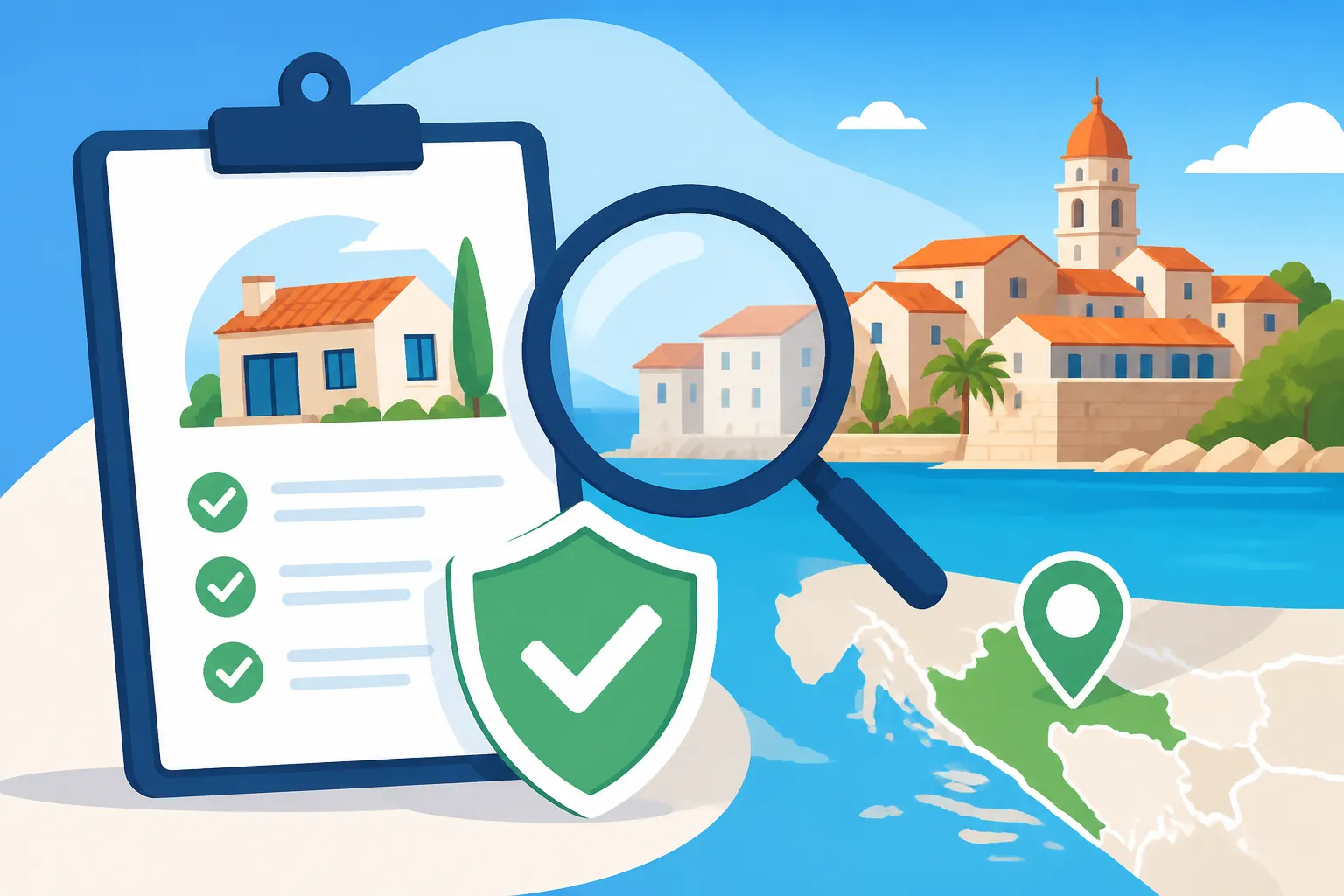
Buying property in a new country like Croatia is an incredibly exciting prospect – visions of charming stone houses on the coast or a modern apartment in Zagreb often dance in our heads. But before you get swept away by those dreams, you absolutely must anchor yourself in the daunting reality of due diligence. Ensuring a property has a "clean title" in Croatia isn't just a formality; it's the bedrock of a secure investment and can save you from a world of administrative headaches, financial pitfalls, and sleepless nights. This guide is here to walk you through exactly how to verify a property's legal standing, highlighting the tools, steps, and professional assistance you'll need to navigate the often-complex Croatian property landscape.
The Pillars of Croatian Property: Land Registry and Cadastre
When you're embarking on the journey of buying a home in Croatia, the first thing you'll encounter – and probably feel overwhelmed by – are the two main institutions that hold all the official information about properties: the Land Registry (Zemljišne Knjige) and the Cadastre (Katastar). Trust me, these aren't just obscure government offices; they are your best friends in verifying a clean title.
Understanding the Land Registry (Zemljišne Knjige)
The Land Registry, or Zemljišne Knjige, is overseen by the municipal courts (Općinski Sud). Think of it as the ultimate legal record keeper for real estate in Croatia. This is where you find out who legally owns a property, what its legal status is, and whether there are any encumbrances on it. It’s publicly accessible, which is fantastic, but navigating it can still be a bit of a maze if you're not familiar with the system or the Croatian language.
Every property has a Land Registry entry, and within that entry, you'll find three main sections, or "sheets," that tell a story:
- Sheet A (Posjedovnica or Popisni list): This section describes the property itself – its cadastral parcel number, area (in square meters or cadastral acres), and type (e.g., arable land, courtyard, house). It also refers back to the Cadastre records. You want to see that the description matches the physical property you're looking at. If it says "field" and you're looking at a house, that's a gigantic red flag right there.
- Sheet B (Vlasnički list): This is the crucial ownership section. It lists the current owner(s) of the property, their OIB (personal identification number), and the basis of their ownership (e.g., purchase, inheritance, gift). You need to ensure that the seller's name exactly matches the name(s) listed here, and that they have full ownership rights, meaning 1/1 (one-half, one-half is not full ownership, that's shared). Any deviations here need immediate clarification. If it lists multiple owners and only one is trying to sell, you have a problem.
- Sheet C (Teretni list): This is where all the "bad news" lives, if there is any. This sheet lists any encumbrances, burdens, or restrictions on the property. This could include mortgages (hipoteka), easements (služnost), rights of way, liens, legal disputes (zabilježba spora), or usufruct rights (e.g., pravo doživotnog uživanja – the right for someone to live in the property for life, often seen with elderly parents transferring property to children). For a truly "clean" title, you want this sheet to be empty, or for any listed items to be clearly explained and resolvable before purchase. This is precisely why understanding the Zemljišne Knjige is absolutely critical.
You can access Land Registry information online via the e-Građani portal if you have a Croatian eID, or through the public Land Registry and Cadastre Application. This public portal is a godsend, as it allows anyone to search by cadastral municipality and parcel number to pull up an unofficial, but usually accurate, preview. Just type in "zemljisne knjige" into your search engine, and you'll find it.
The Role of the Cadastre (Katastar)
While the Land Registry focuses on legal ownership, the Cadastre (Katastar) is all about the physical description and location of the property. It's managed by the State Geodetic Administration (Državna Geodetska Uprava). The Cadastre contains maps, parcel numbers, boundaries, and information about the size and type of land.
Here’s why the Cadastre is equally important:
- Physical Description: It gives you a visual representation of the property and its boundaries. This is crucial for verifying that the land you're buying matches the land depicted in the official records. Property boundaries can be a source of frequent disputes in Croatia, so a thorough check here is essential.
- Building Status: The Cadastre will also show any structures built on the land. Ideally, the buildings physically present on the property should match the records in the Cadastre. Discrepancies here can indicate unregistered buildings, which is a major headache we'll delve into shortly.
- Matching Records: The cadastral parcel number and area listed in the Cadastre should align with what's in Sheet A of the Land Registry. If there's a mismatch, it indicates a problem that needs to be resolved, often requiring a new geodetic survey and corrections in both registries.
You can access Cadastre data through the Geoportal of the State Geodetic Administration. This online portal allows you to view cadastral maps, search by address or parcel number, and get basic information. It's a fantastic tool for getting a visual overview and checking for any obvious discrepancies between the physical world and the official maps.
Don't forget that both the Land Registry and Cadastre information should ideally be harmonized. This means the ownership, description, and area details should match in both systems. Unfortunately, due to historical reasons and various land reforms, this isn't always the case, especially in older or rural properties. This lack of harmonization is a major source of potential complications for buyers. For deeper dives, you can learn more by consulting guides like Understanding the Croatian Property Registry and Cadastre System.
Step-by-Step: How to Perform a Title Check Yourself (and When to Get Help)
Now that you know what these key institutions are, let's talk about the practical steps you can take to check a property's title. While I'll encourage you to do some preliminary checks yourself, please, for the love of all that is holy, never complete a property purchase without professional legal assistance.
Online Search through e-Građani and Public Portals
The digital age has made some aspects of property research much easier. Most of the preliminary heavy lifting can be done from the comfort of your home, assuming you have an OIB (your Croatian tax identification number, which you'll need for any serious transaction anyway). If you don't have one, or you're just starting your research, you can still access public data. You can learn more about how to get your OIB and why it matters.
- Access the Joint Land Registry and Cadastre Application: Go to the official website (search for "Zemljišne Knjige Katastar" or "e-Izvadak"). This is where you can publicly view data.
- Search by Cadastral Municipality and Parcel Number: The seller should provide you with the katastarska općina (cadastral municipality) and the katastarska čestica (cadastral parcel number). Input these into the search fields.
- Download the Zemljišnoknjižni Izvadak (Land Registry Extract): This is the Holy Grail. It's a digital printout of the Land Registry entry. It will contain all three sheets (A, B, and C) we discussed. This version is usually marked "informativni" (informational) and isn't legally binding for a sale, but it's perfect for your initial review.
- Check the Cadastre through Geoportal: Head over to the Državna Geodetska Uprava's Geoportal. Input the same cadastral parcel number or search by address. You'll be able to see the cadastral map and often a posjedovni list (possession sheet) which lists the holder of possession and the type of land. Compare this with what you see in the Land Registry.
Remember, having a reliable internet connection is super important for these checks, especially if you're doing this from abroad or a remote part of Croatia. Consider using an eSIM from providers like Airalo to ensure you're always connected.
What to Look For: Red Flags and Green Lights
When you're poring over these documents, here’s a checklist of things to scrutinize:
- Sheet B – Ownership:
- Seller's Name Match: Does the name(s) of the person selling the property exactly match the owner(s) listed on Sheet B? This seems obvious, but people try to sell property they don't fully own.
- Ownership Share: Is the ownership 1/1 (meaning 100% sole ownership)? If it's 1/2, 1/3, or other fractions, it means there are multiple co-owners. All co-owners must agree to and sign the sale contract. If they don't, you can't buy the whole property.
- Restrictions on Sale: Look for any notes or restrictions on the owner's right to sell or dispose of the property.
- Sheet C – Encumbrances:
- Mortgages (Hipoteka): Is there a mortgage registered? This is common, but it needs to be clearly stated how it will be resolved upon sale (usually paid off by the seller with the proceeds from your purchase). Your lawyer will manage this.
- Easements (Služnost): Are there any rights of way, utility easements, or other third-party rights over the property? These aren't always deal-breakers, but you need to know about them, as they can affect your enjoyment or future development of the property.
- Legal Disputes (Zabilježba spora): If there’s a note about a pending legal dispute, run. Do not pass Go, do not collect €200. This means the property's ownership or legal status is being contested in court, and you could get caught in years of litigation.
- Usufruct Rights (Pravo doživotnog uživanja): This is a right that allows someone to live in or use the property for the rest of their life. If this is listed, you won't be able to move in or fully use the property until that person passes away. This needs to be understood thoroughly if it exists.
- Cadastre & Physical Property Match:
- Boundaries: Do the cadastral map and the physical boundaries on the ground align? A geodetic surveyor can confirm this.
- Buildings: Are all buildings on the property registered in the Cadastre? Unregistered buildings are a massive issue in Croatia, requiring a complex and often costly legalization process (legalizacija). If you see a house on the property but the Cadastre only shows "field," that's a problem. Many properties, especially older ones, might have structures built without proper permits that were never registered.
The Indispensable Role of the Notary Public and Lawyer
While online tools help you with initial checks, for the actual purchase, engaging a local, reputable lawyer and notary public is not just a recommendation; it's an absolute necessity. They are your safeguards in this process.
- The Lawyer (Odvjetnik): A good property lawyer in Croatia will perform a full, legally binding due diligence. They will obtain official, certified extracts from the Land Registry and Cadastre, verify the seller's identity and legal capacity, check for any undisclosed debts, and ensure all permits are in order. They will also draft the pre-contract and the final purchase contract, ensuring your interests are protected and that all conditions for a clean title transfer are met. They'll also liaise with the seller's side, which can be a relief when dealing with the language barrier and cultural nuances. Choosing the right legal representation is crucial; it's an investment, not an expense. When considering how to buy property in Croatia as a foreigner, a lawyer is your most valuable asset.
- The Notary Public (Javni Bilježnik): In Croatia, the notary public has a vital role in authenticating legal documents, including property sale contracts. They ensure that all parties have signed the documents correctly, that identities are verified, and that the contracts adhere to legal requirements. The notary also takes care of submitting the purchase contract to the Land Registry for registration of your ownership. Understanding notary fees and property purchase costs in Croatia is important, as these are mandatory expenses.
Common Pitfalls and How to Avoid Them
Even with all your checks, some issues are notoriously tricky in Croatia. Being aware of them can help you prepare and ask the right questions.
Unregistered Buildings and Legalisation
This is perhaps the biggest headache for property buyers in Croatia. Many older homes, extensions, or auxiliary buildings were built without proper permits or were never officially registered. If a building on the property isn't listed in the Land Registry and Cadastre, it means it's "illegal" in the eyes of the law.
- The Problem: You cannot obtain official permits for renovations, sell the property easily, or even get a mortgage on an unregistered part of a building. It's a non-compliant asset.
- The Solution (Legalizacija): Croatia has had several rounds of "legalisation" laws to allow owners to retroactively legalise these structures. This process involves submitting extensive documentation, often requiring a geodetic survey, architectural plans, and payment of fines and fees. It can be lengthy, costly, and complex.
- Your Strategy: If a property has unregistered buildings, insist that the seller completes the legalisation process before you commit to buying. If they refuse or it's not possible (some buildings simply cannot be legalised), factor in the significant risk, time, and cost into your offer, or simply walk away. Your lawyer will advise you on the specifics of any potential legalisation status.
Inheritance and Co-ownership Complexities
Properties in Croatia are often passed down through generations, leading to situations with multiple heirs and co-owners. This can complicate a clean title transfer significantly.
- Multiple Heirs: If a property has been inherited by several siblings or family members, all of them must agree to the sale and sign the contract. If even one heir is missing, unwilling to sell, or lives abroad and is difficult to locate, the sale cannot proceed for the entire property.
- Unresolved Estates (Ostavinski Postupak): Sometimes, the Land Registry might still show a deceased person as the owner, even if their heirs are trying to sell. This means the inheritance proceedings (ostavinski postupak) haven't been completed and officially registered. The estate must be resolved, and new ownership registered in the Land Registry, before a legitimate sale can happen.
- Your Strategy: Your lawyer will verify that all current legal owners are correctly listed and that all necessary inheritance procedures have been completed. If there are multiple co-owners, ensure they are all involved and prepared to sell their share.
Pre-empting Issues with Due Diligence Beyond the Title
A clean title is fundamental, but a thorough due diligence process extends beyond just ownership. To ensure you're making a sound investment, consider these extra steps:
- Energy Performance Certificate (Energetski Certifikat): All buildings for sale must have an energy performance certificate. This document assesses the building's energy efficiency and is mandatory for sales. It's a good indicator of future utility costs and potential renovation needs.
- Communal Fees and Utility Debts: Check with the seller (and your lawyer will verify) that all communal fees (komunalna naknada), waste collection fees, and utility bills (electricity, water, gas) are paid up to date. While generally not attached to the property itself, discovering massive arrears immediately after moving in can be an unpleasant surprise.
- Physical Inspection by an Expert: Beyond your own walk-through, consider hiring a local architect or civil engineer to perform a structural inspection. They can identify potential issues like dampness, structural weaknesses, or outdated installations that aren't apparent to the untrained eye.
- Understanding the Local Zoning Plan: Before buying, especially if you plan any significant renovations or new construction, ensure the property aligns with the local urban development plan (prostorni plan). What might seem like a perfect plot for a new house might actually be zoned for agricultural use only. Your lawyer or a local urban planning office can help with this.
The cost of healthcare in Croatia: A complete breakdown for foreigners is one area you might want to consider when planning your overall budget, as unexpected medical expenses can impact your ability to finance property-related issues. Additionally, researching How to find a reliable real estate agent in Croatia can be invaluable, as good agents often have insights into common local property quirks. For the most critical step, remember that Understanding Property Ownership Certificates (Vlasnički List) in Croatia is key to your peace of mind.
By taking these diligent steps, you’re not just checking boxes; you’re building a robust foundation for your life in Croatia, ensuring that your dream property doesn't turn into a nightmare. It’s a painstaking process, but the peace of mind that comes with a truly clean title is priceless.
Disclaimer
Please note that this guide provides general information based on current Croatian laws and administrative practices. Property laws can be complex and are subject to change. This article should not be considered legal advice. Always consult with a qualified Croatian lawyer and other relevant professionals for advice tailored to your specific situation before making any property-related decisions.