How Do I Register My Child’s Birth in Croatia?
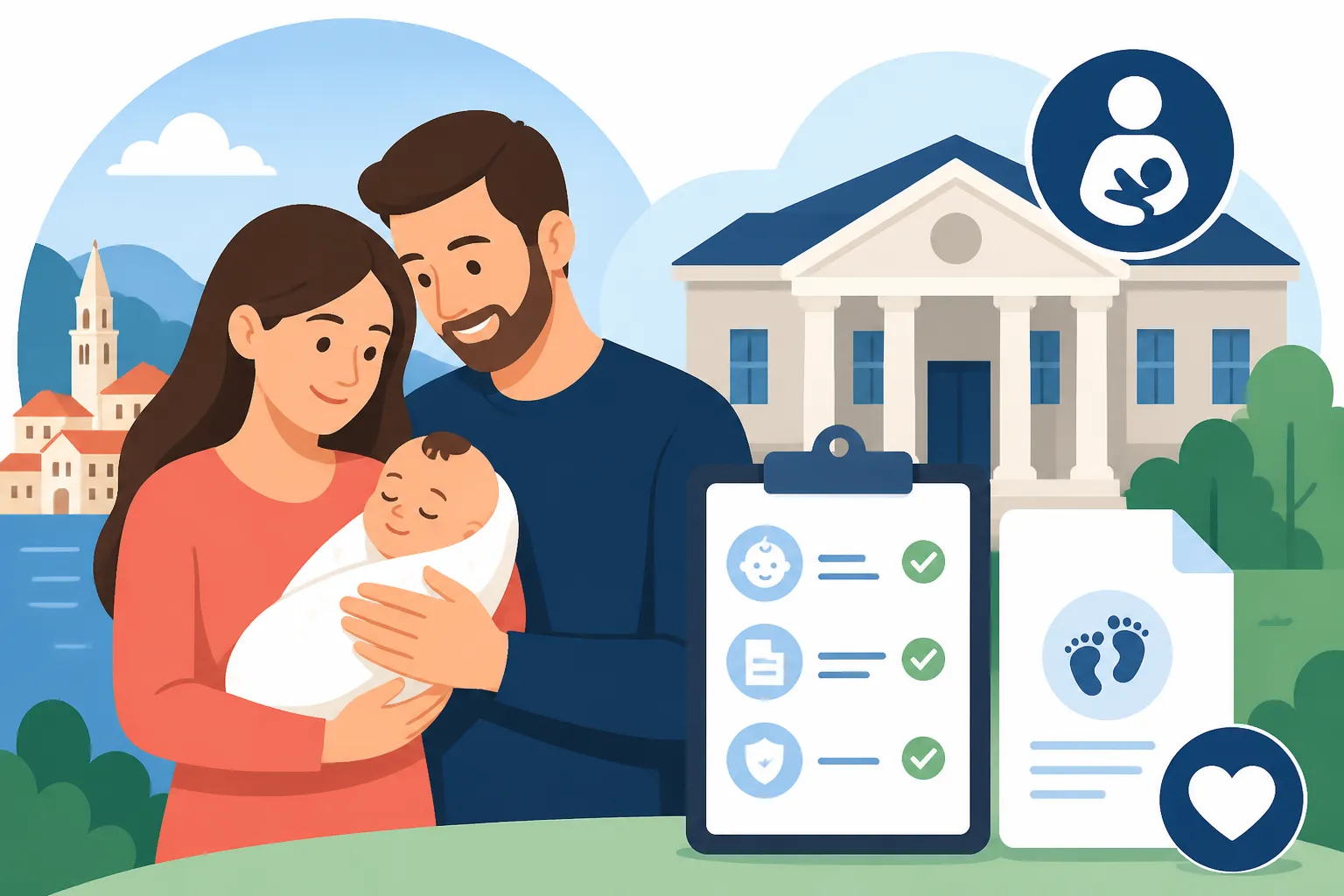
Congratulations! Welcoming a new life into the world is a monumental occasion, but when you're doing it in a foreign country like Croatia, the joy can quickly get tangled with bureaucratic hurdles. Navigating the process of registering your child's birth in an unfamiliar system, especially with a newborn in tow, can feel daunting and overwhelming. This guide is here to untangle that process for you, providing a realistic, empathetic, and step-by-step walkthrough of how to officially register your child's birth and get them properly set up in Croatia.
The First Few Days: Hospital Procedures and Initial Paperwork
When your bundle of joy finally arrives, the last thing on your mind is probably paperwork. And that’s perfectly normal! The initial days are a blur of emotions, sleepless nights, and incredible wonder. Thankfully, the Croatian healthcare system generally handles the very first layer of documentation, giving you a small window to just be with your baby. However, understanding what happens behind the scenes can save you a lot of anxiety later on.
The Birth Record (Prijava Rođenja)
Almost immediately after your child is born, the hospital where the birth took place will prepare an internal document called the Prijava Rođenja, which translates to "Birth Record" or "Report of Birth". This isn't your official birth certificate, but it’s the foundational document from which everything else springs. Think of it as the hospital's official notification that a new human has entered the world under their roof.
This record typically includes crucial information: the exact date and time of birth, the place of birth (the hospital's name and address), the baby's gender, and the names of both parents. The hospital will usually send this document directly to the relevant Matični Ured (civil registry office) in the municipality where the birth occurred. While you generally don’t need to handle this step yourself, it’s good to be aware that this is happening and to confirm with the hospital that they’ve sent it. If you're ever asked for "proof of birth from the hospital," they're likely referring to this or a similar internal hospital document.
Choosing a Name and Father's Recognition
Naming your child is one of the first big decisions you make as parents, and in Croatia, it's also a crucial part of the initial registration process. You'll usually be asked to declare your child's chosen name to the hospital staff or directly at the Matični Ured. While most names are accepted, be mindful of any extremely unusual spellings or characters that might not exist in the Croatian alphabet, as this could sometimes cause minor delays or confusion. Generally, though, the Croatian system is quite accommodating of foreign names.
For married parents, the process is quite straightforward as the father is automatically recognized. However, for unmarried parents, things are a little different and require a specific step: the Izjava o priznanju očinstva (Declaration of Paternity). This is a formal declaration where the father acknowledges paternity. It’s absolutely vital for the child to have both parents’ names on the birth certificate and for the child to officially inherit the father’s surname (if that’s the chosen path). This declaration can often be done at the Matični Ured when you go to register the birth. In some cases, it can even be done at the hospital with a notary public present, or at a public notary's office before you visit the Matični Ured. It's really important to sort this out within the initial timeframe for birth registration, as delays can lead to complications later on, particularly concerning the child's legal rights and inheritance.
The Matični Ured: Your Destination for the Birth Certificate
Once you've had a few days to recover from the birth, and the hospital has done its part, your next major stop is the Matični Ured. This is where the magic happens – where your child officially gets their Rodni List (birth certificate) and their unique identification number, the OIB.
What is the Matični Ured and its Role?
The Matični Ured is the civil registry office in Croatia, responsible for keeping records of births, marriages, and deaths. Every major town and city, and even some smaller municipalities, will have one. This is the central hub for official personal status documents. For you, as new parents, it's the place you'll visit to officially register your child's birth and obtain their first crucial document: the birth certificate.
This office plays a critical role because the birth certificate is the gateway to everything else for your child in Croatia – from getting them health insurance to enrolling them in school someday. It’s also important to note the rather strict deadline: you are legally required to register your child's birth at the Matični Ured within 15 days of the birth. Yes, 15 days, which feels incredibly short when you’re sleep-deprived and navigating a new reality. Try not to stress too much, but do make it a priority to get this done. If you miss it, you won't be in huge trouble, but it will definitely lead to unnecessary delays and possibly some minor fines.
Required Documents for Registration
This is where planning ahead can really save your sanity. Croatian bureaucracy, bless its heart, loves its paperwork. Having everything in order before you go will make the process much smoother. Here’s a list of documents you’ll typically need to bring to the Matični Ured:
- Parents' Identification: Your valid passports and Croatian residence permits (
boravišna iskaznica). Make sure these are up-to-date. - Parents' OIBs: Your Personal Identification Numbers are essential. If you don't have one yet, or need to know more, you can read our guide on How to Get Your OIB and Why It Matters for Healthcare Access.
- Marriage Certificate: If you are married, you’ll need your original marriage certificate. If it was issued in a foreign country, it will likely need to be apostilled (if your country is part of the Hague Apostille Convention) or superlegalized, and then officially translated into Croatian by a sworn court translator (sudski tumač). This is a common point of frustration for many expats, so get this done before the baby arrives if possible.
- Hospital Birth Record: While the hospital usually sends this directly, it's always a good idea to ask for a copy for your own records, just in case.
- Declaration of Paternity (if applicable): As mentioned earlier, if you are not married, the father's notarized
Izjava o priznanju očinstvawill be crucial. - Proof of Nationality: For foreign parents, sometimes an extract from your home country’s birth registry or citizenship certificate might be requested, along with translations. This is less common if you have passports and residence permits, but it's good to be prepared.
A little tip from experience: always bring the originals and several photocopies of everything. Sometimes they only need to see the original and keep a copy, other times they keep the original. It’s better to have too much than too little. And remember, any document not in Croatian must be officially translated by a sworn court translator.
The Registration Process Step-by-Step
Once you’ve gathered your documents (phew!), head to the Matični Ured in the city or municipality where your child was born. For example, if your baby was born in Zagreb, you'd go to the Matični Ured at Trg Stjepana Radića 1.
- Queue and Present Documents: Be prepared for a wait, especially in larger cities. Once it’s your turn, present all your gathered documents to the official.
- Fill Out Forms: They will give you forms to fill out, confirming the child's name, parents' details, and so on. If your Croatian isn't up to scratch, bring a Croatian-speaking friend, or ask if anyone speaks English. While it's not guaranteed, you might get lucky.
- OIB Issuance: Often, during this very same visit, the Matični Ured will automatically request an OIB for your newborn from the tax administration (Porezna Uprava). This is a huge relief, as it saves you a separate trip. You might receive a printout with the child’s OIB right there, or it might be mailed to your registered address a few days later. Make sure to confirm this step with the official.
- Issuance of
Rodni List: After processing, they will issue theRodni List(birth certificate). You can usually request multiple certified copies at this time – and you absolutely should! Having several copies will save you many future headaches when dealing with the MUP, HZZO, and other institutions. Don't be shy; ask for at least 5-10 certified copies (ovjereni prijepis). There might be a small fee per copy, but it’s worth it.
This whole process at the Matični Ured usually takes anywhere from 30 minutes to an hour, assuming you have all your documents ready. It’s one of those moments where you truly feel your child becoming an official part of Croatia.
Beyond the Birth Certificate: Integrating Your Child into Croatian Life
Getting the birth certificate and OIB are massive milestones, but the administrative journey isn't quite over. These documents are merely the keys that unlock the next set of doors for your child's integration into Croatian society.
Obtaining the OIB for Your Child
We touched on this, but it bears repeating because the OIB (Osobni identifikacijski broj) is that important. It’s Croatia's equivalent of a national identification number, and your child will need it for virtually everything official. As mentioned, the Matični Ured often issues it simultaneously with the birth certificate, which is incredibly convenient. If for some reason they don't, you would need to visit the Porezna Uprava (Tax Administration) yourself with the child's birth certificate to apply for it.
Without an OIB, your child cannot be registered for health insurance, cannot have a bank account (way down the line!), and generally won't be able to participate fully in the administrative fabric of Croatia. It’s truly their first and most important identification number.
Registering for Health Insurance (HZZO)
Once your child has their Rodni List and OIB, registering them for health insurance through the Croatian Health Insurance Fund (HZZO) is your next critical step. This ensures they have access to medical care, which, let's be honest, you'll need sooner rather than later with a newborn! You can find a more in-depth guide here: How to Register Family Members for Health Insurance in Croatia and also Registering with HZZO in Croatia: The Complete Expat Guide (2027).
You'll need to visit your local HZZO office, bringing these documents:
- Child’s Original Birth Certificate (
Rodni List) - Child’s OIB
- Your (the parents’) HZZO cards or proof of HZZO coverage
- Your (the parents’) valid IDs/residence permits
The process involves filling out an application to add your child to your existing health insurance coverage. Once processed, your child will receive their own HZZO card, allowing them to access public healthcare services, including visits to a pediatrician, vaccinations, and hospital care. This is a crucial step for the well-being and security of your little one, and it's something you want to get done relatively quickly. For a broader understanding of the system, consider reading The Complete Guide to Healthcare in Croatia for Expats (2027).
MUP Registration: Adding Your Child to Your Residence
As an expat, you’re already familiar with the MUP (Ministry of Interior) and the importance of registering your residence. Well, your new family member needs to be registered too! This means informing the MUP that your household now has an additional resident. This step is typically required within 30 days of the child's birth.
You'll need to visit your local MUP office with your child’s documents and your own. The key documents usually include:
- Child’s Original Birth Certificate (
Rodni List) - Child’s OIB
- Your (the parents’) valid residence permits (
boravišna iskaznica) - Proof of accommodation: This could be your rental agreement or property ownership documents.
At the MUP, you’ll submit an application to update your household’s residence details. While your child won't get their own residence card immediately (that typically happens when they’re older and need photo ID), they will be officially recorded as residing with you at your registered address. This is another fundamental step to ensure all records are consistent and up-to-date with the Croatian authorities. For more details on this, you might find our guide on Registering Your Residence in Croatia: The Complete MUP Guide helpful.
Practical Advice and Common Expat Hurdles
Having navigated these waters myself, I can tell you that while the steps are clear, the actual experience can sometimes be anything but. Here’s some veteran advice to help you manage expectations and overcome potential obstacles.
Language Barriers and Assistance
Let's be realistic: not all officials, especially in smaller Matični Ured or HZZO offices, will speak fluent English. Or any English, for that matter. This can be incredibly frustrating when you’re dealing with something as important as your child’s official identity documents, especially when you’re feeling vulnerable and tired from new parenthood.
My biggest piece of advice here is to bring a Croatian speaker with you. This could be a friend, a neighbor, your landlord, or even hiring a local assistant or translator for an hour. Don’t rely on luck. Having someone who can calmly translate instructions, questions, and paperwork can significantly reduce stress and speed up the process. Even a seemingly small misunderstanding can lead to a wasted trip, and with a newborn, every trip out counts!
Deadlines and Penalties
Croatia loves its deadlines, and missing them can lead to minor fines or, more commonly, just a lot of unnecessary hassle and delays.
- 15-day deadline for birth registration at Matični Ured: While not strictly enforced with heavy penalties for a few days' delay, it's best to adhere to it. The longer you wait, the longer your child is in a bureaucratic limbo, unable to get health insurance or officially join your residence permit.
- 30-day deadline for MUP residence registration: Similar to the birth registration, adherence helps keep your records clean and avoids potential questions or issues down the line.
The consequences for missing these aren’t usually severe fines that will break the bank, but rather administrative headaches. You might have to write a formal explanation for the delay, and it just adds another layer of stress to an already busy time. Do your best to hit these dates.
Staying Connected During the Process
Especially in those first few weeks, you'll be coordinating with hospitals, government offices, perhaps your home country's embassy, and undoubtedly, anxious family and friends abroad. Staying connected is not just a convenience; it's a necessity. You’ll need your phone for Google Maps to find these offices, for quick translation apps, for calling ahead to confirm opening hours, and for keeping loved ones updated. This is where a reliable local mobile connection is invaluable. Consider grabbing a local eSIM from services like Airalo – it's a lifesaver for ensuring you always have data without worrying about roaming charges or swapping physical SIM cards, letting you focus on your baby and the immediate tasks at hand.
Future Planning: When the Paperwork Piles Up
This initial wave of paperwork, while intense, is just the beginning of your child's administrative life. Soon you'll be thinking about their passport, potentially their citizenship if you have dual nationality options, and even their schooling. Keep all original documents and certified copies in a safe, organized place. Create digital copies too. This meticulous organization will pay dividends down the road.
If your journey in Croatia is part of a longer expat adventure, or if you ever envision moving to another country with your growing family, having all these foundational documents meticulously sorted will be incredibly helpful. Future moves require careful planning and documentation, and knowing that your child’s Croatian birth records are in perfect order will simplify the process. For those bigger moves, services like Sirelo can assist with the logistics, but they'll always rely on you having all your family's official documents in impeccable condition.
Here's a quick summary table of the key steps:
| Action / Document | Authority / Location | Key Deadline | Key Documents Required | Purpose |
|---|---|---|---|---|
| Prijava Rođenja (Birth Record) | Hospital | Immediately after birth | N/A (Internal hospital document) | Hospital's official report of birth; basis for Rodni List |
| Izjava o Priznanju Očinstva | Matični Ured / Notary | Before or at birth registration | Parents' IDs | Official declaration of paternity for unmarried parents |
| Birth Registration & Rodni List | Matični Ured | 15 days from birth | Parents' IDs/Permits, OIBs, Marriage Cert (if any), Paternity Dec (if any), Hospital Record | Official birth certificate, child's OIB, foundation for all future docs |
| HZZO Registration | HZZO Office | As soon as Rodni List/OIB obtained | Child's Rodni List, OIB; Parents' HZZO cards, IDs/Permits | Access to public healthcare for the child |
| MUP Residence Registration | MUP Office | 30 days from birth | Child's Rodni List, OIB; Parents' IDs/Permits, Proof of Accommodation | Official update of household residence details |
| The Expat Guide to Finding a Family Doctor (Obiteljski Liječnik) in Croatia | Local Dom Zdravlja | After HZZO registration | Child's HZZO card, Rodni List, OIB | Essential for routine pediatric care and health checks |
Bringing a new life into the world is a profound experience, and doing it in Croatia, as an expat, adds unique layers of challenge and reward. While the administrative steps can seem overwhelming, remember that countless expats have successfully navigated this path before you. Be patient with yourself, don't hesitate to ask for help, and relish the incredible journey of parenthood in this beautiful country.
Disclaimer
Please note that while this guide provides comprehensive information based on current regulations and expat experiences, administrative procedures in Croatia can change. It is always advisable to verify the latest requirements directly with the relevant Croatian authorities (Matični Ured, HZZO, MUP) or consult with a local legal expert for personalized advice.