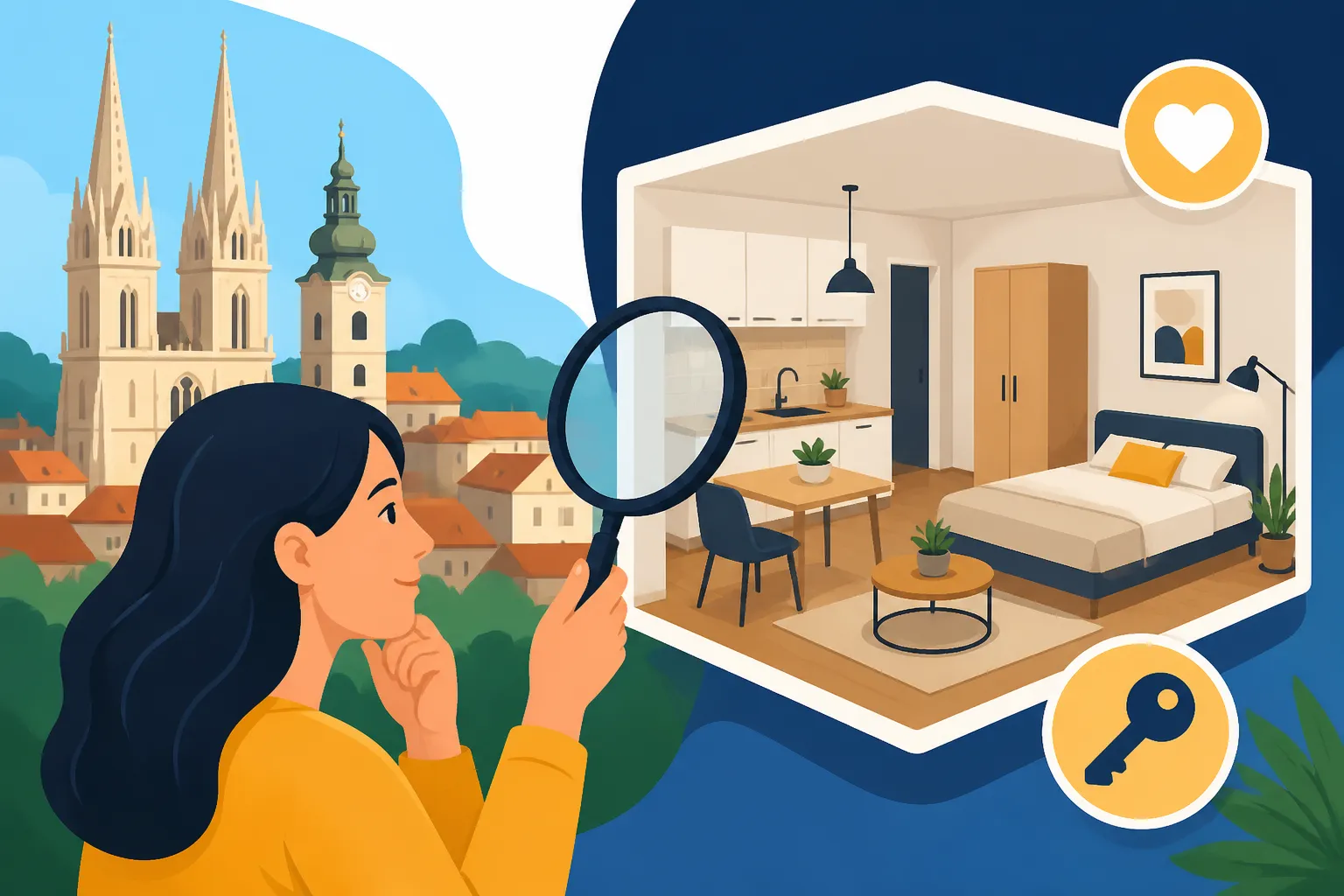
How Do I Find a Studio Apartment to Rent in Zagreb?
Oh, the quest for a studio apartment in Zagreb! It's a rite of passage for many new expats, often fraught with equal parts excitement and bewildering frustration. You envision a charming little space, maybe with a view of a bustling street or a quiet courtyard, but then you dive into the market and quickly realize it's a competitive jungle, especially for those compact, affordable gems. This guide is here to walk you through the labyrinth of finding that perfect studio apartment in Croatia’s vibrant capital, offering realistic advice and a big dose of empathy for the expat experience.
Understanding the Zagreb Studio Apartment Market
Before you even start clicking through listings, it's crucial to understand the lay of the land when it comes to studio apartments in Zagreb. It’s not always straightforward, and what you expect from your home country might be quite different here.
What Exactly is a "Studio" in Zagreb?
In Zagreb, a "studio apartment" (often called a garsonjera) typically means a single main room that serves as both living and sleeping space, along with a separate kitchen area (which can sometimes just be a kitchenette built into the main room) and a separate bathroom. Sometimes, you'll find places marketed as "one-bedroom" (jednosoban stan) that are essentially larger studios where the bedroom is still very much integrated, or a small separate bedroom exists. The key distinction for a garsonjera is that integrated, multi-purpose main room. They are highly sought after because they tend to be the most affordable option for single residents or couples.
The market for studios can be quite dynamic. In popular areas, especially those close to universities or the city center, they get snatched up incredibly fast. You might find some older, charming units that have seen better days, or sleek, newly renovated spaces with a price tag to match. The condition, age, and proximity to desirable locations (like public transport, the main square, or popular neighborhoods) all play a significant role in both availability and price.
Pros and Cons of Renting a Studio Apartment
Renting a studio definitely has its upsides and downsides, especially for an expat navigating a new city.
Pros:
- Affordability: Generally, studios are the cheapest option for independent living. This can be a huge relief when you’re just getting settled and your budget is tight. You'll likely pay less for rent and often lower utility bills compared to larger apartments.
- Lower Maintenance: Less space means less to clean, less to furnish, and fewer things to worry about breaking down. This can be a real time-saver.
- Central Locations: Many studios are located in the heart of the city or in very well-connected neighborhoods, offering easy access to shops, restaurants, public transport, and cultural sites. For an expat still learning the ropes, being close to everything is invaluable.
- Quicker to Furnish: Most studios come furnished, at least partially. This saves you the headache and expense of buying all new furniture from scratch. If you're comparing your overall moving expenses, using services like Sirelo to gauge international moving costs might be overkill for a studio, but the less you need to bring, the better.
Cons:
- Limited Space: This is the obvious one. Living and sleeping in the same room can feel cramped, especially if you work from home or have a lot of belongings. Privacy can be an issue if you have guests.
- High Demand, Low Supply: As mentioned, everyone wants an affordable, well-located studio. This intense demand can lead to bidding wars or apartments being rented out before you even get a chance to view them.
- Less Storage: Studios are notorious for lacking adequate storage. If you arrive with more than a couple of suitcases, you might struggle to find a place for everything.
- Noise: If your studio is in a central, lively area, prepare for potential noise from the street, neighbors, or nearby cafes. This is a trade-off for the convenience of location.
Where to Start Your Search for a Studio in Zagreb
Now that you know what you’re looking at, let’s talk about how to actually find one of these elusive little gems. The search process in Croatia can sometimes feel a bit old-school, but there are increasingly modern options available.
Online Platforms and Real Estate Portals
The digital age has certainly made apartment hunting easier, even in Zagreb. These are your first port of call.
- Njuškalo: This is by far the most popular classifieds website in Croatia, the equivalent of Craigslist but for everything, including real estate. You’ll find thousands of listings here, both from private landlords and real estate agencies. You can filter by "stan" (apartment), "najam" (rent), city (Zagreb), number of rooms (e.g., "garsonjera" or filter by m²), and price range. Be prepared for a lot of scrolling and potentially outdated listings, but it's essential.
- Indomio.hr and Crozilla.com: These are dedicated real estate portals that aggregate listings from various agencies and private sellers. They offer more specific filters and are generally more user-friendly for property searches than Njuškalo.
- Facebook Groups: Believe it or not, Facebook groups are a goldmine in Croatia. Search for groups like "Stanovi Zagreb – Najam" (Apartments Zagreb – Rent) or "Rent an apartment in Zagreb" for expat-focused options. Landlords often post directly here, avoiding agency fees, and you can sometimes find short-term rentals or flatshare opportunities too. These groups are also fantastic for asking questions and getting real-time advice from other expats.
- Specialised Expat Housing Groups/Sites: Some international or expat community websites might have their own small classifieds sections or connect you with local agents who cater to foreigners.
When using online platforms, be quick to respond. Good studios go fast. If you see something you like, contact the agent or landlord immediately.
Engaging with Real Estate Agents
For many expats, especially if you're not fluent in Croatian or unfamiliar with the local bureaucracy, using a real estate agent ( agencija za nekretnine) is often the path of least resistance.
- Benefits of an Agent: An agent can save you a tremendous amount of time by pre-screening properties, scheduling viewings, and handling communication in Croatian. They are also invaluable when it comes to understanding the lease agreement, ensuring it's fair, and helping with the official registration process. Many also have access to listings that aren't publicly advertised yet. If you're looking for English-speaking agents, some firms specifically cater to the expat community. Finding an English-Speaking Real Estate Agent in Croatia can significantly smooth out the process.
- Agent Fees: Be aware that agents charge a commission. This is typically one month's rent (plus VAT, usually 25%) and is generally paid by the tenant upon signing the lease. Factor this into your initial budget. While it’s an added expense, for many, the peace of mind and assistance with paperwork are well worth it.
- Reputable Agencies: Look for agencies with good online reviews or recommendations from other expats. Some well-known ones include Eurovilla, Opereta Nekretnine, and Biliškov Nekretnine. Don’t be afraid to interview a few agents before committing to one.
Networking and Word of Mouth
Don't underestimate the power of human connection, even in a big city like Zagreb.
- Expat Meetups: Attend expat gatherings or join online expat communities. Someone might know of an available studio or a landlord looking for a tenant.
- University Bulletin Boards: If you're a student, check university housing boards or student groups.
- Friends and Colleagues: Spread the word among any Croatian or expat friends, colleagues, or acquaintances you might have. Personal recommendations can sometimes lead to hidden gems.
Key Considerations Before Signing a Lease
Once you’ve found a potential studio, the real work begins. There are several critical factors to consider beyond just the rent price.
The Lease Agreement and Rental Costs
Understanding your lease and all associated costs is paramount. Don’t rush this step!
- Lease Term: Most rental agreements in Croatia are for a minimum of one year. Be clear about the start and end dates and any clauses for early termination.
- Rent Price: Confirm what’s included and what’s not. Is the pričuva (building reserve fund) included in the rent or separate? What about utilities?
- Security Deposit (Polog): Landlords typically require a security deposit of one to three months' rent. This is standard practice. The deposit should be returned at the end of your tenancy, provided you leave the apartment in good condition. Make sure this is clearly stipulated in the contract. Learning How Much Deposit Do Landlords Require in Croatia is a good primer.
- Utilities (Režije): Heating, electricity, water, gas, internet, and sometimes communal building fees (like for cleaning common areas) are usually separate and paid by the tenant. Ask for recent utility bills to get an idea of the monthly cost, especially for heating in winter, which can vary wildly depending on the building's insulation and heating system. The Expat Guide to Setting Up Utilities in Croatia provides a detailed overview.
- Inventory List: Before moving in, create a detailed inventory list of all furniture and appliances, noting their condition, and take photos or videos. This protects both you and the landlord when it comes to the return of your security deposit.
- Lease Registration: Your landlord is legally obligated to register your lease agreement with the Tax Administration (Porezna Uprava). This is crucial for your own legal standing and for registering your residence with the MUP. Make sure this happens. You can find more details on How to Register a Rental Lease with the Croatian Tax Administration.
Location, Amenities, and Transport Links
Even with a studio, where it's located and what it offers can make or break your living experience.
- Neighborhood Vibe: Do you want a lively city center experience (e.g., Donji Grad, Gornji Grad, Centar) or something quieter with more green spaces (e.g., Trešnjevka, Jarun, Maksimir)? Each neighborhood has its own character. For instance, while you might not find a studio as cheap as in the suburbs, something in Trešnjevka might offer a good balance of cost and proximity to the city center. You can get a sense of general rental costs by checking out How Much Does It Cost to Rent an Apartment in Zagreb in 2026?
- Public Transport: Zagreb has an excellent tram and bus network. Check the proximity of tram/bus stops and how long it takes to get to your work, school, or favorite spots. A good connection is key for convenience. Read about How to Use the ZET Public Transport System in Zagreb for more insights.
- Essential Amenities: Is there a grocery store nearby? A pharmacy? A park? What about access to a dom zdravlja (local health center) or other healthcare facilities?
- Furnishing and Appliances: Most studios come furnished. Check the condition of the furniture, kitchen appliances, and bathroom fixtures. Is there a washing machine? Air conditioning? Reliable heating? These things matter more in a small space.
- Internet Connectivity: Ask about internet providers and speeds. Reliable internet is essential for modern living, especially if you work remotely. Understanding How to Set Up Internet at Home in Croatia is a must. When you first arrive, getting a local SIM or even an eSIM from providers like Airalo can be a lifesaver, ensuring you have internet access for maps, communication with agents, and quick online searches from the moment you land, even before your home internet is set up.
Navigating the Process as an Expat
The administrative hurdles can be the most challenging part of settling into Croatia. Be prepared, be patient, and gather your documents.
Essential Documentation and Registration
There's a sequence to getting everything in order. Don't underestimate the time it takes.
- OIB (Personal Identification Number): This is absolutely essential for everything in Croatia, including signing a lease, setting up utilities, and banking. If you don't have one yet, you need to prioritize getting it. You can't really rent a place legally without it. Understanding How to Get Your OIB and Why It Matters for Healthcare Access is a good place to start, or specifically How Do I Get an OIB Before Renting an Apartment in Croatia?
- Proof of Funds: Landlords or agents will likely ask for proof that you can afford the rent. This could be bank statements, an employment contract, or a letter from your employer.
- Residence Permit: If you're a non-EU citizen, you'll need a valid residence permit to live in Croatia. Renting an apartment is usually a prerequisite for obtaining or extending your permit, but you'll need the OIB first. The temporary residence (privremeni boravak) process is covered in The Expat Guide to Temporary Residence Privremeni Boravak in Croatia.
- Registering Your Address with MUP: Once you sign your lease, you are legally required to register your address with the police (MUP – Ministarstvo Unutarnjih Poslova) within a certain timeframe, usually within 3 days of arrival or signing the lease. Your landlord usually needs to accompany you or provide a signed statement. This is a crucial step for your official residency. Registering Your Residence in Croatia: The Complete MUP Guide will walk you through it.
Understanding Your Rights and Responsibilities
Knowing your rights and responsibilities as a tenant is vital, especially when dealing with a foreign legal system.
- Tenant Rights: Croatian law provides tenants with certain protections, but these are often less extensive than in some other Western European countries. For example, landlords must provide a written lease, and usually cannot increase rent arbitrarily during the lease term. Understanding Tenant and Landlord Rights in Croatia is crucial.
- Landlord Responsibilities: Landlords are generally responsible for major repairs to the property, ensuring it's habitable, and respecting your privacy. However, what constitutes "major repair" can sometimes be open to interpretation.
- Your Responsibilities: As a tenant, you are responsible for paying rent and utilities on time, keeping the property clean, and reporting any damages or needed repairs to the landlord promptly. You should also ensure you understand any rules regarding pets, noise, or property modifications. For a broader overview of the rental process, The Complete Guide to Renting an Apartment in Croatia (2027) is an excellent resource.
Table: Typical Costs Associated with Renting a Studio Apartment in Zagreb
| Cost Category | Description | Typical Amount (EUR) | When to Pay | Notes |
|---|---|---|---|---|
| Monthly Rent | The agreed-upon rent for the studio apartment. | 350 – 650+ (depending on size/location) | Monthly, usually upfront | Does not typically include utilities. Highly variable. |
| Security Deposit | Refundable deposit held by the landlord. | 1-3 months' rent | Upon signing lease | Protects against damages or unpaid rent. Document apartment condition! |
| Agency Fee | One-time fee if you use a real estate agent. | 1 month's rent + 25% VAT | Upon signing lease | Paid by tenant; can be a significant upfront cost. |
| Utilities (Režije) | Electricity, water, gas, heating, internet, communal fees. | 80 – 180+ (highly variable) | Monthly, after consumption | Can be higher in winter due to heating. Ask for past bills! |
| Porezna Registration | Landlord registers lease with Tax Administration. | Nominal fee (by landlord) | Within 30 days of lease start | Important for legal residency. Ensure landlord does this. |
| MUP Registration | Registering your address with the police. | Minimal/Free | Within 3 days of moving in (or arrival) | Crucial for residence permit and official status. Your landlord usually assists. |
Remember, Zagreb's rental market, especially for studios, can be fast-paced. Be decisive, have your documents ready, and don't be afraid to ask for help from fellow expats or a reputable agent. With a bit of persistence and this guide in hand, you’ll find your cozy corner in Croatia’s beautiful capital. Before signing on the dotted line, make sure you know What Should I Check Before Signing a Lease in Croatia?
Disclaimer
Please remember that while this guide aims to provide accurate and up-to-date information, local laws, procedures, and market conditions in Croatia can change. Always verify information with official sources or legal professionals. This content is for informational purposes only and does not constitute legal or financial advice.