Understanding Notary Fees and Property Purchase Costs in Croatia
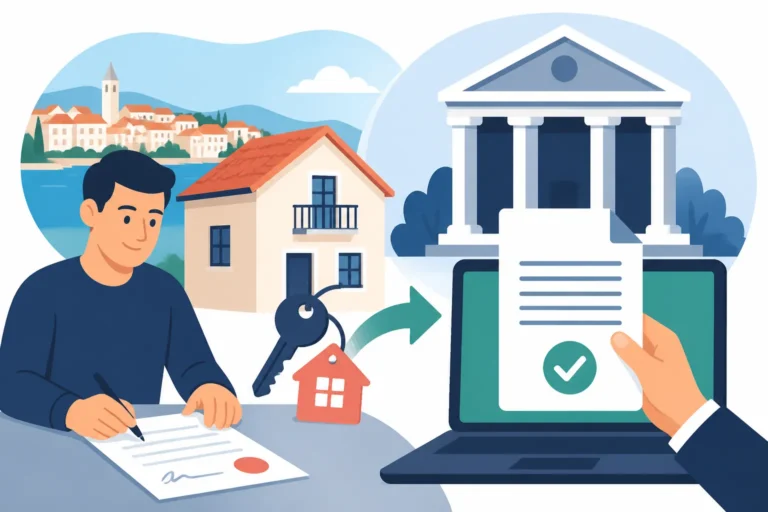
Oh, the dream of owning a little piece of paradise in Croatia! It's a vision that brings so many of us here – the stunning coastlines, the charming stone houses, the vibrant culture. But let's be real, the journey from dreaming to actually holding the keys can feel like navigating a bureaucratic labyrinth designed by a particularly mischievous minotaur. One of the biggest surprises, and frankly, frustrations, for many expats is discovering that the advertised price of a property is just the starting point. This guide is here to unravel the often-confusing world of notary fees and other hidden costs when buying property in Croatia, helping you budget realistically and avoid those disheartening financial surprises.
The Initial Sticker Shock: Why Property Costs More Than the List Price in Croatia
Many of us arrive in Croatia with experience buying property elsewhere, expecting a relatively straightforward process where the price you see is pretty much the price you pay, give or take a few small legal fees. Well, dobrodošli u Hrvatsku! Here, the reality can hit you like a wave on a rocky shore: there are numerous additional costs that pile up, often silently, making your dream property significantly more expensive than that initial enticing listing. It's not about being ripped off; it's simply a different system with its own set of rules and required payments.
Beyond the Asking Price: Understanding the "Real" Investment
When you browse real estate listings in Croatia, whether online or through an agent's window display, the figure you see is almost always just the net purchase price of the property itself. It’s what the seller is asking for their bricks and mortar, or their plot of land. What isn't immediately obvious, and what causes considerable stress for foreign buyers, are the mandatory taxes, administrative fees, legal costs, and potential agency commissions that you, as the buyer, will be responsible for. These aren't just minor incidentals; they can add anywhere from 5% to 15% (or even more, depending on circumstances) on top of the listed price. For a €200,000 apartment, that’s another €10,000 to €30,000 you need to factor into your budget. Failing to account for these can lead to a very rude awakening, potentially jeopardizing your entire purchase if you haven't saved enough.
The Local Mindset: Why Fees Aren't Always Obvious
Part of the challenge for expats is understanding the local mindset regarding these costs. In Croatia, many of these fees are simply assumed knowledge for locals, deeply ingrained in the culture of property transactions. They're not always proactively explained in detail by real estate agents or even by some sellers, who might expect you to already know the system. This isn't necessarily malicious; it's just how things are done. This cultural nuance means you, the foreign buyer, must be proactive. You can't just wait for someone to tell you everything; you need to ask specific questions, seek independent advice, and meticulously research every single potential expense. It’s crucial to understand that even if an agent mentions a 3% transfer tax, they might not immediately delve into the notary fees, lawyer costs, or other administrative charges, leaving you to piece together the full financial picture yourself.
Unpacking the Notary Fees (Javni Bilježnik): The Gatekeeper of Croatian Property Deals
The Croatian notary, or javni bilježnik, holds a surprisingly central and incredibly powerful position in any property transaction. Unlike some countries where a notary might just stamp a document, in Croatia, they are the official gatekeepers, ensuring legal validity and proper procedure. Understanding their role and how their fees are calculated is absolutely paramount.
What Does a Notary Actually Do? Their Crucial Role
Think of a Croatian notary as much more than just a person who certifies signatures. They are highly trained legal professionals appointed by the state, whose primary role is to ensure the legal certainty and security of transactions, especially those involving real estate. When you're buying property, the notary will:
- Verify Identities: They ensure that all parties involved (buyer, seller, and their representatives) are who they say they are, checking passports and other identification documents.
- Check Legal Capacity: They confirm that all parties have the legal capacity to enter into the contract (e.g., not minors, not under duress, mentally competent).
- Authenticate Signatures: This is a big one. The main sales contract, and often the pre-contract, must have signatures authenticated by a public notary to be legally binding and to allow for the transfer of ownership in the Land Registry. Without this authentication, you can't register yourself as the new owner.
- Verify Documents: They often review the accompanying documents (like proof of ownership, energy certificate, OIBs) to ensure they are in order for the transaction.
- Administer Oaths and Declarations: They can take official declarations or statements from parties as required.
Essentially, the notary acts as a neutral, objective party, ensuring that the transaction adheres to all legal requirements and that both parties understand what they are signing. Their involvement is a safeguard, providing a layer of security that often goes unappreciated until you realize how vital it is for smooth and legally sound property transfer. Without their official stamp and signature, your purchase simply won't be recorded in the official Land Registry, meaning you don't legally own the property.
How Notary Fees Are Calculated: It's Not a Fixed Price
This is where it gets interesting, and a little bit confusing for those expecting a flat fee. Notary fees in Croatia are not a simple, fixed amount. Instead, they are calculated based on a tariff set by law, which generally depends on several factors:
- The Value of the Transaction: This is the primary determinant. The higher the purchase price of the property, the higher the notary fees, although they are progressive, meaning the percentage decreases slightly as the value increases. The notary calculates their fee based on the value stated in the contract.
- Number of Signatures: Each signature that needs to be authenticated adds to the cost. For example, if both the buyer and seller sign multiple copies of the contract, or if representatives with powers of attorney are involved, the number of authenticated signatures increases the total.
- Number of Document Pages: There's usually a small per-page fee for the notary's copies and the authentication of the document itself.
- Complexity and Specific Actions: Simple signature authentication is one thing, but if the notary has to draft documents, certify translations, or perform additional complex tasks, the fees will reflect that extra work.
It’s not uncommon for notary fees for a standard property purchase to range from a few hundred euros for a smaller property to over a thousand or even more for larger, more expensive properties. These fees are generally paid by the buyer, though sometimes split in the pre-contract phase.
Essential Notary Actions and Their Costs
Let's look at some specific actions a notary will perform during a property purchase and what you can expect:
- Certification of Signatures on the Pre-Contract (Predugovor): While not always strictly mandatory for the pre-contract to be valid, having the signatures notarized on this document is highly recommended. It adds a layer of seriousness and legal certainty, confirming that the parties truly intend to proceed. The cost for this will depend on the value of the property and the number of signatures.
- Authentication of the Main Sales Contract (Kupoprodajni Ugovor): This is the big one, the absolute non-negotiable step. Both buyer and seller (or their representatives) must sign this contract in front of a public notary, who then authenticates their signatures. This authentication is vital for the contract to be registrable in the Land Registry. Expect this to be the most significant portion of your notary fees.
- Power of Attorney (Punomoć): If you, as the buyer, cannot be physically present in Croatia for all signing appointments, you can grant a power of attorney to a trusted individual, usually your lawyer. This punomoć must also be signed by you and then authenticated by a notary (either in Croatia or at a Croatian embassy/consulate abroad, or by a notary in your home country with an apostille stamp). The notary fees for this are calculated similarly, based on the scope and number of signatures.
- Sworn Translation Certification: If any of your documents are not in Croatian (e.g., your passport from a non-EU country, or specific legal documents from your home country), they will often need to be officially translated by a sworn court interpreter (sudski tumač) and then potentially certified by the notary. These are separate costs but often processed through the notary.
These fees are, for the most part, non-negotiable because they are based on a fixed tariff set by the Ministry of Justice. You can't haggle with a notary; they charge what the law dictates. Be sure to factor them in from the very beginning.
The Elephant in the Room: Real Estate Transfer Tax (Porez na Promet Nekretnina)
Ah, the porez na promet nekretnina. This is often the single largest additional cost you'll face when buying property in Croatia, and it's one that catches many foreigners off guard, especially if they're used to systems with lower or different property transfer taxes. There’s no escaping this one if you’re buying existing property, so let’s dive in.
The Unavoidable 3%: Croatia's Key Property Tax
When you buy an existing property in Croatia, you are generally liable for a Real Estate Transfer Tax, which is currently set at 3% of the property's market value or purchase price, whichever is higher. This isn't an annual property tax (though a new property tax might be introduced eventually), but a one-time tax on the transfer of ownership itself.
Let's break down what that means:
- Market Value vs. Purchase Price: The Croatian Tax Administration (Porezna Uprava) has the right to assess the market value of the property you've purchased. If they determine that your purchase price is significantly lower than their estimated market value for comparable properties in that area, they can, and often will, reassess the basis for the tax to their higher market value. So, while you might have bought a property for €150,000, if the tax authorities believe it's worth €180,000, your 3% tax will be calculated on that €180,000. This is a crucial point that can lead to unexpected higher costs.
- Paid by the Buyer: It’s unequivocally the buyer's responsibility to pay this tax. While the seller sometimes might factor it into their calculations, the legal obligation and the bill always go to the new owner.
For a €250,000 property, that's an additional €7,500 that needs to be budgeted for. It’s a significant amount and definitely not something you want to forget about. It's an integral part of the overall cost of buying a house in Croatia.
Who Pays and When: Understanding the Process
The process for paying the Real Estate Transfer Tax can feel a bit drawn out, adding to the anxiety, but it's important to understand the steps:
- Registration with the Tax Authority: Once the sales contract is signed and notarized, your lawyer (or sometimes the notary, though less common) is responsible for submitting the contract to the local branch of the Tax Administration (Porezna Uprava). This officially registers the transaction. The deadline for this submission is usually 30 days from the date of the contract signing.
- Assessment and Decision: The Tax Administration will then review the contract and assess the property. As mentioned, they might accept the purchase price as the basis for the tax, or they might conduct their own valuation to determine the market value. After their assessment, they will issue an official decision (rješenje) stating the amount of tax due. This decision is typically sent to the buyer's registered address (or to your lawyer if they are designated to receive correspondence).
- Payment Deadline: Once you receive the rješenje, you typically have 15 days from the date of receipt to pay the full amount of the Real Estate Transfer Tax. The payment details (bank account number, reference number) will be clearly stated on the decision document.
- Potential Delays and Penalties: Croatian bureaucracy can, at times, move at its own pace. It can take weeks, or even a few months, for the Porezna Uprava to issue the rješenje. However, once it arrives, that 15-day clock starts ticking rapidly. Missing the deadline will result in penalties and interest, so it’s absolutely critical to have the funds ready and to act swiftly once that decision lands in your mailbox or your lawyer’s hands. Ensure your lawyer or a trusted local is checking for this document regularly.
Exemptions and Special Cases: Are You Eligible?
While the 3% tax is generally unavoidable for existing properties, there are a few specific exemptions and special cases. These are highly specific and often come with strict conditions, so never assume you're exempt without explicit confirmation from a legal expert or the Tax Administration itself.
Some potential exemptions or considerations include:
- New Builds from a VAT-Registered Company: If you are buying a brand new property directly from a company that is registered for VAT (PDV), and that company has already included VAT in the purchase price, then the property is generally exempt from the 3% Real Estate Transfer Tax. This is because VAT is a sales tax, and you shouldn't be taxed twice on the same transaction. However, this only applies if the seller is a VAT payer and the property is being sold as part of their business activity.
- First-Time Home Buyers (Limited Scope): Historically, there were more generous exemptions for first-time home buyers, especially younger individuals. While some very limited exemptions still exist, they are highly specific, often tied to social programs, property size, income, and age, and are generally not applicable to foreign buyers without long-term residency and very specific circumstances. Do not rely on this exemption unless a Croatian lawyer confirms your eligibility.
- Inheritance and Gift Tax: Property received through inheritance or as a gift generally falls under separate inheritance and gift tax rules, which can vary based on the relationship between the parties. However, this isn't a transfer tax in the context of a sale.
- Divorce or Property Division: Transfers of property between spouses during a divorce or the division of common property can also have specific tax treatments, again not usually falling under the 3% transfer tax.
For the vast majority of expats buying an existing home, you should fully expect to pay the 3% Real Estate Transfer Tax. Always consult with a qualified Croatian lawyer or tax advisor to understand your specific situation and any potential eligibility for exemptions.
Other Significant Costs: Beyond Notaries and Taxes
While notary fees and the real estate transfer tax are the heavy hitters, they are by no means the only additional costs. There’s a whole host of other expenses that can quickly add up, especially for foreign buyers who often require extra assistance and safeguards.
Real Estate Agency Fees: The Price of Convenience
Many expats find a good real estate agent invaluable for navigating the Croatian market, especially with language barriers and local intricacies. However, this convenience comes with a price, and it's one you absolutely need to factor into your budget.
- Typical Fee Structure: Real estate agency fees in Croatia are generally regulated and typically range from 2% to 3% (+ VAT) of the purchase price. Critically, these fees are often charged to both the buyer and the seller. So, while the seller pays their 2-3%, you, as the buyer, might also be responsible for paying another 2-3% (+ VAT) to the agent who facilitated the sale. This means if you buy a €200,000 property, you could be paying an additional €4,000 to €6,000 plus 25% VAT on top of that.
- What Services Do They Provide? A good agent should do more than just unlock doors. They typically assist with:
- Finding suitable properties that meet your criteria.
- Arranging viewings and accompanying you.
- Negotiating the purchase price and terms with the seller.
- Providing information about the property and the local area.
- Assisting with the collection of initial documents.
- Referring you to lawyers, notaries, and other professionals.
- Negotiation and Clarity: While the percentage is usually fixed by the agency, there can sometimes be room for negotiation, especially on higher-value properties or if the agent isn't providing extensive services. Always get a clear written agreement from the agency detailing their fees, what services are included, and whether the fee is shared with the seller. For many, finding a reputable, English-speaking agent is a lifeline, helping to bridge the gap between expectations and local reality.
Legal Fees: An Investment in Peace of Mind
For a foreign buyer, hiring an independent Croatian lawyer (odvjetnik) is not just recommended; it's practically a non-negotiable step. While it adds to your costs, it's arguably the most important investment you can make to protect yourself.
- The Lawyer's Role: Your lawyer acts solely in your interest. Their crucial tasks include:
- Due Diligence: This is paramount. They will meticulously check the property's legal status in the Land Registry (Zemljišne Knjige) and Cadastre (Katastar) to ensure the seller is the rightful owner, that there are no encumbrances (mortgages, liens, servitudes) on the property, and that it conforms to zoning regulations. This step alone can prevent catastrophic problems down the line.
- Contract Review and Drafting: They will review the pre-contract and the main sales contract to ensure all terms are fair, legally sound, and protect your interests. They can also draft the contracts from scratch.
- Representation: Your lawyer can represent you in dealings with the notary, the Tax Administration, and the Land Registry. They can also act on your behalf with a Power of Attorney if you are not present in Croatia.
- General Guidance: They provide invaluable advice on the entire purchase process, legal requirements, and potential pitfalls.
- How Fees Are Structured: Legal fees can vary, but generally fall into a few categories:
- Percentage of Property Value: Many lawyers charge a percentage of the purchase price, often ranging from 0.5% to 1.5% (+ VAT). For a €200,000 property, this could be €1,000 to €3,000 plus 25% VAT.
- Fixed Fee for Specific Services: Some lawyers might offer a flat fee for a specific package of services (e.g., due diligence and contract review).
- Hourly Rate: Less common for a full property purchase, but sometimes used for specific consultations or additional work.
While it might seem like a large sum, a good lawyer can save you tens of thousands of euros, not to mention countless headaches and sleepless nights, by uncovering hidden issues or ensuring the legality of the transaction. Never skip this step.
Bank Fees, Valuations, and Administrative Charges
Beyond the big ones, there's a collection of smaller, but still significant, administrative and banking charges that can nibble away at your budget.
- Mortgage Arrangement Fees: If you're planning to finance your purchase with a Croatian mortgage, banks will charge various fees for processing the loan, typically a percentage of the loan amount or a fixed fee. This can range from 0.5% to 1% or more of the loan principal.
- Property Valuation Reports: Banks will almost certainly require an independent property valuation (procjena nekretnine) to determine the collateral value before approving a mortgage. This report will be at your expense, usually a few hundred euros.
- Currency Exchange Fees: If you're bringing funds from outside the Eurozone, you'll incur currency exchange fees. Even within the Eurozone, international bank transfers can have charges. Services like Revolut or Wise can often offer better rates than traditional banks for large transfers.
- Official Document Costs: You'll need various official documents throughout the process, and obtaining them incurs small fees:
- Ownership Certificates (Vlasnički List): Required from the Land Registry to prove ownership.
- Cadastre Excerpts (Katastarski Plan): From the Cadastre Office, showing property boundaries and layout.
- Energy Performance Certificate (Energetski Certifikat): Mandatory for property sales, proving the energy efficiency class. The seller usually provides this, but it’s good to be aware of the cost if it falls to you.
- OIB (Personal Identification Number): This is absolutely essential for any financial transaction in Croatia. While the application itself is free, you might pay a small fee if your lawyer helps you obtain it quickly. This number is your gateway to everything, including healthcare, so you'll want to secure it early. Learn more about How to Get Your OIB and Why It Matters for Healthcare Access.
- Sworn Translations: As mentioned, if any personal documents (birth certificate, marriage certificate, company registration documents) are required and not in Croatian, they will need certified translation by a sworn court interpreter. Costs vary per page.
- Utility Transfer Fees: Once you own the property, you’ll need to transfer utility accounts (electricity, water, gas, internet) into your name. While the main providers like HEP for electricity typically don’t charge transfer fees, some might have minor administrative charges. This is also where planning your move comes in; don't forget logistics and connectivity. When settling in, you'll also want to sort out your phone and internet. Services like Airalo offer eSIMs for easy mobile data access when you first arrive. And if you're bringing a lot of belongings, check out options like Sirelo for moving services, helping you plan those wider costs.
Each of these costs on its own might seem small, but collectively, they add up to a substantial amount that must be accounted for in your total budget.
Estimating Your Total Property Purchase Budget: A Realistic Approach
So, how do you pull all of these disparate costs together to get a clear picture of your total financial commitment? It requires a disciplined approach to budgeting and a realistic understanding that the advertised price is just the tip of the iceberg.
Creating a Comprehensive Budget Checklist
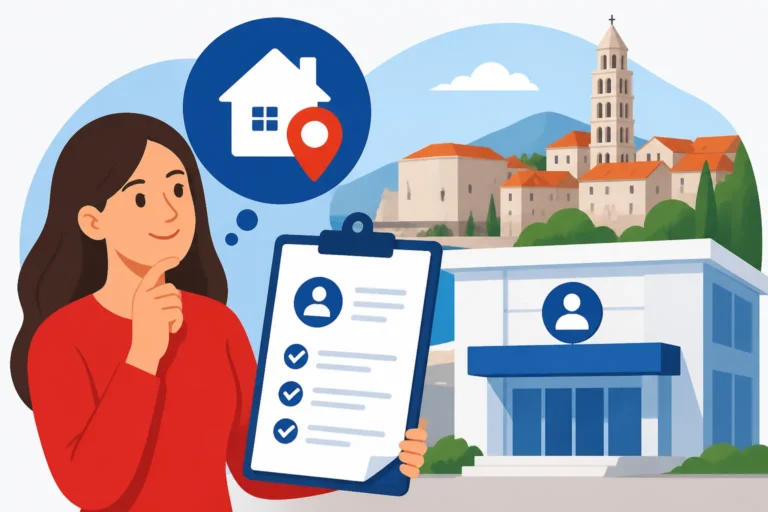
The best way to stay on top of all these expenses is to create a detailed checklist and continuously update it as you move through the purchase process. Don't rely on mental calculations; write everything down!
Here’s a typical breakdown you should consider:
| Cost Category | Estimated Percentage of Property Price | Notes |
|---|---|---|
| Purchase Price | 100% | The agreed-upon selling price. |
| Real Estate Transfer Tax | 3% | Mandatory tax for existing properties. Calculated on purchase price or market value (whichever is higher). |
| Notary Fees | 0.2% – 1.5% | Depends on property value, number of signatures, complexity (main contract authentication, pre-contract, power of attorney). Varies greatly. |
| Real Estate Agency Fee (Buyer) | 2% – 3% + 25% VAT | Typically charged to the buyer (and seller). Always clarify if fees include VAT and if they are negotiable. |
| Legal Fees (Lawyer) | 0.5% – 1.5% + 25% VAT | Highly recommended for due diligence, contract review, and representation. Percentage-based or fixed fee. |
| Bank Fees (if mortgaging) | 0.5% – 1% of loan amount | Loan arrangement fees, processing fees. |
| Property Valuation | €200 – €500 | Required by banks for mortgages. |
| Sworn Translation Costs | €30 – €60 per page | For any foreign documents (passports, certificates, powers of attorney) required in Croatian. |
| Official Document Fees | €50 – €150 | Ownership certificates, cadastre excerpts, energy certificates (if not provided by seller), OIB application assistance. |
| Currency Exchange Costs | Varies | Depending on your bank/service (e.g., using Wise or Revolut can reduce this). |
| Moving Costs | Variable | If relocating internationally, don't forget to budget for shipping furniture, flights, temporary accommodation. Companies like Sirelo can help estimate international moving costs. |
| Contingency Fund | 5% – 10% | Absolutely essential for unexpected issues or minor repairs needed immediately after purchase. |
| TOTAL ESTIMATE | ~108% – 120% of Purchase Price | This range is a rough guide. Your actual costs could be higher or lower depending on the specific property, location, and services you engage. |
This table provides a generalized estimate. Your specific costs might fall outside these ranges, so treat this as a starting point for your own research and consultations.
Strategies for Cost Management and Negotiation
While many of these costs are fixed by law or market practice, there are still ways to manage your budget and potentially save money:
- Research Thoroughly: The more you know, the better equipped you are to ask the right questions and challenge assumptions. Don't rely on a single source of information.
- Get Multiple Quotes: This applies particularly to real estate agents and lawyers. While price shouldn't be the only factor, comparing offers can give you leverage and ensure you're getting competitive rates for services.
- Understand What's Included: When negotiating the property price, clarify what, if anything, the seller is including (e.g., existing furniture, appliances). Sometimes, minor repairs or cleaning can be negotiated into the final price.
- Negotiate Agency Fees: While not always possible, sometimes an agent might be willing to slightly reduce their commission, especially for higher-value properties or if they are desperate to close a sale. It never hurts to ask politely.
- Independent Legal Counsel: This isn't about saving money, but about saving future money by avoiding costly mistakes. A good lawyer prevents expensive legal battles down the line.
- Use Cost-Effective Transfer Services: For international money transfers, avoid your traditional bank's high fees and poor exchange rates. Companies like Wise or Revolut offer competitive rates and can save you a significant amount on large sums.
- Plan for Your Move: Beyond the purchase, remember the costs of actually moving to Croatia. If you’re bringing your belongings from abroad, that’s a significant expense. Planning ahead with services that compare moving companies, such as Sirelo, can help you budget for the logistics of getting your life here. And for staying connected, don't forget about mobile data options like Airalo eSIMs when you first land.
The key to a successful and financially stress-free purchase in Croatia is preparation and a willingness to dig deep into every potential cost before you commit.
Navigating the Process: Practical Advice for Foreign Buyers
Buying property in a new country, especially one with a different language and legal system, can feel incredibly daunting. But with the right approach and a few key strategies, you can navigate the process with confidence and minimize potential pitfalls.
The Importance of Due Diligence and Expert Advice
I cannot stress this enough: due diligence is your best friend. Do not cut corners here, no matter how excited you are about a property. This is where your lawyer earns their fees.
- Consult Legal Professionals: Engage a reputable, independent Croatian lawyer before you sign anything, even a pre-contract. They will conduct thorough checks of the Land Registry (Zemljišne Knjige) to confirm the seller's ownership, verify that the property has a valid building permit, and check for any outstanding mortgages, liens, or other encumbrances that could affect your ownership. They'll also check the Cadastre (Katastar) to ensure the property boundaries and area match the legal documents. These checks are absolutely vital to ensure you're buying a clean title.
- Understand Zoning and Usage: Your lawyer should also help you understand the local zoning plan (prostorni plan) to ensure the property can be used for your intended purpose (e.g., residential, tourism, commercial) and if there are any restrictions on future construction or renovation. This is especially important if you plan to build or expand.
- Financial Advisors: If you're dealing with significant sums or complex tax implications (especially concerning your tax residency), consulting a Croatian tax advisor can save you headaches later. Understanding Tax Residency in Croatia: A Definitive Guide for Expats (2027) is critical.
- Get Your OIB Early: Your Personal Identification Number (OIB) is required for literally almost everything in Croatia, including buying property. You can't even get started without it. Make it one of your very first tasks upon deciding to purchase. It's relatively easy to get, but having it sorted removes a potential bottleneck.
Essential Communication and Local Support
Language barriers and a lack of local knowledge can be major hurdles. Proactive strategies for communication and building a local support network are crucial.
- Reliable Translators or English-Speaking Professionals: Unless you are fluent in Croatian, you will need reliable translation at various points. Ensure your lawyer and real estate agent (if using one) are proficient in English or that you have an independent, sworn court interpreter with you for crucial meetings and document reviews. Do not rely solely on Google Translate for legal documents.
- Build a Local Network: Beyond your immediate team (lawyer, agent), cultivate relationships with trusted locals. This could be a friend, a local notary you feel comfortable with, or even a community group of expats. They can offer invaluable insights, recommendations, and even help with small administrative tasks.
- Stay Connected: When you first arrive or are making frequent trips for the purchase, having reliable mobile connectivity is key. An eSIM service like Airalo can be a lifesaver, allowing you to have immediate data access without hunting for a local SIM card as soon as you land. This ensures you can communicate with your lawyer, agent, and check details on the go. Planning your relocation, especially if it's international, also means thinking about your belongings. Services like Sirelo can help you compare and organize international moving companies, giving you one less thing to stress about when you're caught up in property details.
- Patience and Persistence: Croatian bureaucracy can be slow, and things rarely happen as quickly as you might expect in your home country. Prepare for delays, remain patient, but also be persistent in following up. Your lawyer will be key in chasing various departments.
By approaching your Croatian property purchase with a realistic understanding of the costs, a proactive attitude towards due diligence, and a strong local support system, you’ll be much better positioned to successfully acquire your dream home and avoid those unpleasant surprises. Remember, the goal is not just to buy a property, but to buy it wisely and securely.
Disclaimer
Please note that the information provided in this guide is for general informational purposes only and does not constitute legal, financial, or tax advice. The laws and regulations in Croatia regarding property purchase and taxation can change. It is essential to consult with qualified Croatian legal professionals, real estate agents, and tax advisors for advice tailored to your specific situation before making any property decisions. While we strive to keep this information up-to-date, we cannot guarantee its complete accuracy or applicability to your individual circumstances.