How to Find a Reliable Real Estate Agent in Croatia
Navigating the real estate market in a new country can feel like trying to solve a Rubik's Cube blindfolded, and Croatia is certainly no exception. The challenge of finding a reliable real estate agent who truly understands your needs, speaks your language, and can genuinely guide you through the local intricacies – beyond just showing pretty apartments – is a common hurdle for expats. This comprehensive guide aims to demystify the process, helping you find a trustworthy professional who will be your advocate in securing your perfect Croatian home.
Why Finding the Right Agent in Croatia Is Crucial (and Challenging)
Let's be honest, moving to Croatia is exciting, but the administrative side can be a bureaucratic maze. The same goes for real estate. You might think any agent will do, but I'm here to tell you that finding the right one is paramount. This isn't just about finding a house; it's about making a significant financial and emotional investment in a new life.
Navigating the Local Market: More Than Just Listings
Croatia's real estate market has its own quirks, traditions, and unspoken rules that can easily catch out an unsuspecting foreigner. What looks straightforward online might be anything but in reality. For instance, you might find a fantastic listing in Split or Zagreb, only to discover later that the property has ownership issues, or that the "sea view" comes with a significant caveat of a new building planned directly in front of it.
A truly reliable agent doesn't just present you with properties from a database. They understand the pulse of the local market in your desired area, whether it's the specific nuances of the old town in Rovinj or the burgeoning neighborhoods of Rijeka. They know about future development plans, the true value of different street addresses, and whether that charming old stone house has been properly legalized after any additions or modifications. Without this insider knowledge, you're essentially flying blind, relying solely on surface-level information that might not tell the whole story.
Protecting Your Interests: Legalities and Red Tape
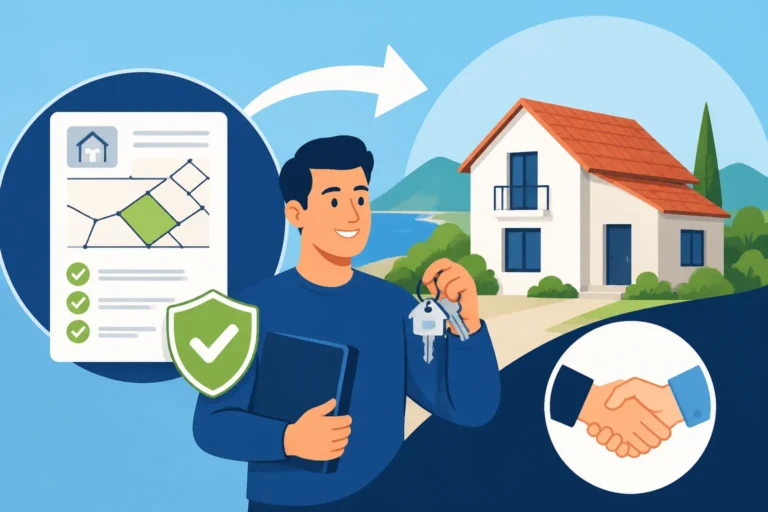
This is where things can get seriously complicated. The Croatian legal framework for property transactions, while robust, can be bewildering if you don't have a guide. From understanding the zemljišne knjige (land registry) and katastar (cadastre) systems to deciphering complex pre-purchase agreements, there's a lot to absorb. And let’s not forget the notorious "three-fourths ownership" or "undivided ownership" issues that can plague some older properties, making them difficult, if not impossible, to sell or renovate without the consent of multiple parties.
A good agent will not only flag these issues early on but will also have a network of trusted lawyers and notaries they can recommend to ensure your interests are protected every step of the way. They'll help you understand the implications of the real estate transfer tax (Porez na Promet Nekretnina) and ensure all necessary documents, like the energy performance certificate (energetski certifikat), are in order. This isn't just about avoiding problems; it's about ensuring a smooth, stress-free transaction that respects Croatian law and your peace of mind. Without an agent who prioritizes transparency and thoroughness, you could end up with a costly headache down the line.
Where to Begin Your Search for an Agent
So, you're convinced you need a great agent. But where do you even start looking? The digital age offers many avenues, but not all are created equal, especially when dealing with the nuances of Croatian property.
Online Portals and Directories: A Starting Point, Not an End
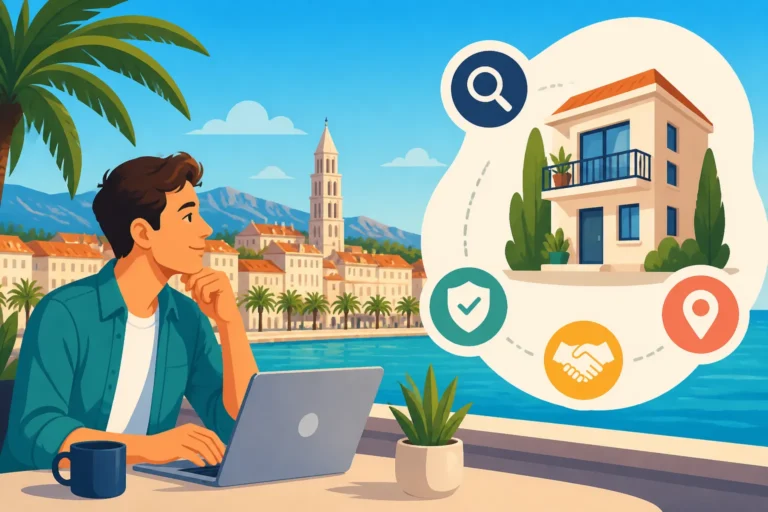
Many expats begin their property search online, and rightly so. Websites like Njuškalo, Indomio, and Crozilla.com are the go-to places for property listings in Croatia. They offer a vast array of apartments, houses, and land parcels across the country, often with photos and basic descriptions. These platforms are excellent for getting a general feel for the market, understanding price ranges in different areas, and identifying what types of properties are available. You can filter by location, price, size, and even features like a garden or parking.
However, treat these portals as just that: a starting point. While they connect you with agents who have listings, they don't vet the agents for their quality, reliability, or expat-friendliness. You might encounter agents who are slow to respond, lack English proficiency, or whose listings are outdated. Some agents might even have multiple listings for the same property, sometimes at slightly different prices, which can be confusing. It's crucial to remember that what you see online might not always reflect the full reality on the ground, and a pretty photo can mask underlying issues.
Expat Communities and Word-of-Mouth Recommendations
This is often where the real magic happens for expats. Fellow foreigners who have already navigated the Croatian real estate landscape are an invaluable resource. Online expat groups on platforms like Facebook (there are many active ones for Croatia, even specific cities like Zagreb, Split, or Istria) are goldmines for recommendations, warnings, and shared experiences. People are usually very candid about who they've had good (or bad) experiences with. You might find a dozen agents praised for their efficiency, language skills, and willingness to go the extra mile for international clients.
Don't underestimate the power of simply asking around. If you’re already in Croatia, strike up conversations with other expats at coffee shops, social gatherings, or even through language exchange groups. A personal recommendation carries far more weight than an online advertisement. Someone who has personally bought or rented through an agent and had a positive experience can tell you exactly what made that agent reliable. This network can also alert you to potential pitfalls or agents to avoid, saving you a lot of time and potential heartache. These communities are also great for general relocation advice, whether you're looking for tips on How to Set Up Electricity (HEP) in Your Croatian Home or just trying to figure out the best local café.
Local Networking and On-the-Ground Reconnaissance
If you have the luxury of time and are already in Croatia, I highly recommend getting out there and doing some old-fashioned legwork. Walk around the neighborhoods you're interested in. You'll often see "FOR SALE" (ZA PRODAJU) signs with agency names and phone numbers. Pop into local real estate offices. Even if you don't speak fluent Croatian, a good agent will make an effort to communicate, perhaps even calling an English-speaking colleague. This face-to-face interaction can give you an immediate impression of their professionalism and willingness to assist.
This kind of reconnaissance also allows you to see the properties in their immediate surroundings, get a feel for the neighborhood, and perhaps even chat with locals. They might have insights into local market dynamics or know agents who are particularly active and respected in that specific area. Remember, staying connected during this process is key, so make sure your phone is working, perhaps with an eSIM from a service like Airalo, allowing you to easily call agents or browse listings on the go without worrying about roaming charges. This hands-on approach, combined with digital tools, provides a much more holistic view of the market and potential agents. It’s also an excellent way to see properties that might not even be listed online yet.
Key Qualities to Look for in a Croatian Real Estate Agent
Once you start compiling a list of potential agents, how do you sift through them to find the true gems? It's not just about who has the most listings, but who possesses the right blend of skills, knowledge, and integrity.
Experience and Local Market Knowledge
A reliable real estate agent in Croatia isn't just someone who can open a door; they're a walking encyclopedia of the local market. They should have a deep understanding of property values in specific districts, the nuances of different types of constructions (e.g., traditional stone vs. modern builds), and the historical trends of price appreciation or depreciation. For instance, an agent specializing in Istria will know that a house in a village like Motovun has different value drivers than a seafront apartment in Poreč.
Beyond just prices, they should be able to explain the concept of kvadratura (square footage) in Croatia, which can sometimes be calculated differently than you're used to, including terraces or storage. They should also be well-versed in the specifics of buying property in a particular region, be it the coastal areas with their own set of regulations or inland areas with different agricultural land rules. This deep knowledge ensures they can accurately assess properties, negotiate effectively on your behalf, and provide realistic advice on what you can expect in terms of value and future potential.
Language Skills and Communication Style
For expats, this is a non-negotiable. While it's fantastic to learn Croatian, navigating complex legal documents and negotiation details requires clear, precise communication. An agent who is fluent in English (or your native language, if it's widely spoken) can save you from countless misunderstandings and frustrations. They should be able to explain intricate terms, translate vital information, and act as a true bridge between you and Croatian sellers, lawyers, and public notaries.
Beyond just fluency, consider their communication style. Do they respond promptly to emails and calls? Are they patient when explaining things you don't understand? Do they actively listen to your needs and preferences, or do they push properties that don't quite fit your criteria? A good communicator will keep you informed every step of the way, provide regular updates, and ensure you feel comfortable and understood throughout the entire process. This can make all the difference in a potentially stressful transaction.
Professionalism, Transparency, and Licensing
Professionalism is key, and in Croatia, it's also legally regulated. All legitimate real estate agents and agencies must be licensed by the Croatian Chamber of Economy (Hrvatska gospodarska komora – HGK) and registered in the official register of real estate agents. Don't be shy about asking for proof of their license, or even checking the HGK website yourself. This ensures they operate under a code of conduct and are legally permitted to mediate property transactions.
Transparency is equally vital. This means clear communication about their commission structure (typically a percentage of the sale price, often split between buyer and seller, but always clarify!), any additional fees, and full disclosure about any known issues with a property. A trustworthy agent will never pressure you into a decision or hide critical information. They should provide a clear written contract outlining their services and fees before you commit to working with them. If an agent seems evasive about costs or unwilling to put things in writing, consider it a major red flag. This also extends to how they handle the legal aspects, which you can learn more about in resources like How to Buy Property in Croatia as a Foreigner: The Full Guide (2027).
Empathy and Understanding Expat Needs
Moving abroad is a huge life event, and a truly exceptional agent understands that. They don't just see you as another client; they recognize that you're an expat navigating a new culture, a new language, and a new administrative system. This empathy translates into patience, understanding, and a willingness to go beyond the standard agent duties. They might offer insights into local schools if you have children, or advise on setting up utilities, topics that are crucial for settling in, as discussed in The Expat Guide to Setting Up Utilities in Croatia.
An agent with expat experience or who regularly works with international clients will anticipate your questions and concerns, offering support that extends beyond the property itself. They understand that you might need help with things like getting your OIB (personal identification number), finding a notary who speaks English, or even just explaining the local supermarket options. This holistic approach makes the entire relocation process smoother and less daunting. These agents become not just your property guide, but often your first crucial local contact in your new Croatian life.
The Interview Process: Questions to Ask Your Prospective Agent
Once you've narrowed down your list to a few promising candidates, it's time for the "interview." Treat this like hiring a professional service, because that's exactly what it is. Prepare a list of questions to ensure you're making an informed decision.
Understanding Their Services and Fees
This is often the first thing on an expat's mind, and rightly so. You need to know exactly what you're paying for and how much it will cost. Start by asking about their commission structure: Is it a flat fee or a percentage? Is it negotiable? Who pays the commission (buyer, seller, or both, and in what proportion)? In Croatia, it's common for agents to charge a commission of around 2-3% plus VAT from both the buyer and the seller, but this can vary. Clarify if their stated fee includes VAT, as this can make a significant difference.
Beyond the commission, inquire about any other potential charges. Do they charge for consultations, property viewings, or administrative assistance? Are there any hidden costs you should be aware of? A transparent agent will lay all these out clearly and willingly provide a written breakdown. They should also explain what services are included in their fee: Does it cover legal checks, assistance with the OIB application, or coordination with the notary? For some, this might also include referrals to relocation services, such as those offered by Sirelo, making the entire moving process more streamlined from property search to physically settling in. Knowing these details upfront prevents unwelcome surprises down the line.
Assessing Their Expertise and Network
A good agent leverages not just their own knowledge but also their professional network. Ask them about their specific experience in the area or type of property you're looking for. "How many properties similar to what I'm seeking have you successfully transacted in this region in the last year?" is a fair question. This demonstrates their practical experience. Also, inquire about their network of professionals. Do they have trusted lawyers specializing in real estate, public notaries, or surveyors they regularly work with?
This network is crucial. A complex property purchase might require the expertise of a construction engineer to assess structural integrity, an architect for renovation potential, or even a local planner to check zoning regulations. An agent who can connect you with reliable, English-speaking professionals in these fields is invaluable. They should also be able to provide references from past expat clients, which you can then follow up on to get a firsthand account of their service. These questions help you gauge their depth of knowledge and the breadth of their support system.
Discussing Your Specific Requirements and Timeline
Be as detailed as possible when communicating your needs and expectations. Outline your budget clearly, including any flexibility you might have. Specify your preferred locations, the type of property (apartment, house, land), the minimum number of bedrooms, desired amenities (parking, garden, balcony, sea view), and any non-negotiables. Don't be afraid to list your "deal-breakers" early on.
It's also important to discuss your timeline. Are you looking to move quickly, or do you have a more relaxed schedule? This helps the agent manage expectations and prioritize their search. For example, if you need to secure a residence permit soon, the agent might need to expedite the property search process. An agent who truly listens to these specifics and only presents properties that align with your criteria, rather than generic listings, is a strong indicator of a client-focused professional. They should be able to articulate how they plan to meet these requirements and what the realistic challenges might be in the current market.
Common Pitfalls and How to Avoid Them
Even with the best intentions, the Croatian real estate market can present challenges. Being aware of common pitfalls is your first line of defense.
Unlicensed Agents and Unclear Contracts
This is perhaps the biggest trap for unsuspecting foreigners. In Croatia, there are unfortunately individuals who operate as "agents" without the necessary licenses or professional integrity. These individuals might offer seemingly attractive deals or lower commissions, but they often lack the legal knowledge, insurance, and accountability of a legitimate agency. Working with an unlicensed person puts you at significant risk, as they might mishandle paperwork, provide incorrect advice, or even disappear with your deposit. Always verify an agent's license with the Croatian Chamber of Economy (HGK) – it's a quick and essential check.
Equally important is ensuring all agreements are in writing and crystal clear. This includes the agency agreement, the pre-purchase agreement (predugovor), and the final sales contract (kupoprodajni ugovor). Never sign anything you don't fully understand. If it's in Croatian, insist on a certified translation and have your own lawyer review it thoroughly. Ambiguous clauses, missing details about ownership, or vague promises are major red flags. A trustworthy agent will welcome your lawyer's involvement and ensure all documentation is transparent and legally sound, helping you understand crucial aspects like Understanding the Croatian Property Registry and Cadastre System.
The Temptation of "Too Good to Be True" Deals
We've all seen them: properties advertised at incredibly low prices in prime locations. While a good deal is always welcome, be extremely wary of anything that seems "too good to be true." In Croatia, this often signals underlying issues that could lead to significant problems. Common red flags include properties with unresolved ownership (meaning multiple heirs or unclear boundaries), properties built without proper permits (bespravna gradnja), or those with significant legal encumbrances (such as mortgages or liens that haven't been cleared).
A reliable agent will perform due diligence and disclose any such issues upfront. If an agent glosses over details, pressures you to act quickly without proper checks, or discourages you from seeking independent legal advice, step back. Purchasing a property with unresolved legal issues can tie you up in years of bureaucratic and legal battles, making it impossible to sell, renovate, or even gain full possession. Patience and thorough investigation are always better than rushing into a seemingly cheap deal that could cost you far more in the long run.
Communication Breakdowns and Cultural Misunderstandings
Even with an English-speaking agent, communication can sometimes be tricky due to cultural differences or simply a lack of understanding of expat perspectives. What might seem like a straightforward question to you could require a lengthy, convoluted explanation involving multiple bureaucratic steps in Croatia. Patience is a virtue, both for you and your agent. Sometimes, the directness you might be used to in your home country isn't the norm, and a more indirect approach is preferred.
It's vital to clarify everything, especially when discussing important financial or legal matters. Don't assume anything. If an explanation isn't clear, ask them to rephrase it or provide it in writing. Be aware that the pace of administrative processes in Croatia can be slower than you might expect, which can sometimes be misinterpreted as a lack of effort from your agent. A good agent will manage your expectations regarding timelines and keep you informed of any delays. Maintaining an open, understanding dialogue, even when things are moving slowly, is key to a successful partnership.
Finalizing Your Choice and Working Effectively with Your Agent
You've done your research, interviewed candidates, and now it's time to make a decision. This final step is about solidifying your choice and establishing a strong working relationship.
Due Diligence and Background Checks
Before you commit to an agent, it's wise to perform one last round of due diligence. This goes beyond just checking their license. Ask them for references from previous expat clients and take the time to contact them. A firsthand account from someone who has successfully bought or sold property with that agent can provide invaluable insights into their work ethic, responsiveness, and problem-solving abilities. You might also search for online reviews or mentions of the agency on expat forums. While not all online information is reliable, a pattern of overwhelmingly negative (or positive) feedback can be a strong indicator.
Furthermore, ensure they provide you with a written agency agreement that clearly outlines the services, fees, duration of the agreement, and termination clauses. Read this agreement carefully and, again, have your lawyer review it. Never proceed without a signed, clear contract. This ensures that both parties understand their rights and obligations and provides a legal framework for your working relationship. This thoroughness is especially important for major life changes, and can be compared to meticulously planning an international move using services like Sirelo to ensure everything is covered.
Setting Expectations and Maintaining Open Communication
Once you've chosen your agent, the real work begins. It's crucial to set clear expectations from the outset. Discuss how often you want updates, what method of communication you prefer (email, phone, messaging app), and how quickly you expect responses. While agents are busy, a good one will commit to a reasonable communication schedule. Be proactive yourself by providing feedback on properties they show you, even if they're not quite right. Explain why they don't fit; this helps your agent refine their search and better understand your preferences.
The real estate journey in Croatia can sometimes be a marathon, not a sprint. Maintaining open, honest, and respectful communication throughout the process is paramount. If you have concerns, voice them. If your needs change, inform your agent immediately. A strong partnership built on mutual trust and clear communication will greatly increase your chances of finding the right property and having a smooth transaction, whether you're looking for an apartment to rent (as covered in How to Find and Rent Long-Term Accommodation in Croatia) or a permanent home.
Preparing for the Purchase Process with Your Agent
Your agent's role extends well beyond finding properties; they are your guide through the entire purchase process. This involves several critical steps where their expertise and network will be invaluable. They will typically help you gather all the necessary documents, such as your OIB, which is your personal identification number essential for any financial or legal transaction in Croatia. If you don't have one yet, your agent should be able to guide you on How to Get Your OIB and Why It Matters for Healthcare Access, as it's vital for more than just property.
They should also assist in coordinating with the notary public who will officially witness and certify your signatures on the sales contract. They’ll work with the seller's agent (if applicable) and your lawyer to ensure the contract terms are fair and legally sound. After the purchase, they can even help you with the registration of the property in the land registry, which is the final step in becoming the legal owner. Their guidance through these administrative labyrinths will save you immense stress and ensure every legal formality is correctly observed.
Disclaimer
Please note that the information provided in this guide is intended for general informational purposes only and does not constitute legal, financial, or real estate advice. While we strive to provide accurate and up-to-date information, laws and procedures in Croatia can change. It is essential to consult with qualified legal and financial professionals, and a licensed real estate agent, for advice tailored to your specific situation before making any decisions related to property in Croatia.