How Do I Get My Foreign Car’s Technical Inspection Done in Croatia?
Bringing your beloved car with you to Croatia can feel like a fantastic idea, offering freedom and familiarity in a new land. However, the joy quickly fades when you realize that even if your car is perfectly roadworthy back home, Croatia has its own labyrinthine rules for vehicle registration and, crucially, technical inspection for foreign-plated cars that are being permanently imported. This guide aims to cut through the confusion and walk you through the often-frustrating process of getting your foreign car’s technical inspection done here.
The Initial Shock: Why Your Foreign Car Needs a Croatian Technical Inspection
You’ve arrived, perhaps driven across half of Europe, and your car is gleaming. It passed its last inspection in Germany, the UK, or the US with flying colours. So why, you ask, does Croatia insist on putting it through another rigorous "tehnički pregled"? Well, my friend, welcome to the wonderful world of Croatian bureaucracy, where local standards reign supreme.
Understanding the Mandate: Registration and Roadworthiness
The core reason your foreign car needs a Croatian technical inspection is inextricably linked to the process of officially importing and registering it in Croatia. Whether you're an EU citizen or from a third country, if you plan to keep your car in Croatia for longer than a temporary period (typically 6 months for non-EU, though rules vary and you should always check the latest MUP guidelines for your specific residence status), it needs to be Croatian-plated. This isn't just a suggestion; it's a legal requirement. The technical inspection, known as "tehnički pregled vozila," is the essential gatekeeper, ensuring that your vehicle meets all Croatian and EU safety, environmental, and roadworthiness standards before it can be registered.
It’s more than just a quick look-over. Croatian vehicle inspection centres are thorough. They're checking everything from emissions (which can be a real sticking point for older cars or those from countries with different standards) to brakes, lights, tires, steering, suspension, and even the tint of your windows. They're making sure your vehicle, once it receives Croatian plates, is fully compliant and won't be a hazard on the local roads. This system is designed to maintain a consistent level of safety and environmental protection across the country, aligning with broader EU directives. Without passing this inspection, you simply cannot proceed to the next steps of obtaining Croatian registration, paying the necessary duties, and getting your shiny new Croatian license plates. It’s the foundational step that everything else rests upon.
The Bureaucratic Maze: What to Expect
Let's be real, navigating any administrative process in a new country can feel like solving a Rubik's Cube blindfolded, and getting your foreign car through a Croatian technical inspection is no exception. The process often involves multiple visits to different institutions, mountains of paperwork, and a fair amount of patience. You might start at one office, only to be told you need a document from another, which then sends you back to the first one for a stamp you didn't even know existed. It's a dance, and sometimes you feel like you've got two left feet.
First, you'll need to deal with the customs administration (Carinska uprava) if you're importing from outside the EU or if you’ve recently obtained residence after your car entered the country. They’ll assess import duties and VAT, unless you qualify for an exemption, such as relocating your personal belongings. Then, there's the Center for Vehicles of Croatia (Centar za vozila Hrvatske, CVH), which oversees the technical inspection stations and provides crucial information and often the initial "homologation" or conformity check for non-EU vehicles. After that, you head to the technical inspection station itself, followed by the MUP (Ministry of Interior) for actual registration, and finally, your insurance provider. Each step has its own forms, fees, and waiting times.
Expect to spend significant time, not just at the physical locations, but also in researching the exact requirements for your specific vehicle and your specific situation. Are you moving from another EU country? Different rules apply. Are you bringing an older car from the US? Get ready for potential modifications. The key here is persistence and methodical organization. Don't be afraid to ask for clarification, even if it feels like you're asking the same question for the fifth time. This is where having your phone fully charged and perhaps an Airalo eSIM ready for quick translations and online searches can really come in handy, especially when you're standing in a queue wondering what the person in front of you just said about a missing stamp.
Navigating the "Tehnički Pregled": Step-by-Step Process
Okay, deep breaths. You know it needs to be done. Now, let’s get down to the brass tacks of how to actually get your foreign car through the Croatian technical inspection. This isn't just about showing up; it's about showing up prepared.
Required Documents: Don't Forget a Single Paper!
This is where many expats stumble, myself included, on countless other bureaucratic tasks. Croatian authorities love their paperwork, and a missing document means a wasted trip and starting over. For a foreign car undergoing its first Croatian technical inspection for registration, you're going to need a robust portfolio of papers.
Here's a general list, but always confirm with your chosen technical inspection station or the CVH directly before you go:
- Your Personal Identification: Your valid passport or national ID card.
- Your OIB: Your Croatian Personal Identification Number. If you don't have one yet, you'll need to secure this first. You can find out more about How to Get an OIB (Personal Identification Number) in Croatia.
- Proof of Croatian Residence: Your temporary or permanent residence permit (boravišna iskaznica). This shows you're legally entitled to register a vehicle here. More on this process can be found in our guide on Registering Your Residence in Croatia: The Complete MUP Guide.
- Original Foreign Vehicle Registration Documents: This includes the full title, registration certificate, and any other official documents proving ownership and the car's specifications from your home country. Ensure these are originals, not copies.
- Certificate of Conformity (COC) or Homologation Document: For EU vehicles, a COC certificate is crucial. This document proves your car meets EU standards. If your car is from a non-EU country (like the US, Canada, Australia), you will likely need to undergo a homologation process at the CVH. This process confirms your vehicle's compliance with Croatian/EU technical standards and may require specific modifications before the actual inspection. This is often the most complex and expensive part.
- Proof of Acquisition/Ownership: A bill of sale or purchase agreement.
- Customs Declaration (for non-EU vehicles): Proof that you’ve paid any necessary import duties and VAT, or that you're exempt (e.g., if moving personal effects).
- Proof of Insurance: While you can’t get Croatian insurance until the car is registered, they might ask for proof of current valid international insurance if your car is still on foreign plates.
- Prior Technical Inspection Certificates (if available): Any recent technical inspection reports from your home country can sometimes be helpful, especially for demonstrating a maintenance history, though they won't replace the Croatian requirement.
It's a lot, I know. My advice is to create a dedicated folder, physical and digital, for all car-related documents. And when you head to the station, bring everything you possibly can, just in case.
Finding a Technical Inspection Station (Stanica za Tehnički Pregled)
Once your documents are in order (or at least you think they are!), your next step is to locate a technical inspection station. These stations are run by authorized companies under the oversight of the CVH. They are numerous and can be found in most towns and cities across Croatia. You'll typically see "Stanica za Tehnički Pregled Vozila" signs prominently displayed.
You can often find a list of approved stations on the CVH website, or a quick Google search for "tehnički pregled [your city]" (e.g., "tehnički pregled Zagreb" or "tehnički pregled Split") will yield results. While many stations offer similar services, some might have staff more accustomed to dealing with foreign vehicles and their specific quirks, especially if it's a model not commonly seen in Croatia. Don't be shy to call ahead. Ask if they have English-speaking staff if your Croatian isn't up to par yet, and explain that you're bringing a foreign-plated vehicle for initial registration. This can save you a lot of hassle.
When you arrive, you’ll present your documents at the reception. They will enter your vehicle's details into their system and provide you with a payment slip for the inspection fee. The cost varies slightly depending on the vehicle type, but expect to pay a few tens of euros for the inspection itself, potentially more if it's a more complex initial homologation process. Once paid, you'll be directed to a specific bay where the inspection will take place. This is usually where you hand over your keys and wait while the technicians do their work.
The Inspection Itself: What They Look For
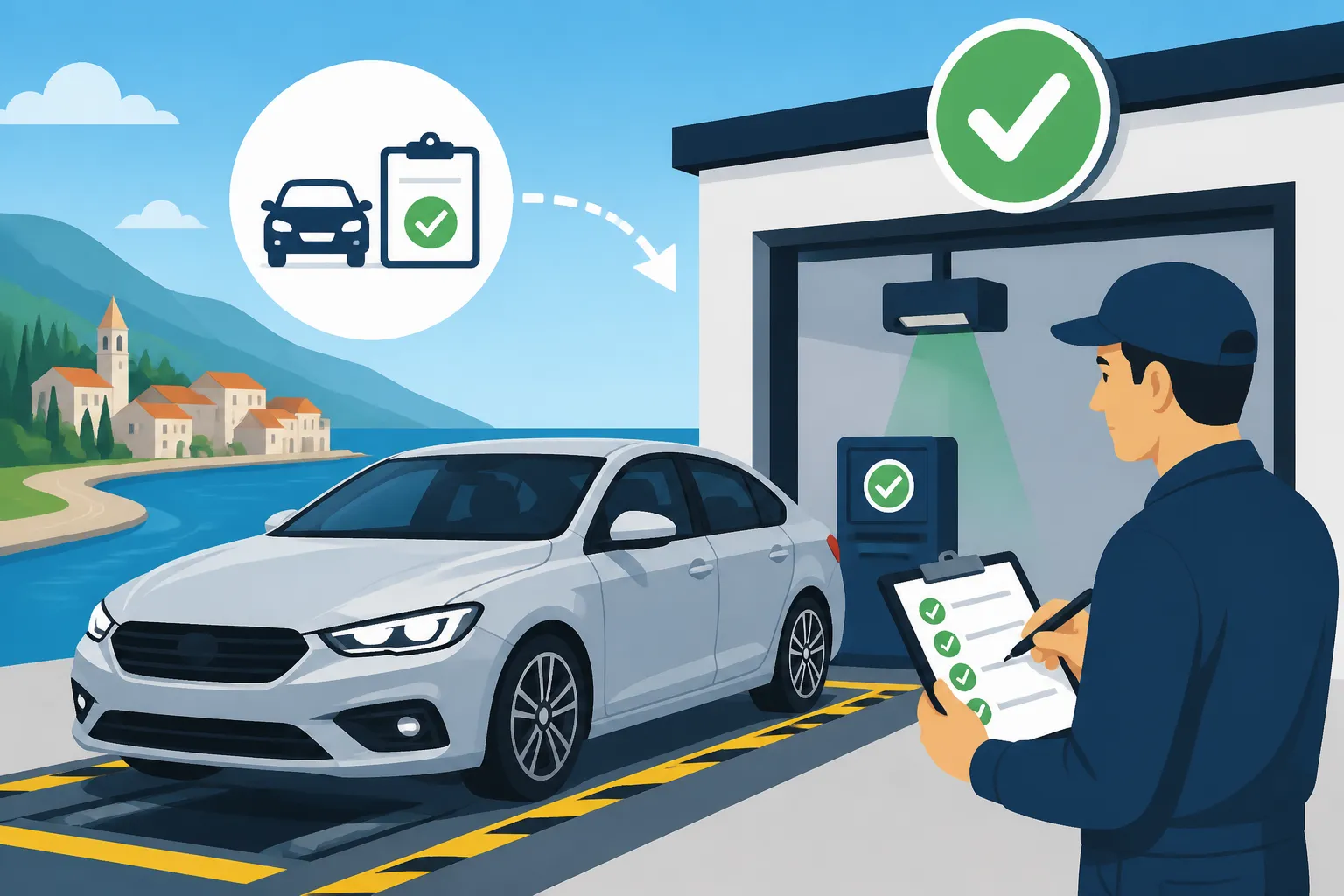
The technical inspection is comprehensive. Think of it as a full health check for your car, but with a strict grading system. The technicians are looking for conformity with Croatian and EU standards, ensuring your car is safe and environmentally sound. They will inspect:
- Vehicle Identification: Chassis number (VIN), engine number, and registration plates must match the documentation.
- Lighting System: Headlights (alignment, intensity, colour), turn signals, brake lights, reverse lights, and hazard lights are all checked. Any non-EU headlight patterns might need modification.
- Braking System: They'll test both service brakes and parking brakes on a rolling road. Even minor imbalances can lead to a fail.
- Steering System: Checks for excessive play, damage, and proper functioning.
- Suspension and Wheels: Shock absorbers, springs, wheel bearings, and tire condition (tread depth, damage, appropriate load/speed ratings).
- Exhaust System and Emissions: This is a big one. They'll measure exhaust gases to ensure they meet environmental standards. Older cars, or those from regions with less stringent emission controls, might struggle here.
- Bodywork and Chassis: Integrity, rust, and any signs of damage that might compromise safety.
- Windshield Wipers and Washers: Proper function and clear visibility.
- Safety Equipment: Seatbelts, horn, and often the presence of a first-aid kit, warning triangle, and spare tire/repair kit (though requirements can sometimes be specific to Croatia, so best to check what's needed for Croatian-registered cars).
- Fluid Leaks: Any significant leaks of oil, coolant, or brake fluid.
The inspection usually takes about 30-60 minutes, depending on the vehicle and the station. You typically wait in a designated area. Once complete, you’ll receive a report stating whether your vehicle has passed or failed, and crucially, any issues that need to be rectified if it failed. Remember, they're not just looking for major faults; even minor non-conformities can result in a "failed" status. This can be especially frustrating if you’re used to different standards, so preparing your car thoroughly beforehand is key.
Common Pitfalls and How to Avoid Them
Even with all the documents and preparation, getting a foreign car approved in Croatia can throw a few curveballs. Knowing these common pitfalls can help you brace yourself and potentially save time and money.
Language Barriers and Local Nuances
Unless you're fluent in Croatian, the language barrier can be a significant hurdle. While many younger staff at technical inspection stations might speak some English, don't count on it. Technical terms, specific instructions, or explanations of why your car failed can be hard to grasp, leading to misunderstandings and frustration. I've heard countless stories of expats leaving appointments feeling utterly confused about the next steps.
Solution:
- Bring a Croatian Speaker: If possible, bring a Croatian friend, colleague, or even hire a translator for your visit. This is perhaps the single most effective way to ensure clear communication.
- Use Translation Apps: Have Google Translate or a similar app ready on your phone, especially the voice translation feature. While not perfect, it can bridge significant gaps.
- Be Patient and Polite: Even when frustrated, maintaining a calm and respectful demeanor can go a long way. Croatian service providers generally appreciate politeness, and it might encourage them to try harder to communicate with you.
- Visual Aids: If they point out a specific issue on your car, ask them to show you. Seeing the problem can often clarify what needs fixing more than a verbal explanation.
Remember, the staff aren't trying to be difficult; they're just doing their job according to local regulations. Understanding Navigating the Croatian Healthcare System: An Expat's Roadmap (2027) offers insights into dealing with various systems, and the principle of patience and preparedness applies across the board.
Preparing Your Car for the Croatian Standards
Many cars, especially those from outside the EU, might not meet Croatian/EU standards directly off the boat. This isn't necessarily about the car being faulty, but about differences in regulations. For example, some US-spec cars might have red turn signals at the rear, whereas EU standards require amber. Headlight beam patterns are another common issue. Emissions standards can also vary significantly, especially for older models.
Solution:
- Pre-Inspection Check-up: Before you even go to the official technical inspection, take your car to a trusted local mechanic. Explain that you need it prepared for "tehnički pregled" and specifically mention it's a foreign car. A good mechanic, especially one accustomed to foreign vehicles, can identify potential issues and make necessary adjustments (e.g., headlight alignment, minor electrical fixes, ensuring all lights work).
- Research Specifics for Your Car Model: Search online for forums or groups of expats who have imported the same make and model of car into Croatia or the EU. They often have invaluable tips on common issues and required modifications.
- Homologation Early: If you're coming from a non-EU country, start the homologation process with CVH as early as possible. They will tell you exactly what modifications are needed for your specific vehicle to comply. This might involve ordering specific parts, which can take time and money. For example, a friend bringing his classic American muscle car had to entirely swap out his headlights and taillights for EU-compliant versions, a costly and time-consuming endeavour.
- Cleanliness: A clean car (inside and out) implies you care for your vehicle. While not a direct technical requirement, it sets a positive impression.
Dealing with a Failed Inspection
It happens. Your car fails the inspection. Don't panic, but don't ignore it either. The inspection report will list the exact reasons for the failure. You'll typically have a grace period (often 15 days, but confirm this) to fix the issues and bring the car back for a re-inspection of only the failed items.
Solution:
- Understand the Report: Ensure you fully understand why your car failed. If there's a language barrier, insist on clarification or have your Croatian-speaking friend help.
- Find a Competent Mechanic: Take the failed inspection report directly to a mechanic. Emphasize that these are the specific points that need addressing to pass the "tehnički pregled." Get a quote for the repairs.
- Swift Action: Don't delay. Get the repairs done as quickly as possible within the given timeframe. If you miss the re-inspection deadline, you might have to pay for and undergo a full inspection again, which is frustrating and expensive.
- Documentation of Repairs: Keep all receipts and documentation from your mechanic for the repairs. While usually not required for the re-inspection, it's good practice and can be helpful in unusual circumstances.
Beyond the Inspection: Registration and Insurance
Passing the technical inspection is a huge milestone, but it's not the final step. There are still a couple more administrative hoops to jump through before you're legally cruising Croatian roads with local plates.
The Link to Croatian Vehicle Registration
Once your car successfully passes the technical inspection, you will receive a certificate (Potvrda o tehničkoj ispravnosti vozila) confirming its roadworthiness. This certificate is absolutely essential for the next step: vehicle registration at the Ministry of Interior (MUP). The MUP is responsible for issuing your Croatian license plates and the official registration document (Prometna dozvola).
The process at the MUP involves:
- Presenting Documents: You'll need the passed technical inspection certificate, your OIB, proof of residence, proof of ownership (from your home country and any homologation documents), and customs clearance papers (if applicable). This is a great time to ensure you have all your documents relating to How to Register a Car in Croatia as a Foreigner.
- Paying Fees: You'll pay various administrative fees, road taxes, and potentially an environmental tax, depending on your car's age and emissions. These can add up, so factor them into your budget. Our guide on The Cost of Healthcare in Croatia: A Complete Breakdown for Foreigners (2026) discusses costs in another sector, but generally, expect various fees when dealing with government services.
- Receiving Plates and Documents: Once all fees are paid and documents are verified, you'll be issued your new Croatian license plates and the Prometna dozvola, which is your car's official Croatian identity document. Make sure to double-check all details on the document are correct before leaving the MUP.
This entire process, from initial technical inspection to receiving your plates, needs to be done within a specific timeframe once your vehicle permanently enters Croatia or once your residency is established. Ignoring these deadlines can lead to fines or complications, so stay on top of it. Companies like Sirelo offer general relocation guides, and while they might not handle car registration directly, their resources often emphasize planning and checklist management, which is vital here.
Insurance Requirements for Foreign-Plated Cars
Having valid vehicle insurance is a non-negotiable legal requirement in Croatia, just as it is almost everywhere else. Once your car has successfully passed the technical inspection and is ready for Croatian registration, you must secure a Croatian insurance policy.
- Mandatory Third-Party Liability (Obvezno osiguranje): This is the minimum required insurance. It covers damages you might cause to other vehicles or property in an accident, as well as injuries to third parties. You cannot register your car without proof of this insurance.
- Finding a Provider: Many insurance companies operate in Croatia, including local powerhouses like Croatia Osiguranje and international players like Generali and Allianz. It's wise to get quotes from several providers, as prices can vary. Factors like your car's make, model, age, engine size, and your driving history will influence the premium.
- Types of Coverage: Beyond the mandatory third-party liability, you can opt for additional coverage such as comprehensive insurance (kasko osiguranje), which covers damage to your own vehicle, theft, fire, and more. This is highly recommended, especially given the cost of vehicle repairs.
- No Claims Bonus (NCB): If you have a long history of no claims from your home country, some Croatian insurers might recognize a portion of your no-claims bonus, potentially reducing your premium. You'll need to provide official, translated documentation from your previous insurer to prove this. Be prepared for some back and forth on this, as not all insurers are equally flexible.
The insurance policy is typically paid annually, and proof of valid insurance is required for your annual technical inspection and registration renewal. Without it, you simply won't be able to keep your car on Croatian roads legally.
Navigating the technical inspection and subsequent registration of your foreign car in Croatia is definitely a journey, not a sprint. It demands patience, meticulous organization, and a willingness to engage with the system. But once you have those Croatian plates, the freedom of exploring this beautiful country in your own car makes it all worthwhile!
| Document/Process Step | Description | Required for Whom | Estimated Time (Preparation/Wait) |
|---|---|---|---|
| OIB | Croatian Personal Identification Number | All foreigners | 1-2 weeks |
| Residence Permit | Proof of legal residency in Croatia | All foreigners | Varies (weeks to months) |
| Foreign Car Documents | Original title, registration, proof of ownership from home country | All foreign cars | Already have |
| Certificate of Conformity (COC) | Proof vehicle meets EU standards (for EU cars) or Homologation Report (for non-EU cars) | All foreign cars (specifics vary by origin) | 2-4 weeks (if homologation needed) |
| Customs Clearance | Proof of paid import duties/VAT or exemption | Non-EU cars (or cars recently imported when residency started) | 1-2 weeks |
| Technical Inspection (Tehnički Pregled) | Comprehensive check for roadworthiness and compliance with Croatian/EU standards | All cars for initial Croatian registration | 1-2 hours (inspection) |
| Insurance Policy | Mandatory third-party liability insurance from a Croatian provider | All cars for Croatian registration | 1-2 days (to obtain) |
| Vehicle Registration (MUP) | Final step to obtain Croatian license plates and registration document | All cars for initial Croatian registration | 1-3 hours (at MUP) |
Disclaimer
The information provided in this article is intended for general guidance only and does not constitute legal or professional advice. While we strive to ensure the information is accurate and up-to-date, regulations in Croatia regarding vehicle import, technical inspection, and registration can change frequently. It is always recommended to consult directly with the relevant Croatian authorities (such as the Ministry of Interior – MUP, the Center for Vehicles of Croatia – CVH, and the Customs Administration – Carinska uprava) or a qualified local expert for advice tailored to your specific situation. We cannot be held responsible for any inaccuracies or for actions taken based on the information provided herein.