Can I Renew My Croatian Residence Permit from Abroad?
Oh, the infamous Croatian residence permit renewal! It's one of those bureaucratic dances that can make even the most seasoned expat want to tear their hair out, and the thought of trying to manage it from outside Croatia? That's a whole new level of anxiety. This guide is here to shed some light on the often confusing and frustrating process of renewing your Croatian residence permit, especially when you're not physically in the country, offering realistic expectations and actionable advice.
The Core Question: Can You Renew from Abroad?
Let's cut right to the chase, because this is often the biggest stress point for expats: can you actually renew your Croatian residence permit while you're physically outside of Croatia? The short answer, and the general rule you'll hear from the Ministry of Interior (MUP), is almost always no. This can be incredibly frustrating, especially if you've had to travel for work, family emergencies, or simply hoped to manage your affairs remotely, as many of us are now accustomed to in other aspects of our lives. You expect a straightforward online process like you might find in more digitally advanced administrations, but Croatia often operates on a different rhythm.
Understanding the General Rule
The standard, official MUP stance is that you must be physically present in Croatia to renew your temporary residence permit (known as privremeni boravak). Why? There are a few key reasons. Firstly, you typically need to visit the MUP department in person to submit your application. This isn't just a formality; it's where they verify your identity, check original documents, and most critically, collect your biometric data for your new residence card. For anyone who has gone through the initial application process, you’ll remember the fingerprinting and photo session – these steps are not usually waived for renewals. The MUP wants to see you, physically present, ensuring that you are indeed the person applying and that you continue to meet the conditions for residence. This insistence on in-person presence can feel incredibly archaic in a world that increasingly allows for remote administration, leaving many expats feeling stuck or forced to make expensive, last-minute trips back to the country.
Exceptional Circumstances and Who Qualifies
Now, like many rules in bureaucracy, there are always whispers of exceptions. However, it's crucial to understand that these exceptions are genuinely exceptional and not something you should count on. They are typically reserved for very specific, compelling reasons and are not a standard pathway for renewal. We're talking about situations that prevent you from physically returning to Croatia through no fault of your own, such as:
- Serious Medical Conditions: If you're abroad undergoing urgent medical treatment that makes travel impossible or highly risky, and you can provide extensive, verified medical documentation. This isn't a minor cold; it needs to be a severe, life-threatening, or highly incapacitating condition.
- Humanitarian Reasons: In rare cases of extreme humanitarian crisis or force majeure, where your ability to return is genuinely obstructed. Think natural disasters, political instability in your current location, or other unforeseen catastrophic events that directly impact your ability to travel.
- Specific Work Assignments: In some highly specialized scenarios, usually involving state-sponsored projects or specific international agreements, where an individual on a work permit is temporarily deployed abroad by their Croatian employer and their physical return would severely jeopardize the project. This is incredibly rare and usually involves direct communication between the Croatian government and the foreign entity, not a standard individual request.
Even in these "exceptional" scenarios, the burden of proof is incredibly high. You would need to provide ironclad documentation, often translated and notarized, explaining exactly why you cannot return. Even then, MUP retains the ultimate discretion, and there’s no guarantee your request will be approved. It's not a loophole you can easily exploit; it's a desperate measure for desperate times. Don't plan your permit renewal strategy around these rare possibilities.
The Challenges and Realities of Renewing Remotely
The general rule against remote renewal isn't arbitrary; it's tied to the practicalities and legal requirements of the Croatian immigration system. These aren't just minor inconveniences; they are significant roadblocks that can derail your entire plan if not properly understood.
Bureaucratic Hurdles and Required Documentation
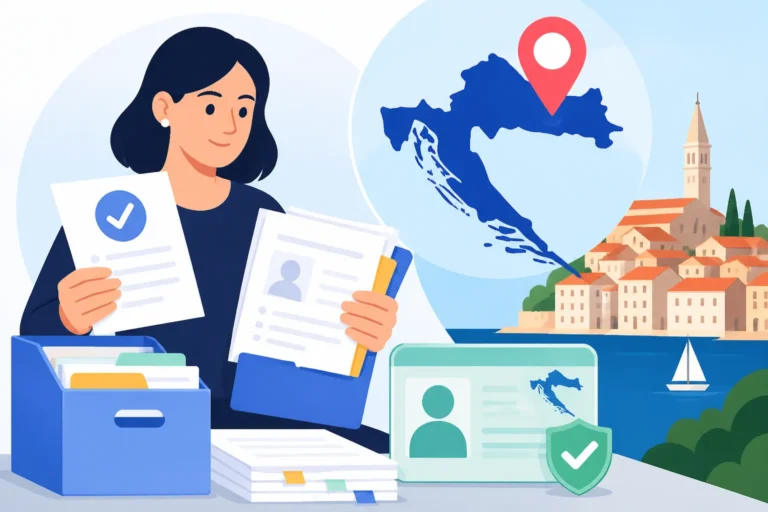
When you apply for a residence permit renewal, whether it's your initial temporary one or you're seeking a permanent residence status, you need to present a complete set of documents, many of which are originals. This typically includes proof of accommodation, sufficient funds, and most importantly, valid health insurance, such as what providers like Cigna Global offer, or proof of registration with the Croatian Health Insurance Fund (HZZO). Beyond the standard paperwork, the MUP also needs to take your biometrics – fingerprints and a digital photo – for your new boravišna iskaznica, or residence card. This simply cannot be done remotely. Furthermore, depending on your permit type, you might be asked specific questions or even require a brief interview to confirm your continued eligibility. Imagine trying to coordinate the submission of original documents, getting fingerprints taken, and sitting for an interview from a different country and time zone. The logistical nightmare alone makes it almost impossible. The system is designed for in-person interaction, making any deviation an uphill battle. If you're curious about what documents are generally needed, you can find a comprehensive list in guides like How to Prepare Documents for a Croatian Residence Application.
The Role of Embassies and Consulates
Many expats, when faced with the "in-person" requirement, naturally think of their local Croatian embassy or consulate. Surely they can help, right? Unfortunately, for residence permit renewals, their capacity is quite limited. Croatian embassies and consulates abroad are primarily there to process visa applications, assist Croatian citizens, and handle certain consular services, but they generally do not process residence permit renewals for non-Croatian citizens. Their role in residence permits for foreigners typically ends with the initial long-stay (Type D) visa application that allows you to enter Croatia and apply for your first temporary residence permit. They are not equipped with the biometric scanning technology, nor are they authorized to adjudicate residence applications, which is strictly the MUP's domain within Croatia. Attempting to go through an embassy for a renewal is almost always a dead end, and you'll likely be politely, but firmly, redirected to the MUP in Croatia. This can be a disappointing realization after hoping for a helpful intermediary.
Potential Delays and Uncertainty
Even when you are physically in Croatia, the MUP process can be famously unpredictable in terms of processing times. Renewing your Croatian residence permit can sometimes take weeks, or even months, depending on the MUP office, the time of year, and the complexity of your case. Imagine trying to navigate this with an expiring permit while you're thousands of miles away. The uncertainty alone is enough to cause significant stress. You'd be living in a constant state of limbo, unsure if or when you'll be able to return to Croatia legally. This is why planning ahead is crucial; don't wait until the last minute if you plan on leaving the country before your renewal. Guides like How Long Does It Take to Get a Croatian Residence Permit? can give you a better idea of expected timelines.
Strategies for a Smoother Renewal Process (Even if Not from Abroad)
Given the difficulties of renewing from abroad, the best strategy is always to ensure you renew your permit while you are physically present in Croatia. This requires proactive planning and a clear understanding of the process.
Planning Ahead and Monitoring Expiry Dates
The most crucial advice any veteran expat will give you is to start early! Croatian bureaucracy is not known for its speed, and immigration matters are no exception. Set reminders for at least 2-3 months before your permit's expiry date. This gives you ample time to gather all necessary documents, book a MUP appointment (which can sometimes be a challenge, as outlined in How to Book an Appointment at the MUP for Immigration Matters), and account for any unexpected delays or requests for additional paperwork. If you need to travel, try to schedule your trips around your renewal window, ensuring you’re back in Croatia with plenty of time to spare. A common mistake is to assume you can just pop into MUP a week before expiry; this is a recipe for stress and potential issues.
Gathering Essential Documents
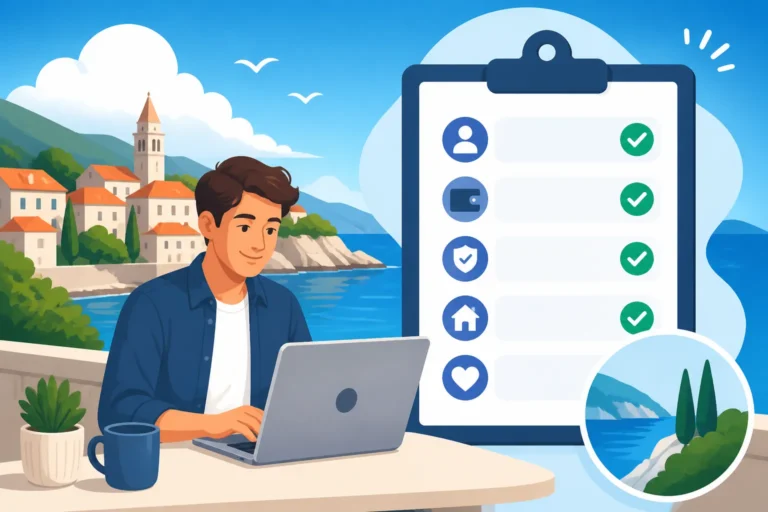
Before you even step foot in the MUP, make sure your document dossier is impeccable. This typically includes:
- Application Form: The official form, usually available online or at MUP.
- Valid Passport: The original and a copy. Ensure it has sufficient validity beyond your requested permit period.
- Proof of Funds: Bank statements or salary slips showing you have adequate means of support.
- Proof of Accommodation: A rental contract or property ownership document.
- Health Insurance: Valid health insurance, either through HZZO or private providers. If you’re self-employed or a digital nomad, this is particularly important, and solutions like those from Cigna Global are often popular with expats. Make sure you understand What Health Insurance Do I Need for a Croatian Residence Permit?
- Reason for Residence: Depending on your permit type (work, study, family reunification, digital nomad), you’ll need supporting documents for that category. For example, a new work contract or updated digital nomad declaration. For those on a digital nomad permit, specifically check the latest How to Apply for a Croatian Digital Nomad Permit guide for relevant updates.
Always bring originals and copies of everything. MUP officers often want to see the originals and will keep the copies. Double-check all expiry dates on documents, translations, and apostilles if required.
Seeking Professional Assistance
For some, the complexity of Croatian immigration law and the MUP process can be overwhelming. This is where professional assistance can be invaluable. An immigration lawyer or a reputable expat service provider can help you:
- Navigate the Bureaucracy: They understand the specific requirements, potential pitfalls, and unspoken rules.
- Ensure Documentation is Correct: They can review your documents to ensure everything is in order and properly translated/notarized.
- Liaise with MUP: In some cases, they can communicate with MUP on your behalf, especially for complex cases, though you'll still need to be present for biometrics.
- Expedite the Process (where possible): While no one can truly "speed up" MUP, having all your ducks in a row with professional guidance minimizes delays caused by incomplete or incorrect applications.
While they can’t magically bypass the in-person requirement, they can make the overall process significantly less stressful. For those moving with significant belongings, companies like Sirelo often provide assistance, and they might also have connections to local support services that can guide you through these administrative hurdles.
What to Do If Your Permit Expires While You're Abroad
Despite all best intentions, sometimes life throws a curveball, and you find yourself abroad with an expiring or already expired Croatian residence permit. This is a tough spot, and it requires careful handling.
Re-applying vs. Renewing
If your permit expires while you are outside of Croatia, you are generally no longer eligible for a "renewal." Instead, you will almost certainly have to re-apply for a new temporary residence permit from scratch. This means going through the entire process as if it were your very first application. You'll likely need to start at a Croatian embassy or consulate in your current country of residence (or your home country, depending on where you're currently legally residing) to apply for a long-stay (Type D) visa to enter Croatia. Once in Croatia, you'd then follow the steps for a new temporary residence application at the MUP. This is a much longer and more involved process than a simple renewal, and it comes with all the associated costs and uncertainties of a first-time application. Understanding this distinction is critical – don't mistakenly believe you can just pick up where you left off.
Visa Requirements for Re-entry
If your permit has expired, you cannot simply re-enter Croatia on the assumption that you'll renew it. Your legal basis for residence is gone. For non-EU/EEA citizens, this means you must apply for a new visa if one is required for your nationality to enter Croatia. Croatia is part of the Schengen Area, so you'll be subject to the 90/180-day rule for tourist stays. Even if you're from a visa-exempt country, entering as a tourist and then attempting to apply for residence can be problematic. While it's sometimes possible, MUP prefers that you apply for your Type D visa (or directly for residence, if your nationality allows it from within Croatia) with the clear intention of seeking residence, not just entering as a tourist and changing your mind. It can raise questions about your initial intent. Always check the current Understanding Schengen Rules for Croatia After 2023 for the latest information on entry requirements.
Consequences of Overstaying or Lacking a Valid Permit
Let's be very clear: overstaying your permit or residing in Croatia without a valid permit is a serious offense. If your permit expires and you remain in Croatia, you are technically undocumented. This can lead to:
- Fines: Significant financial penalties.
- Deportation: You could be ordered to leave the country.
- Entry Bans: You might face a ban from re-entering Croatia or the entire Schengen Area for a certain period, which could jeopardize future travel plans across Europe.
- Loss of Rights: Without a valid permit, you lose access to public healthcare (if you were covered by HZZO), the ability to work, and other basic rights associated with legal residence.
Even if you are abroad and your permit expires, attempting to re-enter without proper documentation or a new visa can lead to issues at the border. The MUP system tracks departures and arrivals, and they will know if you've overstayed or if your previous permit has lapsed. Avoid this precarious situation at all costs by prioritizing your renewal.
Key Takeaways and Best Practices
Navigating immigration in Croatia as an expat requires diligence, patience, and a good sense of humor. While renewing your residence permit from abroad is generally not an option, there are clear best practices to ensure you stay on the right side of the law and minimize stress.
Prioritize On-Time Renewal in Croatia
This cannot be stressed enough: the absolute best and most reliable way to renew your Croatian residence permit is to be in Croatia and apply well in advance of your current permit's expiration date. Mark your calendars, set multiple alarms, and treat it as a non-negotiable administrative task. Gather all your documents, make your MUP appointment, and submit your application with plenty of buffer time. Do not travel abroad when your permit is due for renewal or if it's nearing its expiry date without having completed the renewal process or having a clear plan for return. The MUP process for The Expat Guide to Temporary Residence (Privremeni Boravak) in Croatia is designed to be completed in person.
Maintain Valid Health Insurance
Regardless of your residence status or where you are in the world, maintaining valid health insurance is not just a good idea; it's a mandatory requirement for almost all residence permit types in Croatia. Whether it's through the public HZZO system or a private plan, you'll need to demonstrate continuous coverage during your residence period and for your renewal application. Companies like Cigna Global offer plans specifically designed for expats, providing peace of mind no matter where you are. Ensure you understand the specific requirements for your permit type, as covered in How Do I Prove Health Insurance for the Digital Nomad Permit? or similar guides for other categories.
Stay Informed and Seek Local Advice
The rules and regulations around residence permits can change, sometimes with little warning. It's vital to stay informed. Regularly check the official MUP website, consult reputable expat forums (like the ones where you probably found this article!), and consider joining expat groups in Croatia. These communities are invaluable resources for real-time updates and sharing experiences. Don't rely on outdated information or anecdotal evidence without cross-referencing. When in doubt, always seek official clarification from the MUP or a trusted legal professional.
| Aspect | Renewing from Abroad (Exceptional Cases) | Renewing in Croatia (Standard Process) |
|---|---|---|
| Feasibility | Extremely Low; only for severe, documented exceptions | High; expected procedure |
| Required Presence | Generally required, even for "exceptions" (e.g. for biometrics) | Mandatory for application and biometrics |
| Document Submission | Highly complex, usually requires re-application | In-person at MUP, originals and copies |
| Biometrics | Impossible to complete remotely | Mandatory in-person at MUP |
| Risk of Permit Lapse | High, leading to re-application and potential issues | Low, if applied for on time |
| Assistance from Embassies | Very Limited; primarily for initial visas | Not applicable for renewal process |
| Stress Level | Extremely High, constant uncertainty | Manageable, with proactive planning |
The journey of an expat in Croatia is rich with experiences, but it also comes with its fair share of administrative hurdles. Being proactive and understanding the system, especially regarding something as fundamental as your residence permit, will save you a world of stress.
Disclaimer
The information provided in this guide is intended for general informational purposes only and does not constitute legal advice. While we strive to keep the information up-to-date and accurate, immigration laws and procedures in Croatia are subject to change. It is always recommended to consult with the official Ministry of Interior (MUP) or a qualified immigration lawyer for advice specific to your individual situation.