How Do I Get Help with the Property Purchase Process in Croatia?
Navigating the Croatian property market as a foreigner can feel like trying to solve a Rubik's Cube blindfolded, in the dark, with one hand tied behind your back. The bureaucracy, the language barriers, and the sheer difference in legal procedures can leave even the most seasoned expat scratching their head. This guide is here to shine a light on the process, helping you understand exactly who you need on your team to successfully purchase property in Croatia and turn your Mediterranean dream into a reality.
Understanding the Croatian Property Market Landscape
Buying property in a new country is a monumental step, often filled with excitement but also a fair dose of trepidation. In Croatia, that trepidation can quickly escalate into outright frustration if you don't have the right support. It's not just about finding a beautiful stone house on the coast or a chic apartment in Zagreb; it's about making sure that beautiful house or apartment actually belongs to the person selling it, is legally built, and won't come with a hidden pile of debt or structural surprises.
The Initial Hurdles: Why Foreigners Need Extra Help
Let's be honest, the Croatian administrative system, while steadily improving, can still be a labyrinth. For foreigners, this complexity is compounded by several factors. Firstly, the language barrier is real. While many Croatians, especially in tourist areas, speak English, delving into legal documents, property titles, and contractual jargon requires a level of linguistic precision that very few non-native speakers possess. You can't just rely on Google Translate for something this important.
Secondly, the legal framework for property ownership, especially for non-EU citizens, has historically been intricate, though it's much smoother for EU citizens now. Even for EU citizens, understanding the nuances of the Croatian legal system is crucial. Things like predbilježba (pre-registration) or understanding the difference between the Katastar (cadastre) and Zemljišne Knjige (Land Registry) are not common knowledge. Believe me, I've seen countless expats get bogged down in confusion, simply because they assumed the process would be similar to their home country. It’s rarely, if ever, that simple.
Finally, there's the cultural aspect. While Croatians are generally welcoming, business dealings often operate on different timings and expectations than you might be used to. Patience is not just a virtue here; it's a necessity. Having professionals who understand both your expectations and the local way of doing things is absolutely vital to bridge this gap and prevent misunderstandings that could lead to costly delays or worse.
Key Players in the Croatian Property Scene
When you embark on the journey of buying property in Croatia, you're not going to be alone – or at least, you shouldn't be. There’s a whole cast of characters whose expertise you’ll need to leverage. Think of it like assembling your dream team, each member playing a specific, crucial role in ensuring a smooth transaction.
The main players typically include real estate agents, who help you find the property; lawyers, who handle the legal due diligence and contract drafting; and notaries, who officially verify documents and ensure the legal transfer of ownership. Beyond these, you might also engage surveyors, architects, or even financial advisors, depending on your specific needs. Each one brings a piece of the puzzle, and understanding their individual functions is the first step to knowing where to seek help.
For instance, while a real estate agent might tell you a property has all the necessary permits, it's your lawyer's job to verify that claim with official checks. A notary will ensure the paperwork is correctly signed and officially recorded, but they won't advise you on the best terms for your purchase agreement – that's your lawyer's realm again. It’s a collaborative effort, and knowing who does what will prevent you from asking the wrong person the wrong questions at the wrong time.
Navigating the Legal & Administrative Maze
This is where the rubber meets the road. Croatian property law has its quirks, and what might seem straightforward in your home country can be surprisingly complex here. This is precisely why relying on a dedicated professional isn't just a recommendation; it's a non-negotiable requirement if you want to protect your investment and your sanity.
The Indispensable Role of a Specialized Lawyer
Hiring a good, independent Croatian lawyer who specializes in real estate and has experience with foreign clients is, in my opinion, the single most important decision you will make in your property purchase journey. Their role goes far beyond just reviewing a contract. They are your legal guardian angel, performing critical due diligence that will save you from potential headaches, financial ruin, or even losing the property altogether.
A lawyer will conduct thorough checks of the property's legal status, delving deep into the Zemljišne Knjige (Land Registry) to verify true ownership, identify any existing mortgages, easements, or other encumbrances that might affect your rights. They'll also investigate the Katastar (cadastre) to ensure the property's physical boundaries and measurements match the legal records. This is vital, as discrepancies between these two records are not uncommon and can cause significant problems if not addressed upfront. They will also verify building permits, usage permits, and ensure there are no illegal structures or un-registered additions.
Furthermore, your lawyer will draft or meticulously review the pre-contract (predugovor) and the final purchase agreement (kupoprodajni ugovor), ensuring all clauses protect your interests, stipulate clear payment terms, define deadlines, and outline consequences for breach of contract. They’ll also advise you on matters such as the How to Buy Property in Croatia as a Foreigner: The Full Guide (2027), ensuring you understand all the legal steps. They can also represent you via a Power of Attorney (punomoć) if you cannot be physically present for all stages, which is incredibly useful for expats living abroad or simply too busy to make frequent trips.
Working with Notaries and the Cadastre/Land Registry
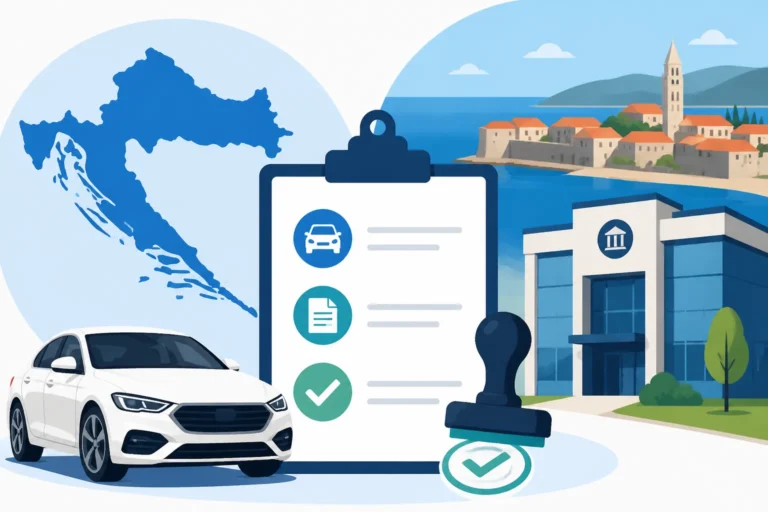
While your lawyer handles the intricate legal investigations and contract specifics, the notary public (javni bilježnik) acts as the official witness and administrator of the property transfer. Their role is to ensure the legitimacy of signatures on the final purchase agreement, verify identities, and collect the necessary fees before officially submitting the documentation for registration in the Land Registry.
Think of the notary as the gatekeeper. Once your lawyer has ensured everything is legally sound and the contracts are meticulously drafted, the notary steps in to make it official. They will oversee the signing of the sales contract, confirm that all parties understand the terms, and ensure that the necessary funds for the purchase, including any deposits, are transferred correctly, often using an escrow account for security. They also collect the required property transfer tax, which is currently 3% in Croatia. For more details on the associated costs, you might want to look into Understanding Notary Fees and Property Purchase Costs in Croatia.
Crucially, the notary is responsible for initiating the registration of your new ownership in the Zemljišne Knjige (Land Registry). This registration process is what legally transfers the property into your name. Without proper and timely registration, your ownership isn't fully secured. Understanding the intricacies of both the cadastre and the land registry is critical, as they serve different but complementary purposes, as explained in our guide on Understanding the Croatian Property Registry and Cadastre System. A good lawyer will work closely with the notary to ensure this final, vital step is executed flawlessly.
Finding Your Dream Property & Trusted Advisors
So, you're armed with knowledge about the legal process. Now, how do you actually find that perfect plot of land or seaside villa, and who helps you make the initial connections? This is where real estate agents and a solid communication strategy come into play.
Choosing the Right Real Estate Agent
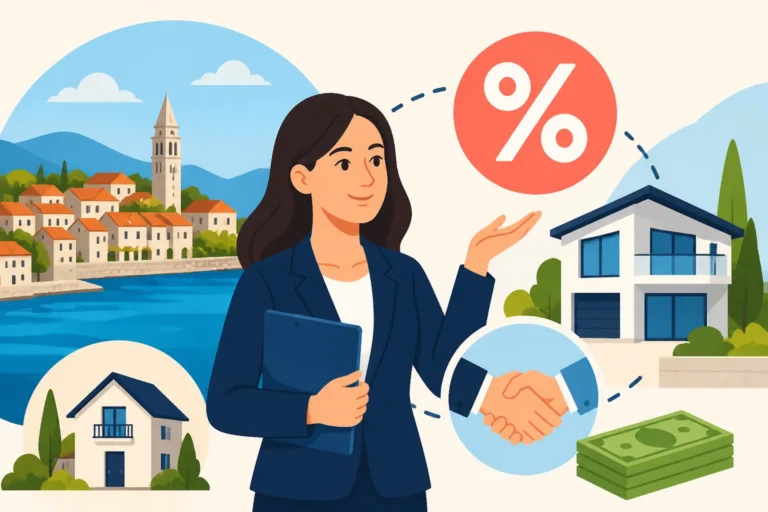
A reliable real estate agent can be a fantastic asset, helping you navigate the market and find properties that match your criteria. They have local knowledge, access to listings, and can often act as an initial intermediary. However, not all agents are created equal, especially when it comes to dealing with foreign buyers. When choosing one, look for an agent who is licensed and has a proven track record of working with expats. Ask for references and check online reviews. A good agent will be transparent about their commission fees (typically 3% plus VAT from each side, buyer and seller) and clearly explain the buying process from their end.
Some agents specialize in certain regions or types of property, so consider your target area and property style. For instance, an agent well-versed in Istrian villas might not be the best choice for a city apartment in Split. Don't be afraid to interview a few before committing. A common pitfall is to jump on the first agent you meet. Take your time, explain your needs clearly, and gauge their responsiveness and understanding of your unique situation as a foreigner. For more comprehensive advice, our guide on How to Find a Reliable Real Estate Agent in Croatia offers excellent tips. Remember, a good agent should feel like a partner, not just a salesperson.
Practical Tips for Engaging with Professionals
Once you've identified potential agents and, crucially, a trusted lawyer, clear communication is paramount. Always ensure that communication is transparent and documented. Get everything in writing, whether it's an email confirming a viewing, a proposed offer, or a legal opinion. If you're not fluent in Croatian, having a professional who is fluent in English and can explain complex concepts clearly is invaluable. Some lawyers and agents specifically cater to international clients for this very reason.
Consider using a reliable communication setup. When you’re constantly on calls with agents, lawyers, and trying to coordinate viewings, especially if you’re traveling between cities or even countries, having seamless mobile data is a game-changer. I personally swear by eSIM services like Airalo for staying connected abroad without having to fuss with physical SIM cards or expensive roaming charges. It means you can always be reached and can access maps, translation apps, or property listings on the go. When you’re negotiating a big purchase, every bit of efficiency helps.
Setting up a Power of Attorney (punomoć) with your lawyer can streamline the process significantly, allowing them to act on your behalf for various administrative steps, from obtaining your OIB (Croatian identification number – crucial for any transaction, see How to Get an OIB Personal Identification Number in Croatia) to submitting documents. This can save you countless trips to various government offices, which is a blessing, trust me. Make sure the scope of the power of attorney is clearly defined and understood by both parties.
Post-Purchase Realities and Settling In
The signing is done, the keys are in your hand, and you’re officially a property owner in Croatia! Congratulations! But the journey doesn't end there. There are still crucial steps to take to ensure a smooth transition into your new Croatian life.
Taxes and Ongoing Costs
Once the property is legally yours, you'll need to contend with taxes and setting up utilities. As mentioned, the real estate transfer tax is typically 3% of the purchase price, and your notary will usually handle the payment for you. Beyond that, be aware of other potential costs. Croatia has moved towards a more structured property tax system, so understanding these ongoing obligations is important. Our guide, The Complete Guide to Property and Real Estate Taxes in Croatia (2027), is an excellent resource to demystify these financial aspects.
Then there are the utilities. Setting up electricity (HEP), water, and potentially gas and waste collection in your name can be another administrative task that requires a bit of patience and paperwork. Many expat forums will tell you stories of the hours spent at utility companies. Getting this organized early is key, especially if you plan to move in soon after closing. For detailed steps, check out The Expat Guide to Setting Up Utilities in Croatia. Don't forget internet! While you might have relied on your Airalo eSIM for immediate connectivity, for your new home, you'll want a stable broadband connection.
Making Your New Home Your Own
With the legalities and basic services sorted, the exciting part begins: making your new property feel like home. This might involve renovations, furnishing, or simply getting accustomed to your new neighbourhood. If you're moving your belongings from abroad, finding a reliable international moving company is paramount. Companies like Sirelo can be a fantastic resource for comparing quotes and finding reputable movers that specialize in international relocations to Croatia. They can help you navigate customs, logistics, and ensure your cherished possessions arrive safely.
Whether you're planning minor cosmetic changes or a major overhaul, local contractors and tradespeople are essential. Ask your real estate agent, lawyer, or new neighbours for recommendations. Word-of-mouth is often the most reliable way to find quality services here. And as you settle in, remember to officially Registering Your Residence in Croatia: The Complete MUP Guide with the police (MUP) within your designated timeframe. This is a critical step for your overall residency status and for accessing other public services.
Building a new life in Croatia, starting with your own property, is an incredibly rewarding experience. With the right help and a clear understanding of the process, you can navigate the complexities and truly enjoy the vibrant culture and stunning beauty that Croatia has to offer.
Roles of Key Property Purchase Professionals
| Professional | Primary Role | Key Responsibilities for Expats | Who Hires? |
|---|---|---|---|
| Real Estate Agent | Property search & negotiation intermediary | Finding suitable properties, arranging viewings, initial negotiation. | Buyer/Seller |
| Property Lawyer | Legal due diligence & contract drafting/review | Verifying ownership, checking for encumbrances, drafting/reviewing contracts, advising on legal rights. | Buyer (highly recommended) / Seller |
| Notary Public | Official verification & registration facilitator | Authenticating signatures, ensuring legal formalities, collecting taxes, submitting documents to Land Registry. | Both (often paid by buyer) |
| Cadastre Office | Register of physical property data | Provides maps, boundaries, and physical descriptions of properties. | Public/Lawyer |
| Land Registry (Zemljišne Knjige) | Official register of ownership rights | Provides definitive proof of ownership, encumbrances, and legal status. | Public/Lawyer |
Disclaimer
The information provided in this guide is for general informational purposes only and does not constitute legal, financial, or real estate advice. While every effort has been made to ensure accuracy, laws and regulations in Croatia can change, and individual circumstances vary. It is essential to consult with qualified Croatian legal professionals, real estate agents, and financial advisors for advice tailored to your specific situation before making any property purchase decisions.