How Do I Open a Bank Account in Rijeka as a New Resident?
Moving to a new city, especially in a different country, often brings a whirlwind of excitement mixed with administrative headaches. One of the first things you absolutely need to get sorted, right after finding a roof over your head, is a local bank account. If you've just landed in the charming port city of Rijeka as a new resident, you're likely feeling the pressure to navigate Croatia's banking system. This guide is here to walk you through the entire process, sharing honest advice and helping you bypass some of the common frustrations expats face when trying to open a bank account in Rijeka.
The Initial Hurdles: Why Opening a Bank Account in Croatia Isn't Always Straightforward
Let's be real, almost every expat coming to Croatia, whether it's Zagreb, Split, or our lovely Rijeka, hits a wall or two when it comes to the local bureaucracy. And opening a bank account is often one of the first encounters with this unique system. It's not impossible, not by a long shot, but it requires patience and knowing exactly what you need. Forget what you know from back home; here, things operate on their own rhythm.
The OIB – Your Golden Ticket (and First Headache)
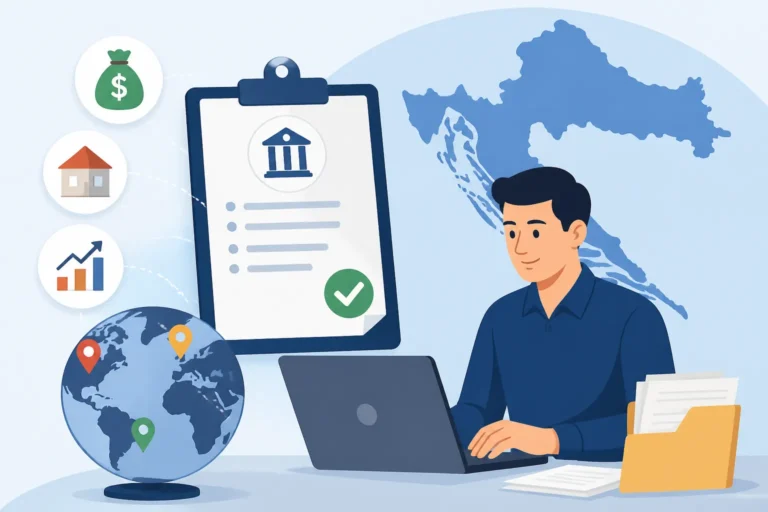
Before you even think about stepping foot into a bank, there’s one non-negotiable item you must have: your Osobni Identifikacijski Broj, or OIB. Think of it as your personal identification number, similar to a social security number or tax ID in other countries. It’s absolutely fundamental for almost any official transaction in Croatia, and opening a bank account is no exception.
Many expats find getting their OIB to be their first real taste of Croatian administrative hoops. You’ll need to apply for it at the local tax administration office (Porezna Uprava). For those of us in Rijeka, that’s typically at Riva 10. The process itself isn't terribly complicated – you fill out a form, show your passport, and often walk out with your OIB certificate on the spot or within a day or two. But the sheer anticipation, the language barrier if you don't speak Croatian, and just the general unknown can be stressful. Don't worry, it's a rite of passage for every foreigner here. You can find detailed information on How to Get an OIB (Personal Identification Number) in Croatia. Without it, no bank in Rijeka (or anywhere in Croatia) will even consider your application.
Residency and Bureaucracy: The Catch-22
Beyond the OIB, your residency status is the next big hurdle. Croatian banks generally require you to be a recognized resident, whether temporary or permanent. This means you’ve already gone through the MUP (Ministry of Interior) process to secure your right to live here. For most new arrivals, this will be a temporary residence permit, or privremeni boravak.
The challenge here often lies in a bit of a catch-22. You need a bank account to prove sufficient funds for your residence permit, but you also need a residence permit to open a bank account easily. However, in practice, what banks primarily look for is your registered address in Croatia and proof of your legal stay. If you're coming from a non-EU country and applied for a long-stay visa or residence permit from abroad, you'll generally have cleared this first. EU citizens have a slightly easier time, but still need to register their stay at the MUP. Having your address registered with the MUP in Rijeka is key, as banks will usually want proof of your prebivalište (registered permanent residence) or boravište (registered temporary residence). Without a valid residence document and a registered address, banks will likely turn you away. It’s all part of the dance, I'm afraid, but once you have your The Expat Guide to Temporary Residence (Privremeni Boravak) in Croatia sorted, this part becomes much smoother.
Choosing Your Croatian Bank in Rijeka: Options and Considerations
Now that you understand the fundamental prerequisites, let's talk about the banks themselves. Rijeka, being a significant city, offers several excellent banking options. While they largely offer similar services, there are nuances in their expat-friendliness, digital services, and fee structures that are worth considering.
Major Banks with Branches in Rijeka
You'll find the main players in Croatian banking well-represented throughout Rijeka. These are the institutions most expats end up dealing with, and for good reason: they have established networks and generally robust services.
- Zagrebačka Banka (ZABA): Often considered one of Croatia's largest banks, ZABA has a strong presence in Rijeka, with multiple branches including a large one on Korzo. They're part of the UniCredit Group, which sometimes means more streamlined international services. Many expats find their online banking to be quite modern and their staff often have English language skills, especially in larger branches. If you're looking for a bank with extensive ATM coverage and a generally reliable service, ZABA is a strong contender. You can find more specific advice on How Do I Open an Account at Zagrebačka Banka as a Foreigner?.
- Privredna Banka Zagreb (PBZ): Another giant in the Croatian banking sector, PBZ is part of the Intesa Sanpaolo Group. They also have numerous branches across Rijeka. PBZ is known for its comprehensive services and competitive offerings. Their online banking and mobile app are user-friendly, and like ZABA, you'll often find English-speaking staff, particularly in central Rijeka locations like on Riva or near the train station.
- Erste & Steiermärkische Bank: This Austrian-owned bank is also a popular choice among expats. Erste has a good network in Rijeka and is often praised for its customer service. They offer various packages that can be tailored to individual needs, and their digital banking platform is quite intuitive.
- OTP Banka: A Hungarian-owned bank that has grown significantly in Croatia, OTP also has a solid presence in Rijeka. They've been expanding their services and digital offerings, making them another viable option. Some expats report good experiences with OTP's responsiveness, though English language support might vary more by branch compared to ZABA or PBZ.
What to Look for: Fees, Online Services, and Expat Friendliness
When you're trying to decide where to put your money, it's not just about which bank is closest. For us expats, there are specific factors that can make a world of difference.
First off, fees. This is a big one. Ask about monthly account maintenance fees, ATM withdrawal fees (especially for non-bank ATMs), and any charges for international transfers. While Croatia transitioned to the Euro, meaning fewer currency exchange headaches within the Eurozone, transaction fees can still add up. Some banks offer special packages with lower fees if you meet certain criteria, like maintaining a minimum balance or having your salary paid directly into the account. Don't be shy about asking for a full breakdown of all potential charges.
Next, online and mobile banking services. In this day and age, a clunky app or an outdated online portal can be a real pain. Most major Croatian banks have decent apps, but some are definitely more intuitive and feature-rich than others. Look for features like easy bill payment, secure login options, and the ability to manage your cards directly from the app. Setting up How to Set Up Online Banking and IBAN Transfers in Croatia can save you countless trips to the bank.
Finally, expat friendliness. This is a softer criterion but incredibly important. Does the bank have English-speaking staff readily available, or do you have to hope for the best? Do they have experience dealing with foreign documents and unique expat situations? While no bank caters exclusively to expats, some are simply better equipped due to their size and international affiliations. Ask around in expat forums or local Facebook groups for Rijeka to get first-hand recommendations. The experience can vary even between branches of the same bank, so if one branch isn't helpful, don't hesitate to try another in Rijeka.
Here's a quick comparison of some common choices in Rijeka:
| Feature/Bank | Zagrebačka Banka (ZABA) | Privredna Banka Zagreb (PBZ) | Erste & Steiermärkische Bank |
|---|---|---|---|
| Expat Friendliness | Generally high, good English support in major branches | Good, often have English speakers | Good, known for customer service |
| Online/Mobile App | Modern, robust, feature-rich | User-friendly, good functionality | Intuitive, reliable |
| ATM Network (Rijeka) | Extensive | Extensive | Good |
| Monthly Fees | Varies by package, usually competitive | Varies by package, competitive | Varies by package, sometimes loyalty benefits |
| International Transfers | Standard bank rates, options for faster transfers | Standard bank rates, good for Eurozone transfers | Standard bank rates, reliable for EU transfers |
| Part of Int. Group | UniCredit Group | Intesa Sanpaolo Group | Erste Group |
Step-by-Step: The Account Opening Process in Rijeka
Alright, you've got your OIB, your residence permit is sorted, and you've picked a bank in Rijeka. Now for the actual account opening! While it might seem daunting, breaking it down into manageable steps makes it much less intimidating. Remember that this is part of your The Complete Guide to Banking in Croatia for Foreigners (2026) journey.
Required Documentation: What to Bring (and Why it Matters)
This is probably the most critical part: having all your documents in order. Croatians love their paperwork, and banks are no exception. Always bring the originals and several photocopies of everything. You never know when they might need a copy, and having them prepared will save you a trip to a nearby fotokopirnica.
Here’s a typical list of what you'll need:
- Valid Passport or ID Card: Your primary form of identification. Make sure it’s current.
- OIB Certificate: The printout you received from the Porezna Uprava.
- Proof of Residence in Croatia: This is usually your residence permit (plastic card or official MUP document) or, for EU citizens, the certificate of registered stay (potvrda o prijavi boravka/prebivališta) from the MUP. They need to see that you are legally living in Croatia.
- Proof of Address in Rijeka: This confirms your physical location. It could be your rental contract (translated into Croatian if not originally in Croatian and notarized if the bank insists, though often a simple translation is fine), a utility bill (electricity, water, gas) in your name, or a confirmation from your landlord. The utility bill is often the easiest, but it’s a bit of a chicken-and-egg situation if you just moved in.
- Proof of Income/Funds (sometimes): While not always strictly required for a basic current account, some banks might ask for this, especially if you want specific services or if your financial situation is complex. This could be recent pay slips, an employment contract, or bank statements from your home country. This is primarily to satisfy anti-money laundering regulations.
- Employment Contract (if applicable): If you're employed by a Croatian company, bringing your contract can expedite things, as it clearly shows your status and often serves as proof of income.
The reason they ask for so much? It's all about compliance. Banks have strict "Know Your Customer" (KYC) and anti-money laundering (AML) regulations to adhere to, which means verifying your identity, your legal status, and where your money is coming from. It's not personal; it's just the rules.
Navigating the Bank Branch: Tips for New Residents
Walking into a Croatian bank branch for the first time can feel a bit like stepping into another era, especially if you're used to super-modern digital banks back home. Embrace the experience!
- Make an Appointment: While you can often just walk in, making an appointment, especially at larger branches in central Rijeka like on Korzo, can save you a lot of waiting time. Call ahead or ask a Croatian friend to call for you.
- Go Early: If you can't make an appointment, aim to arrive shortly after opening hours. Mornings tend to be less crowded, giving the staff more time to assist you.
- Bring a Croatian Speaker: If your Croatian isn't up to par, and you're not confident about the bank having an English speaker, bringing a Croatian-speaking friend can be an absolute lifesaver. Even if the staff speak English, having someone local to clarify things can prevent misunderstandings.
- Be Prepared for Questions: They will ask about your purpose for opening the account, your source of funds, and perhaps how long you intend to stay in Croatia. Answer honestly and clearly.
- Ask for Clarification: Don't be afraid to ask them to repeat information or explain terms you don't understand. It's your money, and you have every right to understand all the details of your new account, including fees, online banking setup, and how to use the debit card.
- Expect a Waiting Period: While you might get your account number on the spot, the actual debit card usually arrives by mail to your registered address within 7-10 business days. Sometimes longer. This is totally normal, so don't expect instant access to physical cash through your card.
The bank staff, especially in a city like Rijeka which sees many foreigners, are generally helpful. Just remember, they’re working within a system, and sometimes that system moves slowly. A smile and a bit of strpljenje (patience) go a long way.
Post-Opening Essentials: Activating and Managing Your Account
Congratulations, you've opened your account! But the journey isn't quite over. There are a few more steps to ensure you're fully functional.
Once your debit card arrives, you'll likely need to activate it. This can usually be done at an ATM of your bank or by calling a specific number provided with the card. You'll also set up your PIN during this process. Make sure you remember it!
Next, get your online and mobile banking sorted. This is crucial for managing your finances from home without needing to visit a branch for every little thing. The bank staff will usually help you with the initial setup, providing you with login credentials and guiding you through downloading the app. Take the time to familiarise yourself with the interface and features. Learn how to check your balance, make payments, and set up direct debits for things like your utilities. This is where How to Set Up Online Banking and IBAN Transfers in Croatia really becomes invaluable. Don't forget that Croatia uses the Euro, so understanding the nuances of Understanding the Euro Transition: Croatia's Currency Guide for Newcomers is helpful, especially if you were here before 2023.
Managing Your Money: Beyond Just the Bank Account
Having a Croatian bank account is a huge step, but managing your finances as an expat often involves more than just a local debit card. You'll likely still be dealing with funds from your home country or sending money internationally.
International Transfers: Keeping Your Funds Flowing
If you're like most expats, you'll probably need to transfer money between your Croatian account and accounts in your home country, or receive payments from international clients. Traditional bank transfers can be reliable but often come with higher fees and less favourable exchange rates.
This is where digital transfer services truly shine. Companies like Wise (formerly TransferWise) have become incredibly popular among expats in Croatia and around the world. They offer competitive exchange rates and transparent, lower fees for international transfers compared to most traditional banks. It's often quicker too. If you're regularly moving funds, setting up an account with a service like Wise can save you a significant amount of money over time. Just link it to your new Croatian bank account, and you're good to go. Learning How to Transfer Money Internationally from a Croatian Account efficiently is a must-have skill for any expat.
Taxation and Reporting: Staying Compliant
Once your money is flowing into your Croatian account, it's crucial to understand your tax obligations. Croatia has its own tax system, and as a resident, you'll be subject to it. This means reporting your worldwide income, even if it's from abroad, once you are deemed a tax resident here.
Understanding income tax rates, declaring foreign income, and filing your annual tax return can be complex, especially if you're new to the system or have multiple income sources. This is where specialized services, like those offered by Taxes for Expats, can be incredibly helpful. They focus specifically on the unique tax situations of foreigners living abroad and can guide you through the intricacies of Croatian tax law. Don't leave this to chance; getting your tax affairs in order from the beginning will save you a lot of stress down the line. For a deeper dive, check out our guide on Understanding Income Tax in Croatia: The Full Expat Guide.
Opening a bank account in Rijeka, like many administrative tasks in Croatia, might test your patience. But with the right documents, a clear understanding of the process, and a bit of local insight, you'll have your finances sorted in no time. Welcome to Rijeka, and happy banking!
Disclaimer
The information provided in this guide is intended for general informational purposes only and does not constitute financial, legal, or tax advice. While we strive to keep the information up-to-date and accurate, banking rules, fees, and government regulations in Croatia can change. Always consult with a qualified financial advisor, tax professional, or the respective bank/government authority for the most current and personalized advice. We do not endorse any specific bank or service, and users should conduct their own due diligence before making any financial decisions.