How Do I Switch Banks in Croatia?
Ah, switching banks in Croatia. If you’ve been here for a while, you know the feeling – that initial relief of getting an account open, followed by the slow dawning realization that maybe, just maybe, this isn't the bank for you. Whether it’s high fees, clunky online banking, or simply a better offer elsewhere, making the move can feel daunting. But trust me, it’s absolutely doable, and this guide will walk you through the process, helping you avoid common expat pitfalls and find a banking solution that actually works.
Why Expats Consider Switching Banks in Croatia
Living in a new country, you quickly learn that banking isn't always as straightforward as back home. While some banks might seem welcoming at first, the reality of daily transactions and administrative quirks can quickly become frustrating. Many of us expats find ourselves eyeing a change for very specific reasons unique to our situation.
Common Gripes with Croatian Banking
Let’s be honest, Croatian banks, while generally reliable, can sometimes feel a bit… dated. One of the biggest complaints I hear, and certainly experienced myself, revolves around the technology. Online banking platforms often lack the slick, intuitive interfaces you might be used to from other parts of Europe or North America. Simple tasks that take a few clicks elsewhere might require navigating multiple menus, dealing with clunky authentication methods, or even – gasp! – a trip to the branch. This is especially frustrating when you're used to doing everything from your phone.
Then there are the fees. Oh, the fees! It's not uncommon to find charges for everything from account maintenance to international transfers. While these might seem small individually, they can quickly add up, especially if you’re frequently moving money between Croatia and your home country. For those of us with income or expenses in multiple currencies, these fees can eat into our hard-earned cash. And let's not forget the often-less-than-favorable exchange rates applied to those transactions. It can make you feel like you're constantly bleeding money for the privilege of moving your own funds.
Finally, the customer service experience can be a mixed bag. While some branches have incredibly helpful staff, finding English-speaking assistance isn't always guaranteed, particularly outside major cities like Zagreb or Split. Trying to explain a complex banking issue in a language you’re still learning, or through a translation app, is a special kind of stress that no one needs. This language barrier often means simple queries become drawn-out sagas, requiring multiple visits or calls.
Finding Better Fit for Expat Needs
The good news is that the Croatian banking landscape is evolving, and competition means there are increasingly better options out there, especially for us international folks. Many expats decide to switch banks because they've discovered a provider that aligns more closely with their specific needs. Perhaps they found a bank with lower monthly fees, or one that offers a more robust and user-friendly mobile app, which can be a game-changer for managing your finances on the go.
Others might prioritize better international transfer options or more transparent currency exchange rates. As Croatia embraced the Euro, some of the previous complexities around currency conversion within the country itself eased, but managing transfers with non-Euro currencies still presents a challenge. Services like Wise (formerly TransferWise) have revolutionized how many of us handle international payments, often offering significantly better rates and lower fees than traditional banks. It's a prime example of how expats seek out solutions that complement or even replace some traditional banking functions.
Ultimately, switching banks often boils down to finding a financial partner that understands – or at least caters to – the unique rhythm of expat life. This could mean a bank that has a dedicated expat desk, offers multi-currency accounts, or simply has a reputation for being more technologically advanced and customer-centric. Sometimes, it’s just about moving to a branch closer to your new apartment, or to a bank that offers a better overall package for your particular employment status, whether you're a freelancer with a Paušalni Obrt or employed by a Croatian company. You'll want to choose the best bank for expats in Croatia that truly understands your situation.
The Step-by-Step Process of Switching Banks
Okay, so you've weighed the pros and cons, and you're ready to make the leap. Switching banks in Croatia might seem like a Herculean task, but breaking it down into manageable steps makes it far less intimidating. It's not as simple as snapping your fingers, but with a bit of preparation, you can navigate it smoothly.
Researching and Choosing Your New Bank
This is arguably the most crucial step. Don't just jump to the first bank that offers you a free coffee. You need to do your homework. Start by thinking about what you disliked about your current bank and what you're looking for in a new one. Do you want lower monthly fees? Better online banking? Easier international transfers? A branch with English-speaking staff?
Several major banks operate in Croatia, including Zagrebačka Banka, Privredna Banka Zagreb (PBZ), Erste & Steiermärkische Bank, OTP Banka, and Raiffeisen Bank. Each has its own strengths and weaknesses. For instance, Zagrebačka Banka and PBZ are two of the largest, with extensive branch networks, which can be convenient. Erste is often praised for its digital services, while Raiffeisen also has a strong presence. Some smaller banks or digital-first options might also exist, but for comprehensive services, the bigger players are usually the go-to.
When you're researching, pay close attention to:
- Monthly maintenance fees: These can vary significantly.
- Fees for international transfers: This is a big one for expats. Look into SWIFT transfer costs and exchange rates.
- Online and mobile banking capabilities: Test out their demo apps if available, or read reviews specifically about user experience.
- Availability of English-speaking staff: Call a few branches and see how easy it is to communicate.
- ATM network: How many ATMs do they have, and are there fees for using other banks' ATMs?
- Specific services: Do they offer savings accounts, investment products, or credit cards that meet your needs?
Don't be afraid to visit a few branches, talk to the advisors, and compare their offerings. It’s like shopping for a new phone plan – you need to understand the fine print. You can also ask fellow expats in online forums or social media groups for their personal recommendations and experiences. What works well for one person might not be the right fit for another, so gather a range of opinions. This initial legwork will save you headaches down the line. Check out our guide on how to choose the best bank for expats in Croatia for more detailed advice.
Opening Your New Account
Once you've made your decision, the next step is to open your new bank account. This typically requires an in-person visit to a branch. While some banks might offer preliminary online applications, you'll almost certainly need to show up with your documents to finalize everything.
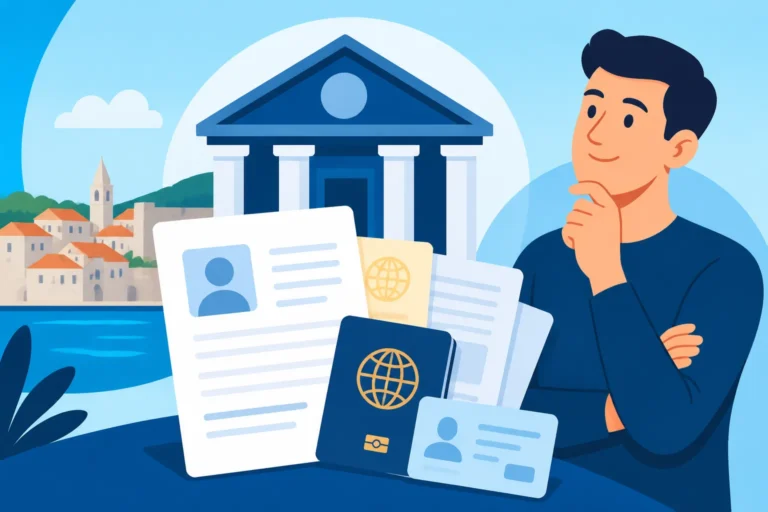
The essential documents for opening a bank account in Croatia as a foreigner generally include:
- Your OIB: This is your Croatian personal identification number, absolutely indispensable for almost any administrative task here. If you don't have one, get it first. Our guide, How Do I Get an OIB as a Foreigner in Croatia?, explains how to obtain this critical number.
- Valid Passport or ID Card: Your primary form of identification.
- Proof of Croatian Residence: This could be your temporary or permanent residence permit (boravišna iskaznica) or even a rental contract if you're an EU citizen registering your stay.
- Proof of Income/Employment: Depending on the bank and account type, they might ask for your employment contract, payslips, or a certificate of income from your employer. For self-employed individuals, recent tax returns or business registration documents might be required.
- Initial Deposit: You'll likely need to deposit a small amount to activate the account.
The process itself involves filling out forms, signing contracts, and sometimes setting up your online banking access on the spot. Make sure to ask for clear instructions on how to use their online platform and mobile app, how to set up two-factor authentication, and how to contact customer support. You might also want to ask about specific services like setting up online banking and IBAN transfers in Croatia. Don't be shy about asking questions, no matter how basic they seem. It's your money, and you deserve to understand how to manage it.
Closing Your Old Account and Transferring Funds
This is the delicate part, and it requires careful timing. Do NOT close your old account until your new one is fully operational and you’ve updated all essential payments. You need to ensure a smooth transition to avoid any missed bills or disruptions.
Here’s a general sequence:
- Open your new account and receive your debit card, online banking credentials, and IBAN. Make sure everything is working correctly.
- Update all recurring payments: This includes direct debits (e.g., utility bills like HEP for electricity, water, internet provider), standing orders (e.g., rent payments, transfers to savings accounts), and any subscriptions linked to your old debit card. Make a comprehensive list of all these payments from your old bank statements or online banking. This can be tedious, but it's vital. Our article on how to set up direct debit for utility bills in Croatia can offer some pointers.
- Transfer your funds: Once all direct debits and standing orders have been moved to your new account and you’re confident that all future payments will go through the new account, you can transfer the remaining balance from your old account to your new one. You can usually do this via an online transfer or by requesting a bank transfer at the branch. For larger sums, or if you're transferring money internationally, be mindful of potential limits and fees.
- Close your old account: With all funds transferred and payments redirected, you can now officially close your old account. This usually requires another visit to the branch. They will ask you to sign a closure form. Make sure you get a confirmation in writing that the account has been closed and that there are no outstanding fees or obligations. It's common practice for banks to ensure a zero balance before closing an account. Do keep records of this closure confirmation for your own peace of mind.
Remember, patience is key here. Croatian bureaucracy, even in the private sector, can sometimes move at its own pace. Allow ample time for transfers to clear and for administrative processes to complete.
Practical Considerations and Potential Hurdles
Switching banks in Croatia is more than just opening a new account; it's about seamlessly integrating your finances into your new banking home. There are a few practical considerations that expats often overlook, which can lead to unnecessary stress if not handled proactively.
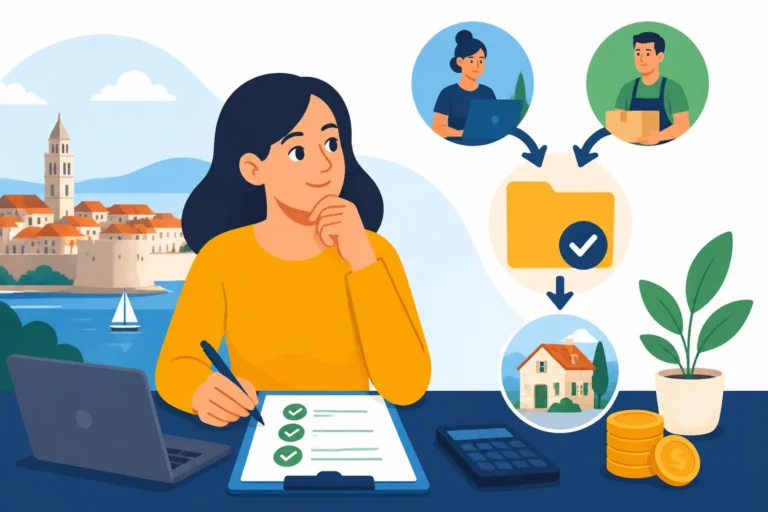
Updating Direct Debits and Standing Orders
This is where the rubber meets the road. In Croatia, many utility companies and service providers use direct debit (trajni nalog or SEPA Direct Debit for Euro accounts) to collect payments. If you don't update these, you could end up with missed payments, late fees, and service disruptions – a headache you definitely want to avoid.
Before you close your old account, get a detailed list of all your direct debits and standing orders. You can usually find this in your online banking portal or on your monthly statements. Common examples include:
- Electricity bills (HEP)
- Water bills (various municipal companies, e.g., Vodoopskrba i odvodnja for Zagreb)
- Gas bills
- Internet and mobile phone bills (e.g., A1, Hrvatski Telekom, Telemach)
- Rent payments (if set up as a standing order)
- Loan repayments (if you have any Croatian loans)
- Insurance premiums
- Subscriptions (gym, streaming services, etc. – check if these are direct debits or linked to your debit card)
For direct debits, you'll often need to contact each service provider individually and inform them of your new bank details. Some might require you to fill out a new direct debit authorization form. Others, especially larger companies, might allow you to update your details through their online portal. For smaller recurring payments linked directly to your debit card, like Netflix or Spotify, you'll simply update the card details in the respective app or website. This step requires methodical effort, so set aside some dedicated time for it.
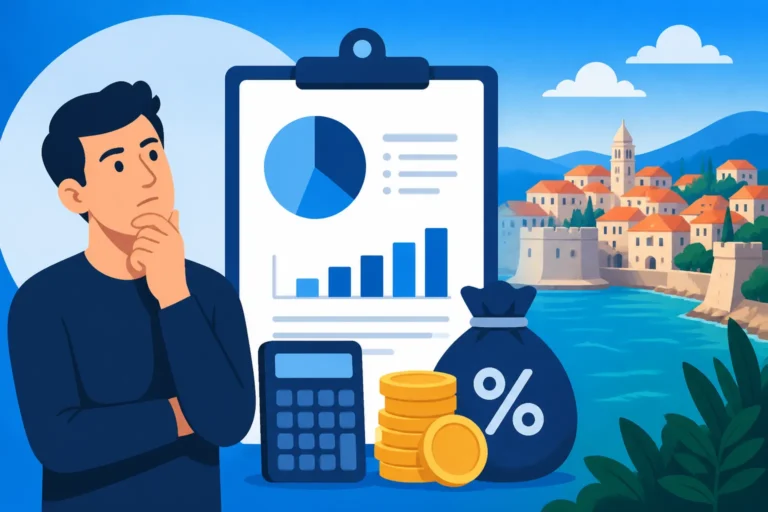
Managing International Transfers and Currency Exchange
For expats, international transfers are a fact of life, whether it's receiving your salary from abroad or sending money home. When switching banks, you need to think about how your new bank handles these. As mentioned, traditional banks can sometimes be costly with their SWIFT fees and less-than-optimal exchange rates.
This is where services like Wise really shine for many expats. They often provide a more cost-effective and transparent way to send and receive international payments, especially across different currencies. You might find that even after switching to a new Croatian bank, you still rely on services like Wise for your cross-border money movements. Understanding the Euro transition and Croatia's currency landscape is crucial here; while within Croatia it's all Euro now, the connection to other currencies remains important.
When assessing your new bank, ask specifically about their fees for incoming and outgoing international transfers, and inquire about their exchange rates. Some banks might offer preferential rates for certain customers or have special packages that reduce these costs. Compare these directly with third-party services. Sometimes, it makes sense to use your Croatian bank for local transactions and a specialized service for international ones. Our guide on how to transfer money internationally from a Croatian account delves deeper into these options.
Tax Implications and Administrative Tidbits
While switching banks itself doesn't typically have direct tax implications, managing your finances as an expat in Croatia always involves a careful consideration of taxes. When you change banks, it's a good time to review your overall financial picture.
For instance, if you're receiving income from abroad, ensure that your new bank statements clearly show the source, which can be helpful if the Croatian Tax Administration (Porezna Uprava) ever has questions about your income. If you're using a service like Wise to receive funds from foreign clients, remember that this income still needs to be declared as part of your overall income tax in Croatia. Familiarize yourself with the complete guide to taxes in Croatia for expats and understanding income tax in Croatia to stay compliant.
Furthermore, consider any accounts you might be closing in your home country or opening elsewhere. This all ties into your tax residency status and potential reporting obligations. While a bank switch within Croatia is largely administrative, it's a good trigger to ensure all your financial ducks are in a row from a tax perspective.
Finally, remember to update your banking details with any other relevant institutions, such as your employer (for salary payments), government agencies (if you receive any benefits), and potentially your health insurance provider (HZZO). While not strictly necessary for HZZO, having all your details consistent across records is just good practice in Croatia’s administrative environment. Keep all your documentation related to the bank switch – account closure confirmations, new account opening documents, and updated direct debit forms – organized and accessible. These small administrative steps can prevent big headaches later on.
Disclaimer
Please note that this information is for general guidance only and should not be considered legal, financial, or tax advice. Banking regulations, fees, and processes in Croatia can change, and individual circumstances vary. It is always recommended to consult directly with financial advisors, banks, or relevant authorities for personalized advice based on your specific situation.