How Do I Open a Joint Bank Account in Croatia?
Navigating the financial landscape in a new country like Croatia can feel like deciphering an ancient scroll, especially when you're trying to combine finances with a partner. The bureaucracy, language barriers, and differing processes can quickly turn what should be a simple task into a frustrating ordeal. This comprehensive guide will walk you through everything you need to know about opening a joint bank account in Croatia, from preparing your documents to understanding the day-to-day management, helping you consolidate your finances with your partner seamlessly.
Why a Joint Account in Croatia? Considering Your Shared Financial Future
Moving to a new country as a couple, whether you’re married, in a registered partnership, or simply living together, often means merging your financial lives. A joint bank account can be a practical tool to manage shared expenses, plan for future investments, or simply make daily life easier. However, like most things in Croatia, it comes with its own set of unique considerations.
The Benefits of Sharing Finances in Croatia
For many expat couples in Croatia, a joint account becomes the central hub for their shared life. Imagine easily pooling funds for rent, utilities, and groceries without constant back-and-forth transfers. It simplifies budgeting immensely. Instead of trying to track who paid for what on different cards or accounts, all shared expenses flow through one place. This can be especially useful for couples just starting their life together in Croatia, making it easier to manage the initial costs of setting up a home, like buying furniture or paying deposits for your apartment.
Furthermore, a joint account often provides a clearer picture of your collective financial health. When both partners have access and oversight, it fosters transparency and shared responsibility. This can be particularly reassuring when dealing with a new currency, new banking system, and potentially different incomes or financial obligations. For instance, if one partner is working and the other is still looking for a job or studying, a joint account ensures that shared living costs are always covered. Plus, many find it convenient for things like automatic bill payments for household utilities or setting up regular savings transfers for that dream Croatian property.
Potential Pitfalls and Considerations
While the benefits are clear, it’s also crucial to be realistic about the potential downsides and unique challenges of a joint account in Croatia. One primary concern for many expats is the shared liability. When you open a joint account, both account holders typically have full access and are equally responsible for any overdrafts or debts incurred on that account. This means that if one partner overspends, the other is equally liable. It’s a level of trust that needs to be thoroughly established, especially if you have differing financial habits.
Another point to consider is access and control. While equal access is often seen as a benefit, it can sometimes lead to misunderstandings or a lack of personal financial autonomy if not properly discussed. Who manages the budget? Who reviews the statements? These might seem like minor details, but they can become significant points of contention if not agreed upon beforehand. Furthermore, in the unfortunate event of a relationship breakdown, dividing funds and closing a joint account can become complicated, requiring the consent of both parties. It’s always wise to consider how funds would be managed in such scenarios, perhaps by having separate personal accounts for individual spending and transferring agreed-upon amounts into the joint account.
The Step-by-Step Process for Expats: Documents and Choosing a Bank
So, you’ve weighed the pros and cons and decided a joint account is the way to go. Excellent! Now comes the fun part: navigating the Croatian banking system. While it might seem daunting, breaking it down into manageable steps makes it much less intimidating.
Essential Documents You'll Need
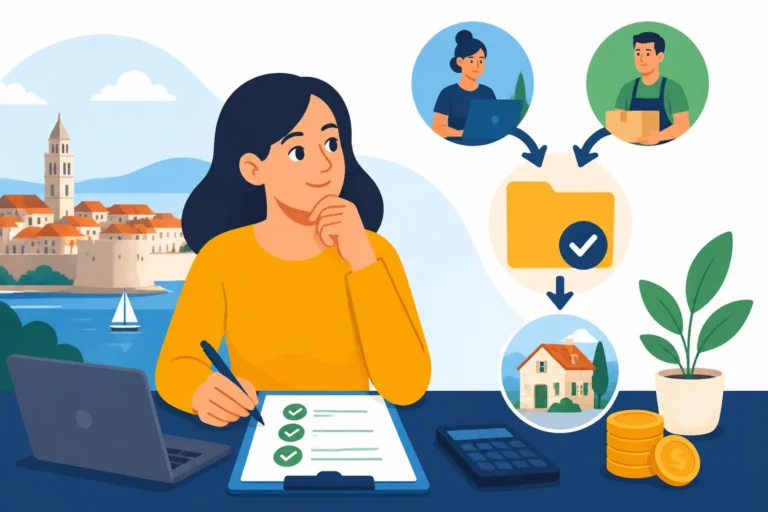
Getting your documents in order is half the battle when dealing with Croatian administration. For opening a joint bank account, you and your partner will generally need to provide the following:
- Valid Identification: This usually means your passport or national ID card (for EU citizens). Ensure it’s current and not expired. The bank will make copies, and they’ll want to see the originals.
- OIB (Personal Identification Number): This is non-negotiable. Every individual in Croatia interacting with the financial or administrative system needs an OIB. If you don’t have one yet, make sure to get this sorted first. You can learn more about how to get your OIB by checking out our guide on How to Get an OIB (Personal Identification Number) in Croatia.
- Proof of Croatian Residence: This could be your temporary or permanent residence permit (for non-EU citizens) or a registration certificate for EU citizens. The bank needs to confirm your legal status in Croatia. Sometimes, they might ask for additional proof of address, such as a utility bill in your name. You can find more details on how to prove your residence by reading our article How Do I Get a Croatian Residence Certificate (Uvjerenje o Prebivalištu)?.
- Proof of Employment or Income (sometimes): While not always strictly required for a basic current account, some banks might ask for proof of income, especially if you’re looking to apply for an overdraft facility or other credit products. This could be an employment contract, recent payslips, or proof of self-employment income. For those with international income, having bank statements from your home country demonstrating regular deposits can be helpful.
- Marriage Certificate (if applicable): If you are married, bringing your marriage certificate (ideally translated and apostilled if it’s not in Croatian or English) can streamline some processes, though it's often not strictly required for a basic joint account. It primarily helps establish the legal relationship between the account holders.
Always call ahead to your chosen bank branch to confirm their specific requirements, as these can sometimes vary slightly. It saves a lot of wasted trips and frustration.
Choosing the Right Bank for Your Joint Account
Croatia has several major banks, and many of them cater to international clients. The key is to find one that aligns with your needs and offers services that make your expat life easier. Some of the most prominent banks include Zagrebačka banka (often referred to as 'Zaba'), Privredna banka Zagreb (PBZ), Erste&Steiermärkische Bank, Raiffeisenbank Austria (RBA), and OTP Banka.
Each bank has its own strengths and weaknesses. Zagrebačka banka and PBZ are generally considered the largest and have extensive ATM networks across the country. Erste and RBA are also very popular and often have English-speaking staff, particularly in bigger cities like Zagreb, Split, and Rijeka. When choosing, consider:
- English-speaking staff: This is a huge one. Trying to understand complex financial terms in Croatian is a nightmare if your language skills aren't strong.
- Online banking interface: Is it user-friendly? Does it offer English? Can you easily manage transfers, check balances, and pay bills? Most modern Croatian banks offer robust online and mobile banking platforms, but the user experience can differ greatly.
- Fees: Compare monthly maintenance fees, transaction fees, and ATM withdrawal fees. Some banks offer special packages for students or employees of certain companies that might have lower fees. Our guide on How to Choose the Best Bank for Expats in Croatia delves deeper into this.
- Branch network and ATM accessibility: Do they have branches and ATMs conveniently located near your home or workplace?
- International transfer options: While many expats use services like Wise (formerly TransferWise) for international transfers due to their competitive rates, it's good to know if your bank offers reasonable options for sending or receiving money from abroad.
Visiting a few branches and speaking with their customer service representatives (ideally those who speak English) can give you a good feel for their services and help you make an informed decision. Don't be afraid to ask a lot of questions!
Navigating the Application and Beyond: Common Hurdles and Account Management
You’ve got your documents, you’ve picked a bank, and now it’s time for the actual application. This is where patience truly becomes a virtue.
The Application Experience: What to Expect at the Bank
Opening a joint bank account in Croatia typically requires both account holders to be present at the bank branch. This isn't something you can usually do remotely, although some preliminary online forms might exist. You'll sit down with a bank representative, who will review your documents, explain the account terms and conditions (usually in Croatian, so insist on English if available, or bring a trusted translator), and guide you through the paperwork.
Be prepared for a fair bit of paperwork. You’ll be signing forms for opening the account, agreeing to the bank’s terms, potentially setting up online banking access, and ordering debit cards. The process can take anywhere from 30 minutes to an hour or more, depending on the bank, the staff, and how busy they are.
It’s not uncommon to encounter a bit of a language barrier, even if they claim to have English-speaking staff. Sometimes, the 'English-speaking' staff member is busy, and you might have to wait, or someone with limited English will try their best. Be patient, speak clearly, and don't hesitate to ask them to repeat or rephrase if you don't understand. If you're feeling overwhelmed, politely ask if there's someone else who can assist you. Remember, persistence is key in Croatian bureaucracy.
Once all the paperwork is signed, your debit cards typically won't be issued on the spot. They are usually mailed to your registered address within 7-10 business days. Sometimes, the PIN arrives in a separate envelope a few days later for security reasons. Online banking credentials might be given to you immediately or also mailed.
Managing Your Joint Account: Online Banking and Transfers
After the initial setup, managing your joint account in Croatia becomes much simpler, thanks largely to modern online and mobile banking platforms. Most Croatian banks offer excellent digital services that allow you to:
- Check balances and transaction history: Keep track of where your money is going and coming from.
- Make local transfers: Easily send money to friends, family, or pay bills within Croatia.
- Set up standing orders and direct debits: Automate your recurring payments for rent, utilities, and savings.
- Pay bills: Many banks integrate with the national payment system, allowing you to pay various bills (like HEP electricity or water) directly through their platform using the barcode or reference numbers.
- International Transfers: While local transfers are typically quick and free (or low-cost), international transfers can still be pricey. For sending money abroad, many expats prefer specialized services like Wise. They often offer more competitive exchange rates and lower fees than traditional banks, making it a popular choice for managing money across borders.
Both account holders will typically have their own login credentials for online and mobile banking, granting them independent access to view and manage the joint account. This allows for shared oversight and management, which is one of the main advantages of a joint account.
Important Considerations for Expat Couples: Financial Nuances and International Money Management
Beyond the practicalities of opening the account, there are important financial and logistical considerations specifically for expat couples.
Understanding the Financial Nuances for Expats
As an expat couple, your financial situation might be more complex than that of locals. It's crucial to understand how a joint account intersects with your tax obligations and overall financial planning in Croatia.
- Tax Implications: While simply having a joint bank account doesn't automatically trigger new tax obligations, the income flowing into it does. If both partners are working in Croatia, their individual incomes will be taxed according to Croatian income tax laws. If one partner receives income from abroad, it's vital to understand Understanding Income Tax in Croatia: The Full Expat Guide and how to declare that foreign income to the Croatian Tax Administration (Porezna Uprava). It might be worth consulting with a local tax advisor, or a service like Taxes for Expats, to ensure you are fully compliant, especially regarding joint assets or shared income that might originate from outside Croatia. Your tax residency status is paramount here, so review our guide Tax Residency in Croatia: A Definitive Guide for Expats (2027).
- Emergency Funds: Consider keeping a portion of your emergency savings in an easily accessible, perhaps separate, account. While a joint account is great for day-to-day, having a small individual fund or easily transferable savings can offer an extra layer of security.
- Future Planning: As you settle in Croatia, you might start thinking about bigger financial goals like buying property or long-term investments. A joint account is a solid foundation, but you’ll want to explore other financial products and services available to expats as your needs evolve.
Seamless International Money Management
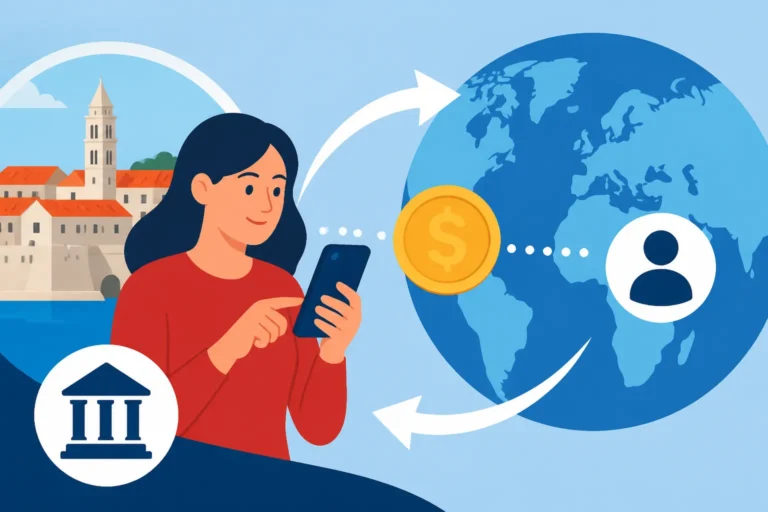
One of the biggest financial headaches for expats is often moving money across borders. Whether it's receiving your salary from a foreign employer, transferring savings from your home country, or sending money back to family, the costs and exchange rates can eat into your funds.
While Croatian banks do offer international transfers, they can sometimes be more expensive and slower than dedicated currency exchange services. This is where services like Wise shine. They specialize in international money transfers, often providing better exchange rates (mid-market rate) and transparent, lower fees compared to traditional banks. Using a service like Wise can save you a significant amount over time, especially if you're regularly moving larger sums between currencies. It integrates well with your Croatian joint account – you simply transfer Kuna from your joint account to Wise, and they handle the conversion and transfer to the destination currency and bank account.
Another aspect of international money management to consider is potential waiting periods. Sometimes, new residents, particularly non-EU citizens, might face a short waiting period before they can fully utilize all banking services or transfer larger sums internationally. This is often part of anti-money laundering regulations, so be prepared for potential questions or delays when dealing with significant transfers in your early days. Don't be shy about asking your chosen bank about their specific policies regarding international transfers for new expat clients.
| Feature | Croatian Joint Bank Account | Dedicated Transfer Service (e.g., Wise) |
|---|---|---|
| Purpose | Day-to-day expenses, local bills | International money transfers, multi-currency |
| Setup Process | In-person at a bank branch, complex docs | Online, simpler identity verification |
| Currency | Primarily EUR (HRK before 2023) | Multiple currencies supported |
| Fees (Local) | Monthly maintenance, transaction fees | Not applicable for local banking |
| Fees (Int'l) | Higher transfer fees, less favorable exchange rates | Lower transfer fees, mid-market exchange rates |
| Speed (Int'l) | Typically 2-5 business days | Often same-day or next-day |
| Accessibility | Physical branches, ATMs, online/mobile banking | Online/mobile platform only |
| Language Support | Varies, can be challenging in Croatian | Typically excellent multi-language support |
Opening a joint bank account in Croatia as an expat doesn't have to be a Herculean task. With the right preparation, a good understanding of the process, and a healthy dose of patience, you and your partner can successfully establish your shared financial base. Remember, you’re not alone in facing these challenges, and there are resources and services available to make your life in Croatia smoother.
Disclaimer
The information provided in this guide is intended for general informational purposes only and does not constitute financial, legal, or tax advice. While we strive to keep the information up-to-date and accurate, regulations and procedures in Croatia can change. It is always recommended to consult with a qualified financial advisor, legal professional, or tax expert for advice tailored to your specific situation. Banking products and services, fees, and requirements vary between institutions, so direct consultation with your chosen bank is essential before making any financial decisions.