How Do I Declare Self-Employment Income in Croatia?
Self-employment income declaration in Croatia involves choosing a structure, paying quarterly taxes, and submitting the PO-SD form.

Self-employment income declaration in Croatia involves choosing a structure, paying quarterly taxes, and submitting the PO-SD form.
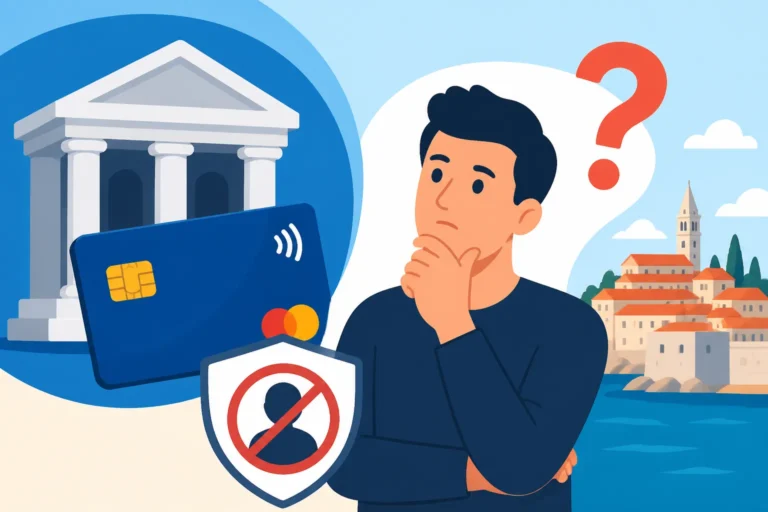
Croatian banking regulations require residency and an identification number, making traditional debit cards unavailable to non-residents.

Croatian taxation of foreign stock dividends explains tax residency rules, double taxation treaties, and flat 10% rates.

Opening a bank account in Rijeka requires your OIB, residence permit, and specific documents for ZABA, PBZ, or Erste Bank.

Croatian tax returns are due on April 30th, though manual filing applies to those with multiple income sources or foreign earnings.

Croatian freelance pension contributions equal twenty percent of the prescribed monthly basis split between two pillars.
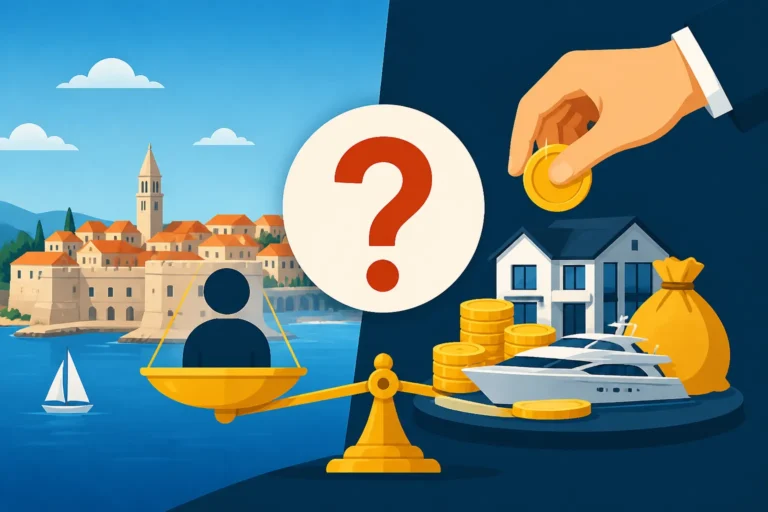
Croatia wealth taxation rules explain property taxes, capital gains, and inheritance duties affecting international residents.

Croatian bank standing order setup allows expats to automate fixed rent and utility payments using online banking or branches.
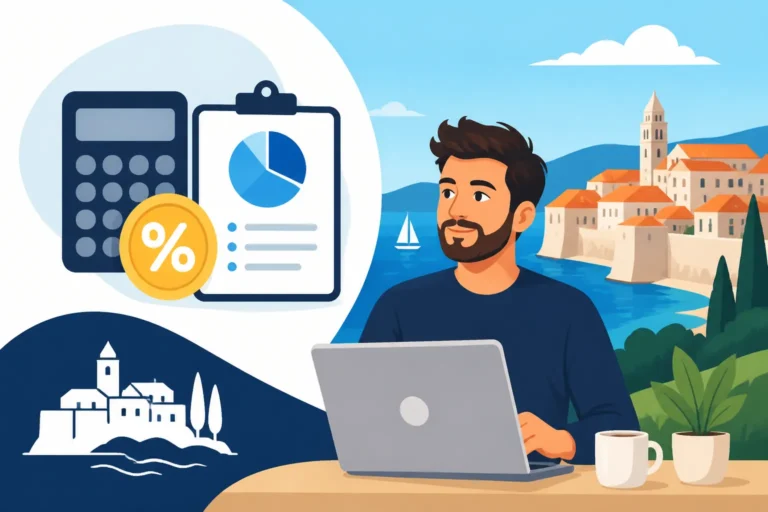
Croatian freelance taxes involve fixed annual income tax brackets and mandatory monthly health and pension insurance contributions.
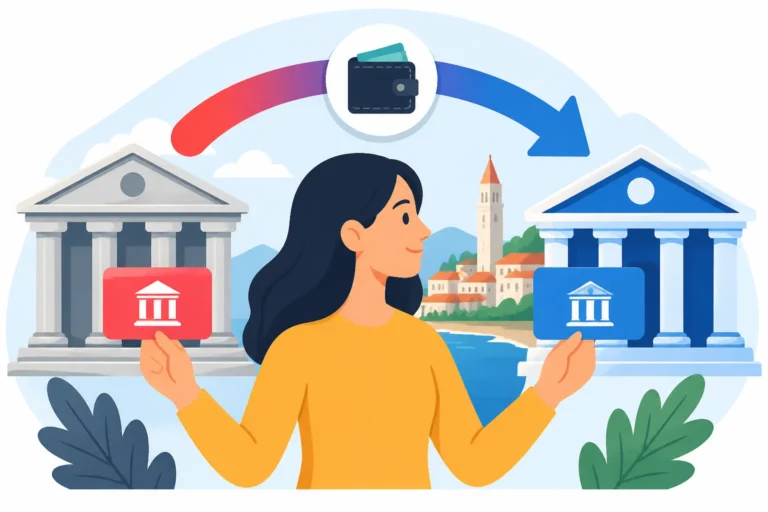
Switching banks in Croatia explains the step-by-step process for expats choosing a new provider, opening accounts, and closing old ones.