Understanding Vehicle Technical Inspection (Tehnički Pregled) in Croatia
Alright, let's talk about something that can feel like a real headache for us expats with a car here in Croatia: the tehnički pregled. It’s that annual technical inspection that, if you’re like me, probably brings on a little sigh of dread. Between navigating the language, understanding the paperwork, and just figuring out the system, it can feel like another bureaucratic mountain to climb. But trust me, once you understand the ropes, it’s far less intimidating. This guide is here to demystify the entire process, walking you through what the tehnički pregled is, what to expect, and how to get your vehicle squared away without losing your mind.
What Exactly is Tehnički Pregled and Why Is It So Important?
For anyone who’s lived in another country with a vehicle, you’re probably familiar with the concept of a mandatory annual car check. In the UK, it's the MOT; in Germany, the TÜV. Here in Croatia, we have the tehnički pregled, and it’s an absolute non-negotiable part of owning and registering a vehicle. Think of it as a comprehensive health check for your car, ensuring it's safe to be on the roads and not spewing out too many nasties into our beautiful Adriatic air.
The Croatian "MOT" – More Than Just a Check-Up
The tehnički pregled is a thorough examination of your vehicle's mechanical and environmental fitness. It's not just a quick glance over; technicians meticulously inspect various components to ensure they meet Croatian and EU safety and environmental standards. This includes everything from your braking system, lighting, steering, and suspension to your exhaust emissions and tire condition. The primary goal is road safety – preventing accidents caused by faulty vehicles – and minimizing environmental impact.
Every vehicle registered in Croatia, whether it’s a car, motorcycle, truck, or even a trailer, must undergo this inspection annually, usually around the anniversary of its initial registration. If you've just moved here and brought your car, or bought one locally, you'll soon get into the rhythm of this yearly ritual. It’s the gatekeeper to getting your vehicle registered for another year, so skipping it simply isn't an option. Without a valid tehnički pregled, you cannot renew your vehicle registration, and driving an unregistered vehicle carries significant penalties, including hefty fines and potential impoundment. Believe me, that’s a headache you absolutely want to avoid.
The Role of Stanice za Tehnički Pregled Vozila
So, where does this magical inspection happen? You'll need to visit one of the many authorized "Stanice za Tehnički Pregled Vozila" (Vehicle Technical Inspection Stations) scattered across Croatia. These aren't government offices in the traditional sense; they are privately run companies, but they operate under stringent state regulations and oversight from the Croatian Centre for Vehicles (CVH). This means the standards and procedures are largely uniform regardless of which station you choose.
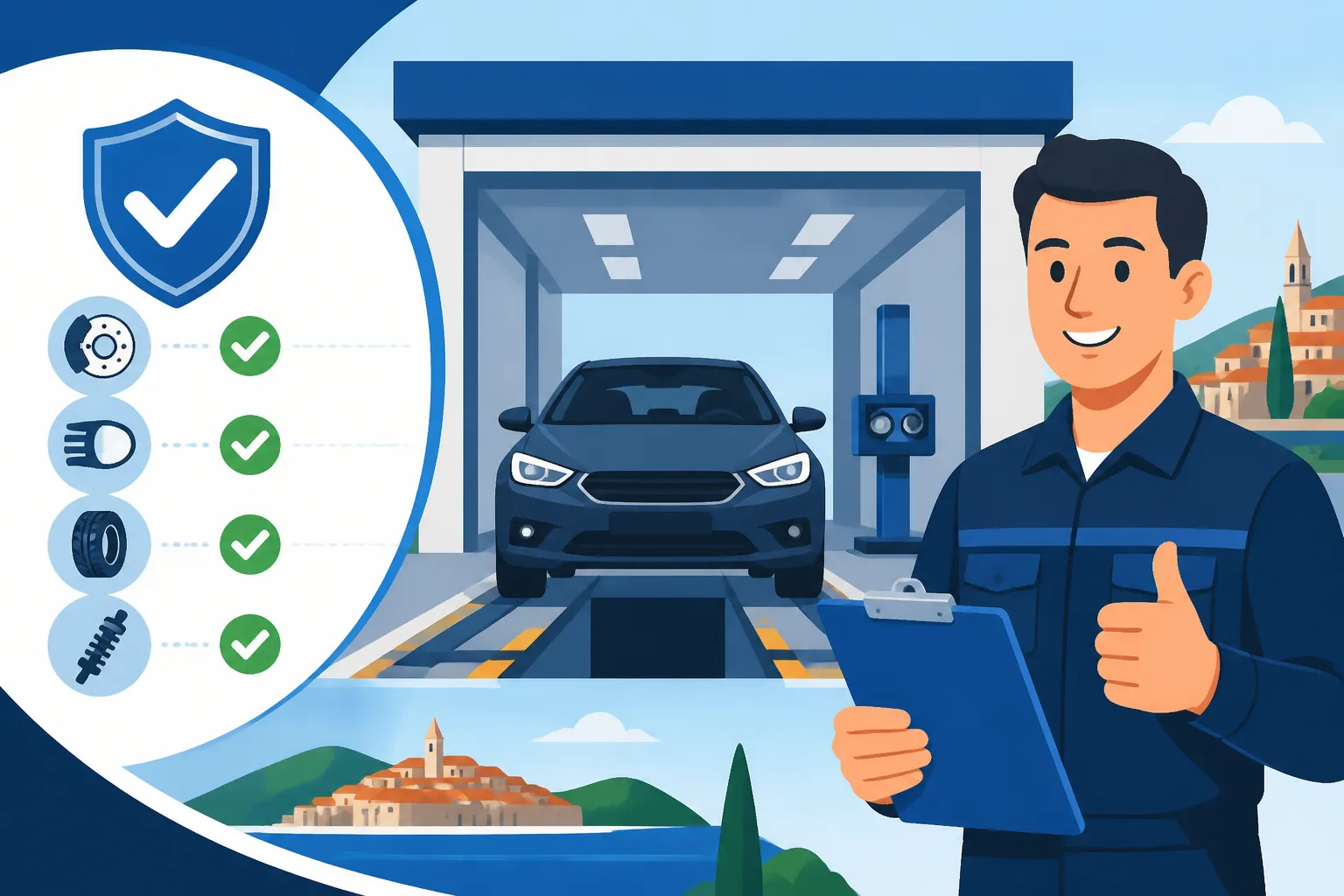
When you arrive at one of these stations, you'll be greeted by trained technicians who know their stuff. They're equipped with specialized diagnostic tools and lifts to perform the full inspection. What exactly do they check? Well, the list is extensive, but some key areas include:
- Braking System: Efficiency, balance, and condition of brake pads, discs, and lines.
- Lighting and Signaling: Headlights, tail lights, turn signals, brake lights, and hazard lights – ensuring they all work correctly and are properly aligned.
- Steering and Suspension: Checking for play in the steering, condition of shock absorbers, springs, and linkages.
- Chassis and Bodywork: Rust, structural damage, and ensuring no sharp edges or loose parts.
- Tires: Tread depth, condition, and correct type for the vehicle.
- Exhaust Emissions: Measuring pollutants to ensure compliance with environmental standards.
- Safety Equipment: Seatbelts, horn, rearview mirrors.
If you’re moving your life and car across borders, having all your ducks in a row for these checks is crucial. Services like Sirelo can help with the broader relocation, but for the car itself, it's these local stations you'll need to get familiar with. They essentially act as quality control for the safety and environmental integrity of vehicles on Croatian roads, ensuring that everyone can drive with a little more peace of mind.
Navigating the Tehnički Pregled Process: A Step-by-Step Guide
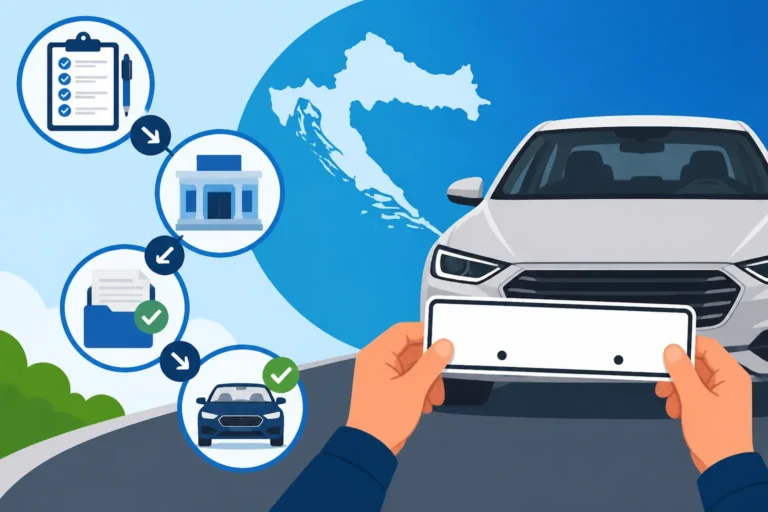
The idea of a car inspection can feel daunting, especially when it’s in a foreign country. But don't fret; the actual process at a tehnički pregled station is quite standardized. Knowing what to expect can significantly reduce any anxiety. Let's break it down into manageable steps.
When and Where to Go for Your Inspection
First things first: when should you go? Your tehnički pregled is an annual affair, and it needs to be completed before your current vehicle registration expires. You can find this date on your vehicle registration document (prometna dozvola). Generally, you can go for the inspection up to a month before the expiry date, which gives you a nice buffer. Don't leave it to the last minute, especially if you anticipate potential issues!
Finding a station is straightforward. There are stanice za tehnički pregled in pretty much every town and city across Croatia. A quick Google search for "stanice za tehnički pregled Zagreb" or "stanice za tehnički pregled Split" will give you plenty of options. Most stations operate on a first-come, first-served basis, meaning you don't typically need an appointment. However, arriving early in the morning or mid-afternoon, avoiding lunch breaks and peak rush hours, can save you waiting time.
When you go, make sure you have all your necessary documents. This usually includes:
- Your vehicle registration document (prometna dozvola).
- Proof of valid mandatory car insurance (polica obveznog auto osiguranja).
- Your OIB (Personal Identification Number). If you haven't sorted this out yet, it's critical for almost any official business in Croatia, including this. You can learn more about How to Get an OIB Personal Identification Number in Croatia.
- If your vehicle is older, you might also have a knjižica vozila (vehicle book), but for newer vehicles, everything is usually on the prometna dozvola.
Having these documents ready will make the administrative part of the process much smoother and faster, allowing the technicians to get straight to inspecting your car.
The Inspection Itself: What to Expect
Once you arrive at the station and present your documents, you'll typically be directed to a bay where a technician will begin the inspection. This isn't just about looking at your car; it's a hands-on, technological assessment.
The process often involves:
- Visual and Manual Checks: The technician will start by checking exterior lights, horn, wipers, mirrors, seatbelts, and tire condition. They'll also look underneath the vehicle for rust, leaks, and damage to the chassis and exhaust system.
- Diagnostic Testing: Your vehicle will be hooked up to diagnostic equipment to measure exhaust emissions. This is particularly important for environmental compliance.
- Brake Testing: Your car will go onto specialized rollers to test the efficiency and balance of your brakes – both service brakes and handbrake.
- Headlight Alignment: Another machine will precisely measure and adjust your headlight beams to ensure they don't dazzle oncoming traffic.
- Suspension and Steering: Technicians will check for excessive play or wear in crucial steering and suspension components, often using a "shaker" plate.
The entire physical inspection usually takes around 20 to 40 minutes, depending on the type of vehicle and how busy the station is. While the inspection is being performed, you’ll typically be asked to wait in a designated waiting area. Many stations offer Wi-Fi, so you can catch up on emails or plan your next steps to explore Croatia, perhaps using an eSIM from a provider like Airalo to stay connected.
Dealing with Results: Pass, Conditional Pass, or Fail
After the inspection is complete, the moment of truth arrives. The technician will inform you of the results, and this is where things can get a little nerve-wracking if you're not prepared.
-
Pass (Prolaz): This is the outcome we all hope for! If your vehicle meets all the required standards, you'll receive a stamp on your prometna dozvola and a certificate confirming its roadworthiness. You'll then proceed to pay all the associated fees (which we'll discuss next) and your vehicle registration will be renewed for another year. Smooth sailing!
-
Conditional Pass (Manji Nedostatak – Minor Deficiency): Occasionally, a vehicle might have minor issues that don't immediately compromise safety but need attention. These "minor deficiencies" are things like a headlight that's slightly out of alignment, a non-critical fluid leak, or a worn-but-still-legal tire. You'll pass the inspection, but you'll be advised to rectify these issues promptly. They won't prevent your registration renewal, but it’s prudent to get them fixed to avoid them escalating into major problems by the next inspection.
-
Fail (Veći Nedostatak – Major Deficiency): This is the outcome nobody wants. If your vehicle has significant safety defects (e.g., faulty brakes, severe suspension wear, excessive emissions, or critical structural rust), it will fail the tehnički pregled. A "major deficiency" means your car is deemed unsafe or environmentally non-compliant, and you cannot renew its registration until these issues are fixed. The technician will provide you with a detailed report outlining all the deficiencies. You then have a window (typically 15 days) to get the necessary repairs done. After the repairs, you must return to the same inspection station for a re-inspection. If you return within the 15-day period and only need the failed items re-checked, the re-inspection is often free or at a reduced cost. If you miss this window or require a full re-inspection, you'll have to pay the full fee again.
It's natural to feel frustrated if your car fails, but it’s important to see it as a safety measure. Find a trusted mechanic quickly, get the necessary repairs, and head back for your re-inspection. It's just another hurdle in the process of owning a car in Croatia. For those planning on long road trips exploring the country, ensuring your vehicle is tip-top condition after these checks is paramount. Remember, getting your Driving in Croatia: Licences, Registration and Rules for Expats (2027) in order is just one part of being a responsible driver here!
The Costs Involved with Tehnički Pregled and Registration
One of the biggest questions on every expat's mind is, "How much is this all going to cost me?" And frankly, it's not always a straightforward answer, as several components contribute to the total bill for tehnički pregled and annual vehicle registration. However, understanding the breakdown helps you budget and avoid surprises.
Breakdown of Inspection Fees
The tehnički pregled itself has a standardized fee set by the Croatian Centre for Vehicles (CVH), so it won't vary much from one inspection station to another. This fee depends primarily on the category and type of your vehicle. For a standard passenger car (M1 category), the basic inspection fee typically ranges from around €35 to €50. This covers the comprehensive mechanical and environmental checks.
If your vehicle fails the initial inspection and requires a re-inspection, the costs can vary:
- Within 15 days, re-checking only failed items: This is usually free or a minimal administrative fee.
- Outside 15 days or full re-inspection required: You'll likely pay the full inspection fee again.
So, it really pays to get those repairs done quickly and return within the specified timeframe to save money.
Understanding Associated Taxes and Fees for Registration
Beyond the basic inspection fee, you'll be paying a bundle of other taxes and administrative charges, all conveniently paid at the inspection station itself. This all-in-one payment system is actually quite helpful, as it saves you from running between multiple government offices.
Here’s a general breakdown of the additional costs you can expect for a typical passenger car:
- Mandatory Car Insurance (Obvezno Auto Osiguranje): This is, without a doubt, the single largest expense. This third-party liability insurance is legally required and covers damages you might cause to other vehicles, property, or individuals in an accident. The cost varies significantly based on your vehicle's engine power (kW), your driving history (bonus/malus system), and the insurance company. It can range from a few hundred euros to well over a thousand, especially for powerful cars or new drivers without a Croatian claims history. We’ll delve a bit more into this shortly.
- Road Tax (Cestarina): This is an annual tax based on your vehicle’s engine power, measured in kilowatts (kW). The higher the kW, the higher the tax.
- Environmental Fee (Naknada za Okoliš): This fee is calculated based on your vehicle's age, its Euro emission class, and fuel type (petrol, diesel, LPG, electric). Newer, more environmentally friendly vehicles pay less.
- Administrative Fees: These are smaller fees for the issuance of new registration documents, roadworthiness certificates, and sometimes for new license plates if yours are damaged or if it's a new registration.
- HV (Hrvatske Ceste) Contribution: A small contribution towards the maintenance of Croatian roads.
These costs combined with your insurance can really add up, so it's wise to budget a significant amount for your annual car registration. It’s part of the overall The Complete Guide to Cost of Living in Croatia for Expats (2026).
Here's a simplified table illustrating typical ranges for a standard petrol or diesel passenger car (e.g., 80-100 kW engine power) in Croatia. Keep in mind these are estimates and can fluctuate based on specific vehicle details and insurance premiums:
| Cost Component | Estimated Annual Cost Range (EUR) | Notes |
|---|---|---|
| Tehnički Pregled (Inspection) | €35 – €50 | Standard fee for passenger cars. |
| Obvezno Auto Osiguranje (Mandatory Car Insurance) | €250 – €1,000+ | Highly variable based on vehicle power, driver's bonus/malus (claims history), location, and chosen insurer. New drivers or powerful cars pay more. |
| Cestarina (Road Tax) | €50 – €200 | Varies based on engine power (kW). |
| Naknada za Okoliš (Environmental Fee) | €30 – €150 | Varies based on vehicle age, Euro emission class, and fuel type. |
| Administrative Fees | €15 – €30 | For new registration documents, certificates, etc. |
| Total Estimated Annual Cost | €380 – €1,430+ | This range is broad due to insurance variability. Expect to pay more if you have a powerful car, a short driving history, or are new to the Croatian system without transferable bonus points. Excludes comprehensive insurance and potential repair costs. |
It's always a good idea to call your preferred inspection station or insurance provider beforehand for a more precise quote based on your specific vehicle details.
Common Pitfalls and Tips for Expats
As an expat, you’re already juggling a lot – from Registering Your Residence in Croatia: The Complete MUP Guide to finding your way around. Adding vehicle inspection to the mix can feel like just another layer of complexity. However, a little preparation and awareness can save you a lot of grief.
Language Barriers and Bureaucratic Hurdles
Let’s be honest, Croatian bureaucracy can be a beast, and a tehnički pregled station is no exception. While the technicians are generally focused on their job, explaining complex issues or understanding technical terms in Croatian can be incredibly challenging. You're not alone in feeling this frustration; many of us have been there, nodding along hoping for the best!
My top tips for navigating this:
- Bring a Croatian-Speaking Friend: If you can, bring a local friend, colleague, or even a language exchange partner. Their presence can make a huge difference in clarity and confidence.
- Translation Apps: Have Google Translate or a similar app ready on your phone. It's not perfect, but it can help bridge the gap for key phrases.
- Learn Key Phrases: Even a few basic phrases like "trebam tehnički pregled" (I need a technical inspection) or "Koliko košta?" (How much does it cost?) can be helpful.
- Patience and Politeness: These go a long way. Croatian service staff, like anyone, respond better to respectful and patient communication, even if your Croatian is limited.
- Find an Expat-Friendly Station: Ask in expat groups or forums if anyone knows of a specific tehnički pregled station where staff might speak some English or are particularly patient with foreigners. These gems exist!
Remember, you've successfully navigated setting up utilities and probably even found a great apartment. This is just another item on the list.
Preparing Your Vehicle for a Smooth Inspection
Prevention is always better than cure, especially when it comes to the tehnički pregled. A little pre-inspection check can save you from a stressful "fail" and the subsequent scramble for repairs.
Here’s a checklist of things you can easily check yourself or have a trusted mechanic look at before your inspection:
- Lights, Horn, Wipers: Test all exterior lights (headlights, high beams, tail lights, brake lights, turn signals, hazard lights, license plate light, fog lights). Make sure your horn works and your wipers clear the windshield effectively. Don't forget to top up your washer fluid!
- Tires: Check tire pressure, and visually inspect the tread depth. If your tires are bald or excessively worn, replace them. Also, check for any visible damage like bulges or cracks.
- Fluid Levels: Check your engine oil, coolant, and brake fluid levels. While not always a fail point for low levels, it shows good maintenance.
- Warning Lights: If any warning lights are illuminated on your dashboard (e.g., "Check Engine," ABS, airbag), get them diagnosed and resolved. These are almost guaranteed to lead to a fail.
- Dashboard Information: Ensure all lights on the dashboard illuminate correctly upon ignition and switch off as expected.
- Safety Equipment: Make sure all seatbelts function correctly and are not frayed or damaged. Check that your rearview mirrors are intact and properly adjusted.
- General Cleanliness: While not a technical requirement, a clean car (inside and out) often creates a better first impression and suggests a well-maintained vehicle.
- Emergency Kit: Ensure you have your mandatory safety triangle, first-aid kit, and reflective vest in your car.
If you’re not mechanically inclined, consider taking your car to a local mechanic for a "pre-tehnički pregled" check-up. They can identify and fix minor issues proactively, saving you the hassle and potential additional costs of a failed inspection.
What if Your Vehicle is Imported or New to Croatia?
This guide primarily focuses on the annual tehnički pregled for vehicles already registered in Croatia. However, if you've recently brought your car from abroad, especially from a non-EU country, there's an additional step known as homologacija (type approval or conformity assessment).
- Homologacija for Imported Vehicles: This is a much more intensive process that verifies your foreign vehicle meets Croatian and EU technical standards. It often involves modifications (e.g., headlights, emissions), extensive documentation, and can be quite costly and time-consuming. You'll go through this before your first Croatian registration. After homologation, your vehicle then enters the regular annual tehnički pregled cycle. If you're thinking of How to Buy a Used Car in Croatia as a Foreigner that's already registered, you skip this first step, thankfully.
- New Cars Purchased in Croatia: Brand new cars bought in Croatia usually have a grace period before their first tehnički pregled, typically two years. After that, they too fall into the annual inspection routine.
These initial steps are distinct from the routine annual inspection but use the same technical inspection stations for parts of their assessment. If you’re bringing a car over as part of a larger relocation, services like Sirelo might offer guidance on vehicle imports, but the nitty-gritty of the technical checks will always land you at the local stanica za tehnički pregled.
Insurance and Additional Considerations
Beyond the physical inspection and the taxes, understanding your vehicle insurance is paramount. In Croatia, having the right insurance isn't just a good idea; it's a legal requirement to get your car registered.
Mandatory Auto Insurance (Obvezno Auto Osiguranje)
As mentioned earlier, your Obvezno Auto Osiguranje (mandatory third-party liability auto insurance) is a non-negotiable part of vehicle ownership in Croatia. You simply cannot complete your annual registration without proof of valid insurance. This policy covers damages that your vehicle might inflict upon others – whether it's another vehicle, property, or injuries to people – up to a specified limit. It does not cover damages to your own vehicle.
Here’s what you need to know:
- Proof Required: When you go for your tehnički pregled, you must have a valid insurance policy. Many inspection stations have an integrated insurance sales point, allowing you to purchase or renew your policy directly on-site. This is incredibly convenient and simplifies the process.
- Choosing an Insurer: Croatia has several reputable insurance companies, including Croatia Osiguranje, Wiener Osiguranje, Euroherc, Generali, and Allianz. It's wise to shop around and get quotes from a few different providers, as premiums can vary.
- Bonus-Malus System: Croatia operates on a bonus-malus system, similar to many other European countries. If you have a history of safe driving with no claims, you accumulate "bonus" points, which lead to lower premiums. Conversely, at-fault accidents (malus) will increase your premiums. If you’re new to Croatia, sometimes you can transfer your no-claims bonus from another EU country, but this can be a bureaucratic hurdle and may not always result in the same level of discount.
- Policy Period: Mandatory insurance is typically purchased for a 12-month period, coinciding with your annual registration.
Don't underestimate the cost of this insurance; it will likely be your biggest annual car expense. Budget accordingly, and definitely compare offers from different companies.
Supplementary Insurance Options (Kasko and More)
While mandatory insurance protects others from your potential mishaps, it leaves your own vehicle vulnerable. This is where supplementary insurance options come into play, offering additional peace of mind.
- Kasko Osiguranje (Comprehensive Insurance): This is Croatia's equivalent of comprehensive insurance. It covers damages to your own vehicle, regardless of fault. This includes damage from accidents, theft, vandalism, natural disasters (like hail or floods, which can be quite severe here), and sometimes even damages while parked. The cost of kasko varies widely based on your vehicle's value, age, engine size, and your chosen deductible. For newer or more valuable cars, kasko is highly recommended. For those looking to understand broader insurance options, reviewing articles like Understanding Private Health Insurance Plans in Croatia can provide context on the general insurance landscape.
- Roadside Assistance: Many insurance companies offer roadside assistance as an add-on or a standalone policy. Given Croatia’s diverse terrain, from bustling cities to remote islands and mountain passes, having assistance for breakdowns or flat tires can be invaluable.
- Passenger Insurance: This covers injuries to passengers in your vehicle, beyond what mandatory third-party liability might offer.
- Legal Protection: Some policies offer legal protection in case you need legal advice or representation related to a road incident.
Deciding on supplementary insurance depends on your individual risk tolerance, your vehicle's value, and your driving habits. While these policies add to your annual costs, the peace of mind they offer, especially in a foreign country, can be priceless. Whether you're navigating the streets of Zagreb or exploring the scenic roads of the Dalmatian coast, having appropriate insurance means you can enjoy the ride without unnecessary worry.
Remember, getting your car sorted is just one of many steps when relocating. From getting an OIB to navigating your first few months, there’s a lot to consider, and resources like The Complete Guide to Moving to Croatia: Your First 90 Days (2027) can offer invaluable support.
Disclaimer
The information provided in this guide is intended for general informational purposes only and does not constitute legal, financial, or professional advice. While we strive to keep the information accurate and up-to-date, regulations and procedures in Croatia can change. It is always recommended to consult with official sources, such as the Croatian Centre for Vehicles (CVH), the Ministry of Interior (MUP), licensed insurance providers, or legal professionals for advice tailored to your specific situation. We cannot be held responsible for any errors or omissions, or for any actions taken based on the information provided herein.