How Do I Get a Croatian Residence Certificate (Uvjerenje o Prebivalištu)?
Navigating the labyrinthine world of Croatian bureaucracy can feel like a never-ending quest, especially when you're just trying to prove where you actually live. Many expats struggle with providing official proof of their address for various administrative tasks, which can lead to endless headaches and wasted time. This comprehensive guide is here to unravel the mystery of the Uvjerenje o prebivalištu – Croatia's residence certificate – and walk you through every step to secure this essential document.
What Exactly Is a Uvjerenje o Prebivalištu? The Croatian Residence Certificate
When you first arrive in Croatia, everything feels new and exciting, but then the administrative realities hit. One of the documents you'll quickly become familiar with, or rather, need to become familiar with, is the Uvjerenje o prebivalištu. This isn't just another piece of paper; it's the official confirmation from the Croatian Ministry of Interior (MUP) that you have registered your permanent address in the country. Think of it as your official stamp of approval that "yes, this person lives here."
More Than Just a Piece of Paper: Its Importance for Expats
For us expats, the Uvjerenje o prebivalištu serves as the bedrock for countless other essential processes. Without it, you’ll find yourself hitting bureaucratic brick walls constantly. It's the standard proof of address that virtually every institution will ask for, whether you're trying to integrate fully into Croatian life or simply manage your daily affairs.
I remember when I first tried to get my internet connected; they looked at me blankly when I showed them my rental contract. "Where's your uvjerenje o prebivalištu?" they asked in Croatian, pointing to a form. It was a moment of pure expat frustration, realizing that yet another document was required. This certificate is often requested alongside your OIB (Personal Identification Number) and your residence permit, forming a trifecta of fundamental documents for any foreigner settling down. It signals to local authorities and service providers that your stay is legitimate and officially recorded.
The Difference Between Prebivalište and Boravište
Croatian law, like many European systems, distinguishes between different types of residence, and understanding this is key to getting the right certificate. You'll often hear two terms thrown around: prebivalište and boravište. It's a common point of confusion for newcomers, and for good reason – they sound similar but have distinct legal implications.
Prebivalište refers to your permanent residence. This is where you primarily live, where your "center of life interests" are, and where you intend to reside for an indefinite period. When you're issued a temporary or permanent residence permit in Croatia, you are generally expected to register your prebivalište. This is the address that will be tied to your official records, from healthcare to your driver's license. The Uvjerenje o prebivalištu is the certificate that confirms this status.
Boravište, on the other hand, means a temporary stay or temporary residence. This applies if you are staying in Croatia for a shorter, defined period, typically less than one year, and do not intend to make it your permanent home. For instance, if you're here for a seasonal job, an extended holiday, or even a study exchange for a semester. While tourists are automatically registered by their accommodation providers, those with longer temporary stays might still need to report their boravište to the MUP, though they won't usually get a Uvjerenje o prebivalištu. It's usually proof of your prebivalište that institutions are after when they ask for a residence certificate.
Who Needs This Certificate and Why?
Frankly, if you're planning to live in Croatia for any significant period, beyond just a short visit, you're going to need a Uvjerenje o prebivalištu. It's not just a nice-to-have; it's a fundamental requirement for truly integrating into the system and accessing services that locals take for granted. Trying to get by without it is like trying to drive a car with no fuel – you might get a little way, but you'll soon be stuck.
Common Scenarios Where You'll Be Asked for It
The list of situations where you'll be asked for this certificate is pretty extensive, and it often catches expats off guard. You'll likely encounter this request early and often in your Croatian journey.
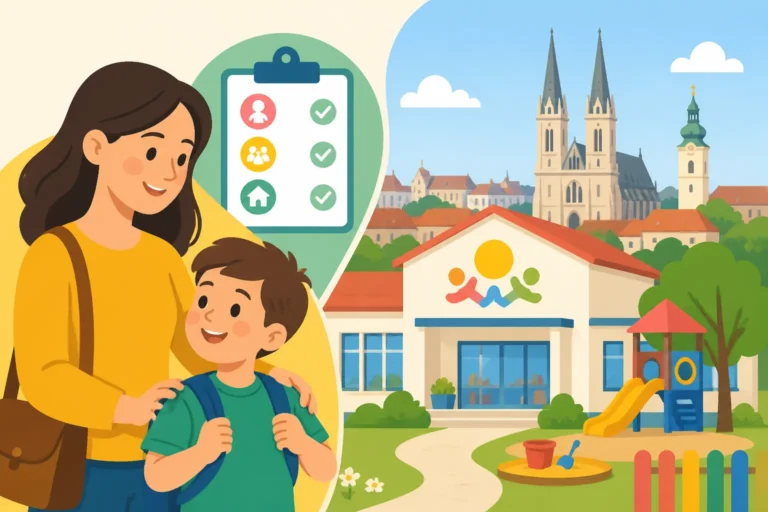
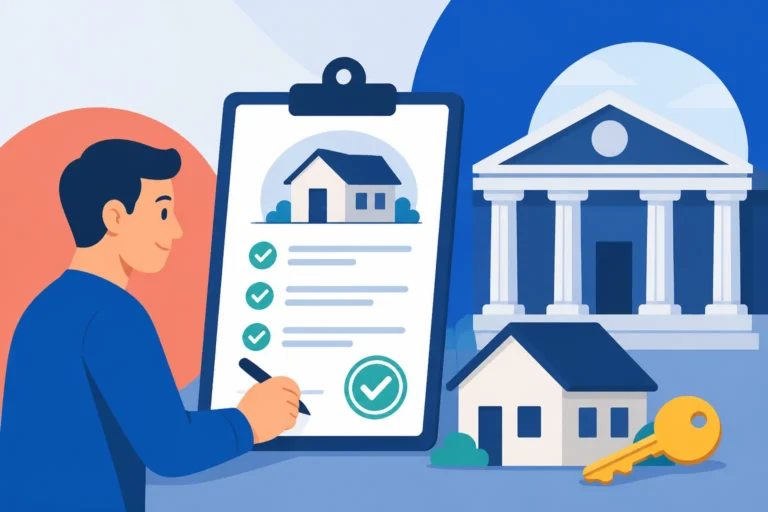
One of the most immediate needs for this document is when you're trying to open a bank account at a Croatian bank as a foreigner. Banks are stringent about knowing your official address for compliance and communication purposes. They need to verify that you are indeed a resident. Similarly, if you're a parent, enrolling your child in a Croatian public school or even a local kindergarten (vrtić) will definitely require proof of residence. They need to confirm your family lives within their catchment area.
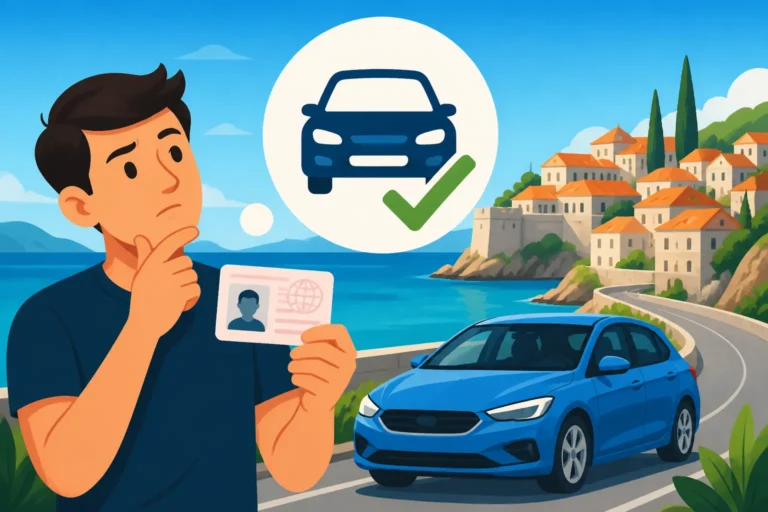
Beyond that, consider services like healthcare. When you try to register for HZZO Health Insurance as a Foreigner in Croatia, the Croatian Health Insurance Fund needs official confirmation of your address. This ensures you're properly enrolled in the system based on your location. If you’re exchanging your foreign driving license for a Croatian one, the MUP will need your Uvjerenje o prebivalištu to verify your local address before issuing new documentation. Even something as simple as joining a local library or applying for certain municipal benefits might lead to this request. It truly is one of those ubiquitous documents that will keep popping up, sometimes when you least expect it.
Legal Basis and Obligation for Residents
The requirement to register your prebivalište is enshrined in Croatian law, specifically the Law on Residence (Zakon o prebivalištu). This legislation mandates that all persons residing in Croatia, whether Croatian citizens or foreigners, must register their permanent address with the MUP. This isn't unique to Croatia; many countries have similar systems to maintain accurate population records and ensure access to public services.
For expats who have been granted any form of temporary or permanent residence in Croatia, registering your address is a legal obligation. It’s part of the broader process of registering your residence in Croatia: The complete MUP guide. Once your residence permit is approved, whether it’s a standard temporary permit or even a Croatian digital nomad permit, you must then go to the MUP to officially register your address. The Uvjerenje o prebivalištu is the tangible proof that you've fulfilled this legal duty and are officially recognized as living at that address. It’s a fundamental step towards becoming a fully integrated resident, allowing you to vote in local elections (if eligible), receive official mail, and generally be recognized by the state for administrative purposes.
Step-by-Step Guide to Obtaining Your Uvjerenje o Prebivalištu
Alright, let's get down to the nitty-gritty. Obtaining this certificate can feel like a mini-adventure in itself, but with a clear roadmap, you can minimize the typical expat frustrations. Remember, patience is your best friend when dealing with Croatian bureaucracy.
Where to Go: The MUP is Your Friend (Sometimes)
The primary authority for all residence-related matters, including issuing the Uvjerenje o prebivalištu, is the Ministry of Interior (Ministarstvo unutarnjih poslova), or MUP. Specifically, you'll need to visit the administrative police department (Upravni poslovi) responsible for your area of residence.
In larger cities like Zagreb, Split, or Rijeka, the MUP administrative offices are typically located in central, larger buildings. You might find different departments handle different aspects of foreign affairs, but for residence registration, you're usually looking for the Upravni poslovi section. In smaller towns, the local police station will typically have a dedicated desk or office for these administrative tasks. It's always a good idea to check the MUP's official website or ask a local for the precise location and opening hours, as these can vary. While booking an appointment is becoming more common in bigger cities, sometimes it's still a walk-in, grab-a-number situation. If you can book an appointment at the MUP for immigration matters, definitely do so to save yourself a potentially long wait.
Gathering Your Documents: The Paper Chase Begins
Before you even step foot into the MUP, ensure you have all your ducks in a row. Nothing is more frustrating than waiting in line for an hour only to be told you're missing a crucial piece of paper. You’ll need to prove two main things: your identity and your accommodation.
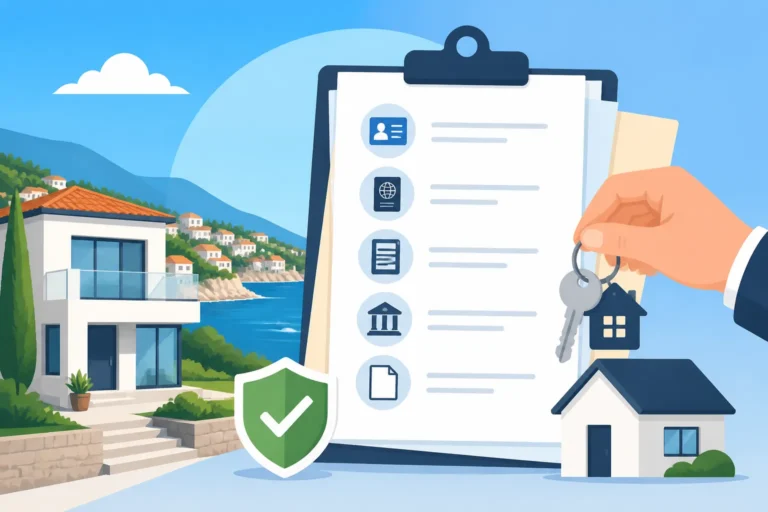
Here's a breakdown of what you'll typically need:
- Valid Passport or ID: Your passport (for non-EU citizens) or national ID card (for EU/EEA citizens) is essential. Make sure it's valid for your entire intended stay.
- Residence Permit (Boravišna iskaznica): If you are a non-EU/EEA citizen, you'll need your biometric residence card, proving you have a valid temporary or permanent stay in Croatia. This is the card you received after your initial Croatian residence permit was approved.
- Proof of Accommodation: This is critical. It could be:
- Rental Agreement (Ugovor o najmu): A properly drafted and signed rental contract. It's crucial that this contract is notarized or at least registered with the tax authorities (Porezna uprava). Some MUP offices are very strict about this. For more details on what makes a good lease, check out the expat guide to renting an apartment in Croatia (2026).
- Property Ownership Certificate (Vlasnički list): If you own the property, you'll need a copy of the vlasnički list (land registry excerpt) proving your ownership.
- Statement from Property Owner (Izjava stanodavca): If you're staying with friends or family and don't have a formal lease, the property owner might need to provide a signed statement confirming you live there, often with a copy of their ID and vlasnički list.
- OIB (Personal Identification Number): While you usually get your OIB as part of your initial residence permit application, it’s a good idea to have it handy. If you haven't got yours yet, learn how to get an OIB (Personal Identification Number) in Croatia.
- Application Form: The MUP will provide a form to fill out on-site, or sometimes you can download it beforehand from their website. It's usually a simple form asking for personal details and the address you're registering.
Always bring both original documents and photocopies. In Croatia, they often prefer to see the original, but will sometimes keep the copy. It's a bit of a dance, so having both prepared saves you a trip to a nearby fotokopiraona. And when it comes to moving all your crucial documents, services like Sirelo can be invaluable in ensuring everything arrives safely, removing one less stress from your relocation process.
The Application Process: What to Expect at the MUP Counter
Once you have your documents in hand, you'll head to the MUP office. Here’s a general rundown of what to anticipate:
First, brace yourself for a wait. While some offices are modern and efficient, others can still involve significant queuing, especially during peak hours. Grab a number from the machine if there is one – don't just stand there bewildered, hoping someone will notice you (I've been there!).
When your number is called, approach the counter with a friendly "Dobar dan!" (Good day!). Present all your documents to the MUP official. They will review them, likely making sure everything is in order and that your proof of accommodation is legitimate. This is where a proper, registered lease or vlasnički list is crucial. If there are any issues, they will inform you. Sometimes, a language barrier can complicate things, so if your Croatian isn't up to snuff, consider bringing a Croatian-speaking friend or interpreter. This can dramatically speed up the process and reduce misunderstandings.
The official will enter your details into their system. This is the actual registration of your residence (Prebivalište) at the MUP. Once the data is input and approved, they will typically print out your Uvjerenje o prebivalištu right then and there. It's usually a standard A4 sheet of paper with the MUP's official stamp and the date. Review it carefully to ensure all details, especially your name and address, are correct.
Fees and Collection
Yes, there's always a fee! For the Uvjerenje o prebivalištu, you'll need to pay an administrative fee, usually in the form of biljezi (tax stamps). These biljezi can be purchased at kiosks (Tisak or iNovine) or at the post office. The MUP official will tell you the exact amount, but it's typically a small sum, maybe a few euros. It’s always good to have some small cash on hand for these stamps, just in case.
Once you have the stamps, you present them to the MUP official, and they will attach them to the document or application form. In most cases, if all your documents are in order, you'll walk out with your Uvjerenje o prebivalištu on the same day. Sometimes, if there are minor issues or if the office is exceptionally busy, they might tell you to return in a day or two to collect it, but this is less common for this particular certificate.
Common Challenges and Troubleshooting for Expats
Even with a detailed guide, the reality of Croatian bureaucracy can throw a few curveballs. It’s not always a smooth sail, and expecting some bumps along the way can help manage your expectations and reduce stress.
Language Barriers and How to Overcome Them
Perhaps the most common frustration for new expats is the language barrier. While many younger Croatians, especially in tourist areas, speak English, this isn't always the case with government officials. And let's be honest, trying to explain complex legal documents or specific administrative terms in a language you're not fluent in is incredibly stressful.
My advice? Don't go it alone if you're not confident in your Croatian.
Firstly, bring a Croatian-speaking friend, colleague, or even a professional interpreter. Their presence can make a world of difference, not just in translating, but also in understanding the nuances of the interaction. They can also explain what the MUP official is saying in detail, helping you avoid mistakes.
Secondly, utilize technology. Google Translate or similar apps can be lifesavers for basic communication, though they might struggle with very specific legal terminology. Have key phrases written down or typed out in Croatian on your phone.
Thirdly, consider taking some Croatian language classes. Even basic knowledge can empower you and show officials you’re making an effort to integrate, which is often appreciated. Resources like learning Croatian: A complete guide to language courses and levels can help you get started.
Missing Documents or Incorrect Information
This is the biggest time-waster and source of expat angst. You think you have everything, only to be told something is missing or incorrect. The key here is meticulous preparation.
- Double-check everything: Before your MUP visit, go over your document list again. Are all copies made? Are originals present? Is your lease signed by both parties and, ideally, notarized or tax-registered?
- Proof of Accommodation Issues: Sometimes, the MUP might find an issue with your proof of accommodation. Perhaps the landlord didn't properly register the lease with the tax office, or their property ownership isn't fully updated in the land registry. If this happens, you'll need to work with your landlord to rectify the situation. This can involve them registering the lease (often a simple online process for them) or updating their property records.
- Expired documents: Ensure your passport, residence permit, and any other ID are still valid. An expired document will immediately halt the process.
It’s always a good idea to call the MUP administrative office beforehand, if possible, or consult their website to get the most up-to-date list of required documents. Requirements can occasionally change, or there might be specific nuances for your nationality or residence type.
Navigating the MUP System in Larger Cities vs. Smaller Towns
The MUP experience can differ quite a bit depending on whether you're in bustling Zagreb or a quiet Dalmatian village.
In larger cities like Zagreb, Split, or Rijeka, you might encounter:
- Longer queues: More people means more waiting. It’s simply a fact of life.
- More structured systems: Many larger MUP offices now have number-taking systems, dedicated counters for foreigners, and sometimes even online appointment booking. While it helps, you still need to be prepared for potential delays.
- Specialized staff: There might be staff members who speak some English, especially in departments dealing frequently with foreigners, but don't count on it.
In smaller towns and rural areas, your experience might be:
- Shorter waits: Fewer people often mean faster service. You might even be seen immediately.
- Less formal atmosphere: The process might feel a bit more personal, though still strictly official.
- Less English spoken: The likelihood of finding an English-speaking official is lower. This is where your Croatian skills (or a Croatian friend) become absolutely indispensable.
Regardless of location, a polite, patient, and prepared approach will always serve you best. Remember, the officials are doing their job, and a little respect goes a long way. Stay connected and informed, even when waiting, by using local SIM cards. Companies like Airalo can offer e-SIM solutions that keep you connected without the hassle of physical SIM cards, letting you look up quick translations or check information while you wait.
| Document Category | Specific Documents Required | Notes |
|---|---|---|
| Identity & Status | Valid Passport / National ID Card | Original and a photocopy |
| Croatian Residence Permit (Boravišna iskaznica) | Original and a photocopy, if applicable (for non-EU citizens) | |
| OIB (Personal Identification Number) | Have it written down or a copy of your OIB card | |
| Proof of Address | Valid Rental Agreement (Ugovor o najmu) | Original and a photocopy; should be notarized or tax-registered |
| Property Ownership Certificate (Vlasnički list) | Original and a photocopy, if you own the property | |
| Statement from Property Owner (Izjava stanodavca) | Signed, with owner's ID copy, if living with friends/family | |
| Application Form | MUP Application Form | Usually provided on-site; fill out carefully with correct address |
| Fees | Biljezi (Tax Stamps) | Purchase at kiosks/post office; amount specified by MUP official |
Disclaimer
Please remember that while this guide provides comprehensive information based on current regulations and typical expat experiences in Croatia, administrative procedures and legal requirements can change. It is always advisable to consult the official MUP website or seek professional legal advice for the most current and personalized information relevant to your specific situation. This guide is for informational purposes only and does not constitute legal counsel.