Understanding Dental Care Coverage Under HZZO in Croatia
One of the biggest anxieties for new arrivals in Croatia, after wrestling with the MUP and securing their residence, often revolves around healthcare, and let's be honest, dental care is a whole different beast. Navigating the public health insurance fund, HZZO, for dental work can feel like trying to solve a Rubik's Cube blindfolded, especially when you're used to a different system. This guide will meticulously break down what you can expect from HZZO for your pearly whites, exploring the coverages, limitations, and essential tips for keeping your smile healthy and your wallet happier in your new Croatian home.
The Basics of HZZO Dental Coverage
Alright, let's talk about the Croatian Health Insurance Fund, or HZZO. If you've managed to Registering with HZZO in Croatia: The Complete Expat Guide (2027), you're officially part of the public healthcare system. This is fantastic for general health, but when it comes to teeth, it's a bit more nuanced. The key thing to understand is that HZZO provides a baseline of dental services, focusing on essential care rather than cosmetic procedures or high-end materials. It’s designed to keep you out of pain and maintain basic oral hygiene, not necessarily to give you a Hollywood smile, unless that involves some very standard fillings.
What HZZO Actually Covers (and Doesn't)
So, what exactly can you get done under HZZO? Generally, the public system covers routine check-ups, basic fillings (amalgam and some composite in less visible areas), tooth extractions, root canal treatments for certain teeth, and basic prosthetics like dentures or partial bridges (though often with a long waiting list and older materials). Think of it as functional dentistry. If you have a raging toothache, a cavity, or need a tooth pulled, HZZO has you covered for the most part. This is your safety net, ensuring that critical dental health issues are addressed without crippling out-of-pocket costs.
However, the list of what's not covered or only partially covered is often what surprises expats. Modern composite fillings for front teeth, orthodontic treatments for adults, dental implants, complex crown and bridge work with high-quality materials, veneers, and aesthetic procedures are typically outside the scope of basic HZZO coverage. While HZZO aims to provide universal access to necessary care, the definition of "necessary" is quite stringent here. For anything beyond the absolute basics, you're usually looking at significant co-payments or needing to venture into the private sector. It's a common frustration to discover that the specific type of filling or crown you'd prefer isn't an HZZO option.
Finding an HZZO Dentist (Ugovorna Ambulanta)
Finding an HZZO-contracted dentist, or ugovorna ambulanta, isn't always as straightforward as you might hope. Unlike finding a The Expat Guide to Finding a Family Doctor (Obiteljski Liječnik) in Croatia, where lists are somewhat easier to come by, dental practices can be a bit more elusive. Your first stop should generally be your local Dom Zdravlja, which is the public health center in your area. Many HZZO dentists operate out of these centers. You can visit in person and inquire about available dentists who are accepting new patients. This is often a word-of-mouth process or requires a bit of legwork, as online lists aren't always up-to-date or comprehensive.
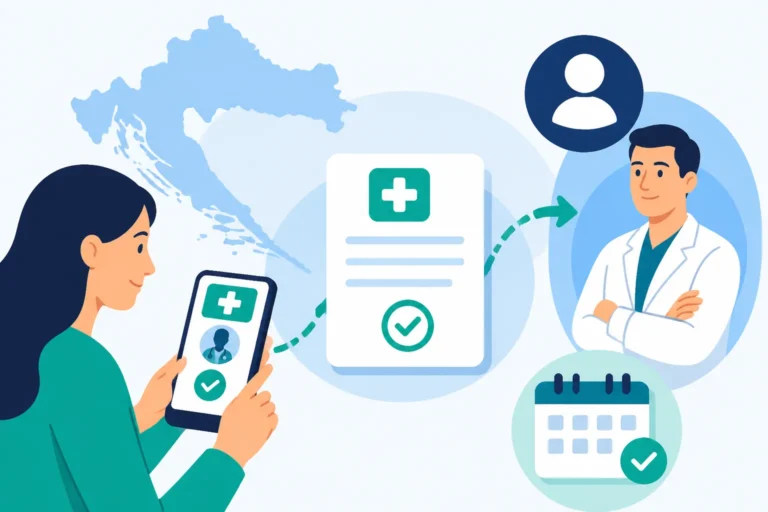
When you find an HZZO dentist who has an opening, you'll need to register with them. This process is similar to registering with any other HZZO-contracted doctor. You'll typically need your OIB (personal identification number), your HZZO card, and possibly your residence permit. Once registered, that dentist becomes your primary dental care provider within the public system. It's important to remember that you can only be registered with one HZZO dentist at a time. If you move or are unhappy, switching dentists is possible, but it follows a specific procedure, often requiring a formal request to HZZO. Don't be shy about asking if they speak some English; while not guaranteed, many younger professionals do, and clear communication is vital when it comes to your health.
Navigating the Public System's Limitations
While HZZO dental coverage is a lifeline for many, it's crucial to approach it with realistic expectations, particularly concerning wait times and the scope of services. Many expats, especially those accustomed to instant appointments and a wide array of choices, find the public system's limitations challenging. It's not a reflection of the dentists' skills, but rather the system's capacity and funding.
Long Waiting Lists and Specialist Referrals
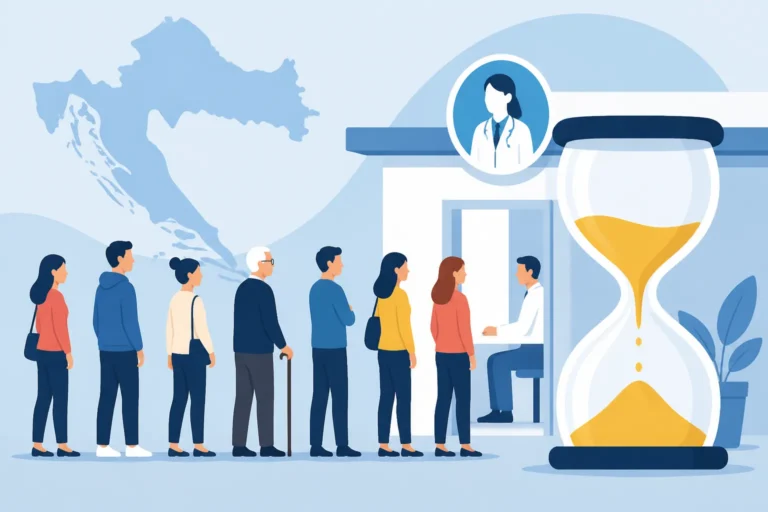
One of the most frequently cited frustrations with HZZO dental care is the waiting list. For routine check-ups, simple fillings, or extractions, you might get an appointment relatively quickly, perhaps within a week or two, depending on the dentist's schedule. However, for more specialized procedures or referrals to an oral surgeon or orthodontist, waiting times can stretch into months, sometimes even longer. Imagine dealing with a persistent issue, only to be told you'll have to wait half a year for a specialist appointment. This isn't uncommon.
Getting a referral itself can be a multi-step process. First, your HZZO general dentist needs to assess your condition and determine if specialist care is warranted. Then, they issue an e-uputnica, an electronic referral. You then have to present this referral to the specialist's office (which also needs to be HZZO-contracted) and join their waiting list. This labyrinthine process is a big reason why many expats opt for private care for anything beyond the most basic needs, simply to avoid the prolonged wait and potential discomfort. If you're new to the system, it's vital to get a handle on How e-Uputnica (E-Referrals) Work for Specialist Appointments in Croatia to understand the general referral mechanism, even if dental specifics differ slightly.
The Quality and Scope of Public Dental Services
When it comes to the quality of care, HZZO dentists are generally well-trained and competent. The issue isn't typically with the dentists themselves, but with the resources and materials available within the public system. As mentioned, the focus is on functional, essential care. This often means that while a cavity will be filled, the material used might be amalgam (silver fillings) or a basic composite, particularly for molars, rather than the newer, more aesthetically pleasing, and sometimes more durable options found in private clinics.
For prosthetic work like dentures or bridges, the materials and technology used in the public system might be older or less advanced than what you'd find privately. While perfectly functional, they might not offer the same level of comfort, aesthetics, or longevity. For instance, if you're looking for advanced implant solutions or invisible braces, the HZZO system simply won't cover these, or they'll be extremely difficult to access even with a partial co-payment. This is where the trade-off becomes apparent: basic, accessible care versus modern, comprehensive solutions. Understanding these limitations is key to managing your expectations and deciding whether the public system meets your specific dental needs.
When HZZO Falls Short: Understanding Dopunsko and Private Options
Given the limitations of HZZO's basic dental coverage, many expats find themselves exploring supplementary options or dipping into the private sector. It's a common path, especially if you prioritize comprehensive care, shorter wait times, and a wider range of treatment choices. Thinking about your dental health early can save a lot of headaches later, literally.
The Role of Dopunsko Zdravstveno Osiguranje for Dental Care
Here's where Dopunsko Zdravstveno Osiguranje (supplementary health insurance) comes into play, and it’s a crucial component for many within the Croatian healthcare landscape. While HZZO covers the basic cost of public dental treatments, you're usually still on the hook for a participacija or co-payment. This is a fee you pay at the point of service for most medical procedures, including dental work, within the public system. If you have Dopunsko, it covers these co-payments. So, while it doesn't expand the range of services HZZO covers (meaning it won't pay for your dental implants), it effectively makes the covered HZZO services free at the point of use.
For expats who primarily use the public system for their general dental needs, investing in Dopunsko is a no-brainer. The monthly premiums are relatively low, usually around €10-20, and they can save you significant amounts on co-payments over the year, especially if you need multiple fillings or procedures. It also covers co-payments for other medical services, so it's a solid overall investment. You can learn more about this vital insurance in our guide, Understanding Dopunsko Zdravstveno Osiguranje (Supplementary Insurance) in Croatia. Companies like Croatia Osiguranje and Generali are common providers for Dopunsko.
Exploring Private Dental Clinics for Expats
For anything beyond the basic HZZO offerings, or if you simply can't stand the wait times, private dental clinics are your go-to. Croatia has a thriving private dental sector, particularly in larger cities like Zagreb, Split, Rijeka, and even smaller towns. These clinics often boast state-of-the-art equipment, offer a full range of services from cosmetic dentistry to complex oral surgery, and typically use higher-quality materials (think top-tier composite fillings, zirconium crowns, and advanced implant systems). The immediate benefit is, of course, speed. You can usually get an appointment within days, sometimes even the same day for emergencies.
Many private dental clinics cater specifically to foreigners, often employing English-speaking staff and offering a more personalized, less bureaucratic experience. While the costs are significantly higher than HZZO, they are often still more affordable than comparable private treatments in Western Europe or North America, making Croatia a popular destination for dental tourism. When choosing a private clinic, look for recommendations from other expats, check online reviews, and don't hesitate to schedule an initial consultation to discuss your needs and get a quote. Be prepared for direct payment, as private clinics do not operate under the HZZO system. This is also where comprehensive private health insurance, like some plans offered by SafetyWing, could be beneficial if it includes dental coverage, as it might help offset some of these costs, particularly for unexpected emergencies or specific treatments.
Costs and Co-Payments (Participacija)
Understanding the financial side of dental care in Croatia can be a bit confusing, especially with the interplay between HZZO, Dopunsko, and private clinics. It’s not just about the upfront cost; it’s about what you’re paying for and what value you’re getting. Many expats find that while the initial public costs seem low, the limitations can push them towards private options anyway.
Unpacking Participacija for Dental Treatments
As we touched upon, participacija refers to the co-payment you are required to make for healthcare services within the public HZZO system if you do not have Dopunsko Zdravstveno Osiguranje. For dental treatments, this can vary depending on the specific procedure. The participacija amount is a percentage of the service's cost or a fixed fee, usually capped at a certain amount per procedure or visit. Without Dopunsko, every time you get a filling, an extraction, or even a routine check-up, you'll be asked to pay this fee.
For example, a standard filling might incur a participacija of around €1-€5, while a more complex procedure could be higher. While these individual amounts might seem small, they can quickly add up if you require multiple treatments or have ongoing dental issues. This is precisely why most residents, both Croatian and expat, opt for Dopunsko. It essentially acts as a safety net, eliminating these frequent small payments and streamlining your experience at the public dentist. Our detailed guide on Understanding Participacija (Co-Payments) in the Croatian Health System provides a broader context for how these fees apply across all healthcare services.
Comparing Costs: Public vs. Private Out-of-Pocket
Let's talk numbers, because that's often what truly helps you decide. In the HZZO system, with Dopunsko, most basic procedures are effectively free at the point of service. Without Dopunsko, you're looking at those participacija fees.
In the private sector, however, you're paying the full price. Here’s a rough idea of what you might expect, but remember these are just averages and can vary significantly by clinic, location, and the complexity of the procedure:
- Routine Check-up & Cleaning: €40 – €80
- Composite Filling: €50 – €120 (depending on size and tooth)
- Tooth Extraction: €50 – €150 (simple vs. surgical)
- Root Canal Treatment: €150 – €400 per tooth
- Dental Crown (e.g., metal-ceramic): €200 – €400
- Zirconium Crown: €350 – €600+
- Dental Implant (implant only, excluding crown): €500 – €1000+
- Orthodontic Treatment (braces): €2000 – €5000+
As you can see, the difference is substantial. While HZZO offers essential care at minimal cost (with Dopunsko), private clinics provide a wider array of services, often using more advanced techniques and materials, but at a much higher price point. For some, the peace of mind of quicker appointments, modern options, and English-speaking staff in private clinics outweighs the cost. For others, particularly those on a tighter budget, sticking to HZZO and Dopunsko for all covered procedures is the most financially sensible approach. Many expats find a hybrid approach works best: HZZO for basics, private for complex or aesthetic work.
Here’s a simplified comparison:
| Feature | HZZO with Dopunsko (Public) | Private Clinics (Out-of-Pocket) |
|---|---|---|
| Coverage | Basic fillings (amalgam, some composite), extractions, basic root canals, simple prosthetics. | Comprehensive range: all types of fillings, crowns, bridges, implants, orthodontics, cosmetic work. |
| Cost to Patient | Effectively free at point of service for covered procedures. | Full cost of treatment (can be significantly higher, but often still cheaper than Western Europe/NA). |
| Wait Times | Can be long, especially for specialists or non-urgent treatments. | Generally very short, often same-day or within a few days. |
| Materials/Technology | Standard materials, older technology in some cases. | High-quality, modern materials and advanced technology. |
| Aesthetic Options | Limited to functional needs, little focus on aesthetics. | Wide range of aesthetic options available. |
| English-Speaking Staff | Possible, but not guaranteed. | Very common, many clinics cater to international clients. |
| Flexibility | Must register with one dentist, follows strict HZZO rules. | Choose any clinic, more flexibility in treatment plans. |
Practical Tips for Expats Seeking Dental Care
Even with all the information, the practicalities of getting dental care as an expat in Croatia can still present a few hurdles. From language barriers to handling emergencies, being prepared can make a world of difference.
Language Barriers and Communication
This is a big one. While many younger dentists and staff in private clinics, especially in tourist areas or larger cities, speak excellent English, it's not a given in the public system, particularly outside of Zagreb or Split. When you're explaining a specific pain or a complex dental history, clear communication is absolutely critical. Imagine trying to explain a radiating pain in your jaw or a previous complex dental surgery with hand gestures and broken Croatian! It's a recipe for miscommunication and frustration.
If you don't speak Croatian, try to:
- Seek out English-speaking dentists: Many private clinics advertise this. For HZZO, you might need to ask around or rely on recommendations. Our guide on How to Find an English-Speaking Doctor in Croatia offers general advice that applies to dentists too.
- Bring a Croatian-speaking friend: This is invaluable, especially for initial appointments or when discussing treatment plans.
- Use translation apps: While not perfect, they can help bridge basic communication gaps.
- Prepare questions in advance: Write down your symptoms and questions in simple terms, perhaps translated, to ensure you cover everything.
Don't underestimate the importance of clear communication. Your oral health depends on it!
Emergency Dental Situations and HZZO
Dental emergencies can be terrifying, especially in a new country. A sudden, severe toothache, a knocked-out tooth, or an abscess needs immediate attention. In Croatia, for true dental emergencies, you have a few options:
- Your HZZO Dentist: During regular working hours, your registered HZZO dentist is your first point of contact. They should be able to provide immediate relief or refer you to an emergency service if their practice isn't equipped.
- Dežurna Zubna Ambulanta (Emergency Dental Clinic): Larger cities like Zagreb, Split, and Rijeka have designated emergency dental clinics that operate outside regular hours, including nights, weekends, and holidays. These are typically located within a Dom Zdravlja or a specific clinical center. A quick Google search for "dežurna zubna ambulanta [city name]" should help you find the nearest one. These operate under HZZO rules, so if you have Dopunsko, your participacija should be covered. If not, expect a co-payment.
- Private Emergency Clinics: Many private dental clinics also offer emergency services, often with dedicated hotlines. While more expensive, they offer speed and often English-speaking staff. This can be a godsend if you're in severe pain and need immediate attention without dealing with the public system's bureaucracy.
It's always a good idea to know where your nearest emergency dental clinic is before you need it. Remember, in case of any medical emergency, including dental ones, you can always dial 112 for general emergency services, but they will likely direct you to a hospital or specific emergency dental unit rather than directly providing care. For broader emergency health information, check out Emergency Medical Care in Croatia: What Every Expat Needs to Know. If you're traveling or in the early stages of settling in, having a robust travel health insurance policy like SafetyWing can provide an extra layer of security for unexpected dental emergencies, covering urgent care costs before you're fully integrated into the HZZO system.
Disclaimer
Please note that while every effort has been made to provide accurate and up-to-date information, healthcare policies and regulations in Croatia can change. This guide is intended for informational purposes only and should not be considered legal or medical advice. Always consult with official HZZO sources, your dentist, or a qualified legal professional for the most current and personalized information.