How Do I Find a Pediatrician (Pedijatar) in Rijeka?
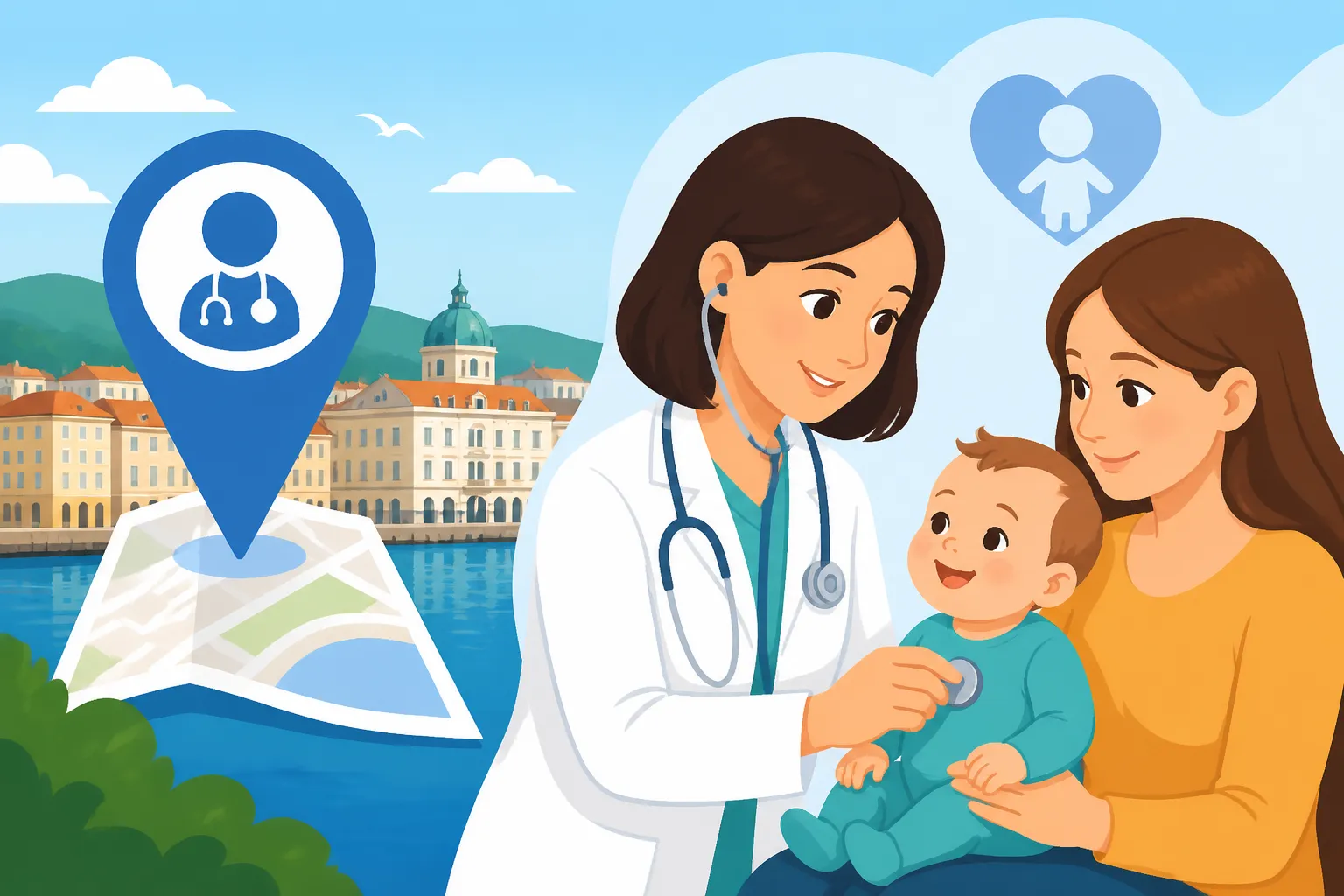
Finding a pediatrician for your child in a new country like Croatia, especially in a city like Rijeka, can feel like navigating a maze blindfolded, bringing with it a unique blend of anxiety and frustration. You’re not just looking for any doctor; you’re looking for someone who will understand your child’s needs, communicate effectively with you, and integrate seamlessly into your new life here. This guide is here to unravel that process, offering a realistic, empathetic, and step-by-step roadmap to finding a pedijatar in Rijeka, so your little ones get the care they deserve.
Understanding the Croatian Pediatric System for Expats
The healthcare system in Croatia, and specifically for children, operates a bit differently than what many expats might be used to. It’s a mix of public and private options, each with its own quirks and advantages. Getting a grasp of this distinction is your first step to making an informed decision for your family in Rijeka.
Public vs Private Pediatric Care in Rijeka
When you're looking for a pedijatar in Rijeka, you'll primarily be choosing between the public health system, largely managed by the Croatian Health Insurance Fund (HZZO), and private clinics. The public system is typically where most Croatian citizens receive their care, and once you're properly registered with HZZO, it's either free at the point of service or involves minimal co-payments (participacija).
Public pediatric clinics in Rijeka are usually housed within Domovi Zdravlja (health centers), which are community-based hubs. Here, you'll find general practitioners, pediatricians, gynecologists, and often dental services all under one roof. The quality of care in the public system is generally good, but the main challenge expats often face is the language barrier and potentially longer waiting times for non-urgent appointments or specialist referrals. For example, the Dom Zdravlja Rijeka on Krešimirova street covers a large area, and while they have excellent doctors, the system can feel a bit impersonal if you're not fluent in Croatian. However, once you're registered, all basic health services for your child, including vaccinations and routine check-ups, are covered. Many expats manage perfectly well within this system, especially if they have a Croatian-speaking friend or spouse to help with initial visits.
On the other hand, private pediatric polyclinics in Rijeka offer a different experience. These are often smaller, more modern facilities with a strong emphasis on patient comfort and convenience. You typically pay out-of-pocket for each visit, though some private health insurance plans might cover a portion of the costs. The significant advantages of private care often include shorter waiting times, more personalized attention, and a higher likelihood of finding English-speaking doctors. Many private polyclinics cater specifically to expats and tourists, understanding the need for clear communication and often offering additional services like same-day appointments or extended hours. Companies like SafetyWing, which offers health insurance for digital nomads and other long-term travelers, might be a good option for those initially navigating Croatia's healthcare system or who prefer private care until they secure HZZO coverage.
The Role of a Pedijatar in Croatia
In Croatia, a pedijatar (pediatrician) is more than just a children's doctor; they are your child's primary care physician from birth up until their 18th birthday. This is a crucial distinction, as in some countries, children transition to a general practitioner much earlier. Your chosen pedijatar will be responsible for almost all aspects of your child's health. This includes:
- Routine Check-ups and Vaccinations: They will follow the national vaccination schedule and conduct regular developmental check-ups.
- Acute Illnesses: If your child gets a fever, cough, or any other common childhood ailment, your pedijatar is the first point of contact. They will diagnose and prescribe medication, often using the e-Recept system. If you're wondering how medications are handled, a deeper dive into Prescription Medications and Pharmacies in Croatia: The Complete Guide might be helpful.
- Referrals to Specialists: Should your child require specialized care—be it an allergist, dermatologist, or another expert—your pedijatar will provide an e-uputnica (e-referral). Without this referral, accessing public specialists can be difficult, if not impossible. Understanding how e-Uputnica (E-Referrals) Work for Specialist Appointments in Croatia is key here.
- Chronic Condition Management: For children with ongoing health issues, the pedijatar coordinates care, manages prescriptions, and liaises with specialists.
Choosing your pedijatar is a big decision because they become a central figure in your child’s health journey. They are your gatekeeper to the public system, and building a good relationship with them is highly recommended.
Navigating Your Search for a Pediatrician in Rijeka
Now that you understand the lay of the land, let’s talk about how to actually start looking for that perfect pedijatar in Rijeka. It’s not always as straightforward as searching on Google, but with a bit of persistence, you’ll find the right fit.
Starting with Local Health Centers (Dom Zdravlja)
The most common starting point for most residents, including expats planning to register with HZZO, is the local Dom Zdravlja. Rijeka has several of these, serving different parts of the city. The main Dom Zdravlja in Rijeka is located at Krešimirova 52, but there are also branches in various neighborhoods, such as Zamet, Turnić, Vežica, and Centar.
Here's how you might approach it:
- Identify Your Local Dom Zdravlja: Your address will typically determine which Dom Zdravlja branch covers your area. You can usually find this information by asking locals, visiting the main Dom Zdravlja website, or simply walking into the nearest one and inquiring.
- Inquire About Available Pediatricians: Once you've identified the relevant Dom Zdravlja, the next step is to call or visit the administration office. You'll need to ask if any pediatricians currently have open spots for new patients. This can sometimes be a challenge, as popular pedijatri often have full patient lists. Don't be discouraged if your first choice isn't available; sometimes you need to try a few different locations or even wait a bit.
- Check for English Speakers: This is often the biggest hurdle. While many younger doctors speak English, it's not guaranteed, especially in the public system. Don't hesitate to ask if they have any pedijatri who are fluent in English or at least comfortable communicating in it. You can specifically ask, "Imate li pedijatra koji govori engleski?" (Do you have a pediatrician who speaks English?). For general tips on finding doctors who understand your language, you might find How to Find an English-Speaking Doctor in Croatia useful.
Remember, the Dom Zdravlja system is designed for broad public access, and while effective, it requires a proactive approach and a good dose of patience from expats.
Exploring Private Polyclinics and Specialists
If the public system seems too daunting, or if you prioritize convenience and English-speaking staff, private polyclinics are an excellent alternative. Rijeka has a growing number of private health facilities that offer pediatric services.
Some well-regarded private options in Rijeka or nearby include:
- Poliklinika Medico: This is a larger private polyclinic that often has a range of specialists, including pediatricians. They are generally well-equipped and accustomed to international patients.
- Poliklinika Terme Selce (near Rijeka): While not directly in Rijeka, clinics like this one, renowned for their overall quality, might have pediatric services or highly recommended specialists that families in Rijeka consider, especially for specific diagnostics or consultations.
- Smaller Private Practices: Keep an eye out for independent private pediatric practices. These are often run by experienced doctors who have opted out of the public system. Word-of-mouth recommendations are golden here!
When considering private options:
- Research and Reviews: Look for online reviews, ask in expat Facebook groups for Croatia or Rijeka, and gather recommendations.
- Direct Contact: Call the clinics directly. Ask about their pediatric services, whether their doctors speak English, appointment availability, and, crucially, their fee structure.
- Insurance: Clarify if they accept any international private health insurance. If you're still relying on travel health insurance or a flexible plan like SafetyWing, make sure to understand their reimbursement procedures. It’s important to know the distinction between different types of health coverage, and Health Insurance in Croatia: Mandatory, Supplementary and Private Options Explained can shed more light on this.
Private clinics offer a quicker, often more comfortable route, but you'll be paying for that convenience.
Online Resources and Expat Networks
One of the most valuable resources for finding a pedijatar in Rijeka, especially one that meets expat-specific needs, is the expat community itself.
- Facebook Groups: Search for "Expats in Rijeka," "Foreigners in Croatia," or "Moms in Croatia" groups on Facebook. These communities are incredibly supportive, and you'll find real-world advice, personal experiences, and direct recommendations from parents who have gone through the exact same process. Members often share contact details, specific doctor names, and tips on navigating the system.
- Forums and Blogs: While less active than Facebook groups, older forums or blogs dedicated to expat life in Croatia can still hold valuable archived information.
- Online Doctor Directories: Websites that list doctors, like Najdoktor (which is in Croatian), can be useful for finding names and contact details, but they might not always indicate English proficiency or current patient capacity. You might need to use a translation tool to navigate them.
- Your Embassy or Consulate: While they won't recommend specific doctors, your embassy or consulate in Croatia might have a list of English-speaking medical professionals in various cities, including Rijeka, which can be a good starting point.
These networks can save you a lot of legwork and provide insights that official sources simply can't.
Key Considerations When Choosing Your Pedijatar
Beyond simply finding an open spot, there are several crucial factors to weigh when selecting the right pedijatar for your family in Rijeka.
Language Barrier and Communication
This is perhaps the biggest concern for many expat parents. Being able to communicate effectively with your child's doctor is paramount, especially when discussing sensitive health issues, understanding diagnoses, or following complex instructions.
- Direct English Communication: The ideal scenario is a pedijatar who speaks fluent English. This eliminates misunderstandings and allows you to feel fully confident in the care provided. Don't be afraid to explicitly ask during your initial inquiries if the doctor speaks English.
- Using a Translator/Interpreter: If an English-speaking pedijatar isn't available, or if you fall in love with a doctor who only speaks Croatian, consider bringing a Croatian friend, family member, or a professional interpreter to appointments. While not ideal for every visit, it can bridge the gap for important consultations. Many local friends are incredibly willing to help, as Croatians are generally very supportive.
- Body Language and Visual Aids: Even with a language barrier, a good doctor will use body language, demonstrations, and perhaps even drawing to convey information. However, this should ideally be a last resort for complex medical discussions.
Remember, clear communication isn't a luxury; it's a necessity for good healthcare.
HZZO Registration and Insurance Considerations
Your choice of public or private pedijatar is intrinsically linked to your health insurance situation in Croatia.
- HZZO Enrollment: If you are an employed expat, self-employed, or a family member of someone registered with HZZO, you'll want to get your child registered under the public health insurance scheme. This usually happens after you've obtained your OIB and residence permit. Your chosen public pedijatar will then be your HZZO-contracted doctor, meaning most services are covered. The journey to getting public health insurance is detailed in guides like Registering with HZZO in Croatia: The Complete Expat Guide (2027) and How to Register Family Members for Health Insurance in Croatia. Don't forget, understanding How the Croatian Health Insurance Fund (HZZO) Works: A Full Overview is fundamental to this process.
- Private Health Insurance: If you're not eligible for HZZO (e.g., certain digital nomads, or if you prefer private care exclusively), you'll need robust private health insurance. Many international providers offer plans that cover pediatric care in Croatia. Even with HZZO, many expats opt for supplementary insurance (dopunsko osiguranje) to cover participacija fees. Understanding Dopunsko Zdravstveno Osiguranje (Supplementary Insurance) in Croatia is a smart move. For those on a digital nomad permit, exploring Can I Use Public Healthcare in Croatia on a Digital Nomad Visa? is also critical as requirements can vary.
- Temporary Solutions (SafetyWing): For newcomers, especially those awaiting their residence permits or HZZO approval, having temporary medical coverage is vital. International travel medical insurance plans, like those offered by SafetyWing, can provide a safety net for urgent pediatric needs during this transitional period, ensuring your child isn't left without care.
Always clarify with your chosen pedijatar's office what insurance they accept or how payment works before your first appointment.
Accessibility, Location, and Emergency Protocols
Practical considerations are also important, especially when you have a sick child.
- Location: How far is the pedijatar's office from your home in Rijeka? A long commute with a feverish child is no fun. Consider public transport routes and parking availability.
- Operating Hours: Do their hours align with your schedule? Do they offer any extended hours or weekend appointments, especially in private clinics?
- Emergency Procedures: What is the protocol for after-hours emergencies? Will your pedijatar be reachable by phone, or will you need to go to the emergency room (Hitna Pomoć) directly? Knowing what to do in a medical emergency is crucial for any expat parent, so reviewing Emergency Medical Care in Croatia: What Every Expat Needs to Know is highly recommended. The emergency number in Croatia is 112 for general emergencies and 194 for an ambulance.
- Prescription Process: Understand how to get repeat prescriptions. In Croatia, the e-Recept system is common, meaning your doctor sends the prescription directly to the pharmacy. You then just need your child’s HZZO card (or OIB) to pick it up.
Having these details clear upfront can save you a lot of stress down the line.
The Registration Process: What to Expect
Once you've found a pedijatar in Rijeka who has an open patient list and meets your family's needs, the next step is the official registration. This involves a bit of paperwork, as is typical with any administrative process in Croatia.
Essential Documents for Your Child
To register your child with a pedijatar in the public HZZO system, you’ll typically need to provide the following:
- OIB (Personal Identification Number): Your child will need their own OIB. This is a fundamental number for any administrative task in Croatia. If you haven't already obtained one for your child, you'll need to do so at the tax administration office. Don't worry, it's usually a straightforward process. A comprehensive guide on How to Get Your OIB and Why It Matters for Healthcare Access can walk you through it.
- HZZO Card (or Proof of HZZO Registration): This is your child’s health insurance card. If you're a new resident, you might only have a temporary certificate of HZZO enrollment while awaiting the physical card. The pedijatar's office will need this to verify coverage.
- Birth Certificate: An original or certified copy of your child's birth certificate, preferably translated into Croatian by a sworn translator if not originally in English (though sometimes English originals are accepted, it's safer to have a translation for official purposes).
- Proof of Residence (Boravište/Prebivalište): This shows your child’s registered address in Rijeka. This would be part of your family’s overall residence registration at the MUP.
- Your Personal Identification: As the parent or legal guardian, you’ll need to present your ID (passport, residence card) and your own HZZO card or proof of insurance.
- Medical Records from Home Country: While not strictly required for registration, it's highly, highly advisable to bring all your child's previous medical records, especially their vaccination history. This helps the new pedijatar understand their health background and integrate them into the Croatian vaccination schedule.
It’s always a good idea to call the specific pedijatar's office beforehand to confirm the exact documents they require, as there can sometimes be minor variations.
The Waiting Game and Initial Visits
Once you submit your documents, there might be a short waiting period for the registration to be fully processed within the HZZO system. The pedijatar's office will usually inform you when everything is complete and when you can schedule your child's first official appointment.
Your initial visit will likely involve:
- Review of Medical History: The pedijatar will go through your child's previous medical records, especially vaccinations. Be prepared to discuss any specific health concerns or conditions.
- Basic Check-up: A routine physical examination will be performed.
- Introduction to the System: This is your chance to ask any remaining questions about clinic procedures, operating hours, emergency contact, and how prescriptions or referrals work. This is also where you'll get a feel for the doctor's communication style.
Don't be afraid to ask for clarification on anything you don't understand. It’s their job to ensure you feel comfortable and informed about your child’s healthcare in Croatia.
Here's a quick comparison of public vs. private options for finding a pediatrician in Rijeka:
| Feature | Public Pediatrician (Dom Zdravlja) | Private Pediatrician (Poliklinika) |
|---|---|---|
| Cost | Covered by HZZO (mandatory insurance), possible co-payments | Out-of-pocket, sometimes covered by private health insurance |
| Appointment Wait Times | Can be longer, especially for non-urgent visits | Generally shorter, often same-day or next-day appointments |
| English Speakers | Less common, varies by doctor/location | More likely to find English-speaking staff |
| Registration Process | Requires HZZO enrollment, OIB, proof of residence | Simpler, often just ID and payment method |
| Accessibility | Located in community health centers throughout Rijeka | Centralized or in specific private clinics |
| Referrals | Mandatory for public specialists via e-uputnica | Can often refer directly to private specialists or advise on public |
| Ideal For | Long-term residents with HZZO, budget-conscious families | New arrivals, those prioritizing convenience, English, specific needs |
Finding a pedijatar in Rijeka as an expat can be a bit of a journey, but it’s a journey many of us have successfully completed. With a good understanding of the system, a little research, and perhaps a friendly local or expat network to lean on, you’ll soon find the perfect medical home for your little one here in beautiful Croatia.
Disclaimer
Please remember that while this guide provides comprehensive information based on typical expat experiences and general knowledge of the Croatian healthcare system, regulations and procedures can change. Always verify the latest requirements with official sources such as the Croatian Health Insurance Fund (HZZO), the Ministry of Interior (MUP), or directly with the medical institutions in Rijeka. This content is for informational purposes only and does not constitute medical or legal advice.