What Should I Do If My HZZO Card Hasn’t Arrived Yet?
Oh, the infamous waiting game for your HZZO card! You've gone through the hoops, filled out the forms, and finally, you've been approved for public health insurance in Croatia. You breathe a sigh of relief, imagining the physical card soon arriving in your mailbox, a tangible symbol of your integration into Croatian life. But then… it doesn't arrive. Days turn into weeks, weeks into months, and you're left wondering, "What on earth do I do now?" This guide is here to walk you through exactly what steps to take if your HZZO card is playing hard to get, ensuring you can still access the care you need while you navigate the system.
Understanding Why Your HZZO Card Might Be Delayed
It's a frustrating reality many expats face: administrative processes in Croatia can move at their own pace, and that's often a slower pace than you might be used to. Your HZZO card, while vital, is just one piece of a much larger, often slow-moving puzzle. Don't take it personally; it's simply how things work here sometimes, and understanding the common bottlenecks can help manage expectations.
Common Administrative Hurdles
One of the biggest reasons for delays is simply the sheer volume of applications that HZZO (Hrvatski zavod za zdravstveno osiguranje) processes. Between new residents, changes in status, and regular renewals, their system is constantly busy. Beyond that, the administrative steps involved are surprisingly intricate. Your application isn't just approved and then a card magically prints; it goes through several internal checks and mailing procedures. Sometimes, a small error in your address on file, or even an issue with the local post office (HP, Hrvatska pošta), can cause a significant holdup. It’s also not uncommon for internal HZZO systems to be overwhelmed, leading to backlogs that can extend card delivery times for weeks or even months past the initial estimates. It’s enough to make you tear your hair out, especially when you feel vulnerable without proper documentation.
Checking Your Application Status
Before you panic, the first logical step is to check if there's an update on your application. While HZZO isn't always the most digitally advanced institution, there are a couple of ways to try and get information. Your local HZZO branch, where you submitted your application, is usually the best starting point. Many people find that a face-to-face visit, though time-consuming, yields the most direct answers. If you’re lucky, they might even have a temporary certificate or be able to tell you if the card has been printed and sent. You can also try calling them, but be prepared for potentially long wait times and language barriers. It's helpful to have your OIB (Personal Identification Number) and any reference numbers from your application handy when you call or visit. Remember, the person behind the counter is often just doing their job, so approach them with patience and politeness, even if you’re internally screaming with frustration. For more details on the registration process itself, you might find our guide on Registering with HZZO in Croatia: The Complete Expat Guide (2027) quite useful.
Navigating Healthcare Without Your Physical HZZO Card
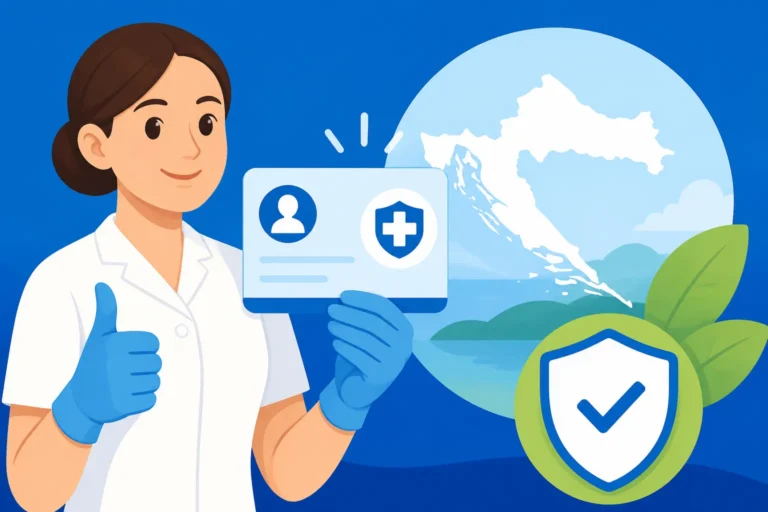
The thought of needing a doctor when your official health card is nowhere to be found is genuinely anxiety-inducing. However, it's crucial to understand that even without the physical card, your entitlement to public healthcare in Croatia generally begins from the date your application was approved and your insurance contributions started. The card is merely proof of that entitlement. Most medical professionals and institutions are aware of these delays and often have procedures for verifying your insurance status.
Accessing Urgent and Emergency Care
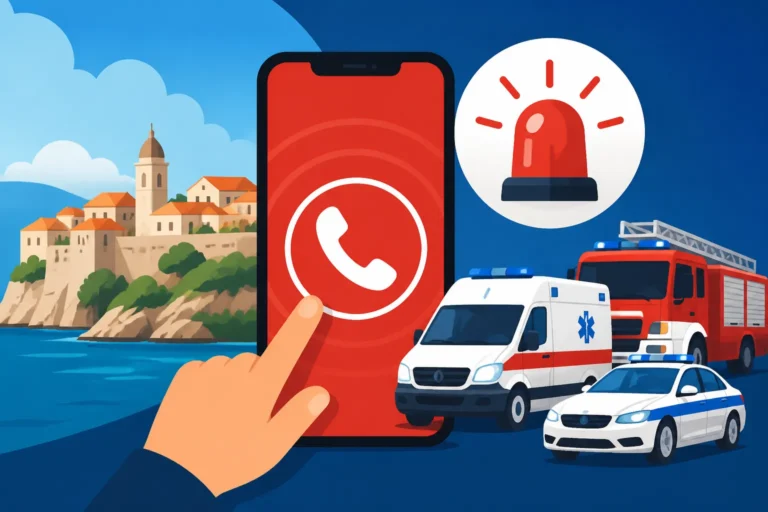
For true emergencies, your physical HZZO card is usually not the primary concern. If you experience a life-threatening situation, dial 112 or 194 for an ambulance immediately. Hospitals in Croatia are legally obligated to provide emergency care regardless of your insurance status. Once stable, they will ask for your personal details and OIB to verify your insurance. It's a good idea to carry some form of ID with you, like your passport or residence permit, which contains your OIB. If you happen to be sick before your HZZO registration is fully complete, you can learn more about What Happens If I Get Sick Before My HZZO Registration Is Complete? to put your mind at ease. While an ambulance won't refuse you, any non-emergency care prior to confirmed HZZO status would likely be billed directly to you. This is where having some form of private health insurance, even a temporary one like SafetyWing, can offer immense peace of mind, covering potential costs if you're in that grey area waiting for HZZO to kick in.
Visiting Your General Practitioner (GP)
Once your HZZO application is approved, you should also have registered with a family doctor, or obiteljski liječnik. This GP becomes your first point of contact for non-emergency medical needs. Even without the physical card, your GP should be able to verify your insurance status through the national e-Health system using your OIB. When you registered with your GP, their office would have also processed your HZZO confirmation. Therefore, if you need to see them before your card arrives, simply explain the situation. They will typically look you up in their system. If there are any issues, they might provide you with a temporary certificate or advise you on how to obtain one from HZZO. It’s definitely worth the effort to The Expat Guide to Finding a Family Doctor (Obiteljski Liječnik) in Croatia as soon as you can.
Getting Prescriptions and Referrals
After seeing your GP, getting prescriptions (e-recept) and referrals (e-uputnica) also relies on the digital system. Your doctor will issue these electronically, linking them to your OIB. You don't need your physical HZZO card for these. When you go to the pharmacy, simply provide your OIB (and often your date of birth) to the pharmacist, and they can access your electronic prescriptions. The same applies to referrals for specialist appointments; the specialist's office will look up your referral using your OIB. However, without your HZZO card, you might still be liable for participacija (co-payments) at the pharmacy or for specialist visits if you don't have supplementary health insurance (dopunsko osiguranje). It's a bit of a dance, but the system is designed to allow access even without the physical card. For a deeper dive into the system, check out How Do I Get an e-Recept Filled at a Pharmacy in Croatia? to understand how it operates.
Steps to Take When Your Card is Missing or Delayed
Feeling like you're shouting into the void when bureaucracy strikes is a common expat experience. But there are proactive steps you can take to try and expedite things or at least get some answers. Persistence is key, even if it feels exhausting.
Contacting HZZO Directly
Your first port of call should always be the HZZO office where you submitted your original application. While phone calls can be hit or miss, a personal visit often yields better results. Explain calmly that your card hasn't arrived. Bring copies of all your application documents, your OIB, and your residence permit. They might be able to print you a temporary certificate of insurance (potvrda o statusu osigurane osobe) on the spot, which serves as official proof of your HZZO coverage until your card arrives. This temporary document is crucial, as it will be accepted by pharmacies, doctors, and hospitals, removing much of the stress of not having the physical card. Ask for clarification on why the card is delayed and if there's an estimated delivery time. Don't be afraid to ask for specifics, such as the date the card was dispatched or the tracking number if available, though tracking isn't always an option for standard mail. Knowing How to Register for HZZO Health Insurance as a Foreigner in Croatia can help you understand the initial process better if you need to revisit any steps.
What to Do While You Wait
While you're waiting for HZZO to sort things out, make sure you have your OIB memorized or easily accessible. Your OIB is your key to accessing healthcare services, as almost everything is linked to it. Keep all your HZZO application documents, including any approval letters, neatly organized and readily available. Having digital copies on your phone can be a lifesaver. If you're concerned about potential out-of-pocket costs, especially during this waiting period, consider private health insurance as a bridge. Many expats, particularly those new to the country, opt for short-term solutions like SafetyWing to cover them during the initial months when HZZO processing can be unpredictable. This gives you a safety net for unexpected medical needs and lessens the financial burden if you need to pay for services upfront before your HZZO coverage is fully confirmed and recognized.
The Role of Private Health Insurance During Delays
For many expats, especially those coming from countries with robust private healthcare systems, the concept of a "waiting period" or administrative delays with public insurance can be a source of significant stress. Private health insurance often steps in to fill this gap, offering peace of mind.
Bridging the Gap with Private Options
Even with HZZO approval, waiting for the physical card can feel like being in limbo. This is where private health insurance truly shines for expats. While HZZO provides comprehensive coverage once active, it doesn't cover every single thing, nor does it always mean immediate access to specialists without waiting lists. Private insurance offers an immediate safety net, ensuring you're covered from day one of your policy, without the bureaucratic delays. Many expats choose to have a private policy running concurrently with their HZZO for the first few months, or even longer, to cover potential gaps or provide quicker access to certain services. Providers like SafetyWing are popular among digital nomads and new expats precisely for their flexibility and global coverage, which can be invaluable during these initial, uncertain periods in Croatia. This way, if you need immediate attention or diagnostic tests, you won't be left wondering about how to get a referral for physiotherapy in Croatia or worry about unexpected costs.
Considering Travel Insurance for Initial Periods
Before you've even properly settled, or while you're still navigating the HZZO labyrinth, standard travel insurance might actually be enough to cover you for acute, unexpected medical needs. Many travel insurance policies, especially those designed for long-term travelers or digital nomads, will cover emergency medical treatment and even some non-urgent care, depending on the specifics of your plan. This can be a significantly more affordable option than a full-fledged private health insurance plan if your primary concern is just making sure you're not left with massive medical bills if something goes wrong before your HZZO card arrives. However, always read the fine print! Ensure the policy covers you as a resident (even if temporary) in Croatia, and understand any exclusions or limitations. It's not a substitute for HZZO, but it's a solid backup plan to prevent financial strain during those anxious weeks or months. This is particularly relevant if you're asking yourself Do I Need Private Insurance for a Croatian Residence Permit? as travel insurance might satisfy that requirement initially.
Here's a quick comparison of options to help you decide:
| Feature | HZZO Public Insurance (Once Active) | Private Health Insurance (e.g., SafetyWing) | Standard Travel Insurance (Initial Period) |
|---|---|---|---|
| Cost | Monthly contributions (mandatory) | Varies widely by coverage and provider | Varies by duration, coverage, and provider |
| Coverage Scope | Comprehensive, often requires dopunsko for full cost | Can be tailored; often includes quicker access/private clinics | Primarily emergency/acute care abroad, limited non-urgent |
| Waiting Period (for card) | Can be several weeks to months after approval | Usually none, coverage starts on policy date | None, coverage starts on policy date |
| Acceptance | Universally accepted by public system | Widely accepted by private clinics; some public may accept | Generally requires upfront payment, then reimbursement |
| Bureaucracy | High initial, lower ongoing | Relatively low, digital processes common | Moderate for claims processing |
| Best For | Long-term residents; full integration | Bridging gaps, faster access, specific needs | Short-term emergencies, initial arrival protection |
Final Thoughts on Your Missing HZZO Card
It’s completely understandable to feel frustrated and even a little helpless when your HZZO card doesn't arrive as expected. The Croatian administrative system, while robust in its own way, can be a test of patience for even the most seasoned expats. But remember, your entitlement to healthcare is usually established from your approval date, not the arrival of the physical card. Equip yourself with the right documents, know your OIB, and don't hesitate to visit your local HZZO office for a temporary certificate. Having a backup plan, whether it's a private health insurance policy from a provider like SafetyWing or a comprehensive travel insurance, can genuinely reduce your stress during this transitional period. You're not alone in this experience, and with a little persistence, you'll navigate it successfully. After all, getting your healthcare sorted is one of the biggest steps to truly feeling at home in Croatia.
Disclaimer
Please note that this guide provides general information for expats in Croatia and should not be considered legal or medical advice. Healthcare regulations and administrative procedures can change, and individual situations may vary. Always consult with official HZZO representatives or legal professionals for advice tailored to your specific circumstances.