Can I Use My German EHIC Card at a Croatian Hospital?
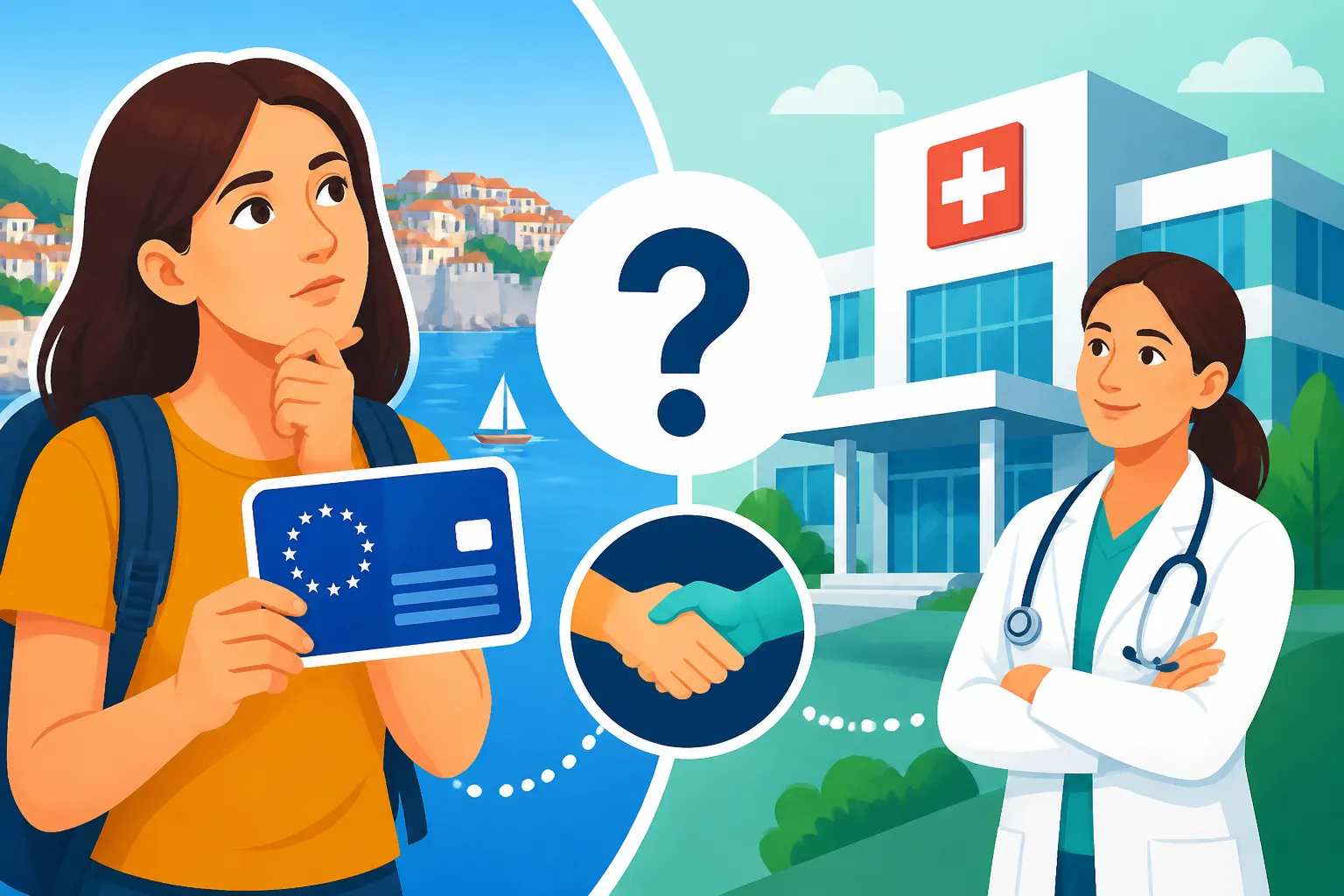
It's happened to almost all of us: you're enjoying the beautiful Croatian coast or exploring a charming inland town, and suddenly, you feel unwell or have a minor accident. Your first thought, especially if you're from another EU country like Germany, might be, "Can I just use my trusty European Health Insurance Card (EHIC) here?" This guide will meticulously break down exactly how your German EHIC works in Croatia, what you can expect, and when it might not be enough, offering you peace of mind whether you're here for a holiday or contemplating a longer stay.
Understanding the EHIC in Croatia: What it Covers
When you're dealing with an unexpected health issue abroad, the European Health Insurance Card (EHIC) can be a real lifesaver, and thankfully, Croatia, as a member of the European Union, fully recognizes it. The EHIC isn't private travel insurance; rather, it’s designed to provide you with access to medically necessary, state-provided healthcare during a temporary stay in any of the 27 EU member states, Iceland, Liechtenstein, Norway, Switzerland, and the United Kingdom. This means if you fall ill or have an accident, you should receive treatment under the same conditions and at the same cost as a Croatian citizen insured through their public health system, which is managed by the Hrvatski zavod za zdravstveno osiguranje, or HZZO.
This essentially translates to you having the right to publicly funded care, which covers everything from doctor visits to hospital stays, and even prescription medications, provided they are deemed medically necessary and cannot wait until your return home. Think of it this way: the EHIC ensures that you won't be treated as a private patient when you genuinely need public healthcare services. It's about reciprocity and ensuring that EU citizens have a baseline of health security when traveling within the bloc. However, "medically necessary" is the key phrase here; it doesn't cover elective procedures or seeking out specific treatments that aren't urgent. It's for unforeseen circumstances, not medical tourism.
The Role of HZZO in EHIC Coverage
The Croatian Health Insurance Fund (HZZO) is the backbone of the public healthcare system here, and they are the institution that processes all claims, whether you're a Croatian resident or an EU citizen flashing your EHIC. When you present your German EHIC at a public healthcare facility, the facility effectively bills HZZO for your treatment, or at least a portion of it, depending on the service. HZZO then liaises with your home country's health insurance provider (in your case, your German health fund) to settle the costs. This administrative process happens behind the scenes, but it's important to know that you are essentially tapping into the Croatian public system. For a full rundown on how the public system works, you might find our guide on How the Croatian Health Insurance Fund (HZZO) Works: A Full Overview really helpful.
It's crucial to understand that while your EHIC grants you access, it doesn't mean everything will be entirely free, just like it wouldn't be in Germany. Many public healthcare services in Croatia come with a "participacija" or co-payment fee. These fees are fixed amounts that patients pay directly at the point of service, even if they have HZZO coverage. The EHIC covers the state's portion of the cost, but these co-payments are generally your responsibility, unless you have supplementary insurance, which we'll discuss later. These co-payments can range from small fees for doctor visits or prescriptions to larger sums for specialist consultations or hospital stays, though there are caps on how much you can pay per single service and per year. Understanding Participacija (Co-Payments) in the Croatian Health System will give you a detailed breakdown.
How to Use Your German EHIC at a Croatian Hospital or Doctor's Office
So, you find yourself needing medical attention. The first thing to remember is to always have your physical EHIC card with you. A photocopy or a picture on your phone might not always be accepted, especially in busy emergency rooms or smaller clinics. While technology is advancing, official procedures often still rely on the physical card. When you arrive at a public hospital (KBC – Klinički bolnički centar or OB – Opća bolnica) or a Dom Zdravlja (health centre) for a general practitioner visit, present your EHIC immediately at the reception desk. They will typically ask for your OIB (Croatian personal identification number) if you have one, but if you're a tourist, your passport or ID card alongside your EHIC should suffice.
Seeking Emergency Care with Your EHIC
If you're facing a genuine medical emergency, don't hesitate. Head straight to the nearest emergency room or call 112 or 194 for an ambulance. Your EHIC is definitely valid for emergency medical care in Croatia. In these critical situations, treatment will be provided regardless of whether you have your card immediately on hand. However, you'll be expected to present it as soon as possible, or have someone bring it for you. The staff will typically prioritize stabilizing your condition. Once the immediate danger is over, they will proceed with the administrative side of things. It's a good idea to know the local emergency numbers, and our guide on Emergency Medical Care in Croatia: What Every Expat Needs to Know provides all the essential information.
For non-life-threatening emergencies, such as a sprain or a sudden fever that isn't severe, you might go to a walk-in clinic within a Dom Zdravlja or directly to a general practitioner if you can get an appointment. While the EHIC covers these situations, remember that you might encounter longer waiting times in the public system compared to private clinics.
Visiting a General Practitioner (Obiteljski Liječnik)
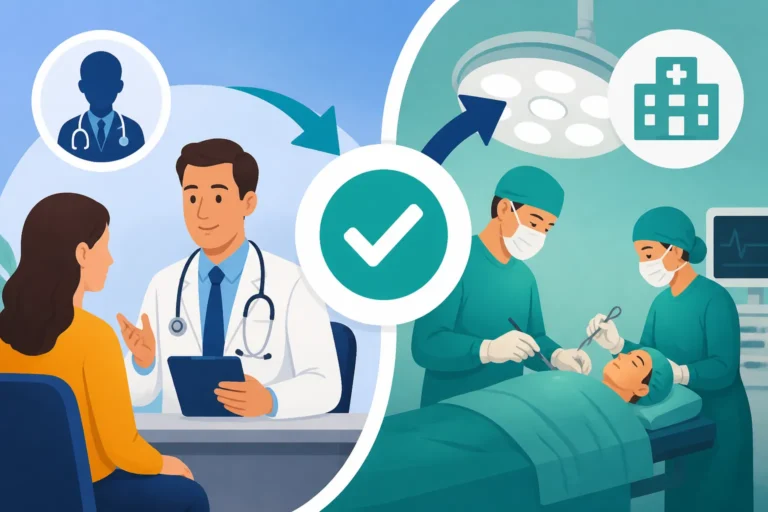
For non-emergency issues, like a persistent cough, a rash, or needing a repeat prescription for an ongoing condition, you’ll typically need to see a general practitioner, or obiteljski liječnik. In Croatia, public GPs are usually found within a Dom Zdravlja, which are community health centers. You can't just walk into any doctor's office and expect to be seen without an appointment, especially if you're not a registered patient. As an EHIC holder, you may be directed to a specific doctor on duty for non-residents or to the nearest clinic that can accommodate you.
The process often involves reporting to the reception of the Dom Zdravlja, presenting your EHIC and identification, and explaining your symptoms. They will then direct you to a doctor. Be prepared for potential language barriers, although many medical professionals in tourist areas will speak some English. For more specific advice on finding a doctor, particularly if you anticipate needing one who speaks your language, our resource on How to Find an English-Speaking Doctor in Croatia is highly recommended. You will likely pay the participacija fee for this visit.
Prescriptions and Pharmacies
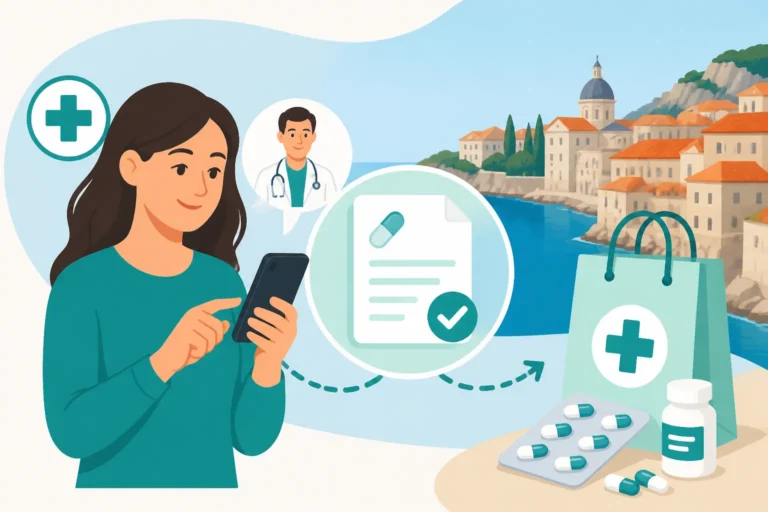
After seeing a doctor, whether in an emergency or for a general consultation, you might receive a prescription. Your EHIC covers a significant portion of the cost of prescription medications that are on the HZZO list. When you take your prescription to a ljekarna (pharmacy), present your EHIC along with the prescription. The pharmacist will inform you of any co-payment (participacija) that you are required to pay. Some medications might be fully covered, while others may have a 10%, 20%, or higher co-payment.
It’s worth noting that if a specific medication you usually take isn't available or isn't on the HZZO list, or if the doctor prescribes a private alternative, your EHIC won't cover it, and you'll pay the full price. This is similar to how it works in many EU countries, including Germany. Our guide on Prescription Medications and Pharmacies in Croatia: The Complete Guide offers a deep dive into how the pharmacy system operates here.
Limitations and Crucial Considerations for EHIC Holders
While your German EHIC is incredibly useful and provides essential coverage, it's vital to understand its limitations. It's not a magic bullet for all your healthcare needs abroad and certainly isn't a substitute for comprehensive travel insurance.
EHIC is Not Travel Insurance
The most critical distinction to make is that the EHIC offers basic, state-provided healthcare. It will never cover things like medical repatriation back to Germany, treatment in private clinics, or the cost of lost or stolen property, personal liability, or trip cancellation. For instance, if you have a serious accident and need to be medically airlifted back home, your EHIC won't cover the potentially exorbitant costs of that transport. This is where dedicated travel insurance comes in. Companies like SafetyWing offer robust travel medical insurance plans that can fill these gaps, covering emergency medical expenses, emergency medical evacuation, and other travel-related incidents that an EHIC simply won't.
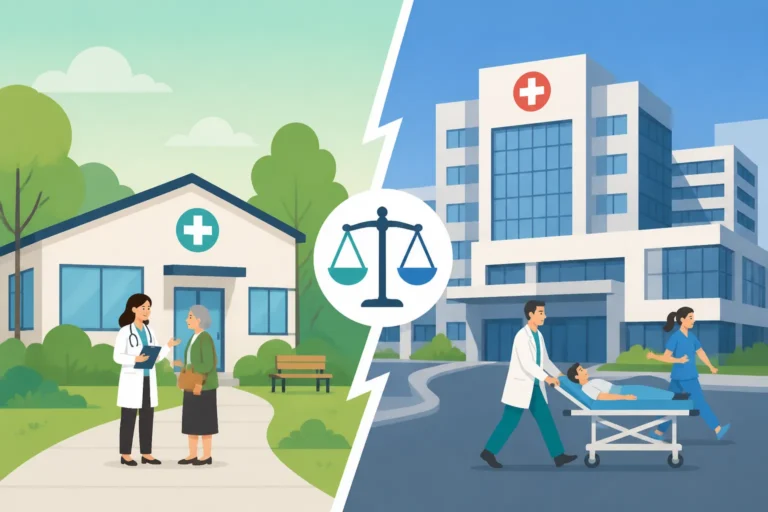
Many expats and long-term visitors, even with an EHIC, opt for private health insurance in Croatia. This gives them access to a wider range of services, shorter waiting times, and often English-speaking staff in private clinics and polyclinics. If you're considering a move or extended stay, checking out Public vs Private Healthcare in Croatia: Which Should Expats Choose? would be a smart move.
Potential Gaps in Coverage
Beyond what we've already mentioned, there are other scenarios where your EHIC might not fully cover your needs:
- Treatment in Private Facilities: Croatia has a growing number of excellent private clinics (poliklinike) that offer specialist care, often with shorter waiting lists and more personalized service. Your EHIC is not valid in these private establishments. If you choose to seek treatment privately, you'll be responsible for the full cost.
- Routine or Elective Procedures: As mentioned, the EHIC only covers "medically necessary" treatment that cannot reasonably wait until you return home. If you're planning on getting a routine check-up, an elective dental procedure, or a pre-existing condition managed that isn't urgent, your EHIC likely won't cover it.
- Supplementary Insurance (Dopunsko Osiguranje): While Croatian citizens often have supplementary insurance (dopunsko osiguranje) to cover their participacija fees, your German EHIC does not function as dopunsko osiguranje. You will still be expected to pay these co-payments out-of-pocket. If you were planning an extended stay, registering for HZZO Health Insurance as a Foreigner in Croatia might be something to look into, as this could open up options for local dopunsko osiguranje.
- Dental Care: Basic emergency dental care might be covered by your EHIC if it's considered medically necessary to relieve severe pain or infection. However, routine dental check-ups, fillings, crowns, or other non-urgent dental work are generally not covered. Understanding Dental Care Coverage Under HZZO in Croatia can provide more specifics if you're contemplating a move.
What to Do If Your EHIC is Not Accepted or You Paid Out-of-Pocket
While it shouldn't happen at public healthcare facilities for medically necessary treatment, sometimes administrative hiccups occur, or you might find yourself in a situation where you had to pay for treatment upfront. Don't panic. You can often claim reimbursement for these costs.
How to Request Reimbursement
If you had to pay for treatment that should have been covered by your EHIC, you'll need to gather all original invoices, receipts, and medical reports. Upon your return to Germany, you should contact your German health insurance provider. They will guide you through the reimbursement process. Generally, they will reimburse you for the costs according to German public health insurance rates, or according to Croatian rates, whichever is lower. It's crucial to keep meticulous records of all expenses. This also applies if you used a private travel insurance plan like SafetyWing for a specific medical event; they will require all documentation for claims processing. Our guide on How to Claim Medical Expense Reimbursement from HZZO, while primarily for residents, gives an idea of the type of documentation typically required for health claims.
Navigating Language Barriers
Croatia has a fantastic healthcare system, but language can sometimes be a hurdle, especially outside major tourist hubs like Split, Dubrovnik, or Zagreb. While many younger doctors and those in international clinics speak English, don't assume everyone will. It's a good idea to have a translation app handy, or even better, a list of key medical phrases in Croatian. If you're in a more serious situation, ask if a staff member can interpret for you, or if a friend can accompany you.
EHIC vs. Private Travel Insurance for a German Citizen in Croatia
Let's put it all together in a quick comparison. This table should help clarify when your German EHIC is sufficient and when it might be prudent to have additional coverage.
| Feature | German EHIC | Private Travel Insurance (e.g., SafetyWing) |
|---|---|---|
| Scope of Coverage | Medically necessary, state-provided healthcare only. | Broader, including emergency medical, evacuation, trip cancellation, lost luggage. |
| Provider Access | Public healthcare facilities only (HZZO-contracted). | Public and often private clinics/hospitals, depending on the policy. |
| Co-payments (Participacija) | Still generally applies; paid out-of-pocket. | May cover co-payments, deductibles often apply. |
| Medical Repatriation | Not covered. | Usually covered. |
| Pre-existing Conditions | Basic emergency care for sudden exacerbation (check German policy). | Varies widely by policy; often limited or excluded. |
| Non-urgent/Elective Care | Not covered. | Not covered. |
| Dental Care | Emergency pain relief only; routine work not covered. | Emergency dental often covered; routine work usually not. |
| Emergency Travel Assistance | Not included. | Often includes 24/7 assistance lines for medical emergencies. |
| Cost | Free (comes with your German public health insurance). | Additional cost, varies by plan, duration, and age. |
| Recommendation | Essential for any EU travel. | Highly recommended as a supplement for comprehensive protection in Croatia. |
In essence, your German EHIC is your reliable basic safety net for accessing essential medical services in Croatia's public system. It's a fantastic benefit of EU citizenship. However, for a truly worry-free trip or extended stay, especially given the various costs that EHIC doesn't cover and the potential desire for more immediate or private care, supplementing it with a robust travel insurance policy is a smart decision. This combined approach ensures you're covered for both the expected and the unexpected administrative hurdles and financial burdens that can arise when you're away from home.
Disclaimer
The information provided in this guide is for general informational purposes only and does not constitute medical or legal advice. While we strive to keep the information up-to-date and accurate, healthcare policies and regulations in Croatia can change. Always consult with official government sources, your German health insurance provider, or a qualified legal or medical professional for personalized advice regarding your specific situation.