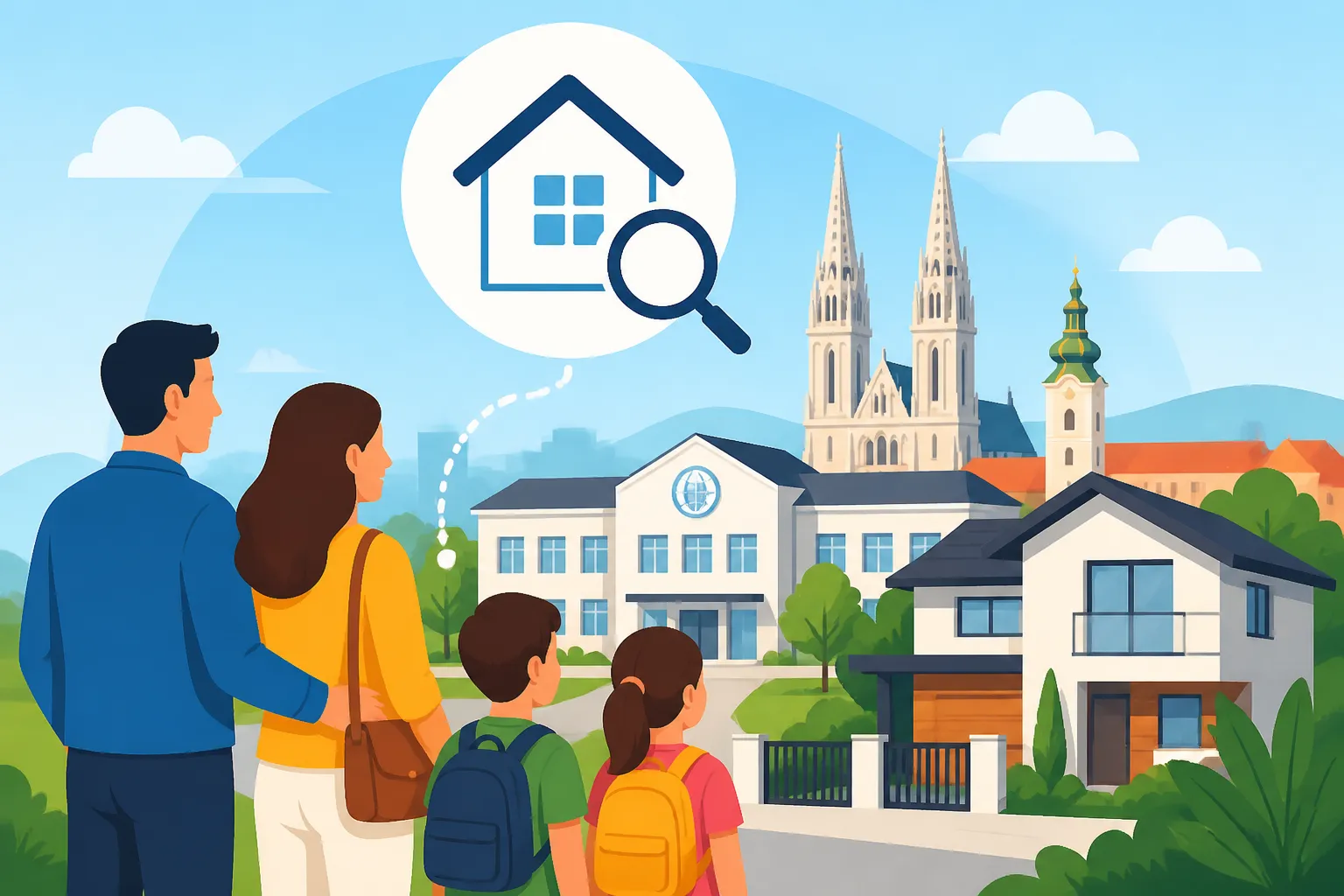
How Do I Find Family Housing Near International Schools in Zagreb?
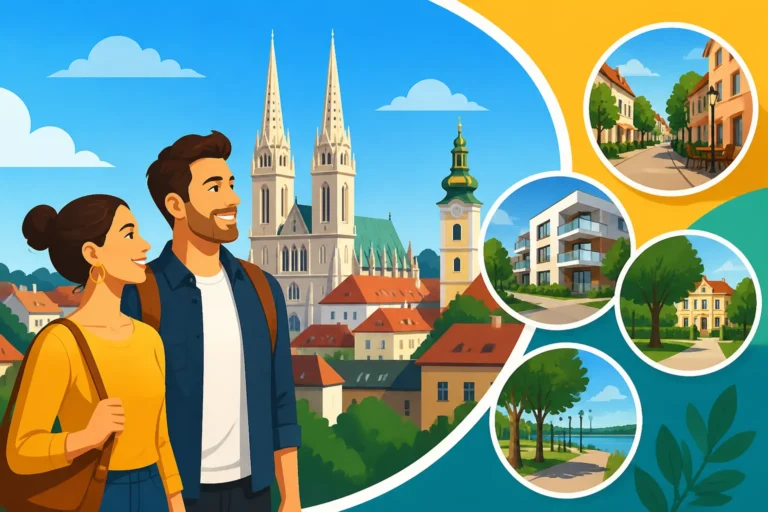
Finding family housing in a new country is a monumental task, and when you add the layer of needing to be near specific international schools for your children, the complexity often feels overwhelming. It’s a classic expat puzzle: how do you balance your children's educational needs with finding a suitable, comfortable, and well-located home in a city you're still learning? This guide aims to cut through the noise, offering practical, empathetic advice on navigating Zagreb's housing market to find that perfect family nest close to your chosen international school.
Understanding Zagreb's International School Landscape and Key Areas
First things first, let's talk about the international schools themselves, because their locations often dictate where you'll want to focus your housing search. Zagreb has a fantastic selection, each with its own vibe and catchment area, and truly understanding these can save you a lot of wasted time looking in the wrong places.
Overview of International Schools in Zagreb
Zagreb has become a real hub for expat families, and with that comes a growing number of excellent international educational institutions. The most prominent ones typically cater to different age groups and curricula, from early years all the way through to high school, preparing students for international baccalaureates or specific national systems. Choosing the right school isn't just about curriculum; it's also about proximity, community, and the general ease of daily commutes. You can find a more in-depth look at options in our guide to Understanding International Schools and Their Costs in Croatia.
For instance, the American International School of Zagreb (AISZ) is perhaps one of the most well-known, situated in the leafy neighbourhood of Srebrnjak, which is just north of the city centre. This area, along with nearby Šalata and Tuškanac, is traditionally where many expat families gravitate. These neighbourhoods are characterized by green spaces, larger family homes, and a sense of calm, while still being relatively close to the hustle and bustle of downtown.
Then you have schools like the French School of Zagreb (École Française de Zagreb) and the German International School in Zagreb (Deutsche Internationale Schule in Zagreb), which are located closer to the city centre, often in the same general vicinity as AISZ or just slightly more central. This proximity means that areas like Gornji Grad, Medveščak, and Centar become attractive, offering a blend of historic charm and modern amenities. However, finding large, standalone family houses with gardens directly in these more central spots can be a challenge, often leading families to consider spacious apartments or townhouses.
The British International School of Zagreb (BISZ) is located a bit further west, in the Sveti Duh area. This puts it within easy reach of neighborhoods like Vrapče, Črnomerec, and even some parts of Stenjevec. These areas tend to offer more affordable housing options, often with larger properties and more green spaces, which can be a huge draw for families seeking a bit more room to breathe. The trade-off might be a slightly longer commute to the absolute city centre, but Zagreb's public transport network is quite robust, and driving, while challenging in peak hours, is manageable.
Key Neighborhoods and Commute Considerations
When you're trying to pin down that perfect family home, the choice of neighborhood becomes paramount, not just for the commute but for your family's overall quality of life. Each area surrounding Zagreb's international schools offers a distinct flavour.
Srebrnjak, Šalata, and Tuškanac are often considered prime expat territory, and for good reason. They boast beautiful, often spacious homes, many with gardens, nestled among lush greenery. The air feels cleaner here, and it’s a tranquil escape from the city’s pulse, yet still incredibly well-connected. Walking to school might even be an option for some. However, this desirability comes with a price tag; rents and property prices here are among the highest in Zagreb. If you're looking for that quintessential family house with a yard for the kids to play in, and your budget allows, these areas should be at the top of your list. The trade-off is often dealing with narrower, winding roads if you're driving, and sometimes slightly less direct public transport connections compared to more central locations.
For those eyeing the French or German schools, the central districts like Gornji Grad, Medveščak, and Donji Grad (Centar) offer a different experience. Here, you're looking at more apartment-style living, but often with impressive floor plans and high ceilings in older, well-maintained buildings. You'll be right in the thick of things, with easy access to museums, restaurants, shops, and cultural events. Public transport connections are excellent, with trams and buses crisscrossing these areas. While finding a standalone house here is rare and expensive, many expat families find that a spacious, well-appointed apartment provides ample room and a vibrant city lifestyle. It’s important to remember that parking can be a headache in these areas, so if you're a car owner, factor in whether a potential rental comes with a designated parking spot or garage.
If the British International School is your target, expanding your search to Sveti Duh, Vrapče, or Črnomerec makes sense. These areas offer a more suburban feel, with a mix of houses and modern apartment buildings. You're likely to get more space for your money here, whether it’s a larger apartment or a house with a garden. They are quieter, more family-oriented, and often have excellent local amenities like playgrounds, smaller shops, and medical centres. While a bus or tram ride might be necessary to reach the very centre, these neighbourhoods are well-integrated into the city's transport network. This is a great option for families who prefer a bit more quiet and space without being completely isolated from city life. Consider checking out local markets or dom zdravlja (health centres) in these areas as part of your scouting, as these often reveal the true local character.
| International School | Location (Zagreb Neighborhood) | Typical Housing Options | General Vibe & Pros | Cons |
|---|---|---|---|---|
| AISZ | Srebrnjak, Šalata, Tuškanac | Houses, larger apartments | Green, tranquil, expat-friendly, close to nature | Higher rents, winding roads, some less direct transport |
| French/German School | Centar, Medveščak, Gornji Grad | Spacious apartments, townhouses | Vibrant, central, cultural, excellent public transport | Expensive, less green space, parking can be difficult |
| BISZ | Sveti Duh, Vrapče, Črnomerec | Houses, modern apartments | Suburban, family-friendly, more space for money | Slightly longer commute to city centre, quieter nightlife |
Ultimately, your choice will boil down to your family's priorities: do you crave space and greenery, or the buzz of city life? Is a short walk to school a non-negotiable, or are you comfortable with a short drive or public transport ride? Thinking through these daily practicalities before you start viewing properties will narrow your focus considerably.
Navigating the Housing Market: Strategies for Expat Families
Alright, you know where you want to look, but how do you actually find that dream home in Zagreb? The housing market here, like anywhere, has its quirks, and as an expat family, you’ll face unique challenges. But with the right strategy and a bit of persistence, you'll be signing that lease or title deed in no time.
Rental vs. Purchase: Weighing Your Options
For most expat families arriving in Croatia, especially those not yet committed to long-term residency, renting is almost always the first port of call. It offers flexibility, allows you to get a feel for the city and specific neighborhoods before making a massive financial commitment, and usually involves less bureaucracy upfront. Finding a long-term rental in Croatia is a fairly straightforward process, though patience is key. You can dive deeper into the rental process with our comprehensive guide to The Complete Guide to Renting an Apartment in Croatia (2027).
Renting a family-sized home near international schools in Zagreb can still be competitive, especially for standalone houses with gardens. Landlords often prefer longer-term tenants (12 months or more), and you’ll typically need to provide a security deposit, usually equivalent to one or two months' rent. The lease agreement itself will be in Croatian, so engaging a translator or a real estate agent who can explain every clause in English is non-negotiable. Remember, you'll also need to register your rental lease with the tax administration.
Purchasing property, while an option for those planning a very long stay or permanent relocation, is a much more involved process, fraught with legal complexities and significant financial outlays. While it might offer stability and potential long-term investment, the initial hurdles of How to Buy Property in Croatia as a Foreigner: The Full Guide (2027) – including understanding property registries, cadastre systems, and various taxes – can be daunting, especially when trying to settle your family. For your initial move, most families find renting to be the less stressful and more pragmatic choice.
Working with Real Estate Agents and Online Portals
Trying to navigate the Croatian housing market solo, especially from afar, can feel like wandering through a linguistic maze blindfolded. This is where a good real estate agent truly shines. They are worth their weight in gold, not just for their local market knowledge but also for their ability to bridge language gaps and handle administrative tasks.
Look for agents who specifically cater to expats or have experience with international clients. They'll understand your priorities, like proximity to specific schools, and be able to show you properties that genuinely fit your family's needs rather than just anything on the market. A reliable real estate agent can also help you understand nuances like the difference between gross and net square footage, what exactly "fully furnished" means in Croatia, and common pitfalls to avoid. Our guide, How to Find a Reliable Real Estate Agent in Croatia, offers excellent tips on finding a trustworthy professional.
In terms of online portals, Njuškalo.hr is the undisputed king for property listings in Croatia. You'll find everything from tiny studio apartments to sprawling family homes there. Other popular sites include Indomio.hr and Crozilla.com. While these are primarily in Croatian, browser translation tools can help you navigate. Be prepared for listings that might be slightly outdated or properties that get snapped up quickly, especially desirable family homes. It's often best to send potential listings directly to your agent, letting them make the initial contact and vetting. They can also often access properties not yet publicly listed.
Remember to be very specific about your family’s needs: number of bedrooms, need for a garden or outdoor space, parking requirements, and your budget range. The more detailed you are with your agent, the more efficient your search will be. And for those first few weeks before you have solid internet at home, a local eSIM from providers like Airalo can keep your family connected, ensuring you can navigate Zagreb, make calls, and stay in touch with real estate agents without missing a beat. This connectivity is vital when you're house-hunting on the ground.
Practical Steps and Tips for Your Family's Move
Moving to a new country with a family means juggling a lot of balls at once. Beyond the house hunting itself, there are crucial practical steps that will make your transition smoother and help you feel settled more quickly.
Timing Your Search and Temporary Accommodation
The timing of your housing search can significantly impact your success. For families relocating for the start of an academic year, summer is often the busiest period for rentals, especially those near international schools. Ideally, start your search a few months in advance, but be prepared to make a decision quickly if you find something suitable. Many expat families opt to arrive a week or two before their children start school, giving them a bit of breathing room to finalize housing and get acquainted with the local area.
For those initial days or weeks upon arrival, securing temporary accommodation is a smart move. This could be a serviced apartment, an Airbnb, or a short-term rental. It provides a base from which you can conduct in-person viewings, sort out administrative tasks like getting your OIB (personal identification number) – a must for almost everything in Croatia, including opening a bank account or signing a lease – and generally get your bearings without the pressure of immediately moving into a permanent home. Finding a good temporary place that can accommodate your whole family and perhaps even your pets (if applicable) is key to reducing stress.
While you're living in temporary accommodation, it's a great opportunity to really explore the prospective neighborhoods. Walk around, visit local parks, check out nearby shops, and time the commute to the international school during peak hours. Sometimes what looks good on a map feels very different on the ground.
Essential Documentation and Administrative Hurdles
Before you can even dream of signing a lease or buying a property, you’ll need to tick off a few administrative boxes. The first and most critical document for any foreigner in Croatia is the OIB, your personal identification number. You'll need this for literally everything, from setting up utilities like electricity with HEP to signing any contract. Getting your OIB is usually a straightforward process at the tax administration office, and often your real estate agent can guide you, or you can find specific steps in our article, What Documents Do I Need to Get an OIB in Croatia?.
Next, you'll need to secure your residence permit – whether it's for work, study, family reunification, or as a digital nomad. Your ability to sign a long-term lease or purchase property is directly tied to your legal right to reside in Croatia. The process of Registering Your Residence in Croatia: The Complete MUP Guide through the local police (MUP) can involve a fair bit of paperwork, so make sure you have all your family's passports, marriage certificates, birth certificates for children, and proof of sufficient funds ready.
Once your residence is sorted and you have your OIB, you can then proceed with opening a bank account in Croatia. This is essential for paying rent, utilities, and managing daily expenses. Many banks cater to expats, but ensure you understand their fee structures and online banking options. Having all these foundational documents in place will significantly speed up the housing process, as landlords and agents will see you as a serious, legitimate tenant or buyer. For those navigating a cross-border move, services like Sirelo can be an invaluable resource, connecting you with reputable moving companies that understand the intricacies of international relocations and help manage the documentation for your belongings.
Setting Up Your New Home
Once you've found your ideal family home near an international school in Zagreb and the paperwork is complete, the next exciting phase begins: setting up your new life. This includes everything from utilities to internet, and it can feel like a mountain of tasks.
One of the first things you'll want to tackle is setting up your utilities. This often involves transferring electricity (HEP), water, gas, and waste collection into your name. If you're renting, your landlord or real estate agent should be able to assist you with this, as it can be quite a process, particularly with the language barrier. Make sure you understand how billing works and where to pay. Our guide, The Expat Guide to Setting Up Utilities in Croatia, offers a detailed walkthrough.
Next up is getting your internet and mobile service connected. Reliable internet is non-negotiable for families, whether it's for schoolwork, remote jobs, or just streaming movies after a long day. Croatia has several major providers like Hrvatski Telekom (HT), A1, and Telemach, all offering various packages for fibre optic, ADSL, or mobile internet. Comparing plans for speed, reliability, and cost is crucial. Again, your agent or a Croatian-speaking friend can be a lifesaver in navigating these choices. For a detailed breakdown, check out How to Set Up Internet and Mobile Service in Croatia.
Don't forget about transportation. If your chosen school is a bit further than walking distance, understanding Zagreb's public transport system will be key. ZET operates an extensive network of trams and buses. Learning the routes, buying tickets, or getting a monthly pass for the family will quickly become part of your routine. And if you're planning on driving, be sure to understand the rules around exchanging your foreign driver's license for a Croatian one.
Finally, consider the smaller, but equally important, things that make a house a home. This includes finding local grocery stores, pharmacies, playgrounds, and maybe even an English-speaking doctor. Many of these resources can be found within the neighborhoods surrounding the international schools, thanks to the established expat communities. Don’t be afraid to ask other expat parents for recommendations – the expat community in Zagreb is generally very welcoming and helpful.
Considering the Broader Expat Lifestyle in Zagreb
Moving your entire family isn't just about the house; it's about building a whole new life. While the school and housing are major pieces of the puzzle, integrating into the broader expat lifestyle in Zagreb will greatly contribute to your family's happiness and sense of belonging.
Family-Friendly Amenities and Activities
Zagreb is a wonderfully family-friendly city, brimming with parks, cultural activities, and engaging experiences for children of all ages. Beyond the immediate vicinity of your chosen school, exploring these amenities will help your family settle in and thrive.
Take Maksimir Park, for example – it’s not just a park; it's a sprawling forest park complete with walking paths, lakes, and the Zagreb Zoo, offering endless opportunities for outdoor adventures. Pantovčak and Tuškanac, areas often close to international schools, also boast beautiful forested areas perfect for weekend strolls or bike rides. During winter, Sljeme, the mountain overlooking Zagreb, becomes a fantastic destination for skiing, sledding, or simply enjoying the snow.
Throughout the year, Zagreb hosts numerous festivals and events that cater to families. From open-air cinemas in the summer to festive Christmas markets in winter, there's always something happening. The city's museums, many of which are quite interactive, often have programs tailored for younger audiences. Don't overlook the local community centers (often called Domovi Kulture) or libraries, which frequently host workshops, story times, and other events that can be great for connecting with local families. Building this network of activities and discovering your family's favorite spots will make Zagreb truly feel like home.
Building a Community and Support Network
One of the greatest challenges for expat families is rebuilding their social circle and finding a support network. The international schools themselves are often excellent starting points. Parent-teacher associations, school events, and even just playground chats can quickly introduce you to other expat parents who are navigating similar challenges. These connections can be invaluable for sharing tips, arranging playdates, and simply having a friendly face to chat with.
Beyond the schools, Zagreb has a vibrant and growing expat community. Online forums, social media groups (e.g., "Expats in Zagreb" on Facebook), and organized meet-ups are fantastic ways to connect. These groups often share recommendations for everything from English-speaking doctors to trusted babysitters. Don’t be shy about reaching out; most expats remember what it was like to be new and are eager to help.
Also, consider getting involved in local activities or clubs that align with your family's interests. Whether it's a local sports club, an art class, or volunteering, these activities provide organic opportunities to meet both expats and locals, enriching your experience in Croatia. Remember that learning a bit of Croatian, even just a few phrases, goes a long way in showing respect and helping you interact with your new neighbors and local service providers.
Ultimately, finding family housing near international schools in Zagreb is more than just securing a roof over your head; it’s about strategically placing your family in an environment where they can thrive, both academically and socially, as you embark on your exciting new life in Croatia.
Disclaimer
Please note that this guide provides general information for expats and is not a substitute for professional legal, financial, or real estate advice. Regulations and market conditions in Croatia can change, so it's always recommended to consult with relevant local professionals for personalized guidance.