How to Apply for Croatian Citizenship Through Naturalisation
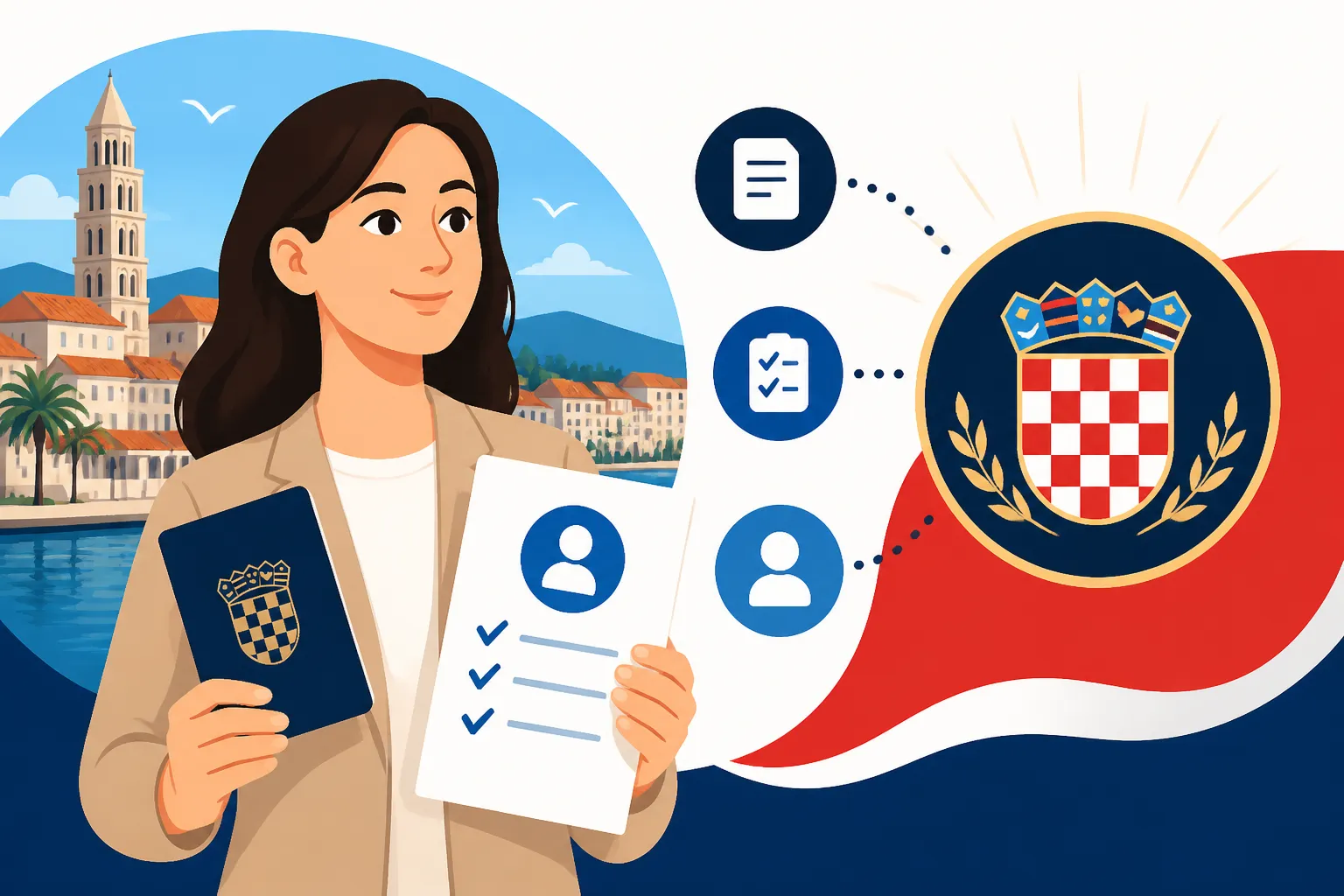
The dream of Croatian citizenship is a powerful one for many expats, a testament to the deep roots you've laid here. But let's be real, the path to obtaining it through naturalisation in Croatia is less a stroll through a lavender field and more an uphill trek through a thorny forest, fraught with administrative complexities and a fair bit of patience-testing bureaucracy. This guide will meticulously break down every step, requirement, and nuance of applying for Croatian citizenship through naturalisation, helping you navigate the sometimes bewildering process with a clearer understanding.
Understanding the Path to Naturalisation in Croatia
When you decide to pursue Croatian citizenship, you're not just applying for a piece of paper; you're committing to becoming a full member of the Croatian community, with all the rights and responsibilities that entails. It's a journey that, while rewarding, demands a significant investment of time, effort, and sometimes, a hefty dose of emotional resilience. For many of us who've chosen Croatia as home, this step represents the ultimate integration, but it's vital to understand the precise mechanism through which this integration happens.
What is Naturalisation and Why It's a Big Deal
Naturalisation is the process by which a foreign citizen can acquire the citizenship of Croatia, provided they meet specific legal requirements. Unlike acquiring citizenship by descent, which is based on your family lineage, or by marriage to a Croatian citizen, naturalisation is typically for those who have lived in Croatia for an extended period and have made it their primary home. It’s a formal recognition of your commitment to the country, its people, and its laws.
For us expats, this isn't just a bureaucratic formality; it's a huge personal milestone. Becoming a Croatian citizen means you gain full political rights, including the right to vote in national elections. You also become an EU citizen, which opens up travel, work, and residence opportunities across all EU member states, a benefit that cannot be overstated. It means you're no longer bound by temporary residence permits or the anxieties of renewal, offering a stability that many expats deeply crave. Imagine the peace of mind knowing you can truly settle here, without the constant looming deadline of your next permit expiry. It also means you’re fully integrated into the legal and social fabric of the country, no longer just a visitor, but a genuine resident with all the accompanying rights.
The Legal Framework and Key Legislation
The entire process of acquiring Croatian citizenship is governed by the Croatian Citizenship Act (Zakon o hrvatskom državljanstvu). This act outlines all the conditions, procedures, and exceptions for gaining citizenship, including through naturalisation. It's the Bible, if you will, for anyone embarking on this journey. It's critical to understand that these laws, while generally stable, can change, and interpretations can evolve. What was true a few years ago might have subtle but significant differences now. That’s why staying updated through official sources, primarily the Ministry of Interior (Ministarstvo unutarnjih poslova or MUP), is absolutely crucial.
The MUP is the main authority you’ll be dealing with for your application. They are the gatekeepers, responsible for processing applications, conducting interviews, and ultimately making recommendations. Their local offices are where you’ll submit your meticulously prepared documents, and where you'll likely feel the most frustration waiting in line or trying to decipher requirements. It's not always a smooth process, and you might find different MUP offices interpret guidelines slightly differently, which can be incredibly baffling. Having a clear understanding of the Act's core principles will help you immensely in navigating these interactions, even if you still have to take a deep breath and count to ten sometimes.
General Requirements for Naturalisation
Alright, let's get down to brass tacks. Naturalisation isn't just about wishing you were Croatian; there are specific, non-negotiable boxes you need to tick. These requirements are designed to ensure that new citizens are genuinely integrated and committed to life in Croatia. Think of it as proving your dedication to building a life here, not just visiting.
Continuous Residence in Croatia
This is often the first and most fundamental hurdle for anyone seeking naturalisation: demonstrating sufficient continuous residence in Croatia. The standard requirement under the Croatian Citizenship Act is usually eight years of continuous residence in Croatia immediately preceding the application. Yes, eight years! That’s a long time, and "continuous" is a key word here, not to be taken lightly.
So, what does "continuous" actually mean in practice? It means that you must have been legally residing in Croatia, with valid residence permits (temporary or permanent), for the entire duration. Short trips abroad for holidays or business are generally fine, but extended absences can break the continuity. Typically, if you spend more than a total of six months out of the country in any given year, or more than a cumulative ten months over a two-year period, it can potentially interrupt your continuous residence. The MUP will meticulously check your entry and exit stamps, as well as your residence permit history. For example, if you moved back to your home country for a year during your eight-year period, that clock essentially resets or at least pauses, and you'd need to start counting your "continuous" residence from scratch once you returned. It's not enough to simply have property here; you must have been physically and legally living here. Proving this often involves presenting copies of all your previous residence permits, utility bills in your name, and other documents that confirm your presence. This continuity also relates directly to your prior temporary residence status, which you can read more about in The Expat Guide to Temporary Residence (Privremeni Boravak) in Croatia.
Adherence to the Legal System and Good Conduct
Beyond simply being physically present, the Croatian state expects new citizens to be law-abiding members of society. This means you must prove that you have not been subject to a final verdict for a criminal offense prosecuted ex officio (meaning, officially by the state) or that you haven't been issued an unconditional prison sentence longer than one year. Basically, they want to see a clean criminal record. This usually involves obtaining a police clearance certificate from Croatia (uvjerenje o nekažnjavanju) and often from your country of origin, too.
But it goes a bit further than just a clean criminal record. The MUP also assesses your "good conduct" and your general respect for the Croatian legal system and constitutional order. This can be a bit more subjective. It means you should not be known to have engaged in activities that undermine national security, public order, or moral values. For instance, if you've had numerous run-ins with the police over public disturbances, or have a history of serious traffic violations, this could be interpreted as a lack of respect for the law. It also means paying your taxes on time and generally being a responsible resident. For more insight into tax obligations, see How the Croatian Tax Administration (Porezna Uprava) Works. While a parking ticket here and there won't derail your application, consistent disregard for rules or serious infractions could be a red flag.
Proof of Accommodation and Financial Stability
The Croatian authorities want assurance that you're not going to be a burden on the state. Therefore, you need to demonstrate that you have a stable and suitable living situation and sufficient financial means to support yourself and any dependents. This isn't just a casual glance at your bank account; they want solid proof.
For accommodation, this typically means presenting a copy of your ownership title (vlasnički list) if you own property, or a long-term rental contract (ugovor o najmu) that is officially registered with the tax administration. The MUP will want to see that your living situation is legitimate and not precarious. As for financial stability, you’ll need to provide evidence of regular income, such as payslips, employment contracts, or proof of self-employment income if you're a freelancer or business owner. Bank statements showing consistent funds are also usually required. The goal is to show that you can comfortably cover your living expenses in Croatia without relying on social welfare benefits. They're looking for stability and independence. For context on daily expenses, you might find The Complete Guide to Cost of Living in Croatia for Expats (2026) useful, as it gives an idea of what "sufficient" income might entail. Don't be surprised if they ask for more financial details than you'd expect; they're thorough.
The Language and Culture Challenge
Now, this is where many expats hit a real snag. It’s not enough to simply live in Croatia; you’re expected to integrate culturally and linguistically. The language and civics tests are often cited as the most nerve-wracking parts of the naturalisation process, but with preparation, they are absolutely manageable.
Croatian Language Proficiency Requirement
One of the most important aspects of proving your integration is demonstrating a sufficient command of the Croatian language. The requirement is generally set at a level equivalent to A2 or B1 of the Common European Framework of Reference for Languages (CEFR). This isn't just conversational Croatian for ordering coffee or asking for directions; it implies being able to understand and participate in basic conversations, read simple texts, and write simple sentences. You need to be able to hold your own.
To prove this, you’ll typically need to provide a certificate from a recognized Croatian language school or institution. The Croaticum program at the University of Zagreb is a well-known option, but there are other institutions throughout Croatia whose certificates are accepted by the MUP. The test usually involves written comprehension, grammar, composition, and an oral interview. They want to see that you can not only understand but also express yourself. Don't expect to just wing it if you've only picked up a few phrases; dedicated study is necessary. For those looking to dive into language learning, Learning Croatian: A Complete Guide to Language Courses and Levels offers a great starting point. The idea is to demonstrate that you can function independently and engage with society in Croatian.
Understanding Croatian Culture and Social Order
Beyond the language, you’ll also be tested on your "knowledge of Croatian social order and culture." This is often referred to as the civics test. It's not designed to be trickery, but rather to ensure you have a basic understanding of how the country functions, its history, geography, and important cultural aspects. Imagine if you had to take a test about your home country – it's that level of general knowledge.
This test can cover anything from the Croatian constitution, the structure of government, major national holidays, significant historical events, to prominent figures in Croatian culture and arts. It’s about showing that you’ve made an effort to understand the country you wish to call your own. There aren't always official study guides provided, so preparation often involves reading Croatian history books, familiarizing yourself with current affairs, and simply engaging with locals. Many language schools or community centers might offer preparatory courses specifically for this test, which can be invaluable. It's about demonstrating genuine interest and respect for the country's heritage and its democratic values. For example, knowing the date of Croatian Statehood Day or who the current President is would be typical questions.
The Application Process: Step-by-Step
Navigating the MUP for any immigration matter can feel like trying to solve a Rubik's Cube blindfolded. However, breaking down the citizenship application into manageable steps can make it less daunting. Preparation and patience are your two best friends here.
Gathering Your Documents
This is arguably the most time-consuming part of the entire process, so let's be blunt: start early and be meticulous. You’ll need a stack of documents, and they must be current, properly authenticated, and often translated.
Here's a general list, but always check with your specific MUP office as requirements can sometimes vary slightly or be updated:
- Application Form: Filled out completely.
- Proof of Identity: Valid passport, sometimes a copy of your current residence card.
- Birth Certificate: Original, not older than six months (often specified), apostilled (if from a country signatory to the Hague Convention), and officially translated into Croatian.
- Marriage Certificate (if applicable): Same requirements as birth certificate.
- Police Clearance Certificate: From Croatia (uvjerenje o nekažnjavanju) and from your country/countries of origin where you’ve lived for more than a year in the past 10-15 years. These also need to be recent and translated.
- Proof of Continuous Residence: Copies of all your previous residence permits (privremeni boravak, stalni boravak), confirmations of address from MUP. This links to your history of The Complete Guide to Croatian Residence Permits for Expats (2027).
- Proof of Accommodation: Property deed or registered rental agreement.
- Proof of Financial Means: Employment contract, recent payslips, bank statements, pension statements, or proof of income from a business.
- Proof of Health Insurance: While not always a direct requirement for the citizenship application itself, consistent health insurance, for example from a reliable provider like Cigna Global, demonstrates your responsible approach to living in Croatia and can be part of showing good conduct.
- Croatian Language and Civics Certificate: From a recognized institution.
- CV ( životopis): Outlining your education, work history, and time in Croatia.
- Personal Statement (molba): A letter explaining why you want Croatian citizenship.
- OIB (Personal Identification Number): Essential for nearly everything in Croatia. If you don't have it, you'll need to get it first. See How to Get an OIB (Personal Identification Number) in Croatia.
- Photos: Passport-sized.
- Proof of Payment of Administrative Fees: There are application fees that must be paid via state stamps (državne biljege) or bank transfer.
Each document needs to be valid, original, and often apostilled or legalised for international use, then officially translated by a court-certified translator in Croatia. This mountain of paperwork can be daunting, and if you’re moving your entire life, organizing such documents might make you wish you’d outsourced some of the logistics to a company like Sirelo. Just imagine getting everything perfectly aligned; it's a huge undertaking!
Submitting Your Application at MUP
Once your mountainous pile of documents is perfectly assembled, translated, and certified, it's time for the big day: submitting your application. This usually takes place at your local MUP office, specifically the department dealing with citizenship (Odjel za državljanstvo).
Booking an Appointment: Do not just show up. Most MUP offices, especially in larger cities like Zagreb or Split, require you to book an appointment in advance. This can often be done online via the e-Građani platform (if you have an activated e-ID card) or by phone. Walk-ins are generally turned away, adding unnecessary frustration to an already stressful process.
The Interview: When you go for your appointment, a MUP officer will review your documents. Be prepared for questions about your life in Croatia, your reasons for seeking citizenship, your family, and your understanding of Croatian society. This is also where they might administer the language and civics tests if you haven't already provided a certificate from a recognized institution. Be polite, clear, and honest. They are looking to verify your application details and assess your genuine commitment. This interview is a crucial part of the process, a moment to show you are serious about becoming a Croatian citizen. It's often the first direct interaction you have with the people who will make a decision about your future.
Fees: There are administrative fees associated with the application. These are usually paid via državne biljege (state stamps) which you can buy at any Tisak kiosk, or sometimes by bank transfer. The exact amount can fluctuate, so confirm the current fees with the MUP when you book your appointment or visit their website.
The Waiting Game and Potential Follow-ups
After you submit your application, congratulations, you've entered the infamous "waiting game." This is where your patience will truly be tested. The processing time for naturalisation applications in Croatia can be very long. We're talking months, or even a year or more, in some cases. There's no fixed timeline, and it largely depends on the complexity of your case, the volume of applications, and the efficiency of the MUP.
During this period, direct updates are rare. You might not hear anything for a long time. It's not uncommon for the MUP to contact you weeks or months later requesting additional documents or clarifications. They might ask for updated police certificates or more recent bank statements, which means you need to be prepared to provide them promptly. Ensuring you maintain continuous legal residence and health insurance coverage, perhaps through a reliable international provider like Cigna Global, is crucial throughout this extended period. Any lapse in your legal status during the waiting period could jeopardize your application. It’s a period of uncertainty, but keeping your paperwork in order and your legal status impeccable is key. Think of it as an ongoing commitment.
Special Considerations and Exceptions
While the general requirements apply to most applicants, the Croatian Citizenship Act does provide for certain exceptions and special circumstances that can alter the typical path to naturalisation. It's worth exploring if your situation falls into one of these categories, as it could potentially shorten the residence period or simplify some aspects of the application.
Reduced Residence Requirements
Not everyone has to wait the full eight years. Several categories of applicants can benefit from reduced residence periods:
- Marriage to a Croatian Citizen: If you are married to a Croatian citizen, the residence requirement is significantly shorter. You typically need to have been married for at least three years and have had continuous residence in Croatia for at least five years immediately prior to applying. This is a common and faster route for many expats. The marital bond is seen as a strong indicator of integration and commitment to the country. It’s important that the marriage is genuine and continuously maintained throughout this period.
- Children of Croatian Citizens: Minor children of Croatian citizens who are not already citizens themselves can often acquire citizenship under more lenient conditions, sometimes without a direct residence requirement if one parent is already Croatian and living abroad. If they are living in Croatia, the process is generally simpler and faster.
- Significant Contributions to Croatia: This is a less common route but exists for individuals who have made outstanding contributions to the Republic of Croatia in areas such as science, culture, sport, or national interests. The government can grant citizenship to such individuals even if they don't meet the standard residence or other requirements. This is usually by direct decree of the government, often after nomination or recognition of exceptional achievement. It's not a path for the average expat, but it does exist for those who have truly excelled and brought significant recognition to Croatia.
These exceptions highlight that while integration is key, the path can be adapted for those with specific ties or contributions. This is also relevant when considering Understanding Dual Citizenship Rules in Croatia, as some exceptions might influence renunciation requirements.
Dual Citizenship Implications
This is often one of the trickiest and most emotionally charged aspects of acquiring Croatian citizenship through naturalisation: the issue of dual citizenship. Croatia's stance on dual citizenship is generally restrictive for those gaining citizenship through naturalisation.
General Rule: Renunciation: For most naturalisation applicants, Croatia generally requires you to renounce your previous citizenship upon acquiring Croatian citizenship. This means you would formally give up your original passport and nationality. The underlying principle is that Croatia prefers its naturalised citizens to have a singular allegiance. This can be a very difficult decision for many, as it means severing ties with their country of birth. The MUP will often ask for proof from your home country's authorities that you have initiated or completed the renunciation process before they finalize your Croatian citizenship.
Exceptions: There are, however, some important exceptions:
- If your country of origin does not permit renunciation: Some countries do not have a legal mechanism for their citizens to renounce their citizenship, or it is exceptionally difficult. In such cases, Croatia may make an exception and allow you to retain your original citizenship.
- If renouncing your citizenship would lead to statelessness: Croatia will not force you into statelessness. If, for some reason, you would become stateless by renouncing your original citizenship, you may be allowed to retain it.
- Specific agreements or special interest: In rare cases, bilateral agreements or if it's deemed to be in the national interest of Croatia, dual citizenship might be permitted.
- Citizenship by Descent: It's important to note that those acquiring Croatian citizenship by descent often are allowed to hold dual citizenship, as the rules are different for that pathway.
Understanding the nuances of dual citizenship is critical before you commit to the naturalisation process. It requires careful research into both Croatian law and the laws of your country of origin. This complex area is worth delving into more deeply, so be sure to read Understanding Dual Citizenship Rules in Croatia for a fuller picture. It’s a decision that can have profound implications for your identity, travel, and legal status.
What Happens After Approval?
So, you've submitted your application, navigated the interviews, endured the waiting game, and finally, received that coveted letter of approval. Congratulations! But the journey isn't quite over yet. There are still a couple of crucial steps to take to formally become a Croatian citizen and embrace your new identity.
The Oath of Allegiance
The final formal step in becoming a Croatian citizen through naturalisation is taking the Oath of Allegiance (svečana prisega). This is a formal ceremony where you publicly declare your loyalty to the Republic of Croatia. It's a symbolic yet legally binding act that marks your full integration into the Croatian citizenry.
The MUP will typically invite you to attend this ceremony at a designated location, often at a local MUP office or a government building. During the ceremony, you will take an oath, typically pledging to respect the Constitution and laws of the Republic of Croatia, and to perform your duties as a Croatian citizen. It's a solemn moment, but also a celebratory one, signifying the culmination of your long application journey. After taking the oath, you will receive a decision (rješenje) confirming your acquisition of Croatian citizenship. This document is your official proof of citizenship until you obtain your passport and ID card. It’s a moment of immense pride for many who have dedicated years to making Croatia their home.
Obtaining Croatian Documents
Once you have your citizenship decision, the next exciting step is to obtain your official Croatian documents. This includes your Croatian passport and your national ID card (osobna iskaznica). These documents are not just proof of your new citizenship but also your gateway to fully exercising your rights as a Croatian and EU citizen.
You'll need to apply for these at the MUP, just as any other Croatian citizen would. This usually involves presenting your citizenship decision, birth certificate, OIB, and providing biometric data (fingerprints and photos). The process for obtaining a passport and ID card is generally straightforward once you have the citizenship decision in hand. With your new Croatian passport, you'll be able to travel freely within the EU and enjoy visa-free access to many countries around the world. Your osobna iskaznica will serve as your primary form of identification within Croatia. Furthermore, you might need to update other personal records, such as your address registration (prebivalište) at the MUP, which is a step you can learn more about in Registering Your Residence in Croatia: The Complete MUP Guide. You should also inform other institutions, such as your bank and healthcare provider (HZZO), of your new citizenship status, especially if it affects your healthcare coverage or other benefits. It's the final piece of the puzzle, truly making you official.
Here’s a quick overview of the key differences in residence requirements for naturalization:
| Criteria for Naturalisation | Standard Path | Through Marriage to Croatian Citizen |
|---|---|---|
| Continuous Residence | 8 years | 5 years |
| Marriage Duration | Not applicable | At least 3 years before application |
| Language & Culture Test | Required | Required |
| Good Conduct | Required | Required |
| Financial Means | Required | Required |
| Renunciation of Previous Citizenship | Generally required | Generally required (with exceptions) |
Disclaimer
Please remember that I am an expat blogger sharing my experiences and research. While I strive to provide accurate and up-to-date information, immigration laws and procedures in Croatia can change rapidly and vary based on individual circumstances. This guide is for informational purposes only and does not constitute legal advice. Always consult with the official Croatian Ministry of Interior (MUP) or a qualified immigration lawyer in Croatia for personalized advice regarding your specific situation.