How Do I Submit Biometrics for My Croatian Residence Card?
Ah, the biometrics step! You’ve navigated the maze of documents, filled out forms, maybe even had a MUP interview, and now you’re at the very last administrative hurdle before that coveted Croatian residence card is in your hand. It's often a point of anxiety for many expats, a final, somewhat mysterious step that feels less in your control. But don’t you worry, this guide is here to demystify the process of submitting biometrics, ensuring you’re well-prepared and know exactly what to expect when it's your turn.
Understanding the Biometrics Requirement in Croatia
Before we dive into the nitty-gritty, let's take a moment to understand why this step is even necessary. It’s not just another hoop to jump through; it’s a crucial part of securing your official identity in Croatia and throughout the EU.
What Biometrics Actually Mean for Your Residence Card
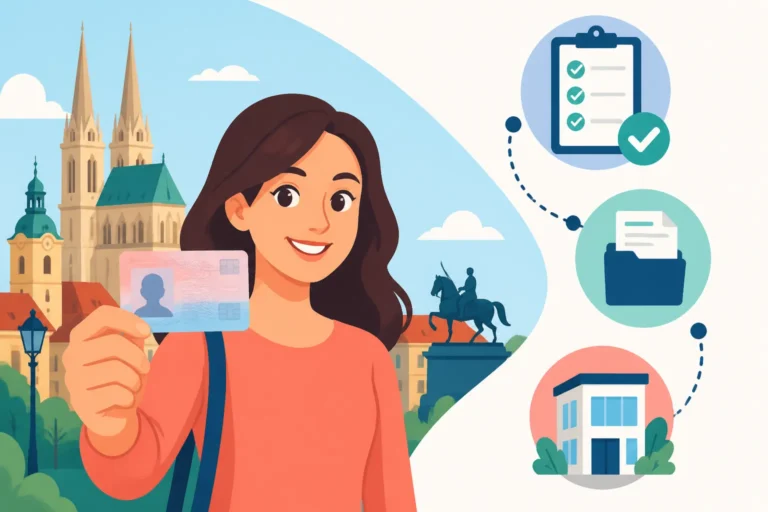
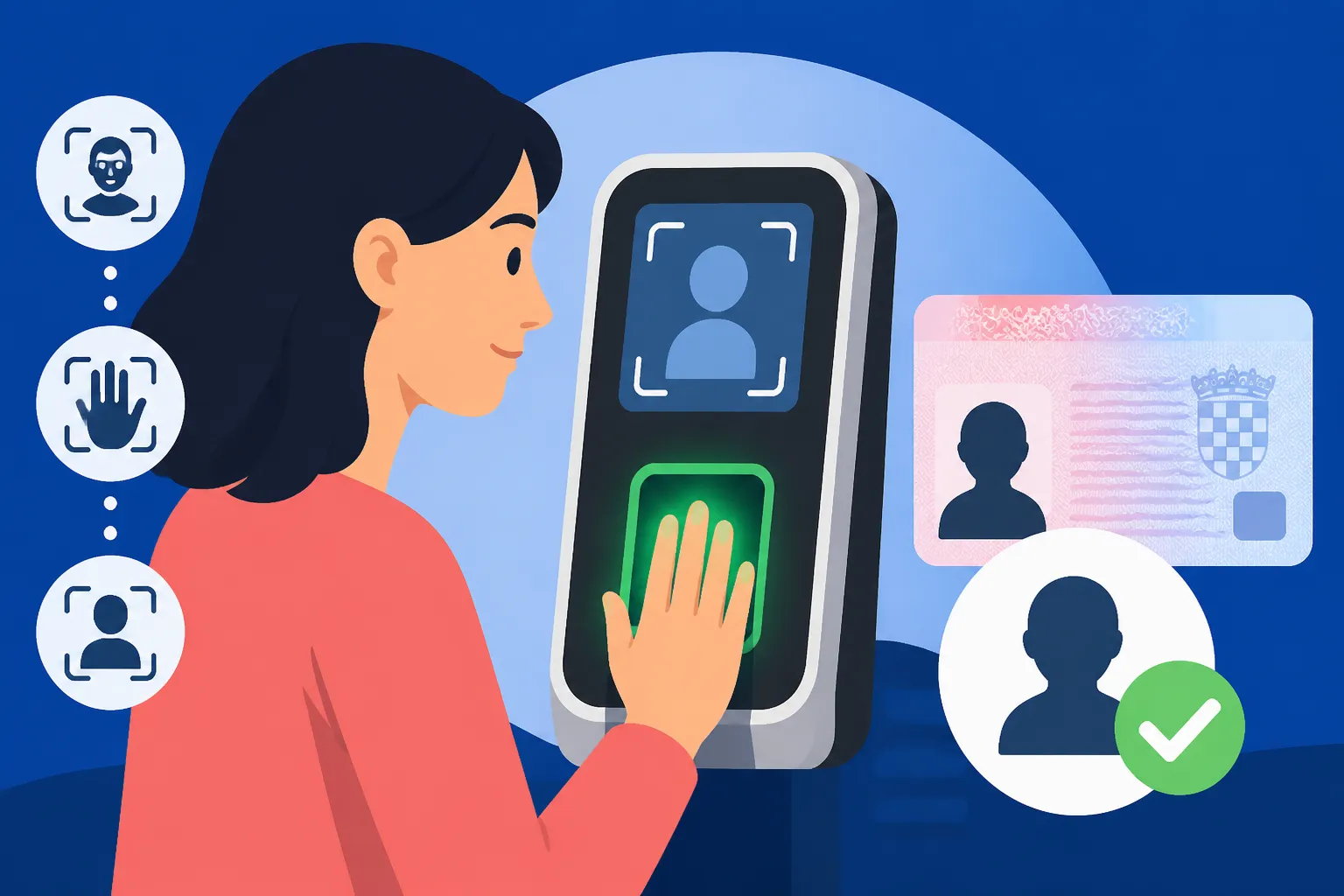
When the MUP (Ministarstvo unutarnjih poslova or Ministry of Interior) talks about biometrics, they're primarily referring to two things: your fingerprints and your facial image. These aren't just for a pretty picture on your card; they're unique identifiers that link you directly to your boravišna iskaznica, which is your official residence card. This card isn't just a piece of plastic; it's your key to living legally in Croatia, verifying your identity at banks, post offices, and when dealing with any other bureaucratic institution.
Think of it as an extra layer of security, both for you and for the state. Your fingerprints are digitally scanned – typically all ten fingers – to create a unique profile. The facial image is a high-quality digital photograph taken on the spot, designed to meet strict international standards for identity documents. It ensures that the person carrying the card is, without a doubt, the person to whom it was issued. This system is in place across the Schengen Area, meaning your Croatian residence card is a robust and universally recognized form of ID. For a broader understanding of this essential document, you might find this guide helpful: How Do I Get a Biometric Residence Card (Boravišna Iskaznica) in Croatia.
When and Why You'll Be Asked to Provide Biometrics
The request for biometrics typically comes at the tail end of your residence permit application process, after your application has been provisionally approved. It’s like the final stamp of approval before the card itself is printed. Whether you're applying for temporary residence, a digital nomad permit, or renewing an existing card, biometrics are a standard part of the procedure.
For a first-time temporary residence permit, once MUP has reviewed all your documents – your proof of funds, accommodation, and the all-important health insurance (providers like Cigna Global are often chosen by expats for comprehensive coverage) – and determined you meet all the criteria, they will then call you in for biometrics. The same goes for renewals; it’s about updating your existing identification with new biometrics if required or ensuring they have your most current image and fingerprints for the new card. If you're wondering about the initial application itself, this article offers a comprehensive overview: The Expat Guide to Temporary Residence (Privremeni Boravak) in Croatia. It’s essentially the last administrative step before your physical card is manufactured.
The Step-by-Step Process of Submitting Biometrics
Alright, let's get practical. Knowing the sequence of events can dramatically reduce stress. This isn't a mysterious rite of passage; it's a series of clear steps.
Receiving Your Biometrics Appointment Notification
This is where the waiting game truly feels like it’s paying off! Once MUP has reviewed your application and given it the green light, they’ll contact you to come in for biometrics. How they do this can vary, which, of course, adds to the expat mystery sometimes. You might get a phone call, an SMS, or even a good old-fashioned letter in the mail, depending on the MUP office and your registered contact details. Some offices are more digitally savvy, sending SMS messages, while others prefer the traditional post.
It’s absolutely crucial that the contact information you provided on your initial application is accurate and up-to-date. If you’ve changed your phone number or moved apartments since submitting your application (and haven’t updated MUP), you might miss this vital notification. If you’ve been waiting a while and suspect your permit has been approved but haven't heard anything, don't be afraid to proactively follow up. You can call your local MUP office or, if you're feeling brave, visit in person during their office hours. Just remember that patience and persistence are your best friends when dealing with Croatian bureaucracy. This guide on general residence permit processing times might give you an idea: How Long Does It Take to Get a Croatian Residence Permit?.
Preparing for Your Biometrics Appointment at MUP
Preparation is key to a smooth visit. While it’s the MUP staff who will actually take your photo and fingerprints, you still need to bring a few things with you and be ready.
First and foremost, you'll need your passport or other valid identification document. This is how they’ll confirm it's actually you. If you received any kind of approval letter or notification from MUP, bring that along too, as it often contains reference numbers they'll need. You'll also need to have filled out the application form for the boravišna iskaznica (residence card) itself, which MUP usually provides or has available for download on their website. Make sure all sections are complete and accurate.
Then there's the money aspect. There are typically two fees associated with your card: the administrative tax (upravna pristojba) and the residence card fee. These are often paid at the MUP office directly, at a nearby post office (pošta), or a bank using payment slips (uplatnice) provided by MUP. The amounts can vary slightly year to year, so it's always wise to have a decent amount of cash on hand, just in case. Debit/credit card payments aren’t always guaranteed for these specific fees at MUP counters.
Finally, for the photo, ensure you're presentable. While it’s not a fashion shoot, you should avoid anything that obscures your face – no hats, sunglasses, or elaborate headwear unless for religious reasons. They’ll likely ask you to remove glasses if you wear them, just to get a clear shot of your eyes. A neutral expression is usually best.
Here’s a quick checklist to help you get organized:
| Item | Description |
|---|---|
| Valid Passport/ID | Your original travel document used for the residence application. |
| MUP Approval Letter/Notification | Any official communication regarding your permit approval. |
| Boravišna Iskaznica Application Form | The filled-out application for the physical residence card itself. |
| Proof of Payment (if pre-paid) | Receipts for administrative fees (upravna pristojba) and card fees. |
| Cash | Sufficient amount for potential fees payable at MUP or nearby post office/bank. |
| OIB Document | While often not explicitly asked for, it’s your unique identifier; always useful. |
Remember, your OIB is crucial for nearly every administrative task in Croatia, so having its details handy is never a bad idea. For more on that, check out: How to Get Your OIB (Personal Identification Number) in Croatia.
What to Expect at the MUP Office for Biometrics
Okay, deep breaths! You’ve got your documents, you know what to expect. Stepping into the MUP office can feel a bit daunting, but it’s just another government building.
When you arrive, you’ll typically need to take a waiting number (redni broj) from a machine, usually labeled for "foreigners" or "residence permits" (stranci or boravišne dozvole). Be prepared for a wait, especially in larger cities like Zagreb or Split. It's often best to go first thing in the morning if you can.
Once your number is called, you'll head to the designated counter. The MUP officer will first verify your identity with your passport and review your application forms. They'll confirm the details for your new card. This is also when they'll usually ask for payment of the fees if you haven’t paid them yet. If they hand you payment slips, you’ll need to go to the closest post office or bank (sometimes there's one within the MUP building or very close by), pay the fees, and bring the stamped receipts back to the MUP officer. Don't skip this step!
Then comes the actual biometrics collection:
- Fingerprints: You'll place your fingers, one by one, onto a digital scanner. They'll typically scan all ten fingers, including rolling them to get a full print. It's a quick, clean, and completely painless process.
- Facial Image: A digital camera integrated into their system will take your photograph. They'll guide you on where to look and ensure your posture is correct for the shot. This is why having a clear, neutral face is important; they're looking for an unobstructed, recognizable image.
The MUP staff, even if they don't speak perfect English, are generally very good at guiding you through these steps visually. They do this hundreds of times a day! If you're concerned about language barriers, consider bringing a Croatian-speaking friend or using a translation app for specific questions. This is often the quickest part of the whole MUP visit once your number is called. If you've previously made an appointment, your wait time might be shorter, so check out this guide: How Do I Book an Appointment at the MUP for Immigration Matters.
After Biometrics: Waiting for Your Residence Card
You've done it! The biometrics are submitted. Now comes another period of anticipation, but at least you know the finish line is in sight.
Understanding the Production and Delivery Timeline
Once your biometrics are successfully captured, your residence card application enters the production phase. The physical boravišna iskaznica isn't printed right there and then at your local MUP office. Instead, the data is sent to a central facility that produces these high-security documents for the entire country. This central production and delivery system means there’s an inherent waiting period.
Realistically, you can expect to wait anywhere from a few weeks to a month, sometimes even longer, depending on the current workload at the production facility and the efficiency of your local MUP office. I've heard stories from fellow expats ranging from a surprisingly quick two weeks to a frustrating two months. It’s part of the charmingly unpredictable nature of Croatian administration, so try to factor that into your plans. If you're currently relying on a sticker in your passport as temporary proof of your permit, make sure you understand its validity.
You won't receive minute-by-minute updates, unfortunately. The MUP will typically notify you again, in the same way they notified you for biometrics (phone, SMS, or post), when your card is ready for pickup. This is why maintaining up-to-date contact information is paramount throughout the entire process. Just be patient; it will arrive.
Picking Up Your Brand New Boravišna Iskaznica
The call or message that your card is ready for pickup is a small moment of triumph! The pickup process is generally much quicker and smoother than the initial application or biometrics submission.
You'll usually return to the same MUP office where you submitted your biometrics. You'll need to bring your passport or other valid identification document for verification. If you're renewing your card, you'll also need to bring your old boravišna iskaznica, as they will collect it. They often don't require you to take another waiting number for pickups; sometimes there's a specific counter or a shorter queue for this purpose. Just ask one of the staff members or security guards, saying "podizanje kartice" (picking up card) and showing your notification, and they’ll usually direct you.
Once you receive your new card, take a moment to carefully check all the details. Is your name spelled correctly? Is the expiry date accurate? Is your photo clear and recognizable? Mistakes, while rare, can happen, and it's much easier to rectify them immediately at the counter than to discover them later. With your shiny new boravišna iskaznica in hand, you've officially completed a major step in establishing your life in Croatia. Congratulations!
Common Challenges and Tips for a Smooth Biometrics Process
Even with a clear roadmap, things can sometimes feel a bit… Croatian. Let’s tackle some common expat frustrations and how to best navigate them.
Dealing with Delays and Communication Issues
This is perhaps the biggest pain point for many foreigners. The timeline for receiving your biometrics notification, or indeed for your card after biometrics, can sometimes feel like an eternity. Delays are, unfortunately, a common feature of administrative processes here. The MUP is often dealing with a high volume of applications, and staff resources can be stretched.
My best advice here is to cultivate patience. Panicking won't speed things up, and constant, aggressive calling won't necessarily help your case. However, that doesn't mean you should simply sit indefinitely. If a reasonable amount of time has passed (say, a month since biometrics and no word), it's perfectly acceptable to follow up. A polite phone call to your MUP office, perhaps with a Croatian speaker if your language skills aren't fully confident, can sometimes yield an update. Sometimes, an in-person visit, armed with your application number and a calm demeanor, is the most effective way to get information.
It’s also helpful to keep track of any dates and names of officials you speak with. Documenting your interactions can be helpful if you need to escalate or refer back to previous conversations. Remember, the goal is to get information and facilitate the process, not to accuse or demand. A friendly, respectful approach often goes a long way.
Ensuring Your Photo Meets Requirements
While the MUP staff take the photo on the spot, and therefore it’s largely out of your hands, understanding the general requirements can help. The digital camera they use will capture a photo for official ID purposes, meaning:
- Neutral facial expression: No big smiles, no frowns. Just a relaxed, straight-faced look.
- Eyes open and visible: They'll likely ask you to remove any glasses that could cause glare or obscure your eyes.
- No head coverings: Unless for religious reasons, your head should be uncovered.
- Clear background: The MUP system ensures a plain, light background is used.
Don't overthink it, but be prepared to follow their simple instructions. They know what kind of photo they need for the card to be valid.
The Importance of Up-to-Date Information
I can’t stress this enough: keep the MUP informed of any changes to your contact details or address. If you move apartments after applying but before your card is ready, and MUP sends a notification to your old address, you could face significant delays or even miss important deadlines. Always inform them officially of a change of address. The same goes for your phone number.
Your unique OIB (Personal Identification Number) is the thread that connects all your administrative dealings in Croatia, including your residence permit. Ensuring that all your documents consistently use your correct OIB (or that you have one if you don't yet) streamlines processes considerably. This consistency helps MUP track your application effectively. For more on its importance, check out: How to Get Your OIB and Why It Matters for Healthcare Access. Having all your ducks in a row makes the entire experience, from initial application to receiving your boravišna iskaznica, as smooth as possible.
Disclaimer
The information provided in this guide is for general informational purposes only and does not constitute legal or professional advice. While we strive to keep the information accurate and up-to-date, administrative procedures in Croatia can change. It is always recommended to consult the official websites of the Croatian Ministry of Interior (MUP) or seek advice from a qualified legal professional or immigration consultant for the most current and specific guidance regarding your individual situation.