Understanding Dual Citizenship Rules in Croatia
Navigating the labyrinthine rules of dual citizenship in Croatia can feel like trying to solve a Rubik's Cube blindfolded, especially with ever-evolving legal frameworks. Many expats grapple with the hope of retaining their original nationality while embracing Croatia, only to find the process fraught with complexities. This guide aims to demystify Croatia's stance on dual citizenship, outlining various paths to nationality, when you can and cannot hold two passports, and the practical implications for those looking to call Croatia home permanently.
Croatia's Stance on Dual Citizenship
For many years, Croatia's position on dual citizenship was, to put it mildly, a bit of a bureaucratic head-scratcher. It wasn't a blanket ban, nor was it a free-for-all. Instead, the country's Citizenship Act (Zakon o hrvatskom državljanstvu) laid out specific conditions under which dual nationality was either tolerated or explicitly prohibited. Understanding these nuances is crucial, as missteps can lead to unexpected renunciation requirements or the rejection of your application entirely.
Historically, Croatia has generally favored a single nationality, particularly for those acquiring citizenship through naturalization. The underlying principle has often been one of allegiance – the idea that a citizen should primarily owe loyalty to one state. However, the reality of globalized lives, international marriages, and the significant diaspora means that a rigid "one citizen, one passport" approach isn't always practical or desirable. This tension between historical legal leanings and modern-day realities has shaped the current legal landscape, which allows for dual citizenship in certain, well-defined circumstances.
The Croatian Citizenship Act: A Deeper Look
The current Croatian Citizenship Act, with its most significant amendments in recent years, serves as the primary legal document governing who can become a Croatian citizen and under what terms. When you delve into this act, you quickly realize it's not a simple yes or no answer to dual citizenship. Instead, it creates a series of pathways, each with its own set of rules regarding other nationalities.
The most straightforward way to retain dual citizenship is often through birthright, particularly if one of your parents is a Croatian citizen and you acquire another nationality by birth in a foreign country. Here, the Croatian state generally recognizes the fact that you became a citizen of two countries simultaneously, without any active decision on your part to renounce. This contrasts sharply with the process of naturalization, where the state typically expects a more active commitment and, in many cases, the renunciation of prior citizenship. This is where many hopeful expats encounter their first major hurdle: the requirement to prove that they have renounced their original citizenship or that renunciation is simply not possible under their birth country's laws.
General Principles and Exceptions
The general principle for naturalization is that you must renounce your previous citizenship. However, the law provides for several critical exceptions. These aren't loopholes but carefully carved-out provisions designed to accommodate specific scenarios, such as:
- When your original country does not permit renunciation: Some countries, for various reasons, do not allow their citizens to renounce their nationality. If you can provide official proof of this impossibility from your home country's authorities, Croatia may waive the renunciation requirement.
- When renunciation would cause significant hardship: This is a more complex category, often involving individuals who would become stateless, or those for whom renunciation would result in severe financial or personal disadvantage. The Croatian Ministry of Interior (MUP) assesses these cases on an individual basis, requiring substantial documentation and justification.
- Individuals of Croatian descent or interest to the Republic of Croatia: This is perhaps the broadest and most commonly discussed exception. The law recognizes that individuals of Croatian origin, or those whose naturalization would be in the "interest of the Republic of Croatia," may be exempted from the renunciation requirement. This part of the law has been crucial for the Croatian diaspora, allowing many to reconnect with their ancestral homeland without severing ties to their current country of residence.
It's vital to remember that proving you fall into one of these exception categories isn't always easy. It requires meticulous documentation, often translated and apostilled, and a deep understanding of both Croatian and your home country's laws. For anyone considering applying for Croatian citizenship, especially if you hope to retain your current nationality, securing sound legal advice early on is highly recommended to navigate these intricate rules.
Paths to Croatian Citizenship and Dual Nationality Implications
Acquiring Croatian citizenship isn't a one-size-fits-all process. There are several distinct avenues, each with its own requirements and, crucially, its own implications for dual nationality. Understanding these paths is the first step in determining if you can hold both your current passport and a Croatian one.
Citizenship by Descent (Podrijetlo)
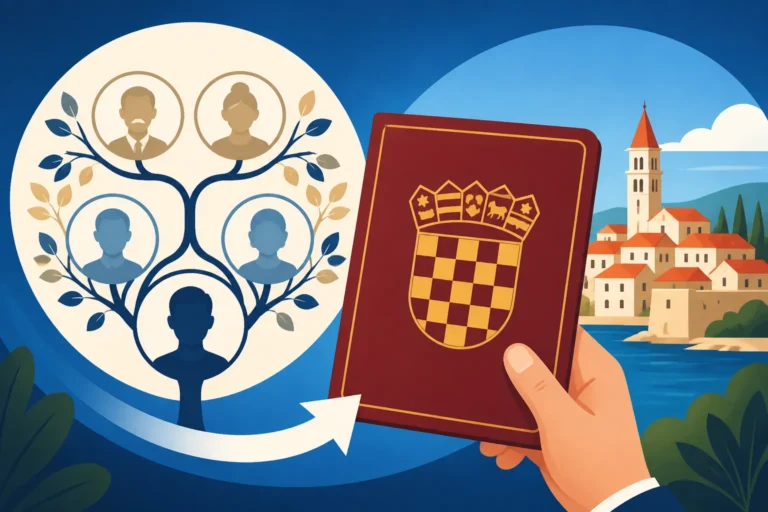
This is often the most straightforward path to Croatian citizenship and, generally, the one most amenable to dual nationality. If you can prove that one or both of your parents were Croatian citizens at the time of your birth, or if one of your parents was a Croatian citizen at the time of your birth and you were born abroad, you may be eligible for citizenship by descent. The key here is the legal principle of jus sanguinis (right of blood), meaning your nationality is derived from your parents.
For those applying through descent, the good news is that Croatia usually does not require you to renounce your existing citizenship. The logic is that you inherited your Croatian nationality, rather than actively choosing to acquire it later in life through naturalization. This pathway has been significantly streamlined and made more accessible for descendants of Croatian emigrants, especially with recent amendments aimed at encouraging the diaspora to reconnect. You’ll need to gather birth certificates, marriage certificates, and other vital records to establish the unbroken line of Croatian citizenship. Proving your connection can sometimes be a paperwork marathon, especially if your ancestors left Croatia generations ago, but for many, it's a worthwhile endeavor. More details on this can be found in our guide on How to Apply for Croatian Citizenship by Descent (Podrijetlo).
Citizenship by Naturalisation
Naturalization is the process by which a foreign national voluntarily becomes a Croatian citizen. This is the path most commonly pursued by expats who have lived in Croatia for an extended period, perhaps after securing a The Complete Guide to Croatian Residence Permits for Expats (2027) and establishing roots. For naturalization, the general rule is that the applicant must renounce their existing foreign citizenship. This is often the biggest hurdle for expats from countries that automatically revoke citizenship upon naturalization elsewhere, or those who simply wish to keep their original nationality.
However, as discussed, there are crucial exceptions. These exceptions are typically granted if:
- Your country of origin does not allow renunciation of citizenship.
- Renunciation would lead to statelessness.
- You are an individual whose naturalization would be in the interest of Croatia.
- You are a descendant of a Croatian emigrant, even if born abroad, who has a strong connection to Croatian culture and language.
- You are married to a Croatian citizen.
Meeting the criteria for these exceptions requires solid evidence and often takes longer to process. You’ll need to demonstrate genuine ties to Croatia, such as proficiency in the Croatian language, knowledge of its culture and social order, and a period of continuous residence. For couples, it is also essential to know the specifics around How to Apply for Residence Based on Marriage in Croatia, as this is a common prerequisite for citizenship application. The Understanding Naturalisation Requirements in Croatia article provides further insights into the general conditions.
Citizenship by Marriage to a Croatian Citizen
Marriage to a Croatian citizen doesn't automatically grant you Croatian citizenship, but it significantly shortens the naturalization waiting period and often makes the dual citizenship aspect more favorable. If you are married to a Croatian citizen and have continuously resided in Croatia with a valid residence permit for at least three years, you may apply for naturalization.
Crucially, in this scenario, the requirement to renounce your existing citizenship may be waived, especially if you have children with your Croatian spouse, or if your home country does not permit renunciation. This exception acknowledges the family unit and aims to keep spouses united under Croatian nationality without forcing a difficult choice. However, it's still not an absolute guarantee, and the MUP will assess each case individually. You will need to demonstrate the authenticity of your marriage and your integration into Croatian society, which includes proving your commitment to living in Croatia long-term.
Citizenship for Children
Children of naturalized Croatian citizens generally acquire Croatian citizenship automatically, provided certain conditions are met, such as being under a certain age (typically 18) and residing in Croatia with their newly naturalized parent. In these cases, the child's dual nationality status usually follows the parent's, meaning if the parent was permitted to retain dual citizenship, the child likely can too.
For children born abroad to at least one Croatian citizen parent, citizenship by descent is usually applicable, as mentioned earlier, which typically allows for dual nationality. However, if neither parent is a Croatian citizen and the child is born in Croatia, they usually do not automatically acquire Croatian citizenship unless they would otherwise be stateless. This reflects Croatia's jus sanguinis rather than jus soli (right of soil) approach to citizenship.
Situations Where Dual Citizenship is Permitted and When it's Not
The specifics of whether you can hold dual citizenship in Croatia often depend on the method by which you acquire Croatian nationality. It’s a nuanced area, and understanding these distinctions is paramount to avoiding disappointment or unforeseen complications. Let's break down the common scenarios.
When Dual Citizenship is Generally Allowed
There are several key instances where the Croatian state is generally amenable to its citizens holding another nationality:
- Citizenship by Birth (Jus Sanguinis): If you are born outside Croatia to at least one Croatian parent, you acquire Croatian citizenship by descent. In this scenario, if you also acquire the citizenship of your birth country (via jus soli or through the other parent), Croatia typically permits you to hold both. This is because you haven't actively "chosen" to acquire Croatian citizenship later in life; it was your birthright. This also applies if both your parents are Croatian citizens but you are born in a country that grants you citizenship automatically by virtue of being born there.
- Citizenship for Descendants of Emigrants (Article 16): Recent amendments to the Citizenship Act have significantly eased the path for descendants of Croatian emigrants. Under Article 16, individuals who can prove Croatian ancestry (up to the second degree of kinship in the direct line, or even broader categories for those who emigrated before 1991 due to certain political reasons) are eligible for citizenship. Critically, these individuals are generally not required to renounce their existing citizenship, recognizing their historical connection to the homeland. This has been a huge relief for many in the diaspora who wish to reclaim their roots without losing their current nationality.
- Marriage to a Croatian Citizen (with Exceptions): As discussed, if you've been married to a Croatian citizen for at least three years and have resided in Croatia for the same period, you can apply for naturalization. While the general rule for naturalization requires renunciation, the law provides an exception for spouses of Croatian citizens. This often allows them to retain their original citizenship, particularly if they have children with their Croatian spouse or if their home country makes renouncing citizenship impossible or extremely difficult.
- When Renunciation is Impossible or Unduly Difficult: This is a practical exception. If your country of origin's laws genuinely do not permit you to renounce your citizenship, or if the process of renunciation is fraught with insurmountable legal or administrative obstacles, Croatia may waive the renunciation requirement. You would need compelling official documentation from your home country’s authorities to prove this.
- Exceptional Interest to the Republic of Croatia: On rare occasions, individuals whose naturalization would be of "exceptional interest" to Croatia (e.g., highly skilled professionals, prominent athletes, or cultural figures) may be granted citizenship without renouncing their previous nationality. These are highly specific cases usually initiated or supported by relevant Croatian ministries.
When Dual Citizenship is Generally Not Permitted
Conversely, there are scenarios where Croatia maintains a stricter stance, primarily revolving around the principle of active choice and loyalty:
- Standard Naturalization (Article 8): For most foreign nationals applying for citizenship through general naturalization, without any ancestral ties or marriage to a Croatian citizen, the requirement to renounce their existing citizenship remains firm. This is the default position: if you are freely choosing to become a Croatian citizen, you are expected to make a full commitment to the state.
- Acquisition of Foreign Citizenship After Croatian Citizenship: If you are already a Croatian citizen and you subsequently acquire foreign citizenship through a voluntary act (e.g., applying for naturalization in another country), you risk losing your Croatian citizenship. Croatia's law generally states that Croatian citizenship ceases by operation of law if a citizen voluntarily acquires another citizenship. There are, however, exceptions, particularly for minors or those who inform Croatian authorities in advance and receive approval, but this is a complex area requiring careful consultation with legal experts.
It's crucial to understand that even within these "permitted" categories, the final decision always rests with the Ministry of Interior (MUP). Their interpretation of the law and the strength of your documentation are key. Seeking expert legal advice when navigating these waters is not just recommended, it's almost essential. For those in the midst of a move, managing logistics while understanding these rules can be tough. Companies like Sirelo can offer support for the physical relocation, freeing you up to tackle the bureaucratic elements more effectively.
The Practicalities and Pitfalls of Dual Citizenship in Croatia
So, you're hoping to hold two passports – a Croatian one and your original. This sounds great in theory, offering freedom and flexibility, but it's important to be realistic about the practicalities, both good and bad. Dual citizenship, while a blessing for many, can also come with its own unique set of administrative quirks and potential complications.
Benefits of Holding Dual Citizenship
Let's start with the upsides, because for many, these are substantial:
- Freedom of Movement: This is often the biggest draw. With a Croatian (and thus EU) passport, you gain the right to live, work, and study freely across all 27 EU member states, plus Iceland, Liechtenstein, Norway, and Switzerland. No more worrying about Schengen limits or complex visa applications for long-term stays in Europe. Imagine spontaneously deciding to spend a year working in Berlin or retiring to Portugal – your Croatian passport makes it seamless.
- Consular Protection: You have the right to seek consular assistance from both your countries of citizenship. This can be invaluable if you're traveling in a third country and face an emergency or legal issue.
- Property Ownership and Business Rights: While non-EU citizens can buy property in Croatia, having Croatian citizenship can simplify certain aspects, particularly regarding agricultural land, which often has tighter restrictions for foreigners. It can also streamline setting up businesses or accessing certain government-backed programs.
- Political Rights: As a Croatian citizen, you gain the right to vote in national and local elections and even run for office. This gives you a direct voice in the country you now call home.
- Cultural Connection: For many, especially those of Croatian descent, regaining citizenship is a deeply personal and emotional journey. It's about reconnecting with heritage, family, and a sense of belonging that a simple residence permit can't fully provide.
- Easier Bureaucracy within Croatia: Think about almost any interaction with Croatian state institutions – from healthcare registration to banking, or even just getting your OIB (personal identification number). As a citizen, many processes become smoother, requiring fewer questions about your permit status. For example, registering for HZZO health insurance might feel less like jumping through hoops.
Potential Drawbacks and Complexities
It's not all smooth sailing. Dual citizenship can introduce complexities you might not have anticipated:
- Tax Obligations: This is a big one. You might become liable for taxes in both countries, depending on their tax residency rules and any existing double taxation agreements. For example, if your home country taxes its citizens worldwide regardless of residency (like the USA), you could face a significant administrative burden and potentially higher tax liabilities. Always consult with a tax advisor specializing in international taxation for both countries.
- Military Service: While Croatia has abolished mandatory military service, dual citizens could theoretically be subject to military obligations in both countries, depending on the laws of each. This is less common in practice but something to be aware of, especially if you have children who will hold dual nationality.
- Administrative Burden: Managing two nationalities means potentially dealing with two sets of passport renewals, two different government forms, and keeping abreast of legal changes in both countries. It doubles your administrative load in certain aspects.
- Choosing Which Passport to Use: When entering or exiting your countries of citizenship, you are generally expected to use that country's passport. For instance, entering Croatia requires your Croatian passport (if you have one), and entering your country of original citizenship usually requires that passport. Using the "wrong" passport can sometimes lead to confusion or delays.
- Security Clearances/Certain Jobs: Some highly sensitive government positions or security clearances might require you to renounce any foreign citizenship. This is very niche but can be a factor for certain career paths.
Understanding these pros and cons means going into the process with your eyes wide open. While the benefits often outweigh the drawbacks for many, especially regarding EU freedom of movement, it’s a personal decision that requires careful consideration of your specific circumstances.
Navigating the Application Process for Citizenship
Applying for Croatian citizenship, whether for yourself or a family member, is a significant administrative undertaking. It demands meticulous preparation, patience, and a thorough understanding of the requirements set forth by the Ministry of Interior (MUP). This isn't a quick sprint; it's more like a marathon, and being well-prepared from the start will save you a lot of headaches.
Required Documentation
Regardless of the path you're taking (descent, naturalization, marriage), the MUP will require a comprehensive set of documents. These typically include, but are not limited to:
- Application Form: Officially known as the Zahtjev za stjecanje hrvatskog državljanstva.
- Proof of Identity: Your valid passport from your current citizenship, and often an identity card.
- Proof of Residence: This could be your Biometric Residence Card (Boravišna Iskaznica), a rental contract, or a title deed if you own property. The MUP will verify your registered address, often referred to as your prebivalište. Our guide on How to Register Your Residence (Prebivalište) at the MUP offers essential insights into this.
- Birth Certificate: Your original birth certificate, often requiring an apostille and certified translation into Croatian.
- Marriage Certificate (if applicable): If you're applying based on marriage to a Croatian citizen.
- Proof of Croatian Ancestry (if applicable): For citizenship by descent, this is paramount. It involves birth, marriage, and death certificates of your Croatian ancestors, proving an unbroken lineage.
- Criminal Record Check: Usually, you'll need a criminal background check from your country of origin and any other countries where you've resided for a significant period.
- Proof of Financial Means: Especially for naturalization applicants, demonstrating you can support yourself financially in Croatia without becoming a burden on the state.
- Proof of Croatian Language Proficiency and Cultural Knowledge: For naturalization, this is a must. You'll often need to pass a language and general knowledge test or provide a certificate from an accredited Croatian language school. Our article on Understanding the Croatian Citizenship Test and Language Requirement delves into this in detail.
- Statement of Renunciation (or Proof of Impossibility): For naturalization, this is where dual citizenship considerations come into play. You’ll either sign a statement that you will renounce your current citizenship if your application is approved, or provide official documentation from your country of origin proving that renunciation is not possible.
Every single document that isn't originally in Croatian must be officially translated by a sworn court interpreter in Croatia and often legalized with an apostille stamp from the issuing country. Missing or incorrectly prepared documents are the leading cause of delays, so double-check everything!
The Application Process: Step-by-Step
While the specifics can vary slightly depending on your citizenship path, the general application process usually follows these steps:
- Gather Documents: Start collecting all necessary documents. This can take a considerable amount of time, especially if you need to request records from abroad or translate them.
- Schedule an Appointment: You'll need to schedule an appointment at the administrative police department of the MUP relevant to your place of residence in Croatia. For those residing abroad, applications are typically submitted via the Croatian embassy or consulate in your country of residence.
- Submit Application: Attend your appointment with all original documents and their certified translations. The MUP officer will review everything, and you may be interviewed. They will take your fingerprints and photograph for your future biometric residence card, should your application be successful. You will also pay the administrative fees at this stage.
- Wait for Decision: This is often the longest and most trying part. Processing times can vary significantly, from several months to a few years, depending on the complexity of your case and the MUP's workload. While waiting, ensure your Health Insurance in Croatia: Mandatory, Supplementary and Private Options Explained remains valid to maintain your residency status.
- Interview (if required): Some applicants, particularly for naturalization, may be called for a follow-up interview to assess their knowledge of Croatian language and culture or to clarify aspects of their application.
- Oath of Allegiance: If your application is approved, you will receive a decision (rješenje). For naturalization cases, you will typically be invited to take an oath of allegiance to the Republic of Croatia.
- Renunciation (if applicable): If you committed to renouncing your previous citizenship, you'll need to provide proof of renunciation to the MUP within a specified timeframe after your Croatian citizenship is granted.
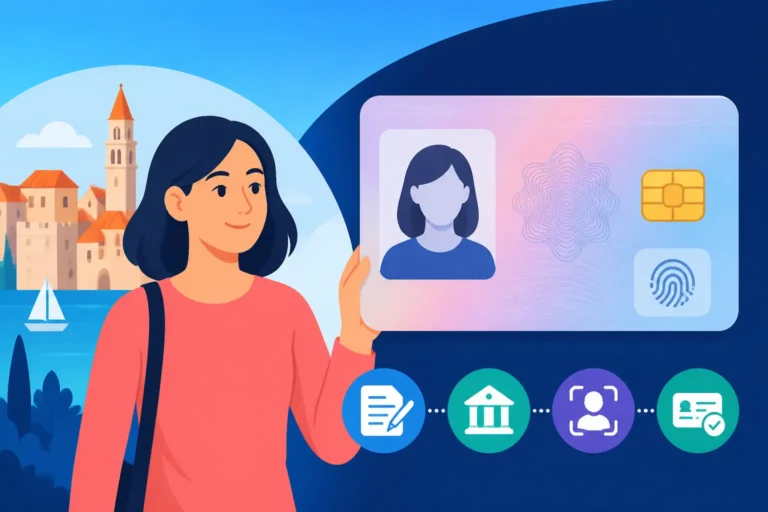
- Obtain Croatian Documents: Once you officially become a Croatian citizen, you can apply for your Croatian birth certificate, identity card, and passport. This marks the culmination of your journey.
Remember, the MUP is the sole authority on citizenship matters. While a general guide like this provides invaluable information, always cross-reference with the latest official MUP guidance or consult with an immigration lawyer in Croatia. The journey to becoming a dual citizen of Croatia is rewarding, but it certainly tests your patience and organizational skills!
Disclaimer
The information provided in this guide is intended for general informational purposes only and does not constitute legal, financial, or immigration advice. While we strive to provide accurate and up-to-date information, laws and regulations in Croatia, particularly concerning citizenship and immigration, can change frequently. Therefore, it is essential to consult with a qualified legal professional, immigration expert, or the relevant Croatian authorities (such as the Ministry of Interior – MUP or a Croatian embassy/consulate) for advice tailored to your specific situation. Reliance on any information in this guide is solely at your own risk.