The Complete Guide to Renting an Apartment in Croatia (2027)
Finding a suitable apartment to rent in Croatia can feel like navigating a labyrinth, especially when you're fresh off the plane, grappling with a new language, and trying to understand local customs. From deciphering rental ads that often lack key details to dealing with various administrative hurdles, the process can be incredibly frustrating. This comprehensive guide is here to demystify the Croatian rental market, offering step-by-step advice, critical insights, and local tips to help you secure your perfect expat home.
Understanding the Croatian Rental Market Landscape
Croatia's rental market is unique, shaped by its history, culture, and recent economic shifts. Unlike some Western countries with highly regulated and transparent processes, things here can often feel a bit more informal, yet simultaneously burdened by bureaucracy. It’s a paradox many expats quickly come to know and… well, tolerate. Don't be surprised if you encounter different practices across regions, or even from one landlord to another.
Regional Differences in Rental Costs and Availability
The cost and availability of rental properties in Croatia can vary wildly depending on where you choose to settle. It's not just about city versus village; even within cities, specific neighborhoods have their own distinct vibes and price tags.
The capital, Zagreb, naturally boasts the widest selection of apartments, from modern new builds in neighborhoods like Vrbani or Središće to charming, albeit older, flats in the bustling city center or the quieter upper town (Gornji Grad). Prices here can range significantly, with central, well-connected areas commanding higher rents. You'll find a mix of long-term rentals and student accommodation, making it competitive, especially during the academic year. Utilities might be higher in older, less insulated buildings.
Coastal cities like Split, Dubrovnik, and Rijeka face a different challenge: the immense impact of tourism. During the peak summer season (roughly May to September), many landlords prefer to rent their properties short-term on platforms like Airbnb, as this can generate significantly more income. This means that finding a long-term rental between June and September can be incredibly difficult, and what is available might come with inflated "tourist season" pricing or require you to vacate for a few months. It's a common lament among expats that they find a lovely place, only to be told it's only available until May 31st. Be prepared for this reality, or plan your move during the off-season. Smaller towns and inland regions, on the other hand, tend to have lower rents and more stable long-term availability, but with fewer amenities and job opportunities.
Common Rental Terminology and Local Nuances
Navigating the Croatian rental scene requires a basic understanding of key terms and cultural expectations. When you see an ad, you’ll often come across terms like najam (rent), iznajmljivanje (renting out), and stan (apartment). Prices are almost always listed in Euros (€) now, but historically were sometimes quoted in Kuna (HRK) – just ensure you're always clear on the currency.
It's common for landlords to request one or two months' rent as a security deposit (polog or depozit). This is standard practice and helps cover potential damages or unpaid utility bills. Always ensure this is clearly stated in your contract. Another common practice is that utility costs (režije) are usually separate from the rent, and you'll pay these based on your consumption. Sometimes, landlords might ask for a lump sum paušal for utilities, but it's often more transparent to pay based on actual usage. Don't forget to inquire about shared building maintenance fees (pričuva), especially in older apartment blocks; while legally the owner's responsibility, some landlords try to pass this on to tenants.
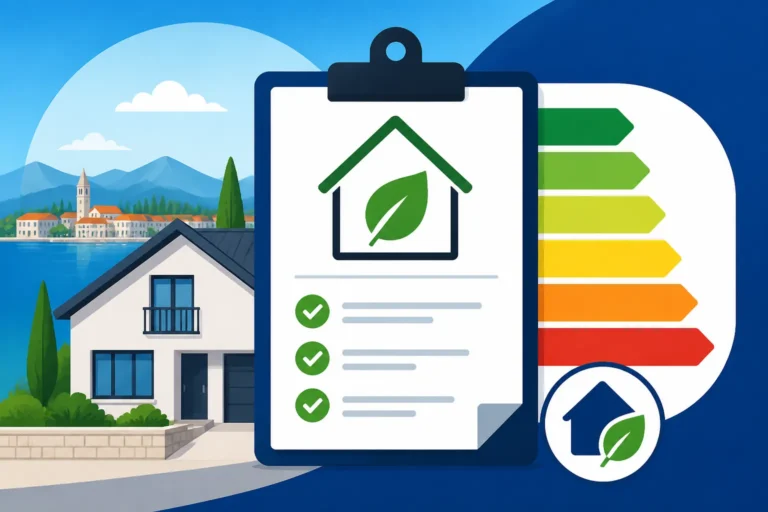
Be aware that some older buildings, especially those in charming historic centers, might lack modern insulation or efficient heating/cooling systems. This isn't necessarily a deal-breaker, but it's something to factor into your budget for electricity bills during harsh winters or sweltering summers. On the flip side, many newly constructed apartments come with excellent energy ratings and efficient appliances, which can save you money in the long run.
Preparing Your Rental Search: Documents and Expectations
Before you even start browsing listings, you need to get your ducks in a row. Renting in Croatia, like many administrative processes here, requires some foundational documents and a clear understanding of what landlords will expect from you. This preparation will not only speed up your search but also present you as a reliable, serious tenant.
Essential Documents for Foreigners
The single most crucial document you'll need for almost any official transaction in Croatia, including renting an apartment, is your OIB. This is your personal identification number, equivalent to a tax ID. Without it, you can't sign a lease, open a bank account, or do much else in the country. If you don't have one yet, make getting your How to Get an OIB (Personal Identification Number) in Croatia a top priority.
Beyond your OIB, landlords will typically ask for a copy of your passport or national ID (if you're an EU citizen). They might also request proof of income to ensure you can afford the rent. This could be recent pay stubs, a letter from your employer, or bank statements showing sufficient funds. If you're self-employed, an overview of your business income or a tax declaration might be necessary. Don't be surprised if a landlord asks for a guarantor, especially if you're a student or have limited income history in Croatia. It’s not uncommon, and while it can be a hassle, it’s often a deal-breaker for securing a desirable property.
Understanding Landlord Expectations and Cultural Differences
Croatian landlords, much like people everywhere, come in all shapes and sizes. However, there are some common expectations you should be aware of. Punctuality for viewings is highly valued, and presenting yourself as responsible and respectful will go a long way. Many landlords prefer long-term tenants, ideally for a year or more, to avoid the hassle of frequent turnover. If you're looking for a shorter stint, be upfront about it, but understand your options might be more limited or pricier.
Another significant cultural difference revolves around communication and negotiation. While some landlords are very direct, others might prefer a more indirect approach. Don't be afraid to ask questions, but do so politely and patiently. Direct negotiation on rent prices isn't as common as in some countries, especially for desirable properties in high-demand areas, but it's not entirely unheard of for a slight reduction, especially if you're offering a longer lease or paying several months upfront. Just don't push too hard if the answer is no. Lastly, expect most properties to be furnished (namješten). Unfurnished options (nenamješten) are less common, particularly for apartments, though you might find more unfurnished houses. Be clear about what furniture and appliances are included.
Navigating the Search: Where and How to Find Apartments
Once you’re prepared with your documents and expectations, it’s time to dive into the actual search. This can be the most time-consuming part, but knowing where to look and what strategies to employ will definitely give you an edge.
Online Portals and Social Media Groups
The digital age has certainly made the apartment hunt easier, even in Croatia. Most long-term rentals are advertised online. Njuškalo.hr is the undisputed king of classifieds in Croatia, much like Craigslist or Gumtree in other countries, but far more dominant. You'll find everything from apartments to cars to jobs there. It's a must-check, regularly updated resource. Other popular portals include Indomio.hr and Realitica.com, although they might have slightly less inventory than Njuškalo.
Facebook groups are another fantastic resource, especially for expats. Search for groups like "Expats in Zagreb," "Split Expats," or similar for your target city. Many landlords, or even departing expats, post available rentals directly to these groups, often seeking English-speaking tenants. This can be a goldmine as it sometimes bypasses agents and you get direct access to owners. However, always exercise caution with private listings – verify everything and never send money before seeing the property and signing a contract. Be vigilant against scams, which unfortunately exist everywhere.
Real Estate Agents vs. Direct from Owner
Deciding whether to use a real estate agent (agencija za nekretnine) or go directly through the owner has its pros and cons. Real estate agents can save you a lot of time and hassle. They have access to a wider range of properties, can arrange multiple viewings, and often help with the contractual process, which is invaluable if you're not fluent in Croatian. Many agents in larger cities will speak English. The downside? Their fees. Typically, the tenant pays a commission, usually one month's rent (plus VAT), which can be a significant upfront cost. Some reputable agencies like Biliškov Nekretnine or Eurovilla operate in major cities and can be a good starting point for professional help.
Going directly to the owner (direktno od vlasnika) means no agency fees, which is a big win for your budget. You might find these listings on Njuškalo (look for "direktno od vlasnika" or no agency name mentioned), Facebook groups, or even through word-of-mouth. The challenge here is that you'll be responsible for all communication, negotiation, and understanding the contract yourself. This is where having a Croatian friend or a trusted translator can be incredibly helpful. If you choose this route, be extra diligent in reviewing the lease agreement.
Essential Questions to Ask During Viewings
When you finally get to see a potential new home, don't be shy – this is your chance to gather all the information you need. Beyond the obvious (like how many bedrooms), here are some crucial questions:
- What are the average monthly utility costs? Ask for recent bills if possible (electricity, water, gas, internet). This helps you budget accurately.
- What is the heating system? Is it central heating, electric heaters, gas heaters, or air conditioning? This significantly impacts comfort and cost.
- Is the internet connection already set up? If not, what providers are available? Knowing this upfront saves you a headache later. Consider providers like Hrvatski Telekom (HT), A1, or Telemach for reliable service. You can also explore options like Airalo for eSIMs to ensure you're connected from day one, especially if you need to work remotely.
- What is the notice period for moving out? This is vital for your planning.
- Are pets allowed? If you have a furry friend, this is a non-negotiable question.
- What is included in the rent? Specifically ask about appliances, furniture, and any shared building amenities.
- Who is responsible for repairs and maintenance? Be clear on what you, as the tenant, are expected to cover versus the landlord.
- How will the security deposit be handled and returned? Get this in writing.
- Is the lease agreement registered with the tax authorities? This is a legal requirement for landlords and crucial for your rights. We’ll discuss this more in the next section, but it’s a great question to gauge a landlord's compliance.
The Rental Contract: What You Absolutely Need to Know
This is arguably the most critical part of the entire rental process. A signed rental contract (ugovor o najmu) is your legal protection, outlining your rights and obligations, as well as those of your landlord. Don't rush into signing anything you don't fully understand.
Key Clauses and Legal Requirements
A valid Croatian rental contract must include several key elements. It should clearly state the names and OIBs of both the landlord and the tenant(s), the exact address of the property, the monthly rent amount, the amount of the security deposit, and the duration of the lease (e.g., one year, indefinite). It must also specify who is responsible for paying utilities and any other associated costs like pričuva (building maintenance fees). The start date of the tenancy is also essential.
Crucially, the landlord is legally obligated to register the rental contract with the Croatian Tax Administration (Porezna Uprava) within 30 days of signing. This step is vital for your protection. If the contract is not registered, it technically means the landlord is operating "under the table," which can create significant problems for you if disputes arise, and can even complicate your ability to register your residence at the MUP. Always insist on a registered contract. For more details on this, check out our guide on How to Register a Rental Lease with the Croatian Tax Administration.
Negotiating Terms and Seeking Legal Advice
While major negotiation on the rent itself might be limited in competitive markets, there's often room to discuss other terms. For instance, you might negotiate a clause regarding minor repairs, or a slightly longer notice period if you're unsure about your long-term plans. If you're providing a larger security deposit or paying several months' rent upfront, you could try to negotiate a small discount or an earlier move-in date.
If you are unsure about any part of the contract, or if your Croatian isn't up to par for legal jargon, do not hesitate to seek legal advice. A local lawyer specializing in property law can review the contract for you and explain any potentially problematic clauses. While it's an added expense, it's a small price to pay for peace of mind and protection against future issues. They can also ensure the contract aligns with Understanding Tenant and Landlord Rights in Croatia. A Croatian friend or colleague who is familiar with legal documents can also offer invaluable assistance in reviewing the language, but remember, their advice isn't legally binding.
Understanding the Security Deposit (Polog)
The security deposit, or polog, is standard practice, usually amounting to one or two months' rent. This deposit is held by the landlord to cover any damages to the property beyond normal wear and tear, or for unpaid utility bills when you move out.
It is absolutely crucial that the terms for the return of your security deposit are clearly outlined in your lease agreement. This should specify the timeframe within which the landlord must return the deposit after you vacate the property and what deductions, if any, can be made. Take detailed photos or videos of the apartment's condition before you move in, noting any existing damages. Do the same after you move out. This documentation will be your best friend if there's a dispute over the deposit. If your landlord is part of a professional management company, they usually have clearer procedures for this. Some landlords might require the deposit in cash, but it's generally safer and more trackable to make a bank transfer.
Setting Up Your New Home: Utilities and Registration
Congratulations, you’ve signed the lease! Now comes the practical, but equally important, step of making your new place feel like home. This involves connecting utilities and officially registering your address.
Connecting Electricity, Water, and Gas
In most cases, especially if you're renting an apartment that has been previously occupied, the utilities will already be connected. Your main task will be to transfer the accounts into your name, or at least ensure you understand how to pay the bills. If you need a deeper dive into the overall process, our guide on The Expat Guide to Setting Up Utilities in Croatia is a great resource.
For electricity, the main provider is HEP (Hrvatska elektroprivreda). You’ll likely need to bring your rental contract and OIB to a local HEP office to put the account in your name. This is crucial for transparency and accountability. Similarly, water and gas services are typically managed by municipal companies, like Vodoopskrba i odvodnja for water in Zagreb. You will follow a similar process to transfer these. Always ask your landlord for guidance on this, as they can usually point you to the correct offices or sometimes even help facilitate the transfer. If you’re unsure how to start, our dedicated guides on How to Set Up Electricity (HEP) in Your Croatian Home and How to Set Up Water and Gas Connections in Croatia will walk you through the specifics.
Setting Up Internet and Mobile Services
Reliable internet is a lifeline for modern living, and especially for expats staying connected to home. Croatia has several major providers: Hrvatski Telekom (HT), A1, and Telemach. They all offer various packages for home internet, often bundled with TV and mobile services. You'll need your OIB and rental contract to sign up. Installation usually takes a few days to a week. Compare their offerings, especially if you need high-speed fibre optic internet, which is becoming increasingly available in urban areas.
For mobile services, you can either opt for a prepaid SIM card (available at kiosks, supermarkets, or provider stores) or a post-paid contract. If you’re just starting out, a prepaid SIM is a good way to get connected immediately. You can top up credit easily at kiosks or online. If you're looking for an alternative for data, especially for short stays or while waiting for home internet installation, consider an eSIM from providers like Airalo. It’s super convenient for staying connected without the hassle of a physical SIM. Our detailed guide on How to Choose a Mobile and Internet Provider in Croatia will help you compare options.
Registering Your Residence (Prebivalište)
Once you have a signed, registered rental contract, one of your next essential steps is to register your residence (prebivalište) at the local police station (MUP). This is mandatory for anyone staying in Croatia for more than 90 days and is crucial for obtaining your residence card and other necessary administrative tasks. You'll need your passport/ID, your OIB, and the registered rental contract. The landlord usually needs to be present with you or provide a signed statement confirming your tenancy.
The process can vary slightly by MUP office, but generally involves filling out a form and presenting your documents. Don't be surprised if there's a wait; patience is a virtue when dealing with Croatian bureaucracy! We have a very detailed guide on Registering Your Residence in Croatia: The Complete MUP Guide which breaks down the entire process, including specific documents and expectations, to make it as smooth as possible. Failing to register your residence can lead to fines and complications with your visa or residence permit status, so don't put it off.
Tenant Rights and Responsibilities: Living in Croatia
Understanding your rights and responsibilities as a tenant is crucial for a smooth rental experience in Croatia. While the law provides a framework, proactive communication and knowing what to expect can prevent many potential issues.
Legal Protections for Tenants
Croatian law, specifically the Law on Lease of Apartments (Zakon o najmu stanova), provides a degree of protection for tenants. Key aspects include:
- Written Contract is Mandatory: As mentioned, a written contract, registered with the tax authorities, is fundamental. Without it, your rights are severely limited.
- Notice Period: Landlords must typically provide a valid reason and a legal notice period for terminating a lease. For indefinite contracts, the standard notice period is three months, though this can be negotiated to be shorter in fixed-term contracts.
- Deposit Return: The law implies the deposit should be returned at the end of the tenancy, minus any justified deductions for damage or unpaid bills. Having clear clauses in your contract is vital.
- Right to Privacy: Landlords generally cannot enter your apartment without your permission, except in emergencies or with prior agreement for inspections or repairs.
- Basic Living Conditions: The landlord is responsible for ensuring the property meets basic safety and habitability standards.
However, it's important to remember that legal battles can be long and costly. It’s always better to try and resolve disputes amicably where possible. Our in-depth guide, Understanding Tenant and Landlord Rights in Croatia, offers a comprehensive overview of the legal framework to help you navigate potential issues.
Handling Repairs and Maintenance
For general wear and tear and minor repairs (e.g., changing lightbulbs, minor clogs), the tenant is usually responsible. However, for significant structural issues, major appliance breakdowns (unless caused by tenant misuse), or problems with plumbing, electrical systems, or the roof, the landlord is typically responsible.
When a repair is needed, communicate it to your landlord in writing (email or text is good for a paper trail) as soon as possible. Clearly describe the problem and, if possible, include photos. Give them a reasonable timeframe to address the issue. If they are unresponsive, reiterate your request. If the issue affects your ability to live safely or comfortably, and the landlord still refuses to act, you may have legal recourse, but this is usually a last resort. Always refer back to your contract's clauses on repairs and maintenance to ensure you're following the agreed-upon process.
Dealing with Disputes and Unforeseen Issues
Disputes can arise over anything from noise complaints to security deposit deductions. The best approach is always clear, respectful communication. If verbal discussions aren't resolving the issue, put everything in writing. Keep copies of all correspondence. If the dispute escalates, consider mediation through a third party.
In more serious cases, if you believe your landlord is violating your contract or legal rights, you might need to consult a lawyer or a consumer protection agency. However, bear in mind that legal action can be a lengthy and expensive process. Many expats prefer to try and resolve things informally or, in extreme cases, simply move to a new property, especially if they are on a fixed-term lease. Being prepared for potential issues, staying informed about your rights, and maintaining good communication can often prevent minor disagreements from spiraling into major problems.
Moving Out: The End of Your Lease
All good things must come to an end, and so too will your rental agreement. Moving out of an apartment in Croatia requires a few key steps to ensure a smooth transition and, most importantly, the full return of your security deposit.
Giving Notice and Final Inspections
The first and most crucial step is to provide your landlord with proper notice as stipulated in your rental contract. This is typically one to three months, depending on your agreement and whether you have a fixed-term or indefinite contract. Always provide notice in writing, keeping a copy for your records. This formal notification is essential to avoid being liable for additional rent.
Before you hand over the keys, you and your landlord should conduct a thorough final inspection of the property. This is where those initial photos and videos you took when moving in become invaluable. Compare the current condition of the apartment with how it was when you moved in. Note any new damages beyond normal wear and tear. It’s ideal to have a signed document by both parties acknowledging the condition of the apartment and the agreed-upon deductions from the security deposit, if any. If you can’t agree, having your photographic evidence will be vital. Sometimes, a third party, like your real estate agent (if you used one), can mediate this inspection.
Utility Disconnections and Deposit Return
Before you leave, ensure all your utility bills are paid up to your final day of occupancy. Take final readings of your electricity, gas, and water meters on your last day and provide these to your landlord and the utility companies. If you transferred the utility accounts into your name, you'll need to contact the providers (HEP, local water company, etc.) to close the accounts or transfer them back into the landlord's name. This ensures you won't be held responsible for future bills. Our general guide on The Complete Guide to Cost of Living in Croatia for Expats (2026) might also help you budget for these final costs.
The return of your security deposit should follow the terms outlined in your rental contract. Typically, landlords have a certain period (e.g., 15-30 days) after you vacate the property to return the deposit. If there are deductions for damages, they should provide an itemized list and justification. If you have done your due diligence, documented everything, and left the apartment in good condition, you should expect to receive your full deposit back. If the landlord withholds the deposit without good reason, refer back to your contract and your evidence. While it can be frustrating, starting with a polite but firm written request for the deposit and an explanation of any deductions is the best initial step.
Leaving Croatia: Final Paperwork
If you are leaving Croatia entirely, remember to formally deregister your residence at the MUP. This is important for their records and can prevent potential issues down the line. You'll need to visit the MUP office where you initially registered your prebivalište and inform them of your departure. This completes your administrative cycle in Croatia. If you’re also moving your belongings internationally, remember services like Sirelo can help compare moving companies, making the logistics of your move less daunting. For a broader overview of the initial steps, you might find our guide on The Complete Guide to Moving to Croatia: Your First 90 Days useful in reverse!
Table of Common Rental Fees and What to Expect
To give you a clearer picture of the typical costs involved when renting an apartment in Croatia, here's a summary of what you might expect to pay:
Fee Type Description Typical Amount When Paid Notes (or even a friend with a good phone for taking pictures in good condition). But the best place for serious money for a decent apartment is via a real estate agent like for example How to find and Rent Long-Term Accommodation in Croatia to assist you.
Disclaimer
The information provided in this guide is intended for general informational purposes only and does not constitute legal, financial, or professional advice. While we strive to provide accurate and up-to-date information, the Croatian legal and administrative landscape can change. It is strongly recommended to consult with local legal professionals or relevant authorities for advice specific to your individual circumstances. Always verify information with official sources.