Understanding Property Ownership Certificates (Vlasnički List) in Croatia
Navigating property ownership in a new country can feel like trying to solve a Rubik's Cube blindfolded, especially when you're dealing with a system that has its own unique quirks. For anyone looking to buy, sell, or even just verify property details in Croatia, understanding the Vlasnički List is absolutely non-negotiable. This guide will meticulously break down what this crucial document is, why it matters so much for foreigners, and how you can confidently navigate its intricacies.
What Exactly Is a Vlasnički List? The Cornerstone of Croatian Property Ownership
When you first hear "Vlasnički List," you might think of a simple piece of paper that says who owns what. And while that's essentially its core function, in Croatia, this document holds significantly more weight and detail than many foreigners initially realize. It's the official, legally binding record of property ownership, and it’s truly the foundation upon which all property transactions and rights are built.
More Than Just a Title Deed: Its True Significance
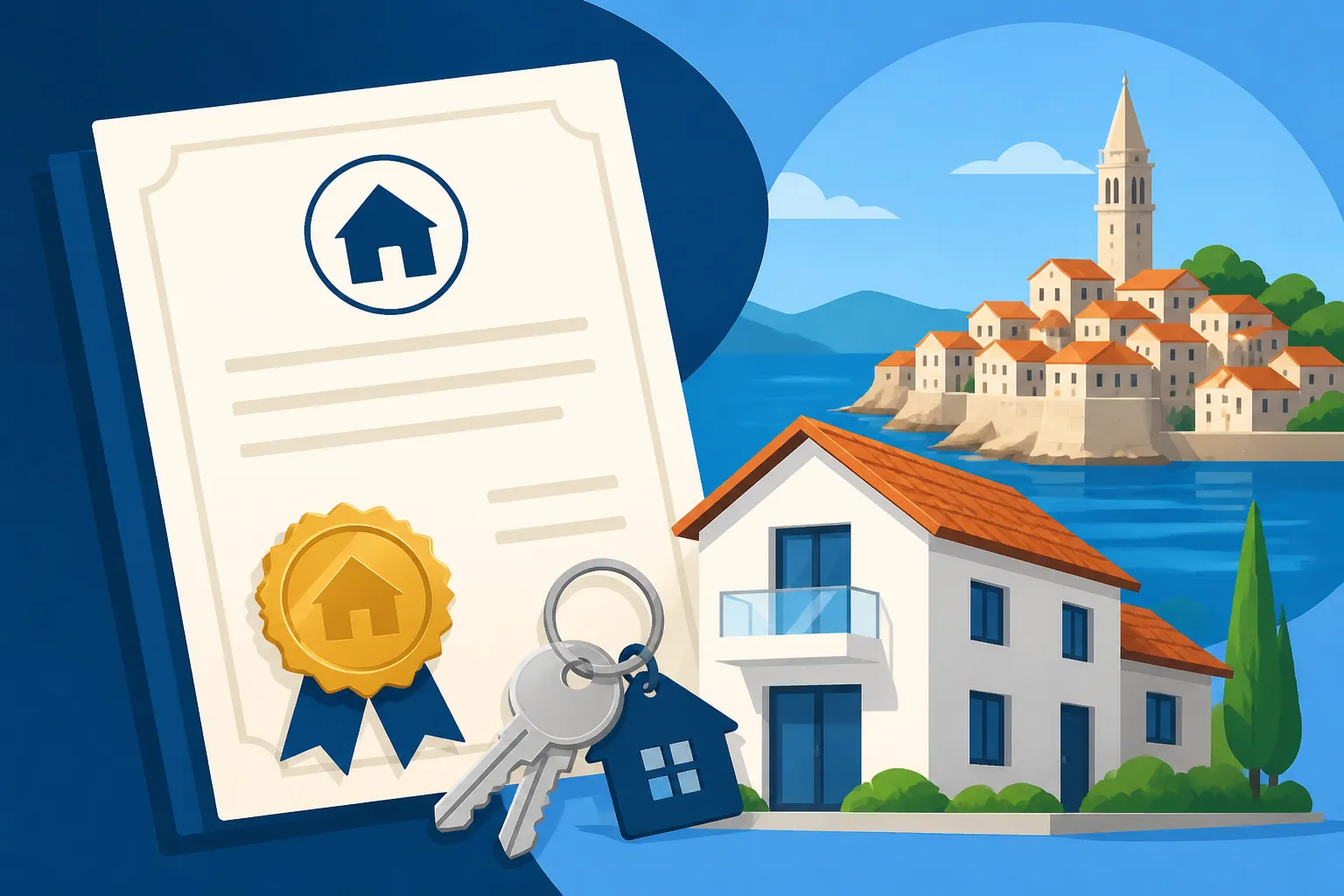
Imagine buying a house, only to discover later that there's a hidden mortgage you weren't aware of, or that the previous owner didn't have full legal rights to sell it. In Croatia, the Vlasnički List, often translated as a Property Ownership Certificate or Title Deed, is specifically designed to prevent these nightmarish scenarios. It's not just a record; it's a guarantee of legal certainty. This document is issued by the Land Registry (Zemljišnoknjižni odjel) which is part of the municipal courts, and it unequivocally states who the legal owner of a property is, what that property consists of, and if there are any outstanding burdens or claims against it. For expats, this level of transparency is invaluable, providing much-needed peace of mind in what can otherwise feel like an opaque administrative process. Without a clean Vlasnički List, any property transaction is fraught with risk, making it the very first document a savvy buyer or seller should always scrutinize.
Who Issues It and What Information Does It Contain?
The Vlasnički List is formally issued by the Land Registry Department of the Municipal Courts, which in Croatian is known as the Zemljišnoknjižni odjel općinskog suda. This state-backed system ensures that the information is accurate and legally recognized. You can often access this information online through the e-Zemljišne knjige portal, or for more official stamped versions, by visiting the physical Land Registry office.
What makes this document so potent is the depth of information it provides, meticulously organized into three distinct sections, often referred to as "lists":
- List A (Posjedovnica – Description List): This is where the physical characteristics and legal status of the property itself are detailed. You'll find the cadastral municipality, the cadastral parcel number, the property's size (area), and its specific type (e.g., apartment, house, agricultural land). It describes the property as registered in the cadastre, giving you a clear picture of what exactly is being referenced. It's essentially the geographical and physical fingerprint of the property.
- List B (Vlasnički List – Ownership List): This is the core of the document from an ownership perspective. It names the current legal owner(s) of the property, including their personal identification number (OIB). Crucially, it also details how ownership was acquired (e.g., purchase, inheritance, gift) and specifies any co-ownership shares if there are multiple owners. For anyone buying property, this list confirms that the person selling the property is, in fact, the rightful owner with the authority to do so. You'll definitely need to have your OIB in order to be listed as an owner.
- List C (Teretnica – Encumbrance List): Perhaps the most critical section for potential buyers, List C reveals any and all burdens, charges, or restrictions on the property. This includes mortgages (hipoteka), easements (služnosti), rights of way, liens, pre-emption rights, or any other third-party claims that might affect the property's value or your rights as an owner. This list ensures full transparency, preventing a buyer from unwittingly inheriting someone else's financial or legal problems associated with the property. Thoroughly reviewing this section with legal counsel is an absolute must before committing to any purchase.
Understanding these three lists is paramount. Each section provides a piece of the puzzle, and only by examining all three can you get a complete and accurate picture of a property's legal standing.
Why the Vlasnički List Is Absolutely Essential for Foreigners
Moving to a new country and considering a significant investment like property can be daunting. You're already dealing with a new language, different customs, and bureaucratic hurdles. The Vlasnički List becomes your most reliable ally in this process, cutting through potential confusion and providing a clear, official snapshot of what you're getting into.
Navigating the Croatian Property Landscape: Your Legal Compass
For many expats, the allure of Croatian property—whether it’s a charming stone house in Istria, a modern apartment in Zagreb, or a seaside villa in Dalmatia—is strong. However, without a deep understanding of local legalities, this dream can quickly turn into a headache. The Vlasnički List acts as your legal compass. It helps you verify the legitimacy of a sale, ensuring that the person you're dealing with actually owns the property and that there are no hidden surprises. Historically, property ownership in Croatia, especially for older properties, could be complex, sometimes involving unregistered heirs or communal ownership rights that weren't immediately obvious. While the system has become much more streamlined and transparent, this document remains the ultimate safeguard. It's the first step in your due diligence, confirming the property’s registered status, its exact dimensions, and most importantly, revealing any encumbrances that could tie it up in legal battles or cost you unexpected money down the line. It’s a vital tool to help you successfully How to Buy Property in Croatia as a Foreigner: The Full Guide (2027).
Crucial for Any Transaction: Buying, Selling, or Financing
The Vlasnički List isn't just a "nice to have" document; it's absolutely non-negotiable for virtually any property-related transaction in Croatia.
- Buying: When you're the buyer, a clear Vlasnički List is your assurance. It confirms that the seller has a legitimate claim to the property and provides a detailed account of any existing liens or mortgages (from List C). Your lawyer will insist on reviewing an up-to-date copy, often less than a week old, to ensure no last-minute changes have been registered. This is where your protection lies.
- Selling: If you're selling property in Croatia, you'll need to provide an updated Vlasnički List to potential buyers and their legal representatives. A clean and current certificate makes your property more attractive and speeds up the sale process, as buyers can quickly verify your ownership and the absence of encumbrances. Any discrepancies or unaddressed issues on your Vlasnički List will need to be resolved before a sale can proceed smoothly.
- Financing: Looking to secure a mortgage from a Croatian bank? The Vlasnički List is the first document they'll demand. Banks rely heavily on this certificate to assess the property's value, confirm ownership, and most importantly, check for any existing mortgages or other burdens that would take precedence over their own. A property with a murky or heavily encumbered Vlasnički List will likely be deemed unmortgageable, or at the very least, require extensive legal work to clear.
- Other Administrative Tasks: Even for seemingly smaller tasks, like connecting utilities, obtaining building permits, or establishing a rental agreement for your property (which then needs to be How to Register a Rental Lease with the Croatian Tax Administration), authorities may request your Vlasnički List to confirm your legal right to the property. It's the ultimate proof of ownership in any official capacity.
For those planning a move, coordinating property transactions with relocation can be a lot. When trying to sort out shipping belongings and finding temporary accommodation, services like Sirelo can help compare moving companies, potentially alleviating some of the stress that can distract from these crucial legal details. Having all your ducks in a row with your Vlasnički List before the chaos of moving day is a true blessing.
How to Obtain and Interpret Your Vlasnički List
Obtaining your Vlasnički List might sound like a bureaucratic nightmare, but thankfully, Croatia has made significant strides in digitizing this process, making it much more accessible for everyone, including expats. However, understanding what you’re looking at once you have it in hand is key.
Step-by-Step Guide to Requesting a Vlasnički List
Getting your hands on a Vlasnički List is actually quite straightforward these days. You have a couple of primary options, depending on what kind of document you need and how quickly you need it.
- Online Access (Informational): For quick checks and informational purposes, the easiest way is through the official e-Zemljišne knjige portal, which translates to "e-Land Registry." You don't even need to be logged in with your e-Građani account for a basic search. You'll need either the cadastral municipality (katastarska općina) and cadastral plot number (katastarska čestica) or the full address of the property. The portal allows you to view and download an unofficial copy of the Vlasnički List immediately. This is excellent for initial research or verifying information quickly, but remember, it's typically marked "informativnog karaktera" (for informational purposes) and might not be accepted by all institutions as a legally binding document for transactions.
- Online Access via e-Građani (Official): If you possess a Croatian e-Građani ID (which every resident expat should work towards getting, as it simplifies many administrative tasks), you can log in to the e-Građani portal and access the Land Registry section. Here, you can request an official, digitally signed Vlasnički List. This version has the same legal weight as one obtained directly from the court and is usually sufficient for most official purposes, including property transactions. The fee for this is minimal, often around 2.65 EUR, and it's available almost instantly. It's a fantastic example of Understanding the gov.hr and e-Građani Digital Services making life easier.
- In-Person at the Land Registry Office: For a hard copy with a physical stamp and signature, or if you don't have e-Građani access and need an official document, you can visit the relevant Land Registry Department (Zemljišnoknjižni odjel) at the municipal court for the area where the property is located. You'll need to fill out a simple request form (obrazac) and provide the cadastral municipality and plot number. The fee is usually around 5 EUR for a physically stamped official copy. While slower than online, this guarantees a document accepted everywhere. Waiting times can vary, so it’s best to go early.
Whichever method you choose, always ensure you have the correct cadastral details for the property, as this is the primary way properties are identified in the Croatian Land Registry system.
Deciphering the Three Sections: A, B, and C Lists Explained
Once you have your Vlasnički List in hand, whether digital or physical, it's time to understand its contents. As we mentioned, it’s divided into three distinct sections, each holding vital information. Let's break them down further, as Understanding the Zemljišne Knjige (Land Registry) in Croatia is crucial.
List A (Posjedovnica – Description List): What is the Property?
This section describes the property itself. Think of it as the property's official biography. You'll find:
- Cadastral municipality (Katastarska općina): The administrative area where the property is located.
- Cadastral parcel number (Katastarska čestica): The unique identification number assigned to a specific plot of land within the cadastral municipality. This is paramount for identification.
- Area (Površina): The size of the land in square meters.
- Type of culture (Način uporabe): What kind of property it is (e.g., building, yard, agricultural land, vineyard, forest).
- Purpose: If it's a building, its intended use (residential, commercial, etc.).
- Historical records: Sometimes, older records might reference previous cadastral numbers or changes to the property.
List B (Vlasnički List – Ownership List): Who Owns It?
This is the definitive answer to the question "Who is the legal owner?" This list will show:
- Name(s) of the owner(s): Full legal names of the individual(s) or entity (company) that legally owns the property.
- OIB (Osobni identifikacijski broj): The unique Croatian personal identification number for each owner. This is fundamental for identity verification. It's impossible to own property in Croatia without one, making How to Get an OIB (Personal Identification Number) in Croatia a prerequisite.
- Mode of acquisition (Način stjecanja): How the current owner came to possess the property (e.g., kupnja – purchase, nasljeđivanje – inheritance, darovanje – gift, rješenje o dosudi – court judgment).
- Ownership share (Idealni dio): If there are multiple owners, their percentage or fraction of ownership will be clearly stated (e.g., 1/1 for sole ownership, 1/2 for joint ownership).
List C (Teretnica – Encumbrance List): What Are the Catches?
This list is often the make-or-break section for buyers, as it details any limitations or claims against the property. Pay extreme attention to:
- Mortgages (Hipoteka): Details of any loans secured against the property, including the amount and the creditor (usually a bank).
- Easements (Služnosti): Rights granted to a third party to use a part of the property for a specific purpose (e.g., right of way for a neighbor, utility lines).
- Liabilities (Zabilježbe): Various types of notes or warnings, such as ongoing legal disputes, restrictions on selling, or pending enforcement proceedings.
- Pre-emption rights (Pravo prvokupa): Rights of certain individuals or entities (like the state or co-owners) to buy the property before it's offered to others.
- Usufruct (Plodouživanje): The right to use and enjoy the fruits of a property belonging to another.
A blank List C is ideal, as it means the property is free of burdens. Any entry on this list requires thorough investigation with legal counsel to understand its implications for your ownership rights and potential liabilities.
Here’s a quick summary table:
| List Section | Croatian Name | Main Purpose | Key Information | Why It Matters for Expats |
|---|---|---|---|---|
| List A | Posjedovnica | Describes the physical property and its characteristics | Cadastral municipality, parcel number, area, type, usage. | Confirms the physical existence and exact details of what you're buying. |
| List B | Vlasnički List | Identifies the legal owner(s) and acquisition method | Owner's name(s), OIB, ownership share, how property was acquired. | Ensures you're dealing with the rightful owner and verifies clear legal title. |
| List C | Teretnica | Reveals any burdens, charges, or restrictions | Mortgages, easements, liens, legal disputes, pre-emption rights. | Crucial for identifying potential financial or legal risks before purchase. |
Common Pitfalls and How to Avoid Them (Expat Edition)
While the Vlasnički List is a powerful tool, navigating the Croatian property market still has its unique challenges, especially for foreigners. Being aware of common pitfalls can save you significant time, money, and stress.
The Discrepancy Dilemma: Cadastre vs. Land Registry
One of the most perplexing issues foreigners (and even Croatians!) encounter is the occasional discrepancy between the Cadastre (Katastar) and the Land Registry (Zemljišne knjige). While both are official state records related to property, they serve different primary functions. The Cadastre primarily deals with the technical and graphical representation of properties – think maps, physical boundaries, and parcel numbers. It's overseen by the State Geodetic Administration (Državna geodetska uprava). The Land Registry, on the other hand, is the legal record of ownership and rights. Ideally, these two systems should perfectly align, but due to historical reasons, old surveys, or unregistered changes, this isn't always the case.
For example, the actual physical boundaries of a plot of land as shown in the Cadastre might not exactly match the area or shape registered in the Land Registry's Vlasnički List. Or, an old building might exist on a plot but not be formally registered in the Cadastre, thus not showing up in List A of the Vlasnički List as a "building." Such discrepancies can cause significant delays in property transactions, prevent banks from issuing mortgages, or lead to future legal disputes with neighbors. It’s absolutely vital to ensure that both the cadastral records (which you can check with a The Cadastral Extract (Katastarski Plan/Izvadak)) and the Land Registry's Vlasnički List are in harmony. If you discover a mismatch, be prepared for additional steps and costs to harmonize the records, which typically involves a licensed surveyor and legal assistance.
Undisclosed Burdens and Informal Agreements
While List C of the Vlasnički List is designed to be comprehensive, there's always a risk of unrecorded or informal agreements that could surface later. In some rural areas or older communities, "gentleman's agreements" regarding rights of way, shared well access, or even verbal understandings about land use might exist without ever being formally registered. These informal arrangements, while not legally binding against a new owner if not registered, can lead to neighborly disputes and unpleasant surprises.
Similarly, while less common today, there have been cases where older mortgages or other encumbrances were simply not updated in the Land Registry. This is rare, but highlights the importance of working with experienced legal counsel who can conduct deeper checks beyond just the Vlasnički List. It’s essential to be vigilant and not take anything for granted. For example, if a property has a shared driveway with a neighbor, ensure that an official easement is clearly recorded in List C, defining the terms of use. If it's not there, you could face arguments later about who can use what, and when. Never rely on verbal assurances when it comes to property rights in Croatia. Make sure everything is in writing and officially registered.
The Language Barrier and Professional Assistance
The Croatian legal system, like any other, has its own specific terminology and nuances. For expats who are not fluent in Croatian, understanding the legal jargon within the Vlasnički List and all related contracts can be incredibly challenging. Even if you understand conversational Croatian, legal Croatian is a different beast entirely. Misinterpreting a single clause in List C, for example, could have profound financial and legal consequences.
This is why engaging competent, English-speaking professionals is not just a luxury, but a necessity when purchasing property in Croatia. A qualified Croatian lawyer specializing in real estate will be able to:
- Thoroughly review the Vlasnički List and all other relevant documents (What Documents Do I Need to Buy Property in Croatia?).
- Identify any discrepancies between the Cadastre and Land Registry.
- Conduct additional checks to ensure there are no unrecorded claims or issues.
- Explain all legal terms and implications in plain English.
- Draft or review the purchase agreement to protect your interests.
- Assist with the registration of new ownership after the purchase.
While this adds to the Understanding Notary Fees and Property Purchase Costs in Croatia, it's a small price to pay for security and peace of mind in such a significant investment. Don't be tempted to cut corners here. Even simple tasks like coordinating with local authorities or utility providers can be frustrating without language skills, especially if your phone signal is spotty. Having a reliable mobile connection, perhaps with an eSIM from Airalo, can help ensure you can always reach your lawyer or translator when you need them most.
Keeping Your Vlasnički List Up-to-Date and Secure
Once you've successfully purchased your property and the ownership has been transferred, your journey with the Vlasnički List doesn't end there. It's a living document that reflects the legal status of your property, and ensuring it remains accurate and secure is part of responsible ownership.
Post-Purchase Procedures: What Happens Next?
The moment you sign the final purchase agreement (kupoprodajni ugovor) with the seller, usually in front of a public notary (javni bilježnik), you're not automatically the legal owner in the eyes of the Land Registry. The next crucial step is the registration of ownership transfer in the Land Registry. This process is called upis vlasništva.
Here's how it typically unfolds:
- Notary's Role: After the purchase agreement is signed and often solemnized by the notary, the notary will usually handle the submission of your request for ownership transfer to the Land Registry. This is a standard part of their service. The purchase agreement itself (or a separate clausula intabulandi, a specific clause authorizing transfer of ownership) serves as the basis for this registration.
- Tax Administration Notification: The Land Registry will also notify the Croatian Tax Administration (Porezna uprava) about the change in ownership, which will trigger the assessment of the real estate transfer tax (porez na promet nekretnina). You'll typically receive a tax decision at your registered address within a few weeks or months, and you'll need to pay this tax. This is a critical financial aspect of property ownership and often a surprise for new expats if they're not informed about Understanding the Real Estate Transfer Tax (Porez na Promet Nekretnina).
- Land Registry Processing: The Land Registry then processes your request. This involves checking all submitted documents and ensuring everything is in order. Once approved, your name and OIB will be entered into List B of the Vlasnički List for your property, and the seller's name will be removed. This is when you officially become the legal owner.
- Receiving Your New Vlasnički List: After successful registration, you can obtain a new, updated Vlasnički List with your name as the owner. The processing time for ownership transfer can vary, but generally, it takes a few weeks to several months, depending on the court's workload. It's always a good idea to follow up or have your lawyer track the progress.
Delays in submitting documents for registration can have consequences, especially if the seller (heaven forbid) tried to sell the property again before your ownership was recorded. Always ensure these post-purchase procedures are handled promptly and correctly by reliable professionals.
Monitoring for Changes and Digital Access
While property fraud is relatively rare in Croatia, it's wise to periodically check your Vlasnički List, especially if you own valuable property or land. This is particularly easy thanks to digital platforms.
- Regular Checks: Consider checking the e-Zemljišne knjige portal every few months, or at least annually, to ensure that no unauthorized changes or new burdens have been registered against your property. This can be a simple, quick online search using your cadastral details.
- e-Građani Alerts: If you have an e-Građani account, there may be options to set up notifications for changes related to your property. While not always fully implemented for all types of changes, the trend is towards greater digital transparency and alerts. Keep an eye on the Understanding the gov.hr and e-Građani Digital Services for new features.
- Secure Storage: Always keep official hard copies of your Vlasnički List (and all related purchase documents) in a secure place, such as a fireproof safe or safe deposit box. While digital copies are convenient, a physical backup is always a good idea. Also, share copies with your trusted legal counsel if they are assisting you with ongoing property management.
Being proactive about monitoring your Vlasnički List means you can quickly address any suspicious activities or errors, providing continuous security for your investment in Croatia.
Other Important Property Documents You'll Encounter
The Vlasnički List is undoubtedly the star of the show when it comes to proving property ownership in Croatia. However, it's part of a broader cast of documents that you'll frequently encounter during property transactions or when dealing with local authorities. Understanding these complementary documents is crucial for a complete picture.
The Cadastral Extract (Katastarski Plan/Izvadak)
While the Vlasnički List (from the Land Registry) focuses on legal ownership, the Cadastral Extract (Katastarski plan or Katastarski izvadak) focuses on the physical, graphical, and technical aspects of the property. Issued by the State Geodetic Administration (Državna geodetska uprava), it's essentially the official map and technical description of your land parcel.
Here's why it's so important:
- Physical Description: It shows the precise location, shape, dimensions, and area of your land parcel. It also depicts any buildings located on that land, along with their outlines.
- Boundaries: The cadastral map clearly outlines the boundaries of your property in relation to neighboring parcels. This is vital for avoiding disputes with neighbors and for verifying that the land you intend to buy or sell matches its actual physical layout.
- Property Identification: Like the Vlasnički List, it uses the cadastral municipality and cadastral parcel number for identification.
- Complementary Role: You'll often need both the Vlasnički List and a recent Cadastral Extract for any major property transaction, such as buying, selling, or applying for building permits. The Cadastral Extract gives you the "where" and "what it looks like," while the Vlasnički List provides the "who owns it." Discrepancies between the two (as discussed earlier) can halt transactions until resolved. For a deeper dive, check out Understanding the Katastar (Cadastre) and Property Boundaries in Croatia.
Usage Permits and Building Permits (Uporabna Dozvola, Građevinska Dozvola)
When you're dealing with constructed properties—especially newer ones or those that have undergone significant renovations—the Uporabna Dozvola (Usage Permit) and Građevinska Dozvola (Building Permit) become incredibly important.
- Building Permit (Građevinska Dozvola): This permit is required before any construction or major renovation work begins. It certifies that the planned construction adheres to local zoning regulations, urban plans, and building codes. If you're buying a property where recent construction has occurred, it's crucial to verify that a proper building permit was issued and that the construction was carried out in accordance with it. Unpermitted construction can lead to fines, demolition orders, or make it impossible to sell the property legally in the future.
- Usage Permit (Uporabna Dozvola): This permit is issued after construction is completed and confirms that the building has been constructed in accordance with the issued building permit and all relevant regulations, and is safe and fit for its intended use (e.g., residential, commercial). For any newly built property or a property that underwent significant reconstruction, the Uporabna Dozvola is an essential document. Without it, the building cannot be legally used or occupied, and you might face issues with utilities, registration, and future sale. Banks will absolutely require an Uporabna Dozvola for mortgages on newer properties.
Always ask to see these permits, especially the Uporabna Dozvola, when purchasing a property that has been built or significantly renovated in the last few decades. They offer an additional layer of protection, ensuring the legality and safety of your investment beyond what the Vlasnički List alone can provide. Combining these documents with a clear Vlasnički List ensures you have a truly secure and transparent property transaction in Croatia.
Disclaimer
The information provided in this guide is for general informational purposes only and does not constitute legal, financial, or professional advice. While we strive to offer accurate and up-to-date content, administrative procedures and laws in Croatia can change. It is essential to consult with qualified Croatian legal professionals, notaries, and real estate agents for advice tailored to your specific situation before making any property-related decisions. Relying solely on the information presented here is at your own risk.