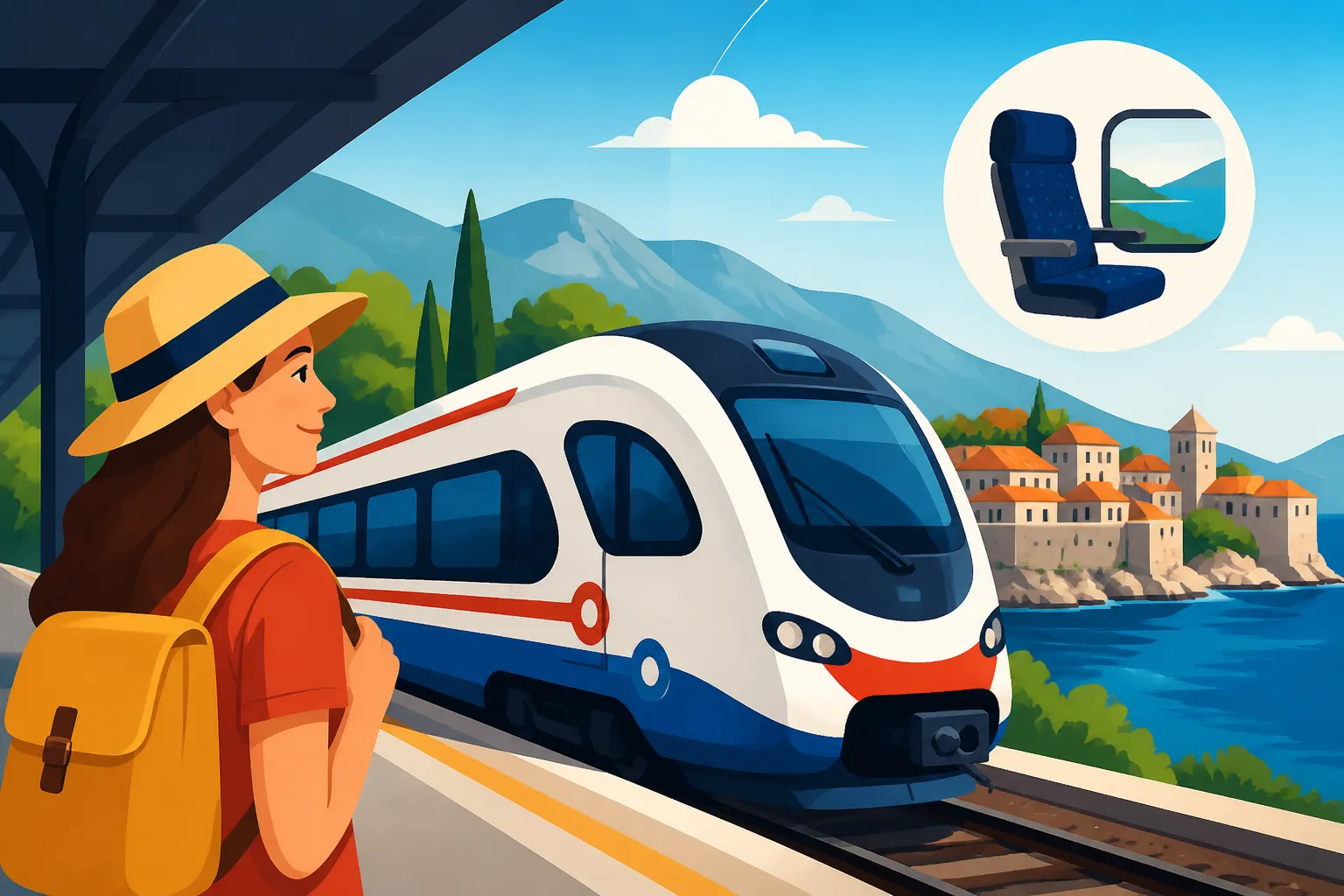
Understanding Train Travel with Croatian Railways (HŽ)
Oh, Croatian Railways, or HŽ as it's known here – it can feel like a bit of a mystery, can't it? When you first arrive in Croatia, trying to navigate the public transport system, especially the trains, can be daunting with language barriers and unfamiliar procedures. This comprehensive guide is here to unravel the complexities of train travel with HŽ, helping you understand how it all works so you can explore this beautiful country with confidence and ease.
Croatian Railways (HŽ): An Introduction and Overview
When you think of train travel in Europe, you might picture sprawling high-speed networks like those in Germany or France. Croatia’s railway system, managed primarily by HŽ, offers a different, often more scenic, and distinctly Croatian experience. It's not always the fastest way to get from A to B, but it certainly offers a unique perspective on the country, chugging through verdant valleys and past charming villages. For expats and tourists alike, understanding the ins and outs of HŽ is key to leveraging this transport option effectively.
The HŽ Passenger Transport (HŽ Putnički Prijevoz) Experience
HŽ Putnički Prijevoz is the passenger division of Croatian Railways, responsible for carrying people across the country and on some international routes. Unlike the sleek, modern trains you might find elsewhere, many HŽ trains feel a bit more… vintage. And honestly, there's a certain charm to that! It's an opportunity to slow down, observe the landscape, and perhaps even strike up a conversation with a local. However, it's crucial to manage your expectations regarding speed and punctuality. While efforts are being made to modernize the infrastructure, significant upgrades are ongoing, and some lines are still single-track, leading to longer travel times compared to buses or driving.
For instance, a journey from Zagreb to Split by train, while incredibly scenic, can take anywhere from 6 to 9 hours, often longer than the bus which typically covers the same route in about 5-6 hours. But imagine settling into your seat, watching the karst landscape unfold outside your window, without the stress of navigating unfamiliar roads or crowded bus terminals. It’s a trade-off, really. For those of us who’ve lived here a while, we learn that HŽ is less about speed and more about the journey itself. If you're moving to Croatia and need to bring a lot of luggage, consider a service like Sirelo to help you relocate, as trains might not always be the most practical for bulkier items unless specifically planned.
Understanding the National and International Network
The HŽ network predominantly radiates from Zagreb, serving as the central hub connecting most major Croatian cities. Key lines link Zagreb to Rijeka on the coast, to Split further south, to Osijek in the east, and to Varaždin in the north. However, it's important to note that the coastal region, especially south of Split (like Dubrovnik), is largely not served by trains. For those destinations, buses are king, or you’ll need to switch to other forms of transport.
Internationally, HŽ connects Croatia to neighbouring countries like Slovenia, Hungary, Serbia, and Bosnia and Herzegovina, and even offers connections to Austria and Germany. These international routes are often popular for those travelling through Central Europe. For example, the direct train from Zagreb to Ljubljana is a convenient way to hop between the two capitals. If you're planning a trip further afield and want to stay connected, an eSIM from a provider like Airalo can be incredibly useful, ensuring you have data for maps, translation apps, or checking schedules, even when crossing borders. Keep in mind that while the network is there, some routes, particularly international ones, might not run daily or might have reduced schedules outside of peak season. Always check ahead!
Planning Your Journey: Routes, Tickets, and Reservations
One of the first hurdles expats often encounter with HŽ is simply figuring out how to plan a trip. The system isn't always as intuitive as some other European networks, but once you get the hang of it, it's straightforward enough. Proper planning can save you a lot of headaches, especially if you're aiming for specific connections or traveling during busy periods like summer holidays. This is where a bit of local knowledge and patience really comes in handy.
How to Find Train Schedules and Routes
The official HŽ Putnički Prijevoz website is your best friend for up-to-date schedules. You can usually switch the language to English, which is a massive help. Input your departure and arrival stations, your desired date, and hit search. The results will show you available trains, their types, travel times, and any necessary transfers. Sometimes, especially for less popular routes or during off-peak seasons, the website might show limited options. Don't be surprised if certain smaller towns only have one or two connections a day.
It’s also a good idea to cross-reference with Google Maps or other journey planners, although the HŽ site should be considered the authoritative source for direct train information. Keep in mind that some stations might have slightly different names than what you expect, so it’s always wise to confirm the exact spelling. For instance, Zagreb Glavni Kolodvor is Zagreb Main Station. If you're just starting your journey in Croatia, understanding The Expat Guide to Public Transport in Croatia can give you a broader perspective on all available options, helping you decide if train travel is indeed the best choice for your specific needs.
Buying Tickets: Online, Stations, and Onboard
You have a few options when it comes to purchasing HŽ tickets, each with its own advantages.
Online: The HŽ website allows you to buy tickets electronically, which is often the most convenient method for longer journeys or when you want to secure a seat in advance. You simply select your route, date, class, and make the payment. You'll usually receive an e-ticket that you can print or show on your phone. This is particularly useful for avoiding queues at the station, especially in busy hubs like Zagreb or Split. It's often where you might find specific discounts or special offers too.
At the Station: Most train stations in Croatia have ticket counters. While staff at larger stations, particularly in tourist areas, usually speak some English, don't rely on it universally. It helps to have your destination written down clearly. Be prepared for potential queues during peak hours. If you're travelling from a smaller station, there might only be one counter or limited operating hours.
Onboard: Yes, you can often buy a ticket directly from the conductor on the train if you board at a station without a ticket counter or if you didn't have time to purchase one. However, be aware that you might incur a small surcharge for buying onboard. This is usually explained by signs at smaller stations. It’s always best to try and buy in advance if possible to avoid any extra fees or complications. For example, if you board a train in a small town like Ogulin and are headed to Zagreb, the conductor will sell you a ticket, but expect to pay a few extra euros for the service. This convenience can be a lifesaver, but it's not the primary, recommended method for regular travel.
Seat Reservations and Why They Matter
For many domestic HŽ routes, seat reservations are not mandatory, meaning you can just buy a ticket and sit in any available seat. However, for certain InterCity (IC) trains, especially on popular routes like Zagreb-Split, or for international journeys, a seat reservation is often either compulsory or highly recommended. You’ll see this indicated when you purchase your ticket. Reserving a seat typically costs a small additional fee, usually a couple of euros.
Why bother with a reservation? Well, imagine a busy summer day on the Zagreb-Split line. The train is packed with tourists and locals heading to the coast. If you don't have a reservation, you might end up standing for a significant portion of your journey, especially if you're travelling with luggage. A reservation guarantees you a spot and can make your trip much more comfortable. Always check if your specific train requires or recommends a reservation when booking. It's a small investment for peace of mind, especially on longer journeys.
Types of Trains and Classes of Service
HŽ operates different types of trains, each designed for varying distances and speeds. Understanding these distinctions is important for managing your expectations and choosing the right service for your journey. While Croatia's train network might not boast high-speed marvels, the variety still caters to different travel needs, from local commutes to longer inter-city hauls.
Regional, Fast, and InterCity Trains Explained
Let’s break down the main categories of HŽ trains you'll encounter:
-
Regional Trains (Putnički vlak / Lokalni vlak): These are your local workhorses. Regional trains make frequent stops at almost every station along their route, connecting smaller towns and villages. They are the slowest option, but also the cheapest. If you're exploring rural Croatia or making a short hop between nearby towns, these are often your only option. Don't expect fancy amenities; they are basic but get the job done. They are ideal for exploring quaint areas like those around Karlovac or Varaždin.
-
Fast Trains (Brzi vlak): As the name suggests, these trains are faster than regional ones, making fewer stops and connecting larger towns and cities. They offer a good balance between speed and cost, making them a popular choice for inter-city travel within Croatia. You'll find these on routes like Zagreb to Rijeka or Zagreb to Osijek. They are a step up in comfort from regional trains, often featuring more modern carriages.
-
InterCity Trains (IC vlak): These are the premium domestic trains, offering the fastest connections between major Croatian cities. The most famous IC route is between Zagreb and Split, often referred to as the "Adria Express" or similar names, particularly during tourist season. IC trains typically have air-conditioning, more comfortable seating, and sometimes even a small snack bar or trolley service. Seat reservations are often mandatory or highly recommended for these services. They are the most expensive option but offer the best comfort and shortest travel times on the HŽ network. If you're pressed for time or simply want a more pleasant journey, the InterCity is usually your best bet.
First vs. Second Class: What's the Difference?
Like many European train systems, HŽ offers both first and second-class carriages. The differences, while sometimes subtle, generally boil down to comfort and space.
Second Class: This is the standard offering on HŽ trains and where most passengers will travel. Carriages typically feature rows of seats, sometimes in a 2+2 configuration, or with facing seats and a table. While some older trains might have less legroom, newer or refurbished carriages are generally quite comfortable for a few hours. It's perfectly adequate for most journeys, and you'll find a mix of locals, students, and tourists here. It's the most budget-friendly option.
First Class: Opting for first class usually means more spacious seating, often in a 2+1 configuration, giving you more elbow room and privacy. The seats are typically larger, more padded, and in better condition. On some trains, you might find power outlets (though this isn't guaranteed on all older trains) or slightly better ambient lighting. For longer journeys, especially if you plan to work or simply prefer a quieter environment, first class can be a worthwhile upgrade. However, it's not a luxury experience akin to first class on some Western European railways, so temper your expectations. It’s more about enhanced comfort and space than gourmet meals or dedicated service. For international travellers, many opt for first class if they have an Interrail or Eurail pass that covers it, for that extra bit of comfort on longer hauls.
Night Trains and Special Seasonal Services
HŽ does operate a limited number of night train services, primarily on international routes, though some domestic night services might pop up during peak seasons. These typically offer various sleeping arrangements, from standard seats to couchettes (shared compartments with bunk beds) and sometimes even sleeping cars (private compartments with proper beds). Night trains can be a great way to save on accommodation and travel long distances efficiently, but booking well in advance is essential, especially for sleeping compartments. The Zagreb-Split route sometimes has night options during the summer, allowing you to wake up by the sea.
Additionally, HŽ occasionally introduces special seasonal services, particularly during the bustling summer months. These might include additional trains to coastal destinations or enhanced services for major festivals or events. Always keep an eye on the HŽ website for these temporary offerings. If you're traveling during Advent in Zagreb, for instance, you might find special services catering to tourists coming to enjoy the festive atmosphere.
Practical Tips for a Smooth Train Journey in Croatia
Embarking on a train journey in Croatia can be a delightful experience if you’re prepared. After all, a little forethought can turn potential frustrations into minor hiccups, which is something we expats learn pretty quickly here! From handling your luggage to staying connected, here are some practical tips to make your HŽ adventure as smooth as possible.
Luggage, Bikes, and Pet Policies
Navigating luggage on Croatian trains is generally straightforward, but there are a few things to keep in mind.
Luggage: For standard tickets, you're usually allowed to bring a reasonable amount of luggage (e.g., one or two large suitcases plus a carry-on) that you can comfortably manage yourself and store in the overhead racks or designated luggage areas. There are no strict weight limits like on airplanes, but common sense applies – if it doesn’t fit, it’s a problem. For those moving or on extended trips, who might be considering shipping larger items, services like Sirelo can be helpful alternatives, as trains aren't designed for large-scale cargo.
Bikes: Many HŽ trains accommodate bicycles, but often with certain conditions. You'll usually need a separate ticket for your bike, and space can be limited, especially on busy trains or routes. Some regional trains have dedicated bike compartments, but on others, you might need to disassemble your bike or hope for enough space in the entryway. Always check the HŽ website or inquire at the station about bike transport availability and rules for your specific route. It’s usually best to travel with a bike during off-peak hours if possible.
Pets: Small pets in carriers are generally allowed on HŽ trains, often requiring a separate, reduced-fare ticket. The carrier must be small enough to fit on your lap or under the seat, and the pet must not disturb other passengers. For larger dogs, specific rules apply, and they might only be allowed in certain compartments or with muzzles and leashes, often requiring a full-fare ticket. Again, it’s crucial to verify the current pet policy with HŽ directly before travelling, as rules can change and vary by train type.
Station Facilities and Accessibility
Croatian train stations, particularly the larger ones, offer a range of facilities, though these might not always match the extensive amenities found in major Western European hubs.
Facilities: Main stations like Zagreb Glavni Kolodvor will have ticket offices, waiting rooms, restrooms (often for a small fee), and sometimes small kiosks or cafes where you can grab a coffee or a snack. Smaller stations might only have a basic platform and a small waiting area. Don't expect large shopping centres or a wide array of dining options like at airports. If you’re passing through a smaller town, it’s always wise to pack some snacks and drinks.
Accessibility: For passengers with reduced mobility, accessibility can be a mixed bag. Newer trains and platforms in major stations are often designed with accessibility in mind, featuring ramps and wider doors. However, older trains and smaller, regional stations might pose challenges with steps and gaps between the platform and the train. It is highly recommended to contact HŽ customer service in advance if you require assistance or have specific accessibility needs. They can advise on suitable routes and arrange help for boarding and disembarking.
Connectivity Onboard: Wi-Fi and Power Outlets
In today's connected world, the question of onboard Wi-Fi and power outlets is always high on a traveler's list.
Wi-Fi: While some of the newer or refurbished HŽ train carriages, particularly on InterCity routes, might offer free Wi-Fi, it is by no means universal or consistently reliable. The signal can be patchy, especially when travelling through more rural areas or tunnels. Do not rely on train Wi-Fi for critical work or constant streaming.
Power Outlets: Similarly, power outlets are more commonly found in first-class carriages or on newer trains, but they are not a standard feature across the entire fleet. If you absolutely need to charge your devices, bring a portable power bank. It’s a lifesaver for those long scenic journeys.
For reliable connectivity throughout your journey and beyond, consider getting a local Croatian SIM card or an eSIM. An eSIM from a provider like Airalo means you'll have data access right from your arrival, perfect for navigating, checking schedules on the go, or staying in touch with loved ones, regardless of train amenities. It’s an essential tool for any expat or long-term tourist who needs to stay connected in Croatia, especially when relying on public transport where information can sometimes be elusive. You can learn more about How to Set Up Mobile and Internet Provider in Croatia for a broader view of options.
Common Challenges and How to Overcome Them
Living in Croatia, or even just visiting for an extended period, means embracing the local way of doing things, which sometimes includes a healthy dose of patience. Train travel here is no exception, and you’ll likely encounter some specific challenges that are good to be aware of. But don't worry, with a little preparation and the right mindset, you can navigate them gracefully.
Dealing with Delays and Cancellations
Ah, the infamous delays and cancellations! This is perhaps the most common frustration for anyone relying on HŽ, especially for those accustomed to highly punctual systems elsewhere. Croatian trains are, shall we say, prone to "flexible" scheduling. Delays can occur for various reasons: track maintenance, weather conditions, technical issues, or simply being held up by another train on a single-track section.
What to do:
- Check in Advance: Always check the HŽ website or app for real-time updates before heading to the station. Announcements at stations are usually in Croatian, so having your own way to check is crucial.
- Build in Buffer Time: If you have a connecting train, a flight, or an important appointment, always factor in significant buffer time. Don't plan tight connections, particularly with international travel.
- Have a Backup Plan: Especially for critical journeys, consider what you would do if the train is severely delayed or cancelled. Knowing alternative bus routes or having taxi numbers handy can reduce stress significantly. For example, if you need to travel from Split to Zagreb and there's an issue with the train, know where the main bus station (Autobusni Kolodvor) is in Split and check bus schedules.
- Stay Calm: Panicking won't make the train arrive faster. Grab a coffee, enjoy the surroundings, or strike up a conversation. Most locals are used to it and are often happy to commiserate or offer advice.
Language Barriers and Getting Information
While staff in major tourist hubs often speak some English, don't assume it will be the case universally, especially at smaller stations or on regional trains. This can make getting real-time information about delays or changes challenging.
How to overcome it:
- Basic Croatian Phrases: Learning a few basic phrases like "Koliko kasni vlak?" (How late is the train?) or "Koji peron?" (Which platform?) can go a long way.
- Translation Apps: Have a translation app ready on your phone. Google Translate or similar tools can be indispensable for quick communication.
- Visual Cues: Look for written announcements on boards, which might be easier to translate. Pointing to your ticket or destination on a map can also help.
- Ask a Younger Person: Younger Croatians are more likely to speak English and are often very helpful if you politely ask for assistance.
- The Expat Community: We've all been there! Reaching out to local expat groups online can sometimes yield quick answers or advice from others who've navigated similar situations.
Comparing Train Travel to Other Transport Options
It’s truly important to view HŽ within the broader context of Croatian transport. For many routes, especially along the coast, buses are often faster, more frequent, and more direct.
Buses vs. Trains:
- Speed & Frequency: Buses generally win on speed and frequency for most inter-city routes in Croatia, particularly to coastal destinations where the train network is limited or non-existent. For example, travelling from Split to Dubrovnik, a popular route, is exclusively done by bus or car, as there are no train lines.
- Coverage: The bus network is far more extensive, reaching almost every town and village.
- Cost: Bus and train tickets are often comparable in price, though trains can sometimes offer better value on specific routes, especially with promotional fares.
- Comfort: While trains offer more space to move around, newer long-distance buses can be quite comfortable, often with Wi-Fi and air conditioning.
Driving vs. Trains:
- Flexibility: Nothing beats the flexibility of having your own car. You can stop wherever you want, explore hidden gems, and dictate your own schedule. If you're considering Driving in Croatia: Licences, Registration and Rules for Expats, you'll find it offers unparalleled freedom.
- Cost: Owning or renting a car comes with expenses like fuel, tolls, and parking, which can add up, especially for longer trips.
- Stress: Driving in a foreign country, especially during peak season, can be stressful, dealing with unfamiliar rules, road signs, and aggressive drivers. Public transport removes this stress.
- Scenic Routes: Both offer scenic routes, but trains often take you through landscapes inaccessible by road, offering unique views.
Here's a quick comparison to help you decide:
| Feature | HŽ Train Travel | Bus Travel | Driving Yourself |
|---|---|---|---|
| Network | Good for inland, limited for coast south of Split | Extensive, covers almost all of Croatia | Complete flexibility, door-to-door |
| Speed | Often slower, but some IC lines are competitive | Generally faster for most inter-city routes | Fastest if no traffic, but depends on route/driver |
| Comfort | More room to move, scenic views, can be older | Varies by company/bus, modern buses comfortable | Full control over comfort, stops, music |
| Cost | Generally affordable, discounts available | Affordable, very competitive prices | Fuel, tolls, parking, rental costs (can be high) |
| Luggage | Generous allowance, can be challenging for bikes | Standard allowance, surcharges for extra/large | Unlimited (within vehicle capacity) |
| Punctuality | Can be prone to delays | Generally more punctual | Dependent on traffic, personal schedule |
| Connectivity | Patchy Wi-Fi/power on some trains | Wi-Fi often available on modern buses | Use your phone's data (eSIM from Airalo is great!) |
Ultimately, train travel with HŽ offers a charming, often scenic, and relaxed way to see parts of Croatia. It might not be the quickest option for every journey, but for those who value the journey as much as the destination, it’s an experience not to be missed. Just come prepared with a little patience, a good book, and maybe an eSIM from Airalo to stay connected, and you’ll do just fine!
Disclaimer
Please note that while this guide aims to provide accurate and up-to-date information, rules, regulations, and schedules for Croatian Railways (HŽ) are subject to change. It is always advisable to verify the latest information directly with HŽ Putnički Prijevoz or relevant authorities before making your travel plans. This content is for informational purposes only and does not constitute official advice.