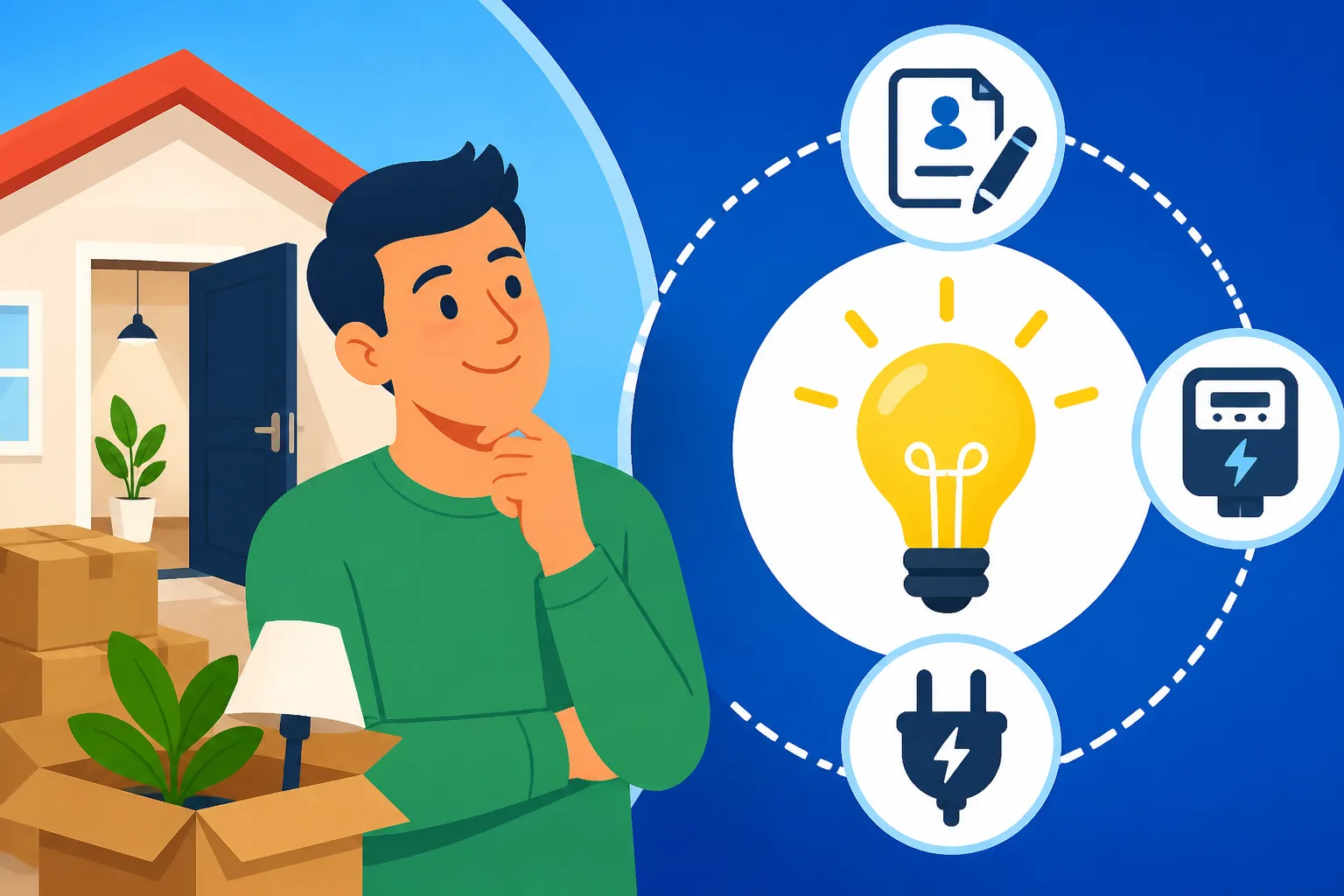
How Do I Set Up Electricity with HEP After Moving In?
Alright, so you’ve just landed in beautiful Croatia, perhaps you’ve found your dream apartment with a stunning sea view or a cozy spot in a bustling city like Zagreb, and now the real fun begins: setting up the practical stuff. One of the first and most crucial utilities you'll need to sort out is electricity. And believe me, trying to navigate the Croatian administrative labyrinth, especially for something as fundamental as power, can feel like you’re starring in your own personal episode of "Survivor: Bureaucracy Edition." This guide is here to walk you through the often-confusing process of getting your electricity set up with HEP, the main provider, so you can finally relax and enjoy your new Croatian home without fumbling in the dark.
Navigating Croatia's Electricity Landscape: Why HEP is Your Main Point of Contact
When you first arrive in Croatia, you quickly learn that some things are just the way they are, and electricity is one of them. Unlike some countries where you have a myriad of providers vying for your business, in Croatia, the national power company, Hrvatska elektroprivreda, or HEP for short, holds the reins for the vast majority of consumers. This might feel a bit old-school to some, but it simplifies things in a way, as you don't have to spend hours comparing different companies. HEP is essentially your one-stop shop for getting the lights on.
Understanding HEP and Its Role
HEP is a publicly owned company that generates, transmits, and distributes electricity across Croatia. It’s been around for ages and is deeply embedded in the country's infrastructure. For expats, this means that almost all residential properties will be connected to the HEP network. While there are some smaller, alternative suppliers appearing on the market, for most new residents, especially in their first few years, HEP will be the entity you deal with directly for your electricity supply.
They handle everything from the physical connection to your home, meter readings, billing, and any maintenance issues that might arise with the electrical grid itself. Think of them as the national landlord of all things power-related. It's their customer service you'll call, their offices you'll visit (or try to, if you're brave enough), and their bills you'll be paying. Getting acquainted with the HEP name and its operations is paramount to a smooth utility setup.
The Nuances of Electricity Supply and Connection
When you move into a property in Croatia, the electricity situation can generally fall into two categories: either the previous tenant or owner already had a connection, and you simply need to transfer the account into your name, or it's a new build or a property where the electricity was completely disconnected, requiring a new connection. The former is by far the more common and easier scenario. If you're lucky enough to have a landlord assisting you, they might have already initiated the transfer, but often, it's on you, the expat, to make sure it's done correctly.
Understanding that you're essentially taking over an existing connection, or creating a new one, will dictate the specific forms and steps you need to take. For instance, if the power was simply "turned off" but still connected to the grid, the process is usually quicker than if you need a brand-new meter installed. This distinction is vital for setting your expectations and preparing the right documents. Don't forget, while you're busy with these bureaucratic tasks, ensuring you have a working phone with a local SIM, perhaps from a provider like Hrvatski Telekom or A1, is invaluable for calls to HEP.
The Step-by-Step Guide to Transferring or Activating HEP Electricity
Now, let's get down to brass tacks. Setting up your electricity might seem daunting, especially if your Croatian isn't fluent, but with a clear plan and the right documents, you can get through it. Patience, my friend, is your best ally here.
Essential Documents and Information You'll Need
Before you even think about stepping foot into a HEP office or attempting to navigate their online portal (which, let's be honest, can be a whole other adventure), gather your documents. This is Croatia, after all, and paperwork is king.
Here’s a checklist of what you'll typically need:
- Your OIB (Personal Identification Number): This is absolutely non-negotiable for almost any official transaction in Croatia, including utility setup. If you don't have one yet, make sure you prioritize getting it. You can find detailed information on How to Get an OIB (Personal Identification Number) in Croatia.
- Proof of Residence/Lease Agreement: A valid lease agreement or proof of property ownership (Vlasnički list) is crucial. This shows you have a legal right to the property. Ensure it's officially registered with the tax administration (Porezna Uprava) if you're renting.
- Previous Owner/Tenant’s Information (if applicable): If you're transferring an existing account, having the previous tenant's name, OIB, and the meter reading date will significantly speed up the process. Your landlord should provide this.
- Meter Reading: Take a photo of the electricity meter reading on the day you move in. This is critical to ensure you're only charged for your consumption and not the previous occupant's.
- Personal Identification: Your passport or national ID card (if you're an EU citizen) will be required.
- Contact Information: A local Croatian phone number and email address are essential for communication. While getting a local SIM, a temporary eSIM from a provider like Airalo can be a lifesaver for data access and keeping in touch during those initial days.
- Bank Account Details: For setting up direct debit payments, which is highly recommended for ease. For more on this, check out The Expat Guide to Opening a Bank Account in Croatia.
Organizing these documents beforehand will save you immense frustration. Make several copies of everything – you never know when an extra copy might come in handy!
The Application Process: In-Person, Online, or Via Mail
Once you have your documents in order, you can initiate the transfer or new connection.
1. The In-Person Visit (Most Common and Often Easiest):
This is typically the most reliable way to get things done, especially if your Croatian isn't perfect, as you can ask questions and clarify things directly. Head to your local HEP customer service office (they are called HEP ODS Elektra, where ODS stands for Operator distribucijskog sustava, meaning Distribution System Operator). In larger cities like Zagreb, you'll find multiple offices, but usually, there's a central one.
When you go, be prepared for a wait. Bring a book, your phone, or simply practice your Croatian eavesdropping skills. Present all your documents at the counter. You'll fill out a form (usually called 'Zahtjev za sklapanje ugovora o opskrbi električnom energijom' or similar) to either transfer the existing contract into your name or apply for a new one. The HEP representative will guide you through it. Make sure you get a confirmation of your application.
2. Online Application (If Available and Functional):
Some HEP branches are slowly moving towards digital services. You might be able to start the process or download forms from the HEP ODS website. However, the online experience can be… temperamental. Language barriers are often a significant hurdle, and sometimes the system simply doesn't accept foreign characters or OIBs. It’s worth a try if you’re tech-savvy and confident with Croatian translation tools, but don't be surprised if you eventually need to resort to an in-person visit.
3. Application by Mail/Email:
Less common for initial setup but sometimes possible for simple transfers if you have all the forms perfectly filled out and signed. You'd typically send certified copies of your documents. This method is slow and not recommended for new connections or complex scenarios.
No matter which route you take, once your application is submitted, there might be a short waiting period. For a transfer, it could be a few days; for a new connection, it might take longer, depending on whether a technician needs to visit the property.
What to Expect After Application
Once your application is submitted and approved, HEP will process the change. If it’s a simple transfer, the account should switch into your name within a few business days to a week. If a new connection is needed, a technician might be scheduled to visit your property to activate the supply or install a new meter. You’ll receive confirmation, often by mail, with your new customer number and details.
This is also the time when you should start thinking about how you'll receive and pay your bills. HEP typically sends physical bills by post, but you can often opt for e-bills. Setting up a direct debit (trajni nalog) from your Croatian bank account is highly advisable. This way, you never miss a payment, and you avoid those annoying bank transfer fees. Learn more about How Do I Set Up Direct Debit for HEP Electricity Bills.
Understanding Your HEP Bills and Ongoing Responsibilities
Once the electricity is flowing and the account is in your name, the next phase of adulting in Croatia begins: understanding your bills and your ongoing responsibilities as a consumer. This is where many expats often hit a wall due to language and unfamiliar billing structures.
Deciphering Your Monthly or Bimonthly Bill
HEP bills can initially look like a complex puzzle written in Croatian. They are typically issued monthly or bimonthly, depending on your consumption and meter type. Your bill will contain several key pieces of information:
- Period of Consumption: Clearly stated dates showing when the electricity was consumed.
- Meter Reading (Stanje Brojila): This will show the start and end readings for the billing period. Ensure these match your records if you're submitting readings.
- Consumption (Potrošnja): The total kilowatt-hours (kWh) you used during the period.
- Unit Price (Cijena kWh): This is where it gets a bit tricky. Croatia uses a multi-tariff system, meaning the price per kWh varies depending on the time of day.
- Viša Dnevna Tarifa (VDT): Higher daily tariff, usually from 07:00 to 21:00 on weekdays.
- Niža Dnevna Tarifa (NDT): Lower daily tariff, usually from 21:00 to 07:00 on weekdays, and all day on weekends and public holidays.
If your meter only has one dial, you're on a single-tariff system, which is simpler but generally more expensive overall if you're a high consumer during peak hours.
- Fixed Monthly Charge (Fiksna Naknada): A base fee charged regardless of consumption, for network access.
- VAT (PDV): Value Added Tax, which will be added to the total.
- Total Amount Due (Ukupan Iznos za Plaćanje): The final figure you need to pay, along with the due date (Datum dospijeća).
- Payment Slip (Uplatnica): Often attached, making it easy to pay at a post office, FINA, or through online banking.
It’s a good idea to monitor your consumption, especially if you have an older appliance or are adjusting to a new heating system. Understanding the multi-tariff system can help you save money by running energy-intensive appliances during the lower tariff hours.
Meter Readings and Avoiding Estimated Bills
HEP relies on meter readings to accurately charge you. In many areas, meter readers will visit periodically. However, it's increasingly common for consumers to submit their own readings. You might receive a notification (often a little slip in your mailbox or an SMS) prompting you to submit your reading by a certain date.
You can usually submit your meter reading via:
- SMS: A designated phone number will be provided.
- Online Portal: On the HEP ODS website, if you've registered.
- Phone: Calling their customer service line.
If you don't submit a reading, HEP will issue an estimated bill (akontacija) based on your historical consumption or an average for your property size. While these estimates usually balance out over time, they can sometimes be wildly inaccurate, leading to surprisingly high or low bills followed by drastic adjustments. It’s always best to provide actual readings. This proactive approach will save you headaches and potential overpayments. Remember to keep a record of the dates and readings you submit.
Troubleshooting Common Issues and Getting Support
Let's be real: things don't always go smoothly, especially when you're dealing with utilities in a new country. You might face language barriers, unexpected delays, or confusing information.
What to Do If the Power Isn't On
You've moved in, you've applied, but still no power. First, take a deep breath. This is where the expat patience really gets tested.
- Check Your Breakers: Start with the basics. Is the main circuit breaker (fidovka) in your apartment or house flipped to the "on" position? Sometimes the simplest explanation is the right one.
- Contact Your Landlord: If you're renting, your landlord is your first point of contact. They might have insight into the property's history or can contact HEP on your behalf, which can be invaluable given the language barrier.
- Call HEP Customer Service: Brace yourself for potentially long waits and language challenges. Dial their general information number. If you don't speak Croatian, try phrases like "Govorite li engleski?" (Do you speak English?) or ask if they have an English-speaking representative. Have all your documents, especially your OIB and application reference number, ready.
- Visit the HEP Office Again: If phone calls prove futile, a return trip to the HEP ODS Elektra office might be necessary. Bringing a Croatian-speaking friend or translator can make a world of difference. Explain the situation clearly, show your application confirmation, and politely but persistently inquire about the status.
Remember, the squeaky wheel often gets the grease. Be persistent but always polite. Shouting will get you nowhere in Croatia, only frustrated stares.
Dealing with Discrepancies or High Bills
Occasionally, you might receive a bill that seems unusually high, or there might be an error in your meter reading.
- Review Your Bill Carefully: Cross-reference the meter readings on your bill with your own records. Check the consumption period and the tariffs applied.
- Contact HEP for Clarification: If you suspect an error, contact HEP customer service. Again, a Croatian speaker is a huge asset here. Explain your concerns clearly and provide any evidence you have (e.g., photos of your meter).
- Request a Meter Inspection: If you believe your meter is faulty or the reading is incorrect, you can request HEP to send a technician to inspect it. Be aware that if the meter is found to be functional and accurate, you might incur a fee for the inspection.
- Payment Plans: If you have an unexpectedly high bill due to an error, or if you simply can't pay the full amount at once, HEP might offer payment in installments (plaćanje na rate). You'll need to negotiate this directly with them, and it’s not guaranteed, especially for new customers.
Setting up utilities can be one of the more challenging parts of moving to Croatia, alongside figuring out your residence permits or registering for health insurance. But with some preparation and a good dose of perseverance, you'll get there. And soon enough, you’ll be enjoying the convenience of your brightly lit Croatian home. Just think, after all this, the process of figuring out How to Set Up Water and Gas Connections in Croatia might seem like a breeze! If you're still navigating the broader aspects of your move, services like Sirelo can help streamline the physical relocation, making sure your belongings arrive safely while you tackle the paperwork.
Summary of HEP Electricity Setup Process
To help you visualize the journey, here’s a quick overview of the typical steps and estimated timelines:
| Step | Description | Estimated Timeframe | Key Documents/Actions Required |
|---|---|---|---|
| 1. Gather Documents | Collect all necessary personal and property documentation. | Ongoing (before application) | OIB, Lease Agreement/Proof of Ownership, Previous Tenant Info, Meter Photo, ID, Contact Details. |
| 2. Choose Application Method | Decide whether to apply in-person, online, or via mail. In-person is generally recommended for clarity. | N/A | N/A |
| 3. Submit Application | Complete the HEP application form (Zahtjev za sklapanje ugovora) and submit with all supporting documents. | 1-2 hours (in-person visit) | Filled application form, copies of all required documents. |
| 4. Processing & Activation | HEP processes your request. For transfers, it's administrative; for new connections, a technician might visit. | 3-7 business days (transfer) 7-14+ business days (new connection) |
Await confirmation, ensure access for technician if needed. |
| 5. Receive Confirmation & First Bill | You'll receive confirmation of your account setup and your first bill, often by mail. | 1-3 weeks | Note down customer number, review bill details. |
| 6. Set Up Payments | Arrange for bill payments, preferably via direct debit from a Croatian bank account. | 1-2 days (after receiving bill) | Croatian bank account details. |
| 7. Ongoing Meter Readings | Regularly submit your meter readings to avoid estimated bills. | As per HEP schedule | SMS, online portal, or phone submission. |
This table should give you a good snapshot of what to expect as you navigate this essential part of your move.
Disclaimer
Please note that while this guide provides comprehensive information based on current practices and expat experiences in Croatia, regulations and procedures can change. It is always recommended to verify the latest requirements with official sources such as HEP (Hrvatska elektroprivreda) directly or the relevant government bodies. This information is for general guidance and informational purposes only and does not constitute professional advice.