How Much Is the Cost of Living in Split for Expats?
Oh, Split! The mere mention of it conjures images of ancient Roman walls, sparkling Adriatic seas, and those legendary sunsets. It’s absolutely captivating, isn't it? Many of us expats arrive here with hearts full of dreams, picturing a laid-back life filled with coffee on the Riva and dips in the sea. But let’s be real, the fantasy can quickly crash into a very practical reality when you start tallying up the bills. The administrative hurdles of relocating to Croatia are one thing, but the constant worry about finances – "Can I really afford this life?" – that’s a whole other level of stress. This guide will meticulously break down the actual cost of living in Split, from housing and utilities to groceries, transport, and leisure, giving you a clear, honest picture of what to expect so you can thrive, not just survive, in this beautiful city.
Housing Costs in Split: More Than Just Rent
When you first start looking at housing in Split, it’s easy to get swept up in the charm of a centuries-old stone house or an apartment with a sea view. But the reality is, where you choose to live within Split, and what kind of place you seek, will dramatically impact your monthly outgoings. It’s not just about the rent; it’s about all the little bits and pieces that come with keeping a roof over your head.
Renting an Apartment or House
The rental market in Split is, shall we say, dynamic. By "dynamic," I mean it can be incredibly challenging and frustrating, especially if you’re trying to secure a long-term rental during the peak tourist season. Property owners often prefer short-term tourist rentals via platforms like Airbnb because the daily rates are significantly higher. This pushes long-term rental prices up and limits availability.
- Location, Location, Location: If you dream of living within the Diocletian's Palace walls, in the charming Varoš neighborhood, or steps from Bačvice beach, expect to pay a premium. A small, one-bedroom apartment in these central, highly sought-after areas could easily set you back €700 to €1000+ per month, even for a modest space. Venture a bit further out, to neighborhoods like Mertojak, Spinut, or Mejaši, and you’ll find more residential areas with slightly lower prices, perhaps €550 to €800 for a similar one-bedroom. For a two-bedroom apartment, you're looking at €800-€1500+, depending heavily on condition and exact spot. I know, it's a wide range, but that's the nature of the beast here.
- Furnished vs. Unfurnished: Most long-term rentals in Split come furnished. This is a blessing and a curse. While it saves you the initial cost and hassle of buying furniture (and believe me, that's a hassle here), the quality can vary wildly from tastefully modern to "grandma's dusty hand-me-downs." Unfurnished options are rare and often mean truly empty – no kitchen appliances, sometimes not even a bathroom mirror. If you’re looking for a How Do I Find a Long-Term Rental in Split? that offers some flexibility in furnishing, be prepared for a longer search.
- Initial Costs: Beyond the first month's rent, landlords typically require a security deposit equivalent to one or two months' rent. This is standard, but make sure it’s clearly stated in your contract. If you use a real estate agency (which many expats do for convenience, despite the cost), expect to pay an agency fee, often one month's rent plus VAT. Remember, always insist on a proper rental agreement (Ugovor o Najmu) and ensure it’s registered with the tax authorities. This is crucial for your residence permit applications and for proving legitimate accommodation. Before you sign anything, make sure you know What Should I Check Before Signing a Lease in Croatia? to avoid future headaches.
Unpacking Utility Bills and Service Charges
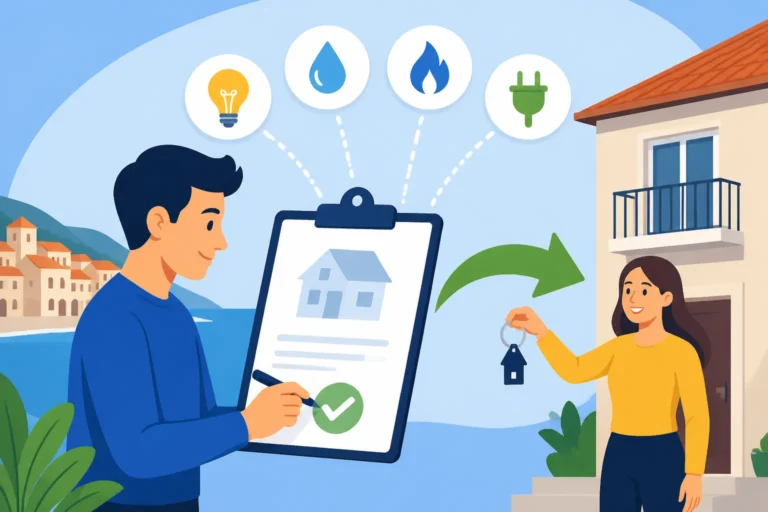
Once you’ve got your keys, the next set of costs rolls in: utilities. These aren't usually included in your rent, so you’ll be responsible for setting them up or transferring them into your name.
- Electricity (HEP): This is often the biggest variable, especially if you rely on air conditioning for cooling in the scorching summer or electric heaters in the damp winter. Split apartments commonly use electric water heaters and stoves. Expect bills to range from €40-€80 in milder months, skyrocketing to €100-€200+ during peak heating or cooling seasons for an average one or two-bedroom apartment. Getting your HEP account in your name is one of the first things you’ll need to do after moving in. Check out our guide on How Do I Set Up Electricity with HEP After Moving In? for the nitty-gritty.
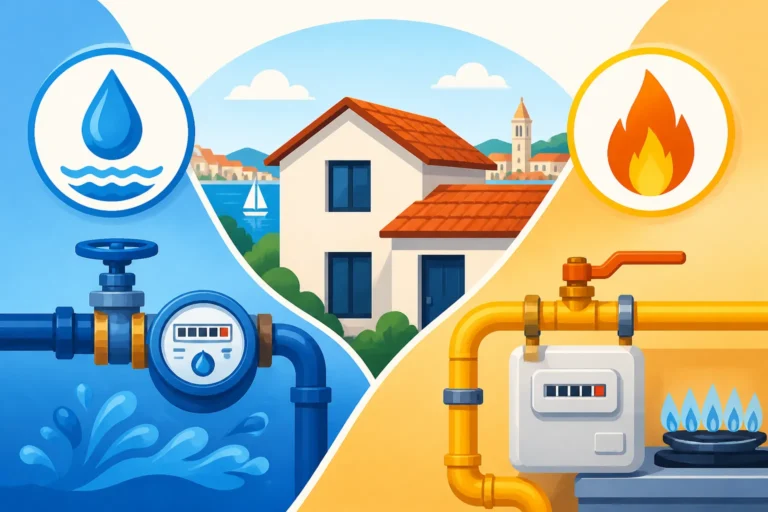
- Water (Vodovod i Kanalizacija): Water bills are generally quite reasonable. For a single person or a couple, you might pay €20-€40 per month, which usually includes sewage and waste water.
- Gas: Natural gas isn't as prevalent for heating in Split apartments as it is in some other European cities; many homes rely on electricity. If your building does have gas, costs will vary with usage, but it can be more efficient than electric heating.
- Internet and Mobile: Reliable internet is a must. Major providers include Hrvatski Telekom (T-Com), A1, and Telemach. You can usually get decent internet speeds (fiber optic is becoming more common) for €25-€40 per month, often bundled with a TV package if you want one. Mobile phone plans are also quite affordable, with unlimited data plans starting around €15-€25. For those first few days or weeks while you're getting set up, or if you travel frequently, I’ve found having an eSIM from a provider like Airalo incredibly handy for instant connectivity without the hassle of a local physical SIM. For a more detailed look, our article on How Do I Set Up Internet and Mobile Service in Croatia? covers all the options.
- Common Building Charges (Pričuva and Komunalna Naknada): For apartment living, there's often a pričuva, a building reserve fund for maintenance and repairs, usually paid by the owner. However, sometimes these costs are negotiated into the tenant's responsibility. The komunalna naknada (communal fee) and waste collection fees (from Čistoća, Split's waste management company) are typically small, maybe €10-€30 per month combined, but they add up. Usually, the landlord includes them in your utility bundle or handles them. Remember to ensure you know How Do I Pay My Utility Bills in Croatia? as payment methods can vary.
Daily Life Expenses: Keeping Your Wallet Happy (or at least, not crying)
Beyond the roof over your head, your daily spending habits will dictate a huge chunk of your budget. Split offers plenty of ways to enjoy life without breaking the bank, but it's also easy to fall into tourist traps if you're not savvy.
Food and Groceries: Market Hauls vs. Supermarket Sweeps
This is where you can truly save or splurge. Croatia, thankfully, still has a strong culture of fresh, local produce, and Split is no exception.
- Pazar (Green Market) in Split: The Split Pazar, right next to the Diocletian's Palace, is an absolute treasure. Here, you'll find incredible seasonal fruits, vegetables, cheeses, and homemade olive oil. Prices are often slightly better than supermarkets, and the quality is usually superior. Plus, it's a genuinely lovely experience. Expect to pay €1-€3 per kilo for seasonal fruits and veggies, and a small block of local cheese might be €5-€10. Fresh fish from Peškarija (the fish market), also centrally located, will vary wildly based on the catch of the day, but expect to pay €10-€30 per kilo for good quality fish. Embracing the Pazar will save you money and immerse you in local life.
- Supermarkets: For everything else, you’ll likely frequent supermarkets like Konzum, Tommy, Lidl, and Kaufland. Konzum and Tommy are ubiquitous, while Lidl and Kaufland offer competitive prices for staples. Here’s a general idea of what to expect:
- Milk (1 liter): €1.00 – €1.20
- Bread (loaf): €1.50 – €2.50
- Eggs (10-pack): €2.50 – €3.50
- Chicken breast (1 kg): €7.00 – €10.00
- Local cheese (200g): €3.00 – €5.00
- Pasta (500g): €1.00 – €2.00
- Local beer (0.5L): €1.20 – €2.00
- Wine (mid-range bottle): €5.00 – €10.00
Overall, your monthly grocery bill for a single person cooking mostly at home could be €200-€350. For a couple, budget €350-€550. If you want a more general overview, take a look at What Is the Average Cost of Groceries in Croatia?.
Transportation: Getting Around Split
Split is a wonderfully walkable city, especially the old town and surrounding central neighborhoods. You’ll find yourself hoofing it most of the time, which is great for your budget and your health!
- Public Transport (Promet Split): Split has a decent local bus network. A single bus ticket bought on the bus costs around €1.50-€2.00. If you’re using buses frequently, a monthly pass is a better deal, typically around €25-€35. However, many expats find they barely use public transport if they live centrally and work remotely.
- Taxis/Ride-sharing: Uber and Bolt are readily available in Split and are generally more affordable than traditional taxis. A short ride within the city might be €5-€10, while a trip to the airport could be €25-€35.
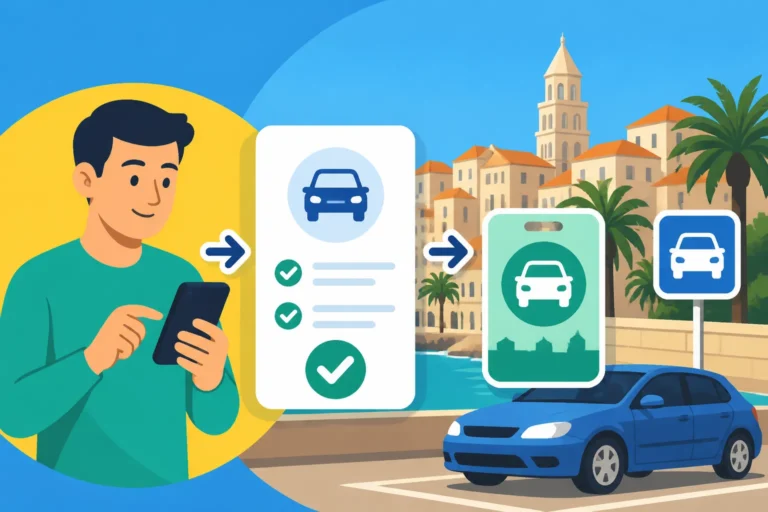
- Car Ownership: Owning a car in Split comes with costs. Fuel prices hover around €1.50-€1.70 per liter (for petrol), parking in central areas is notoriously difficult and expensive (€1-€3 per hour), and then there are the costs of insurance, maintenance, and the annual technical inspection (tehnički pregled). While a car gives you freedom to explore the stunning Dalmatian hinterland or visit hidden beaches, for daily life within Split, it’s often an unnecessary expense and a major headache for parking. If you are considering buying a car, our guides on Driving in Croatia: Licences, Registration and Rules for Expats (2027) and How Do I Register a Car in Croatia as a Foreigner? are essential reading.
Entertainment and Social Life: Enjoying the Dalmatian Vibe
This is where Split truly shines for lifestyle, and you can enjoy it without emptying your bank account, provided you live like a local.
- Coffee Culture: The Croatian coffee culture is legendary, and Split's Riva is the epicenter. Expect to pay €2.00-€3.50 for a coffee (espresso, cappuccino, bijela kava). This is a daily ritual for many, and it’s a relatively inexpensive way to socialize and soak in the atmosphere.
- Dining Out:
- Lunch Menus (Marenda): Many restaurants, especially the local konobas (taverns) and eateries outside the main tourist zones, offer fantastic value lunch menus (marenda) during weekdays. You can get a hearty, traditional meal for €8-€15. This is your best friend for affordable dining.
- Casual Dining: A pizza will cost €8-€15. A decent meal at a mid-range restaurant, including a drink, could be €20-€35 per person.
- Fine Dining: Split has some excellent upscale restaurants, particularly in the old town or along the coast. Expect to pay €40-€80+ per person for a multi-course meal with wine.
- Bars and Nightlife: A local beer at a bar will be €3.00-€5.00, a glass of wine €4.00-€7.00, and cocktails €8.00-€15.00. There are plenty of lively bars, especially in the summer.
- Cultural Activities: Entrance fees to museums or galleries are typically €5-€15. Cinema tickets are around €5-€8. The biggest draw, of course, is the free entertainment: hiking Marjan hill, swimming in the crystal-clear Adriatic, or simply strolling the Riva.
Healthcare, Education, and Other Essentials for Expat Families
For those with families, or even just those planning for their own well-being, these costs are crucial and often underestimated. Navigating the Croatian system can be a bit of a maze, but it's certainly doable.
Navigating Healthcare Costs
Croatia has a public healthcare system, funded through mandatory contributions, primarily via the Croatian Health Insurance Fund (HZZO). As an expat with a registered residence permit, you'll generally be mandated to join.
- Mandatory HZZO: Your contributions to HZZO will cover a significant portion of your medical costs, including visits to a general practitioner (obiteljski liječnik), specialists (with a referral), hospital stays, and prescription medications. However, it's not entirely free. You’ll encounter co-payments, known as participacija, for most services. These can be small fees (€1-€5 for a doctor’s visit) or a percentage of the service cost (up to 20% for specialist care or hospital stays, capped at a certain amount per invoice/event). For a full understanding, check out The Complete Guide to Healthcare in Croatia for Expats (2027) and How the Croatian Health Insurance Fund (HZZO) Works: A Full Overview.
- Supplementary Health Insurance (Dopunsko Zdravstveno Osiguranje): This is highly recommended and widely used by Croatians and expats alike. For about €10-€20 per month (depending on your age and the provider), supplementary insurance from companies like Croatia Osiguranje or directly from HZZO will cover those co-payments entirely, saving you money in the long run if you use healthcare services regularly. It’s definitely worth it to avoid unexpected bills. Our guide on Understanding Dopunsko Zdravstveno Osiguranje (Supplementary Insurance) in Croatia) details this more.
- Private Healthcare: Many expats opt for private polyclinics for quicker access to specialists, shorter waiting lists, and often English-speaking staff. A private specialist consultation might cost €50-€100, while diagnostic tests (like an MRI) could be €150-€300+. These costs are out-of-pocket unless you have comprehensive private health insurance. Such private plans can vary wildly in cost, from €50 to €200+ per month, depending on coverage and age. If you’re considering this route, you might want to read How Much Does Private Health Insurance Cost in Croatia in 2026?. Remember, having sufficient health insurance is also a requirement for your residence permit, as outlined in What Health Insurance Do I Need for a Croatian Residence Permit?.
- Medications: Many common medications are affordable, and some are fully or partially covered by HZZO with a prescription. Over-the-counter drugs are generally reasonably priced.
Education and Childcare Options
For expat families, education is a major budget consideration. Split's options are somewhat different from larger cities like Zagreb.
- Public Kindergartens (Vrtić): Croatia has a public kindergarten system that is relatively affordable (often subsidized by the local government), typically ranging from €80-€150 per month. However, getting a spot, especially as a foreigner, can be challenging due to high demand and the requirement for Croatian language proficiency.
- Public Schools: Public primary and secondary schools are free, but instruction is entirely in Croatian. If your children are young and adaptable, this can be a fantastic way for them to integrate and learn the language quickly. However, it requires a significant commitment from both child and parents to overcome initial language barriers.
- International Schools: This is where Split differs significantly from Zagreb. Split doesn't currently have a dedicated international school offering a full curriculum (like the American International School of Zagreb or Bright Horizons International School in Zagreb). Expats with school-aged children often resort to online schooling, homeschooling, or enrolling their children in local schools and supplementing with tutors. This lack of choice means you either embrace the local system, commit to online education, or consider if Split is the right long-term move for your family if international schooling is a priority. Childcare costs vary, and a private nanny or after-school care can be expensive, possibly €8-€15 per hour. For a broader perspective on the Croatian system, read Schools and Education in Croatia: A Complete Guide for Expat Families. Also, if you want a general idea of costs, you can check How Much Does Childcare Cost in Croatia?.
Crafting Your Split Expat Budget: Real Numbers and Smart Tips
Now, let's pull it all together. Creating a realistic budget for Split involves understanding not just the averages, but also your own lifestyle choices.
Illustrative Monthly Budgets
Here’s a breakdown of estimated monthly costs for different expat profiles in Split. These are estimates and can vary based on your personal spending habits, exact location, and whether you embrace a local or more Western European lifestyle. These figures assume you’ve found a long-term rental at a reasonable price for the area.
| Category | Single Expat (Budget) | Couple (Mid-Range) | Family of 3-4 (Comfort) |
|---|---|---|---|
| Housing (Rent) | €600 – €800 | €800 – €1200 | €1200 – €1800 |
| Utilities (Elec, Water, Gas, Internet, Mobile) | €100 – €150 | €150 – €250 | €200 – €350 |
| Groceries | €250 – €350 | €400 – €600 | €600 – €900 |
| Dining Out & Entertainment | €150 – €300 | €300 – €600 | €400 – €800 |
| Local Transport | €20 – €40 | €40 – €80 | €50 – €100 (incl. occasional taxi) |
| Healthcare (Dopunsko/Private top-up) | €15 – €50 | €30 – €100 | €40 – €150 |
| Education/Childcare | €0 | €0 | €150 – €500+ (Vrtić/private tutor) |
| Miscellaneous (Personal care, gym, clothes, etc.) | €100 – €200 | €200 – €400 | €300 – €600 |
| TOTAL MONTHLY ESTIMATE | €1245 – €1890 | €1920 – €3230 | €2940 – €5200+ |
Keep in mind, these estimates don't include initial moving costs, visa application fees, or large one-off purchases. If you're planning your move, consider services like Sirelo to estimate and manage international shipping costs, as these can significantly impact your initial budget.
Savvy Strategies for Saving Money
Living in Split doesn’t have to break the bank. With a few smart choices, you can enjoy the expat life here without constantly checking your bank balance.
- Embrace Local Markets: As mentioned, the Pazar and local fish market are your best friends for fresh, affordable produce. Shopping seasonally and locally is not only cheaper but also a much more authentic Croatian experience.
- Cook at Home: Dining out frequently, especially in tourist zones, will drain your wallet fast. Enjoy cooking with fresh local ingredients.
- Utilize Marenda: Make the lunchtime marenda your go-to for eating out. It's fantastic value for a delicious, hearty meal.
- Walk Everywhere: Split is compact. Enjoy the Mediterranean climate and walk as much as possible. It's free, healthy, and a great way to discover hidden gems.
- Limit Car Use: If you have a car, use it sparingly for city commutes. Parking fines are real, and fuel costs add up.
- Dopunsko Zdravstveno Osiguranje: Seriously, get supplementary health insurance. It’s a small monthly outlay that can save you significant amounts in co-payments if you need medical care.
- Look for Local Deals: Keep an eye out for specials at supermarkets, and don't be afraid to ask locals for recommendations on affordable eateries or hidden gems.
- Enjoy Free Activities: Split's greatest treasures – the sea, Marjan hill, the old town, the sunsets – are all free. Embrace the outdoor lifestyle.
Living in Split as an expat is an incredible experience, but understanding the financial realities is key to truly enjoying it. By being mindful of your choices, you can create a wonderful life here without constant financial stress. For a broader perspective on the entire country, our detailed The Complete Guide to Cost of Living in Croatia for Expats (2026) might also be helpful.
Disclaimer
Please remember that the information provided in this guide is for general informational purposes only and represents estimates based on current market conditions and expat experiences. Costs can fluctuate due to economic changes, inflation, seasonal demand, and individual lifestyle choices. We recommend conducting your own research and consulting with local professionals for precise, up-to-date financial advice.