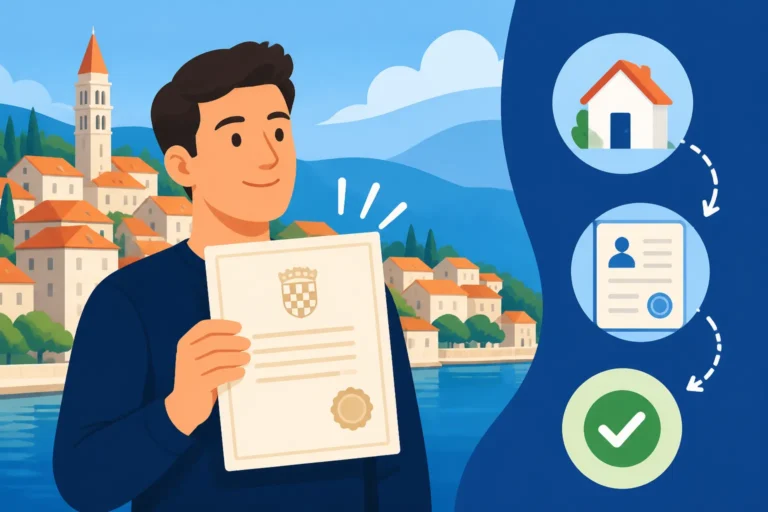
What Documents Do I Need to Rent an Apartment in Croatia?
Oh, the joy of finding a place to call home in Croatia! It's an adventure, to say the least, and often feels like navigating a labyrinth designed by Kafka. One of the biggest hurdles many of us expats face right off the bat is figuring out exactly what documents we need to even think about signing a rental agreement. It can feel like you're being asked for your grandmother's dental records, but fear not! This guide will demystify the essential paperwork required to rent an apartment in Croatia, helping you avoid common pitfalls and frustrating delays.
Navigating the Croatian Rental Landscape
Before we dive into the nitty-gritty of documents, let's set the scene. The Croatian rental market, particularly in popular expat destinations like Zagreb, Split, Rijeka, or along the stunning coast, operates a bit differently from what many foreigners are used to. It's less about a quick handshake and more about formal, often bureaucratic, processes. Landlords here, whether they're seasoned professionals or just renting out a family apartment, are generally keen on doing things by the book, especially when it comes to registering contracts and ensuring their tenants are legally accounted for. This is primarily for tax reasons, but it also creates a layer of security for you as a tenant.
The demand for rentals can fluctuate wildly. In coastal towns, you’ll find a huge seasonal surge as apartments flip from long-term rentals to tourist accommodation in the summer, making long-term options scarce and expensive during peak season. In bigger cities, the market is more stable but still competitive, particularly for quality, reasonably priced units. You might feel the pressure to snap up a place quickly, but resisting the urge to cut corners on documentation is crucial. Trust me, a proper, registered contract protects you more than you know down the line.
The Absolute Must-Have Documents for Any Foreigner
Alright, let's get down to business. These are the documents you absolutely, positively need to have ready when you're looking to rent in Croatia. Think of them as your rental survival kit.
Proof of Identity and Residency Status
This is the foundation of everything. Croatian landlords and the authorities (specifically the MUP, or Ministry of Interior) need to know who you are and that you have a legal right to be in the country for the duration of your tenancy.
- Your Passport or National ID: For EU/EEA citizens, a valid national ID card is usually sufficient, though a passport is always a good idea to have on hand. For non-EU citizens, your passport is your primary identification document. Ensure it’s valid for at least six months beyond your intended stay. Landlords will need copies of the main data page, and sometimes your visa page if applicable.
- Croatian Residence Permit: If you're a non-EU citizen, you absolutely must have a valid residence permit to rent long-term. This could be your temporary residence (privremeni boravak) in Croatia, a work and residence permit, or even a digital nomad permit. Landlords are legally required to register you with the MUP, and they can't do that without proof of your legal residency status. Even EU citizens need to register their residence at the MUP if they plan to stay longer than 3 months. Without this, you're essentially invisible to the system, and no legitimate landlord will rent to you for the long term. This is why getting your residency sorted is often the first major step for expats, and it’s a non-negotiable for renting.
- OIB (Personal Identification Number): This is Croatia's equivalent of a tax ID number, and it's indispensable for absolutely everything here, including renting. You cannot sign a rental contract, open a bank account, or do much of anything official without it. Landlords will require your OIB to register your rental agreement with the tax authorities (Porezna Uprava). If you don't have one yet, make it your top priority. You can learn more about what documents you need to get an OIB in Croatia.
Proof of Financial Stability
Landlords, quite understandably, want to know that you can actually pay the rent consistently. They're looking for assurance that you're not going to vanish after the first month.
- Bank Statements: Typically, landlords will ask for your bank statements from the last three to six months. These can be from a Croatian bank account if you've already opened one, or from your international bank account if you're a new arrival. The key is to show a stable income and sufficient funds to cover the rent and living expenses. Don't be surprised if they request to see a balance that covers several months' rent plus the deposit.
- Employment Contract or Proof of Income: If you're employed in Croatia, your Croatian employment contract is your strongest proof of income. It clearly states your salary and employment terms. If you're working remotely for a foreign company, you'll need your employment contract from that company and recent payslips. For freelancers, consultants, or those running a Paušalni Obrt, you’ll need to provide evidence of your business registration, recent invoices, and perhaps even tax returns to demonstrate consistent income.
- Proof of Funds for Digital Nomads/Pensioners: If you're on a digital nomad permit or retired, you'll need to show sufficient funds in your bank account to support yourself without working in Croatia. The exact amount can vary but generally follows the requirements for your visa/residence permit. This could be a significant lump sum showing you can cover your living costs for the entire duration of your stay.
Additional Documents You Might Encounter
While the above are non-negotiable, there are a few other things that might pop up, depending on the landlord, the location, or even just a gut feeling on their part. It's always better to be over-prepared than under-prepared.
Landlord-Specific Requests
Some landlords might ask for extra assurances, especially if they've had bad experiences in the past or if they're particularly cautious.
- Letter from Your Employer: This isn't universally required, but it's not uncommon for Croatian landlords, especially if you’re a new arrival. A letter from your employer on company letterhead, stating your position, salary, and employment duration, can go a long way in building trust. It's a simple, reassuring gesture that can make a difference in a competitive market.
- Reference Letters from Previous Landlords: Less common, but it does happen. If you have any previous landlords who can vouch for you as a reliable tenant, having a letter or contact details prepared can be helpful. This is more prevalent in smaller communities or when renting from private individuals rather than agencies.
- Guarantor: In rare cases, particularly if your income is borderline or you're a student, a landlord might ask for a guarantor (jamac). This is someone who legally agrees to pay your rent if you default. This is usually a Croatian citizen with stable income, which can be tricky for new expats.
The Importance of the Rental Contract (Ugovor o Najmu)
While not a document you bring, the rental contract is the culmination of all your efforts and the single most important piece of paper in your rental journey. It’s what makes everything legal and above board.
- Registration with Porezna Uprava: A legally binding rental contract in Croatia must be registered with the Tax Administration (Porezna Uprava). This is the landlord's responsibility, but it's vital for you because it makes your tenancy official. An unregistered contract, while sometimes offered by landlords looking to avoid taxes, leaves you with very few rights and no legal recourse if something goes wrong. Always insist on a registered contract. This is also how the rental lease is registered with the Croatian Tax Administration.
- Your MUP Registration: Once your contract is registered, the landlord can (and must, by law) register your address with the MUP. This is crucial for maintaining your legal residency in Croatia. Without this, your temporary residence permit could be revoked, or you could face fines. This ties back to the requirement of registering your residence in Croatia: The complete MUP guide. This is one of the biggest points of stress for new arrivals, so make sure your landlord understands this requirement and is willing to complete it.
- Protecting Your Rights: A properly registered contract outlines the terms of your tenancy, including rent amount, duration, notice periods, and responsibilities for maintenance. This is your shield against potential disputes. Never, ever sign a contract you don't fully understand, and if possible, have it reviewed by a legal professional or a trusted Croatian speaker.
Practical Tips for Navigating the Rental Process
Now that you know what to gather, here are a few seasoned expat tips to help make the process a little less painful.
- Prepare Copies in Advance: Have both digital and physical copies of all your essential documents. Scan them, keep them on a cloud service, and print out several sets. This way, you’re not scrambling when a landlord or agency asks for them on the spot.
- Be Proactive with Communication: Don’t be afraid to ask direct questions about what documents a landlord requires. This shows you're serious and prepared. If there's a language barrier, use a translation app or bring a Croatian-speaking friend.
- The Market Moves Fast: Especially in high-demand areas, good apartments get snatched up quickly. Having your documents ready means you can apply immediately and stand a better chance than someone who needs a week to gather everything.
- Consider a Real Estate Agent: While they come with a fee (typically one month's rent plus VAT, paid by the tenant), a good real estate agent can be invaluable. They know the market, often have access to properties not publicly listed, and crucially, they can guide you through the local bureaucracy. They’re also skilled at finding long-term accommodation in Croatia. They can help bridge the language gap and ensure your contract is legitimate and registered. Find out how to find a reliable real estate agent in Croatia to ease your journey.
- Don't Forget the Deposit and Advance Payments: While not documents, be prepared for landlords to ask for a security deposit (usually one month's rent, sometimes two), and potentially the first month's rent upfront. This is standard practice in Croatia. Understanding how much deposit landlords require in Croatia can help you budget accordingly.
- Local Connectivity is Key: While hunting, you’ll need to be constantly in touch. Consider getting an eSIM from a provider like Airalo to ensure you have data and can make calls right from the moment you land, without the hassle of finding a local SIM card immediately.
- Moving Logistics: Once you’ve secured your place, the next challenge is getting your belongings there. If you're moving a significant amount of stuff, a service like Sirelo can help you compare international moving companies, taking some of the stress out of logistics.
Here's a quick summary table of the documents you'll need:
| Document Type | Specific Document | Purpose | Where to Get It |
|---|---|---|---|
| Identity & Residency | Passport/National ID | Proof of identity, legal entry | Your home country's issuing authority |
| Croatian Residence Permit (if applicable) | Proof of legal right to reside in Croatia | MUP (Ministry of Interior) | |
| OIB (Personal Identification Number) | Essential for all legal and financial transactions | Porezna Uprava (Tax Administration) | |
| Financial Stability | Bank Statements (last 3-6 months) | Proof of income and sufficient funds | Your bank (Croatian or international) |
| Employment Contract / Payslips | Proof of regular income from employment | Your employer | |
| Business Registration / Invoices / Tax Returns | Proof of self-employment income | Relevant business authorities / Your accountant | |
| Additional (Optional) | Employer Letter | Extra assurance for landlords | Your employer |
| Previous Landlord References | Proof of good tenant history | Previous landlords |
Renting in Croatia can feel like a gauntlet, but with these documents in hand and a good understanding of the process, you'll be well on your way to finding your perfect Croatian pad. Don't let the bureaucracy intimidate you; many of us have been through it and come out the other side!
Disclaimer
Please remember that while this guide provides comprehensive information based on current regulations and expat experiences in Croatia, laws and procedures can change. It's always advisable to verify the most up-to-date requirements with official sources such as the Croatian Ministry of Interior (MUP), the Tax Administration (Porezna Uprava), or a qualified legal professional, especially before making any significant commitments. This information is for general guidance and informational purposes only and does not constitute legal advice.