Can I Buy a House in Croatia Without Residency?
Dreaming of owning a little piece of paradise along the Croatian coast or a cozy stone house inland? Many expats and potential investors ponder this very question: "Can I buy a house in Croatia without residency?" The simple answer is yes, you can, but like almost everything administrative in Croatia, it comes with a few layers of nuance, specific rules depending on your citizenship, and a whole lot of paperwork. This guide will meticulously break down the possibilities, the practicalities, and the inevitable bureaucratic hurdles you'll face.
Unpacking the "Residency" Question: Yes, But With Asterisks
Let's clear the air right away. The idea that you must be a resident to buy property in Croatia is a common misconception. While having Croatian residency certainly simplifies some aspects, it's not a universal prerequisite for ownership. However, the path you take to become a property owner here will depend significantly on your citizenship.
The EU vs. Non-EU Divide: A Tale of Two Paths
For citizens of the European Union, the process is generally straightforward. Thanks to the Treaty on the Functioning of the European Union, EU citizens are largely treated the same as Croatian citizens when it comes to acquiring real estate. This means you can purchase property directly in your name, just like a local. You still need an OIB (personal identification number) and a local bank account, but the primary barrier of "residency" is effectively non-existent. You simply declare your intent to purchase, ensure all your documents are in order, and proceed with the standard buying process. It's a significant advantage that makes property investment or vacation home dreams much more accessible for those within the EU.
However, if you're a non-EU citizen, things get a bit more intricate. Croatia operates on what's called the "reciprocity principle." This means that you, as a non-EU citizen, can buy property in Croatia only if Croatian citizens are allowed to buy property in your home country. The Ministry of Justice of the Republic of Croatia is the authority that determines and publishes this list of reciprocal countries. For example, citizens from countries like the United States, Canada, the United Kingdom (post-Brexit), Australia, and many others generally have reciprocity, meaning they can buy property in Croatia. However, there are some specific countries where reciprocity doesn't exist, or where it only applies to certain types of property (e.g., not agricultural land). You’ll need to confirm your country’s status, and this check is usually done as part of your property purchase application through a lawyer or notary. For a deeper dive into these specifics, you might find our guide on Can Non-EU Citizens Buy Real Estate in Croatia? particularly helpful.
What "Without Residency" Truly Means Here
When we say "without residency," we mean you don't hold a temporary or permanent residence permit (privremeni or stalni boravak) in Croatia for the purpose of living here. You might be visiting on a tourist visa, or perhaps you're managing your affairs from your home country. But let's be realistic: while you don't need to be a resident in the conventional sense, you absolutely cannot be an anonymous buyer.
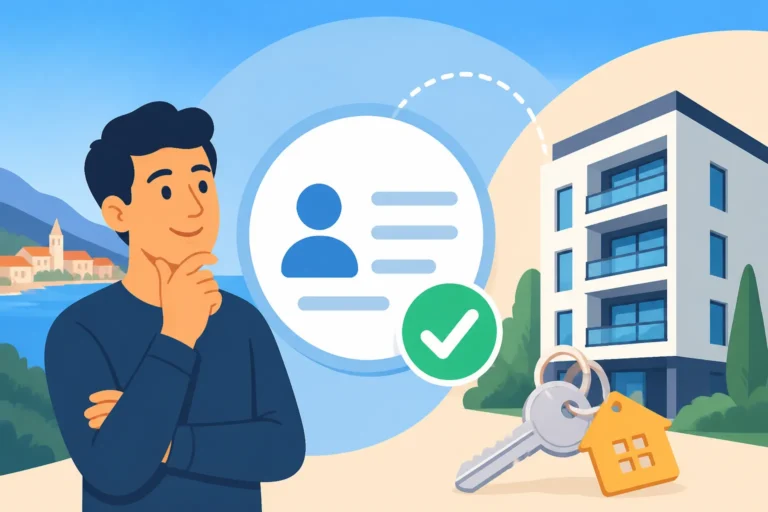
Even as a non-resident, the Croatian system demands a degree of integration for property ownership. You'll definitely need an OIB – your Croatian tax identification number – which is essentially your unique identifier for all financial and legal dealings. Without it, you can't even open a bank account, let alone buy property. Furthermore, managing your property from afar will require local banking for things like utility payments and property taxes, which again brings you into the Croatian administrative fold. So, while you might not live here, you're certainly not going unnoticed by the authorities!
Alternative Avenues to Croatian Property Ownership
If the direct reciprocity principle isn't in your favour, or if you simply prefer a different approach, there are still ways to acquire property in Croatia as a non-resident. These methods often involve setting up a legal entity in Croatia or acquiring property through different means.
The Company Route: A Common Strategy for Non-EU Citizens
For many non-EU citizens, especially those from countries without full reciprocity, or those looking to eventually use the property for business purposes (like rental income), buying property through a Croatian legal entity is a very popular and often recommended strategy. The most common type of company used for this is a Društvo s ograničenom odgovornošću (d.o.o.), which is essentially a limited liability company.
Here’s how it works: you establish a Croatian d.o.o. The company, being a Croatian legal entity, is then able to purchase property without being subject to the reciprocity principle. The property is owned by the company, not directly by you as an individual. While this route bypasses the reciprocity check for non-EU citizens, it's not without its own set of administrative requirements and ongoing costs. You'll need to register the company, appoint a director (which can be you), establish a company address, and deposit a minimum share capital (which is currently a fairly low amount, typically around €2,500). The company will also have ongoing obligations like annual financial reporting, paying corporate taxes, and potentially hiring an accountant. This adds layers of bureaucracy and expense that you wouldn't have as a direct individual buyer. However, for those with business aspirations or facing reciprocity issues, it's a solid, legal pathway. If you're considering this, remember that managing a company, even if primarily for property, involves significant administrative overhead, and you might eventually consider relocating to Croatia to oversee operations. Services that help with broader relocation logistics, such as Sirelo, could become quite useful if you decide to make that move to better manage your business. For a comprehensive overview of buying property, including the company route, check out How to Buy Property in Croatia as a Foreigner: The Full Guide (2027).
Inheritance or Gifts: A Different Kind of Acquisition
Another way to acquire property in Croatia without directly "buying" it and without necessarily being a resident is through inheritance or as a gift. If you inherit property from a relative or receive it as a gift, the rules for acquisition are distinctly different from purchasing it on the open market.
In these cases, the legal framework focuses more on the relationship between the giver and receiver, and less on the residency status of the recipient (though your OIB will still be crucial for registration). While there may be inheritance or gift taxes involved, especially if the relationship isn't direct (e.g., non-immediate family or unrelated individuals), the actual acquisition of ownership is typically not subject to the same reciprocity checks as a direct purchase. The exact tax rates and exemptions depend on the degree of kinship. For example, direct descendants and spouses are often exempt from inheritance tax in Croatia. This means that if you're lucky enough to have family connections to Croatia, this could be a straightforward way to become a property owner without ever needing to worry about residency for the transaction itself. You'll still need to navigate the legal process of transferring ownership, which involves notaries and the land registry, but the initial hurdle of being allowed to own is generally much lower. You can learn more about this in our article How Much Is Inheritance Tax in Croatia?.
The Essential Bureaucracy: What You Can't Avoid
Whether you're an EU citizen, a non-EU citizen relying on reciprocity, or going the company route, some things are simply non-negotiable when acquiring property in Croatia. These are the administrative bedrock upon which all property transactions are built.
The Indispensable OIB
Let's talk about the OIB, or Osobni Identifikacijski Broj. This eleven-digit personal identification number is your key to almost everything official in Croatia, and it's absolutely, unequivocally mandatory for buying property. Think of it as your unique tax ID, social security number, and all-purpose identifier rolled into one. Without an OIB, you cannot sign a property purchase contract, register your ownership, or even open a bank account in Croatia.
The good news is that obtaining an OIB is relatively simple, even as a non-resident. You apply for it at the local tax administration office (Porezna Uprava). You'll typically need to present your passport and complete a simple form. The process is usually quick, often completed on the spot or within a day or two. However, be prepared for potential language barriers; while staff in larger cities might speak English, it's not guaranteed. Having a Croatian speaker accompany you or using a translation service can be invaluable. This single number ties you into the Croatian financial system, allowing you to pay taxes, receive mail, and generally operate within the country's legal framework. Make sure you get this sorted as one of your very first steps if you’re serious about buying property here. For a detailed list of documents and the step-by-step process, our guide on What Documents Do I Need to Get an OIB in Croatia? is a must-read.
Here's a quick overview of what you'll typically need for an OIB:
| Document Type | Description | Notes |
|---|---|---|
| Valid Passport | Your primary identification document. | Ensure it's not expired. |
| OIB Request Form | Officially called 'Zahtjev za određivanje i dodjelu OIB-a'. | Available at the tax administration office or online. Can be filled in advance. |
| Proof of Purpose | While not always explicitly asked for, stating the purpose (e.g., 'kupnja nekretnine' – property purchase) can be helpful. | Your lawyer or notary will often assist with this if needed. |
| Power of Attorney | If someone else is applying on your behalf. | Must be notarized and apostilled/legalized. |
Bank Accounts and Payment Logistics
Once you have your OIB, the next logical step, and an almost unavoidable one, is opening a Croatian bank account. While you might be able to manage the initial purchase payment from an international bank account, managing the ongoing costs of property ownership from abroad is simply impractical. Utilities, communal fees, property taxes, and any unforeseen maintenance costs will almost certainly require payments to Croatian accounts, and often via direct debit.
Most Croatian banks, such as Zagrebačka Banka, Privredna Banka Zagreb (PBZ), or Erste Bank, will allow non-residents with an OIB to open an account. You'll need your OIB, passport, and often proof of address from your home country. Some banks might require a local Croatian address, even if it's just a temporary one, so be prepared for some variation. Having a local bank account makes paying bills infinitely easier, allowing you to set up standing orders and direct debits, ensuring your property remains in good standing. This drastically reduces the stress of trying to manage everything from a distance. If you're serious about this, our detailed guide on The Expat Guide to Opening a Bank Account in Croatia can walk you through the specifics.
Navigating the Bureaucracy from Afar (or Close By)
Let's be honest, Croatian bureaucracy can be a labyrinth, even for locals. As a non-resident, it often feels like you're playing a game with an incomplete rulebook, in a language you don't fully understand. This is where professional help becomes not just advisable, but practically essential.
The buying process involves a significant paper trail and multiple agencies. You'll interact with public notaries (bilježnik) who authenticate documents and contracts, ensuring they adhere to Croatian law. Lawyers (odvjetnik) are crucial for conducting due diligence, verifying property ownership in the land registry (zemljišne knjige), checking for encumbrances, and drafting the purchase agreement. They act as your shield against potential legal pitfalls. The land registry and cadastre (katastar) are also pivotal; these are the official records of property ownership and boundaries. A lawyer will verify the "clean title" (čist vlasnički list) and ensure the property aligns with its registered status. For non-residents, these professionals are your eyes and ears on the ground, guiding you through each step, translating legal jargon, and ensuring all deadlines are met. Understanding these systems is vital, and our guide on Understanding the Croatian Property Registry and Cadastre System provides excellent context.
Taxes, Fees, and Ongoing Costs of Non-Resident Ownership
Beyond the purchase price, there's a whole ecosystem of taxes and fees that come with owning property in Croatia. These apply to residents and non-residents alike, but they're particularly important for non-residents to factor into their long-term budget, as management can be tricky from afar.
Property Transfer Tax: An Inevitable Expense
One of the first significant costs you'll encounter after agreeing to purchase a property is the Property Transfer Tax, known as Porez na promet nekretnina. This is a one-time tax, currently set at 3% of the agreed-upon purchase price or the market value of the property, whichever is higher. Crucially, this tax is paid by the buyer.
After the purchase contract is notarized, the notary (or your lawyer) will typically notify the local tax administration (Porezna Uprava) of the transaction. The tax administration will then issue a decision (rješenje) detailing the amount you owe and the deadline for payment, usually within 15-30 days. It's vital to pay this on time, as late payments can incur penalties. This tax is a non-negotiable part of the property acquisition process, and it's essential to budget for it from the outset. For more details on this specific tax, you'll find our article Understanding the Real Estate Transfer Tax (Porez na Promet Nekretnina) very informative.
The Burdens of Upkeep: Utilities, Maintenance, and Beyond
Owning a property, especially one you're not living in full-time, comes with a host of ongoing expenses that can quickly add up. These include standard utility bills, local taxes, and potentially building-specific fees.
- Utilities: Electricity (HEP), water, and potentially gas will need to be connected and paid for regularly. Even if a property is vacant, there are often minimum connection fees.
- Communal Fees (Komunalna Naknada): This is a local municipal fee paid for the use of public services like waste collection, public lighting, and road maintenance. The amount varies by municipality and the size/location of your property.
- Waste Collection (Odvoz smeća): Another municipal service, this is typically billed separately or included in communal fees, ensuring your waste is regularly collected.
- Building Reserve Fund (Pričuva): If you buy an apartment within a building, you'll almost certainly be required to contribute to a pričuva fund. This is a mandatory monthly payment towards the building's common maintenance, repairs, and improvements (e.g., roof repairs, facade renovation, common area cleaning). The amount is determined by the co-owners' agreement or by law, usually based on the size of your apartment.
- Property Insurance: While not always mandatory, it's highly advisable to get property insurance (osiguranje nekretnine) to protect your investment against fire, flood, and other damages.
- Annual Property Tax: Croatia does not have a general annual property tax on primary residences in the way some other countries do. However, there are various local fees and taxes that can apply, and discussions about introducing a broader property tax periodically emerge. For holiday homes, some municipalities have specific taxes.
Managing these bills from afar can be a headache. Often, property owners hire a local property manager or entrust a trusted individual with a power of attorney to handle payments, deal with service providers, and oversee maintenance. This local support system is crucial, especially if you're not physically present. While you're flying in and out to sort things, or even just coordinating from afar, having reliable mobile data is crucial. Services like Airalo can be a lifesaver for staying connected without racking up huge roaming charges, ensuring you can always communicate with your lawyer, agent, or property manager. For a detailed breakdown of these ongoing expenses, check out How Much Does Property Maintenance Costs in Croatia? and How Do I Pay Property-Related Taxes After Buying in Croatia?.
Making the Leap: Navigating the Purchase Process
So, you've understood the rules, sorted your OIB, and are ready to take the plunge. What does the actual purchase process look like? While a lawyer will guide you through this, here's a general overview.
Finding the Right Property and Agent
The first step, naturally, is finding a property that speaks to you. Websites like Njuškalo.hr are popular for listings, as are numerous local real estate agency sites. Given you're a non-resident, working with a reputable real estate agent (agencija za nekretnine) is highly recommended. Look for agents who have experience dealing with foreign buyers and ideally have multilingual staff. They can help navigate the market, understand local pricing, and handle viewings. Be prepared for slightly higher commission fees than in some other countries, typically split between buyer and seller. Our guide on How to Find a Reliable Real Estate Agent in Croatia offers valuable tips for this crucial step.
Due Diligence and Legal Checks
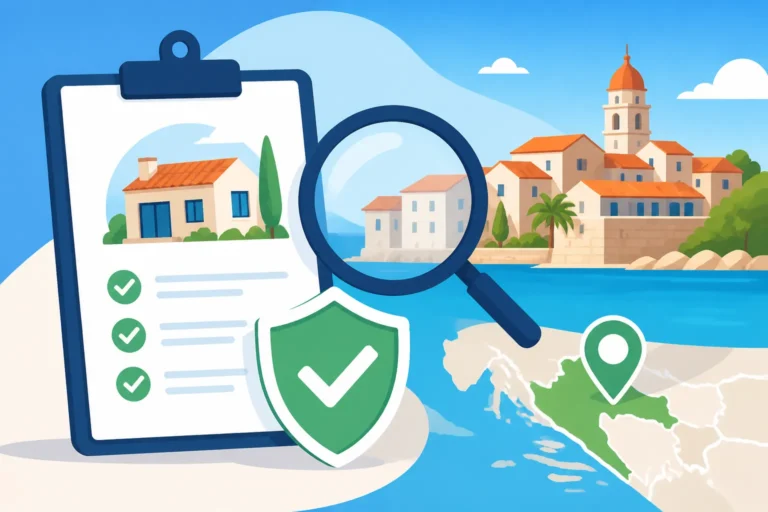
Once you've found your dream property, this is where your lawyer truly earns their fee. Comprehensive due diligence is paramount. Your lawyer will meticulously check the property's legal status in the land registry (Zemljišne Knjige) to ensure the seller is the rightful owner (verify the Vlasnički List or ownership certificate) and that there are no encumbrances, such as mortgages, liens, or other claims against the property. They'll also verify that the property has all necessary building permits and is compliant with zoning regulations. This step is critical to prevent future legal headaches and ensure you're buying a clean, legitimate title. Don't ever skip or rush this part. It’s all about protecting your investment. For more on verifying ownership, refer to Understanding Property Ownership Certificates (Vlasnički List) in Croatia.
Final Steps: Contract, Notary, and Registration
After due diligence is complete and both parties agree, the process moves to contract signing. This typically involves:
- Pre-Contract (Predugovor): Often, a pre-contract is signed, detailing the terms of the sale, the purchase price, and a timeline for the final contract. A deposit (kapara), usually 10% of the purchase price, is paid at this stage.
- Main Purchase Contract (Kupoprodajni Ugovor): This is the legally binding document that formally transfers ownership. It will be drafted by your lawyer, signed by both buyer and seller, and must be certified by a public notary (javni bilježnik). The notary's role is to verify the identities of the parties and confirm the legality of the transaction.
- Payment: The remaining balance of the purchase price is typically transferred at or after the signing of the main contract, usually into an escrow account or directly to the seller's account, as agreed.
- Entry into the Land Registry: This is the final and crucial step. Once the main contract is signed and notarized, your lawyer will submit a request to the land registry court to register you as the new owner. This entry into the Zemljišne Knjige is what legally establishes your ownership in Croatia.
The notary fees for certifying the documents are another cost to consider in this process. You can find more information about these expenses in How Much Are Notary Fees When Buying Property in Croatia?.
So, Is It Worth It? Considerations for Non-Residents
Buying property in Croatia as a non-resident certainly offers an enticing prospect, but it's important to weigh the advantages against the challenges.
The Appeal: Investment, Holiday Home, Future Plans
For many, the appeal is strong. Croatia boasts a stunning coastline, rich history, and a growing tourism market, making property an attractive investment. Many non-residents buy properties as:
- Holiday Homes: A beautiful retreat for personal use, allowing them to enjoy Croatia's natural beauty and culture without the hassle of hotel bookings.
- Rental Investments: With tourism booming, properties in popular areas can generate significant rental income, making it a sound financial investment.
- Future Relocation: For those contemplating a move to Croatia further down the line, owning property beforehand secures a base and simplifies the eventual transition.
- EU Access: For non-EU citizens, owning property can sometimes be a stepping stone or a supplementary factor in longer-term residence applications, though it rarely grants direct residence on its own.
The Hurdles: Administration, Management, and Absence
However, it's not all sunshine and sea breezes. Owning property in Croatia as a non-resident presents genuine hurdles:
- Bureaucracy and Language Barriers: As mentioned, the administrative process can be slow and complex. Unless you're fluent in Croatian, you'll be reliant on professionals for translation and navigation, which adds to costs.
- Property Management: If you're not living in the property, you'll need a reliable system for managing it. This might involve hiring a property management company, a local caretaker, or entrusting a trusted friend. This incurs additional costs and requires careful oversight.
- Distance and Responsiveness: Dealing with maintenance issues, unexpected repairs, or urgent administrative matters from thousands of kilometers away can be incredibly stressful and challenging.
- Local Market Knowledge: Without being physically present, it's harder to gauge local market trends, property values, and potential rental yields accurately. This again highlights the importance of reputable local agents and lawyers.
- Tax Obligations: Even as a non-resident owner, you'll have tax obligations in Croatia (property transfer tax, potential tourist tax if renting, income tax on rental earnings). You'll also need to consider your tax obligations in your home country regarding foreign property ownership and income, and how double taxation treaties might apply.
Ultimately, buying property in Croatia without residency is entirely possible and can be a rewarding venture. Just go in with your eyes wide open, understand the legal and financial commitments, and be prepared to engage with the local administrative system – ideally with a strong team of local professionals by your side. It’s an adventure, but one that’s absolutely achievable!
Disclaimer
The information provided in this guide is for general informational purposes only and does not constitute legal, financial, or tax advice. While we strive to provide accurate and up-to-date information, laws and regulations in Croatia can change, and individual circumstances vary. Always consult with qualified legal, financial, and tax professionals in Croatia for advice tailored to your specific situation before making any decisions related to property purchase or residency.