How Do I Choose Between Renting and Buying in Croatia?
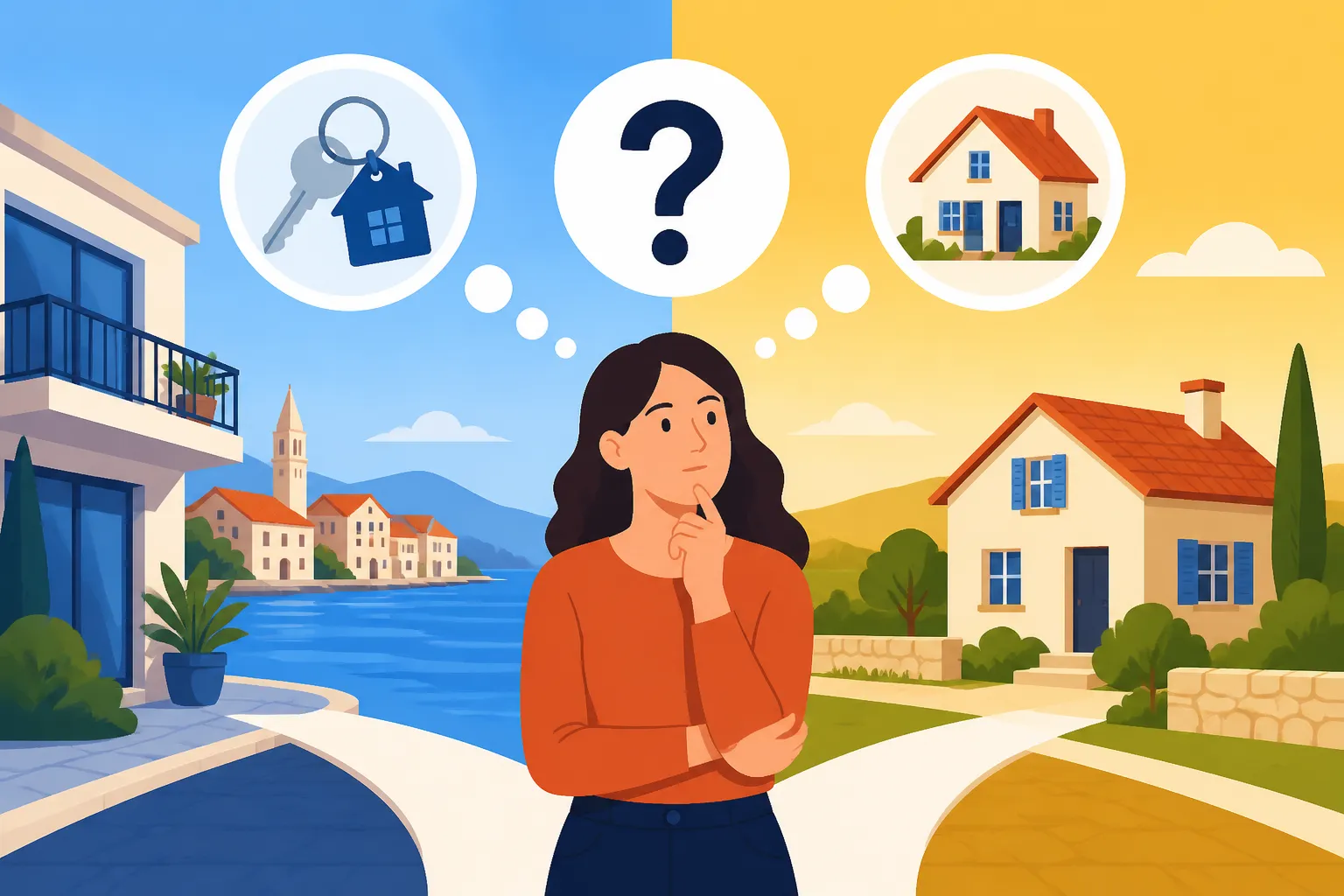
One of the biggest conundrums any expat faces when first settling into the beautiful chaos that is Croatia is figuring out where to lay their head – and whether that "head-laying" should be in a rented apartment or a home they own. It’s a decision steeped in personal finance, long-term plans, and a healthy dose of gut feeling. This guide will walk you through the nitty-gritty, helping you navigate the sometimes baffling Croatian property landscape to make the best choice for your unique situation.
The Initial Brainstorm: Renting vs. Buying – What's Your Vibe in Croatia?
When you first arrive, whether you've just landed or you've been here for a bit on a temporary permit, this question looms large. It’s not just about money; it’s about how deeply you want to commit to Croatia, what kind of flexibility you need, and frankly, how much administrative headache you're willing to endure. Both paths have their distinct flavors, offering different levels of freedom and responsibility.
The Lure of Renting: Flexibility and Lower Upfront Costs
For many new arrivals, renting feels like the natural first step, and for good reason. It offers a level of flexibility that is simply invaluable when you're still finding your feet in a new country. Imagine you move to Split, thinking it's your dream spot, only to discover after a year that you actually prefer the slower pace of Istria or the urban energy of Zagreb. If you've rented, packing up and moving on is a relatively straightforward process, albeit with its own administrative quirks.
The initial financial outlay for renting is also considerably lower. Typically, you'll need to cover a security deposit (often one or two months' rent), the first month's rent, and sometimes an agency fee. Compare that to the substantial down payments, closing costs, and other immediate expenses associated with buying, and renting looks like a much gentler introduction to the Croatian cost of living. This allows you to conserve your capital, giving you time to understand the local market and economy without significant long-term commitments.
The Call of Owning: Stability, Investment, and Making it Yours
Then there's the siren song of ownership. Buying property in Croatia, whether it's a cozy apartment in a historic city or a tranquil house on the coast, represents a significant emotional and financial investment. It's about planting roots, about having a place that is truly yours to decorate, renovate, and live in without seeking permission from a landlord. For many expats, especially those planning a long-term stay or retirement, ownership is a way to fully integrate and feel at home.
Beyond the emotional appeal, there's the investment aspect. While property markets fluctuate everywhere, owning property can be a hedge against inflation and a way to build equity. Croatia's real estate market, particularly in desirable coastal regions and major cities, has seen considerable interest. For those with a clear vision of their future here, buying can feel like a smart move, turning monthly housing payments into an asset rather than an expense. It's a commitment, yes, but one that offers profound stability.
Diving Deep into Renting in Croatia: Pros, Cons, and Practicalities
Let's be honest, renting here can be an adventure. It's not always as straightforward as you might be used to, but it definitely has its advantages for expats.
The Upsides of Renting for Expats
First and foremost, the flexibility. If your job might move you, or you're just not sure if Croatia is your forever home, renting is the undisputed champion. Lease terms are typically one year, sometimes less, allowing you to test the waters of different cities or neighborhoods. Imagine settling into a place only to realize the public transport isn't what you need, or you’re too far from an international school. With a rental, you can make an easier exit strategy.
Another huge plus is the lower financial barrier to entry. You won't be tying up a massive chunk of your savings in a down payment and closing costs. This capital can remain liquid, available for emergencies, travel, or other investments. Plus, major repairs and maintenance? Generally, those are on the landlord, not you. A leaky roof or a broken boiler is someone else's headache to fix, saving you from unexpected, costly surprises. For more details on what to expect, check out our guide on The Complete Guide to Renting an Apartment in Croatia (2027).
The Downsides and Realities of Being a Tenant
However, renting isn't without its challenges. The biggest downside is the lack of equity building. Every cent you pay in rent is essentially going into someone else's pocket, not building your own wealth. Over years, this can add up to a significant sum that could have contributed to your own property.
Then there’s the instability. While you have a lease, there’s always the possibility of your landlord deciding not to renew, selling the property, or raising the rent significantly. This can be a source of stress and uncertainty, especially if you have children in local schools. You also have limited control over your living space; painting walls, major renovations, or even hanging certain types of artwork might require explicit permission. And let’s not forget the bureaucracy of registering your lease with the tax administration, which is a mandatory step for foreigners. Knowing your Understanding Tenant and Landlord Rights in Croatia is crucial to avoid unpleasant surprises.
Navigating the Rental Market: What to Expect
The Croatian rental market can be quite competitive, especially in cities like Zagreb and Split, and along the coast during peak seasons. Prices vary wildly depending on location, size, and amenities. For instance, How Much Does It Cost to Rent an Apartment in Zagreb in 2026? can give you a clear picture of what you might pay in the capital. You'll primarily find listings on popular local real estate portals, through agencies, or by word-of-mouth. Be prepared to move quickly when you find something you like, especially if you're looking for How to Find and Rent Long-Term Accommodation in Croatia.
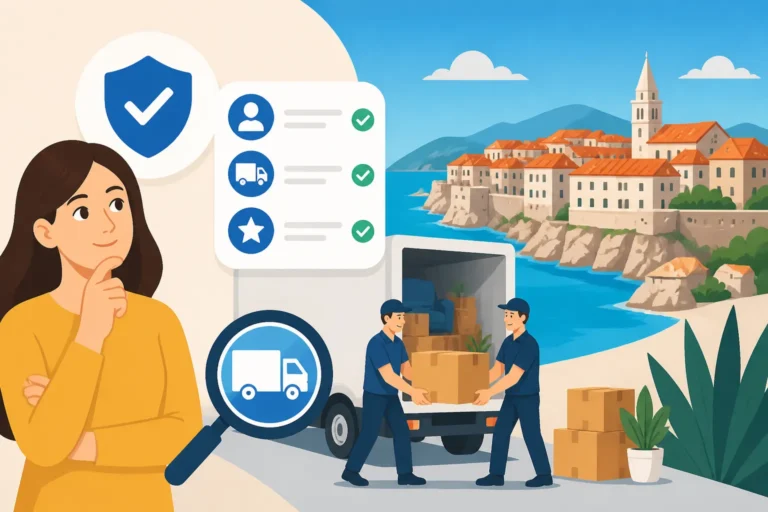
When you find a place, you'll need a rental agreement, and it's absolutely vital that it's properly drawn up and officially registered. This document protects both you and the landlord. As a foreigner, you’ll definitely need your OIB (personal identification number) for this. Keep in mind that some landlords might prefer cash payments to avoid tax, but as an expat, it's far safer and legally sound to insist on bank transfers and a registered contract. If you're moving all your possessions, services like Sirelo can help you find reliable international moving companies, streamlining the logistics once you’ve secured your new rental. And for your immediate connectivity, regardless of where you end up, an eSIM from providers like Airalo can be a lifesaver right off the plane.
Exploring Property Ownership in Croatia: The Dream vs. The Reality
For many, owning a piece of Croatia is the ultimate dream. But like any dream, it comes with a dose of reality that needs to be understood.
The Advantages of Putting Down Roots
The most obvious benefit of buying is building equity. Your mortgage payments, over time, contribute to your personal wealth. Property values in desirable areas of Croatia have historically appreciated, offering potential capital gains if you eventually sell. It's a tangible asset that you can pass down or leverage.
Beyond the financial, there’s the sense of permanence and belonging. You're no longer a temporary resident; you're a homeowner. This allows for greater personal freedom to customize your space – renovate, decorate, landscape – turning a house into a true home. It can also simplify long-term residence permits, as proving stable accommodation is often a key requirement. For those committed to a life in Croatia, buying can feel like a natural progression, fully integrating them into the community. Delving into How to Buy Property in Croatia as a Foreigner: The Full Guide (2027) will offer a more in-depth look at this complex process.
The Challenges and Significant Commitments of Buying
Now for the reality check. Buying property in Croatia involves a significant upfront financial commitment. Beyond the purchase price, you're looking at a 3% real estate transfer tax, notary fees, legal fees, agency commissions (if applicable), and potentially renovation costs. Many foreign buyers also need to pay for a real estate lawyer to ensure the title is clean and the transaction is legitimate. You can get a sense of the price tags from guides like How Much Does It Cost to Buy an Apartment in Zagreb?.
The process itself can be complex and time-consuming. It involves navigating the Croatian legal and administrative systems, which can be daunting for non-Croatian speakers. Checking the property's status in the How to Check Property Ownership in the Land Registry in Croatia and Cadastre is crucial. There can be hidden issues, like unresolved ownership, illegal construction, or access rights that require diligent investigation. Securing a mortgage as a foreigner can also be challenging, often requiring a substantial down payment (30-50% is common) and a solid financial history. This is where patience and persistence truly pay off.
Understanding the Costs Beyond the Purchase Price
The purchase price is just the beginning. Owners are responsible for all ongoing property maintenance, from minor repairs to major renovations, which can quickly add up. You'll also pay annual property-related taxes, communal fees (komunalna naknada), and potentially building reserve funds (pričuva) if you own an apartment within a building with shared expenses. Factor in utilities, home insurance, and potential administrative fees, and the recurring costs of ownership can be substantial.
Furthermore, if you ever decide to sell, you’ll encounter another set of costs, including capital gains tax (if applicable), agent fees, and legal expenses. It's a long-term commitment that requires careful financial planning and a robust understanding of Croatian property law. Our guide on Understanding Notary Fees and Property Purchase Costs in Croatia offers a detailed breakdown of these expenses. It’s not just about the dream home; it's about being prepared for the realities of maintaining it.
Making the Decision: A Personal Framework for Expats
So, how do you actually decide which path is right for you? It boils down to a few key areas that every expat needs to honestly evaluate.
Your Long-Term Plans and Financial Readiness
The absolute first question you need to ask yourself is: How long do I realistically see myself in Croatia? If you're on a digital nomad permit and unsure beyond a year or two, renting makes far more sense. The transaction costs of buying and selling within a short timeframe often outweigh any potential appreciation. If you envision a decade or more, or plan to retire here, buying becomes a much more attractive proposition. Consider your income stability, savings, and whether you have a substantial emergency fund. Don't forget to factor in The Complete Guide to Cost of Living in Croatia for Expats (2026) when doing your financial projections. Can you comfortably afford a down payment and have enough left over for unexpected costs? If you're considering a move, comparing international moving services through platforms like Sirelo can help you budget for the logistics of transporting your life.
Lifestyle, Risk Tolerance, and the Croatian Market
Think about your lifestyle preferences. Do you crave the freedom to pick up and move whenever a new opportunity arises? Or do you long for the stability of a permanent home where you can cultivate a garden or embark on a major renovation project? Your risk tolerance is also a significant factor. Are you comfortable with potential market fluctuations, the complexities of property law, and the responsibility of homeownership? Or do you prefer the predictable monthly expense and limited responsibility that renting offers? It’s also crucial to assess the local real estate market in your desired area. Is it a buyer's market or a seller's market? Are prices appreciating steadily or are they volatile? Do your homework, and don't rush into anything.
Hybrid Approaches and What if You Change Your Mind?
Life is rarely black and white, and your housing decision doesn't have to be either. Many expats start by renting for a year or two. This "trial period" allows them to:
- Understand the local areas and identify their truly preferred neighborhood.
- Get a better grasp of the Croatian language and administrative processes.
- Establish a local bank account and credit history (if applicable).
- Assess the job market and their long-term financial stability in Croatia.
- Connect to essential services, including registering their residence with the MUP, getting their OIB, and setting up utilities.
After this initial phase, if they decide Croatia is indeed their long-term home, they can then transition to buying with much more confidence and local knowledge. What if you buy and then want to move? You can always rent out your property, potentially turning it into an income stream. Or, if you rent and decide you don't like Croatia, your exit strategy is much simpler. There's no one-size-fits-all answer, but by carefully weighing these factors, you'll be well on your way to making the right choice for your Croatian adventure.
Disclaimer
This article is for general informational purposes only and does not constitute professional advice. Laws, prices and regulations vary by location and change over time. Consult a qualified professional for guidance on your specific situation.