How Do I Set Up Trash and Recycling in My Apartment Building?
Many expats find themselves utterly bewildered by Croatia's waste and recycling system, especially when living in an apartment building. It's not always intuitive, rules can seem to shift from one municipality to the next, and navigating the nuances of what goes where can feel like a riddle. This guide aims to cut through the confusion, offering a clear, step-by-step breakdown of how to properly manage your trash and recycling in your Croatian apartment, helping you avoid fines and contribute positively to your new community.
Understanding Croatia's Decentralized Waste Management Landscape
For those of us who've moved here from countries with highly standardized waste management, Croatia's system can feel like diving into the deep end without a map. But don't despair! It's a common expat frustration, and once you grasp the underlying structure, it becomes much easier to navigate.
The Municipal Maze: Why Rules Vary So Much
The first, and perhaps most crucial, thing to understand is that Croatia's waste management isn't a single, unified national system. Instead, it’s largely run by individual municipalities and their local communal companies, known as komunalno poduzeće. This decentralized approach is where the confusion really kicks in for newcomers. You might have heard your friend in Pula talk about certain coloured bins and collection days, only to find your building in Zadar has a completely different setup. It's not you, it's the system! This decentralization means that local councils dictate collection schedules, types of bins used, and even the specific categories for recycling, leading to a patchwork of regulations across the country.
This variability can be a real headache, especially when you’re just trying to get settled. You’re already juggling so many other things, like trying to Registering Your Residence in Croatia: The Complete MUP Guide or figuring out How Do I Set Up Electricity (HEP) in Your Croatian Home, and then you’re hit with waste rules that seem to be a local secret. Sometimes even long-time neighbours aren't entirely sure, or they've been doing it "their way" for years, which might not be the official way! The best first step is always to identify your local communal company, as they are the ultimate authority for your specific location.
Key Players: Your Local Komunalno Poduzeće
Every town or city in Croatia will have a public utility company responsible for waste collection. These are often called komunalno poduzeće (communal company) or something similar. For example, in the capital, Zagreb, it's Čistoća Zagreb, which is part of Zagrebački Holding. If you're living in Split, you'll be dealing with Čistoća Split. These companies are your primary source of truth for all things trash and recycling. Their websites are often the best place to find detailed information, including collection schedules, sorting guides, and essential contact details. Don't be surprised if much of the information is only in Croatian; this is a common challenge we face as expats, but a good browser translation tool can work wonders.
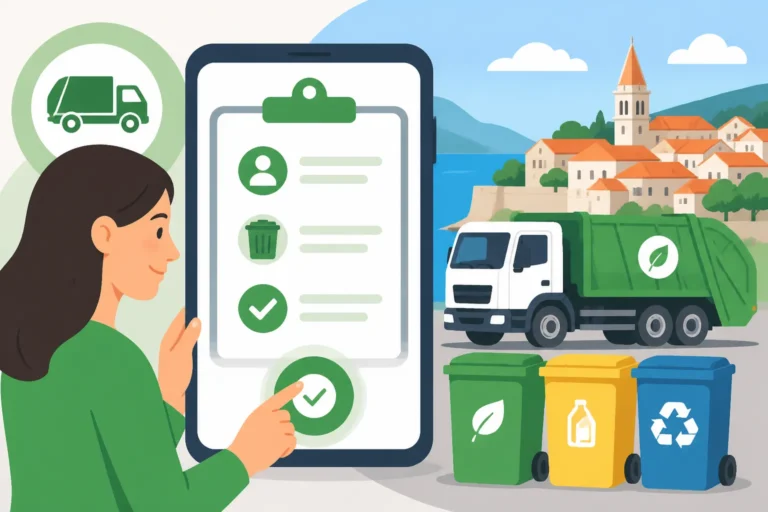
Finding their website and navigating it can feel like a mini-adventure in itself. Many now offer digital resources, including specific apps or interactive maps for bin locations and schedules. It’s definitely worth the effort to track down this information early on. If you're struggling with the language barrier, Google Translate is your friend, or sometimes, a patient landlord or a Croatian-speaking friend can help decode the local regulations. Remember, waste management is often tied to your Understanding the Komunalna Naknada (Communal Fee) in Croatia, so understanding these local players is not just about being a good citizen, but also about understanding what contributes to your bills.
Waste Collection for Apartment Buildings: The Nitty-Gritty
Unlike living in a standalone house where you might have your own individual bins, apartment living in Croatia means shared responsibility and communal systems. This section dives into the practicalities of dealing with trash and recycling in a multi-unit building.
Shared Bins vs. Individual Solutions: What's Your Building's Deal?
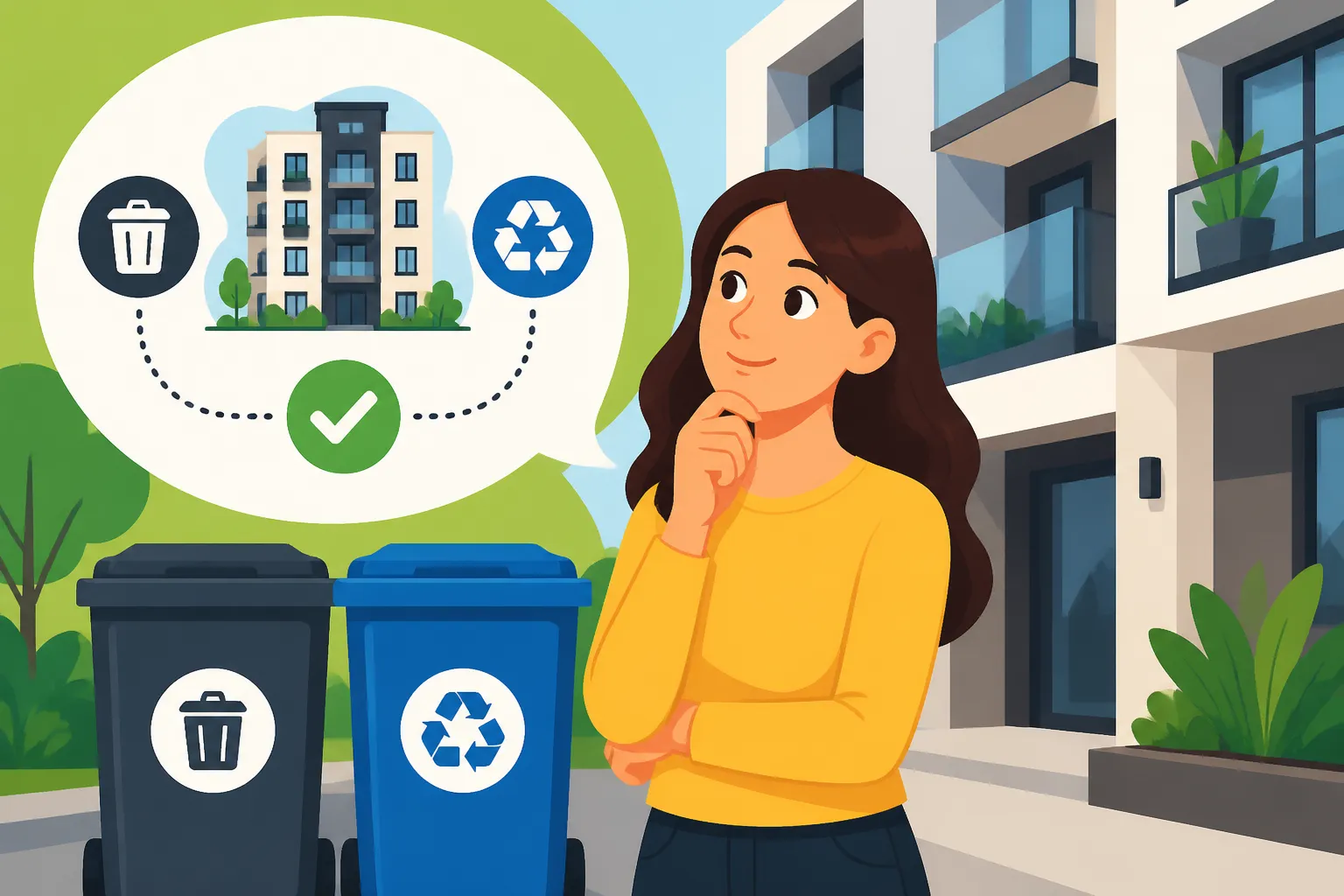
When you live in an apartment building in Croatia, you'll rarely have individual bins like you might in a house abroad. Instead, most buildings utilize shared communal bins. These are typically located in designated areas: sometimes in a locked room on the ground floor, in a shared courtyard, or occasionally, a designated spot on the street. It’s crucial to figure out your building's specific setup as soon as you move in. Your landlord or building manager (upravitelj zgrade) is your go-to person for this information. Don't be shy about asking, because improper disposal can lead to a world of pain, from angry neighbours to even fines.
In some newer buildings, or in areas trying to implement more advanced systems, you might find underground bins or "smart bins" that require a special key card or RFID chip to open. This is less common but becoming more frequent, particularly in larger cities like Zagreb or Rijeka. These systems often track usage, linking waste disposal to individual apartments, which can be a motivator for proper sorting. If you’re moving into a new place, definitely confirm how the system works. And while we’re talking about getting sorted, remember that moving itself can be a huge undertaking – services like Sirelo can help coordinate your belongings so you can focus on these crucial local details once you arrive and get your new home set up.
Collection Schedules, Types of Bins, and the Dreaded Fines
This is where things get serious, because misunderstanding this part can lead to actual trouble. Each type of waste – mixed municipal waste, paper, plastic, glass, bio-waste – has its own designated bin and collection schedule. Mixed municipal waste (often simply called "smeće") is usually collected most frequently, sometimes daily or every other day, especially in high-density urban areas. Recycling bins might be collected weekly or bi-weekly. It’s absolutely essential to know these schedules. Many communal companies publish them on their websites, or you might find a laminated schedule posted in your building's common area, perhaps near the letterboxes or entrance.
The bins themselves are usually colour-coded, though the exact colours can vary slightly between municipalities. Generally, however, you can expect to see:
- Green/Grey/Black: These are typically for mixed municipal waste – your general, non-recyclable trash.
- Blue: This bin is almost universally for paper and cardboard.
- Yellow: Plastics and metal packaging generally go in here.
- Brown: This is for bio-waste, such as food scraps and garden waste.
- Iglu (Bell-shaped) Containers: These large containers, often found at public "green islands" (zeleni otoci) or specific street locations, are frequently used for glass, but can sometimes be for textile or additional paper collection.
Improper disposal is a big no-no. Croatia is becoming much stricter about waste separation, and fines (kazne) are becoming more common. These can range from a polite warning to significant charges, especially for repeat offenders or large-scale violations. Imagine the surprise of getting a fine because you mixed your plastic with your paper – it’s a frustrating scenario many expats fear. The communal companies are increasingly using surveillance or simply having their collectors report violations, so don’t assume they won’t notice. Understanding the specific guidelines in your area is as important as knowing What Should I Check Before Signing a Lease in Croatia?.
Sorting Your Trash: The Croatian Recycling Breakdown
Now that you know where to put your bins, let's talk about what actually goes into them. This is where the specific rules about razvrstavanje otpada (waste separation) come into play, and following them closely can prevent a lot of headaches.
Paper, Plastic, Glass, and Metal: The Everyday Separations
Let's get down to the basics of day-to-day sorting. For paper and cardboard, think newspapers, magazines, cartons (flattened, please!), office paper, and clean cardboard boxes. Avoid anything greasy, wet, or coated (like coffee cups) – those usually go into mixed waste. The blue bin is your friend here, but remember, clean and dry is the mantra for paper recycling.
Plastic and metal packaging usually go together in the yellow bin. This includes plastic bottles (flattened to save space!), yogurt pots, plastic bags (empty and clean), metal cans (soda, food), and aluminum foil. A common mistake here is throwing in dirty containers. Always try to rinse food containers if possible. The cleaner your recycling, the more likely it actually gets recycled. It can feel like a chore, but it makes a huge difference in the sustainability of the system.
Glass bottles and jars typically have their own dedicated container, often one of those large, bell-shaped "iglu" containers you might find on the street, or a specific green bin in your building's communal area. Make sure the glass is empty and relatively clean. No ceramic, broken dishes, light bulbs, or window glass – those go into mixed waste, as they have different chemical compositions and melt at different temperatures.
Bio-waste and Problematic Waste: Beyond the Everyday
Bio-waste (biootpad) is a growing focus in Croatian waste management, especially as municipalities strive to reduce landfill volume. This category is for food scraps (fruit and vegetable peels, coffee grounds, tea bags), garden waste (small branches, leaves, grass), and other organic materials. It typically goes into a brown bin. Composting is encouraged, especially for houses with gardens. For apartment dwellers, separating bio-waste helps reduce the amount of general trash heading to landfills. Again, check your local communal company for specifics, as bio-waste collection isn't uniformly available everywhere, particularly in smaller villages or older urban areas that haven't fully implemented the system.
Problematic waste (problematični otpad) is another beast entirely, and it's vital to handle these items correctly for environmental and safety reasons. This category includes everything from old electronics (e-otpad), batteries, light bulbs, expired medicines, paints, oils, and textiles. You cannot just throw these into your regular bins. There are special collection points called reciklažna dvorišta (recycling yards/centres) where you can safely dispose of these items. Pharmacies often accept old medicines, and larger supermarkets or electronics stores sometimes have battery collection points. It’s important to find your nearest recycling yard for bulkier or hazardous items. Trying to figure out all these different rules and locations can be overwhelming, especially when you're also setting up your How Do I Set Up Internet and Mobile Service in Croatia? and trying to get your phone connected with something like Airalo to access all these online resources! This level of detail is a typical part of The Complete Guide to Cost of Living in Croatia for Expats (2026).
Here's a handy table to help you with the most common waste categories and their typical bin colours:
| Waste Type | Typical Bin Colour(s) | What Generally Goes In | What Generally Doesn't Go In (Common Mistakes) |
|---|---|---|---|
| Mixed Municipal Waste | Green, Grey, Black | Non-recyclable items, dirty packaging, ceramics, hygiene products | Anything that can be recycled or composted |
| Paper & Cardboard | Blue | Newspapers, magazines, office paper, clean cardboard boxes (flattened) | Greasy pizza boxes, wet paper, coated paper cups |
| Plastic & Metal | Yellow | Plastic bottles (flattened), yogurt pots, plastic bags, metal cans, foil | Styrofoam, hard plastic items (toys), CDs, dirty food containers |
| Bio-waste | Brown | Food scraps (fruit/veg, coffee grounds), garden waste | Cooked meat, dairy, oil, pet waste, large branches |
| Glass | Often Iglu (bell-shaped) or Green | Glass bottles, jars (rinsed, no lids) | Ceramics, mirrors, window glass, light bulbs, broken dishes |
| Problematic Waste | Special Collection Points (Reciklažna dvorišta, pharmacies) | Batteries, electronics, old medicines, paints, oils, large textiles | Anything that belongs in other bins |
Troubleshooting and Tips for Expats
It’s completely normal to feel a bit lost in the maze of Croatian waste management. Many expats, myself included, have spent a fair share of time puzzling over bin colours and collection schedules. Here’s how to minimize confusion and deal with issues when they arise.
Decoding Local Information and Apps
As mentioned, the websites of your local komunalno poduzeće are your absolute best friends. Search for "Čistoća [Your City Name]" (e.g., Čistoća Zagreb, Čistoća Split, Čistoća Rijeka) to find the relevant information. Many now have dedicated sections for citizens, including detailed guides on waste separation (razvrstavanje otpada), collection calendars (kalendar odvoza), and maps of public recycling points (reciklažna dvorišta or zeleni otoci – often translated as "green islands").
Some larger cities, like Zagreb, even have mobile apps that provide real-time collection schedules, notifications, and interactive maps for recycling points. These can be incredibly helpful for day-to-day management. If you’re not confident in your Croatian, use browser translation features to navigate these sites. Don’t hesitate to ask your landlord, building manager, or even a trusted neighbour for help interpreting these resources. They’ve been doing this for years, and while sometimes their advice might be based on habit rather than the latest rule, it’s a good starting point. Understanding these local quirks is part of the charm (and challenge!) of The Complete Guide to Moving to Croatia: Your First 90 Days (2027). For instance, knowing how to interpret your How Do I Pay My Utility Bills in Croatia? often involves understanding communal fees which include waste collection.
When Things Go Wrong: Dealing with Fines or Confusion
It's easy to make a mistake, especially when you're new to the system and juggling everything else about moving. You might accidentally put glass in the plastic bin, or miss a collection day, leaving your bio-waste bin sitting out for too long. If you receive a warning or a fine, don't panic. The first step is to understand exactly why it was issued. The notice should clearly state the violation, usually with a specific article number of the municipal ordinance.
If you're unsure, or believe there's been a misunderstanding, contact the communal company directly. Many have customer service lines, though English-speaking staff might not always be available. Having a Croatian friend or landlord help you communicate can be invaluable here. Explain your situation as a new resident who is trying to learn the rules. Often, if it's a first offense and you show willingness to comply, they might be understanding. However, consistent violations will likely result in more significant penalties. It's a steep learning curve, but one that everyone living in Croatia eventually navigates, just like figuring out The Cost of Healthcare in Croatia: A Complete Breakdown for Foreigners (2026). If you're looking into buying property, be sure to ask your real estate agent about the waste management system in the building, as the communal rules can significantly affect your Understanding Property Ownership Certificates (Vlasnički List) in Croatia.
The journey of an expat in Croatia is filled with many administrative hurdles, and waste management is certainly one of them. But with a bit of patience, persistence, and perhaps a good translation app, you'll soon be sorting like a local.
Disclaimer
The information provided in this guide is intended for general informational purposes only and does not constitute legal, financial, or professional advice. Waste management regulations in Croatia can vary significantly by municipality and are subject to change. Always consult the official website of your local communal company or seek advice from a qualified professional for the most accurate and up-to-date information pertaining to your specific situation.