How Do I Find Apartments for Sale in Zagreb’s City Centre?
Trying to find an apartment for sale in the bustling heart of Zagreb can feel like trying to solve a Rubik's Cube blindfolded, especially when you're an expat navigating a new language and a distinct property market. Many of us arrive with visions of charming, historic buildings and vibrant city life, only to quickly learn that securing that dream apartment in the very centre demands a unique blend of patience, local knowledge, and strategic searching. This guide aims to pull back the curtain on the process, helping you pinpoint those coveted central Zagreb properties.
Understanding Zagreb's City Centre Property Market
The allure of living in Zagreb's city centre is undeniable. You're steps away from the cultural pulse, the best restaurants, charming cafes, and essential amenities. However, this prime location also comes with its own set of characteristics when it comes to property, from the architecture to the pricing.
Defining "City Centre" Neighbourhoods
When we talk about Zagreb's city centre, it's not just one homogenous area. It encompasses several distinct neighbourhoods, each with its own flavour and property profile.
- Donji Grad (Lower Town): This is perhaps what most people envision when they think of central Zagreb. It's home to the iconic Horseshoe of parks, grand Austro-Hungarian buildings, museums, theatres, and main squares like Ban Jelačić. Properties here are often larger, high-ceilinged apartments in historic buildings, many of which have been beautifully renovated but just as many still retain their original, sometimes crumbling, charm. Expect higher prices, but also the prestige and convenience of being at the very heart of the action. It's fantastic for walkability and public transport, though parking can be a nightmare.
- Gornji Grad (Upper Town) & Kaptol: These ancient parts of the city offer unparalleled historical atmosphere with cobbled streets, gas lamps, and stunning views. Property here is exceptionally rare and often comes with heritage protection, meaning strict renovation rules. It's more likely you'd find smaller, unique apartments or even houses, but they are fewer and far between and often command premium prices due to their unique character and scarcity. Living here is a truly unique experience, but it’s less about modern convenience and more about living history.
- Centar (beyond Donji Grad but still central): This broader "Centar" area includes parts surrounding Donji Grad, like areas north towards Medveščak or west towards Britanski trg. Here, you'll still find many beautiful, older buildings, often with slightly more accessible prices than the immediate heart of Donji Grad. You might discover more variety in apartment sizes and building types, including some post-war constructions, offering a blend of central living without being right on the busiest thoroughfares. These areas often provide a slightly quieter residential feel while still being within a 10-15 minute walk or short tram ride to the main square.
The Allure and Challenges of City Centre Living
Living in Zagreb's centre is a dream for many, but it's important to walk in with open eyes regarding both the immense benefits and the practical challenges.
From a positive perspective, the convenience is unparalleled. Everything you could possibly need – shops, pharmacies, doctors, cultural institutions, and the best restaurants – is often within walking distance. The public transport network, especially the tram system, is excellent, meaning you rarely need a car. The energy of the city is always around you, from daily market trips to spontaneous evening strolls. For an expat, being in the centre makes assimilation easier, as you're constantly immersed in Croatian life and culture.
However, there are undeniable challenges. Parking, as mentioned, is a significant headache; if an apartment doesn't come with its own parking space (a rarity in older buildings), you'll rely on street parking zones or expensive public garages. Older buildings, while charming, often come with the need for extensive renovation. This isn't just cosmetic; you might be dealing with outdated plumbing, electrical systems, and lack of insulation, all of which can be costly and time-consuming to address. Noise can also be a factor, especially if your apartment faces a busy street or a popular cafe.
Your Toolkit for Finding City Centre Apartments
Finding that perfect central Zagreb apartment requires a multi-pronged approach. You can't just rely on one method and expect the best results.
Online Property Portals and Real Estate Agencies
Your initial dive into the market will undoubtedly involve online portals, which are a fantastic starting point for understanding what's available and at what price.
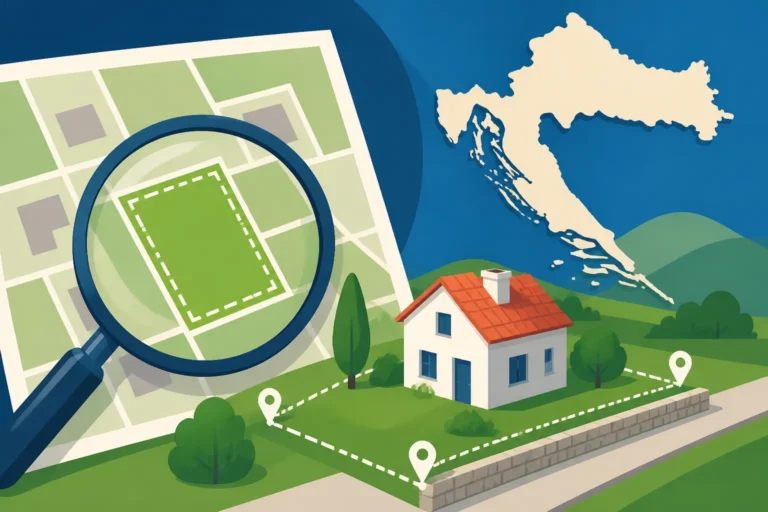
Croatia has several prominent property websites. Njuškalo is by far the largest classifieds portal in Croatia, covering everything from cars to real estate. It's where you'll find the widest range of listings, often directly from owners but also from agencies. Then there are dedicated real estate portals like Indomio and Crozilla, which aggregate listings from various agencies and private sellers. When browsing, make sure to use keywords like "Zagreb Centar," "Donji Grad," "Gornji Grad," or even specific street names if you have a particular area in mind. Filter by "prodaja stanova" (apartments for sale) and set your desired price range and number of rooms. Pictures can be deceiving, but they give you a first impression. A reliable internet connection, perhaps with an eSIM from a provider like Airalo if you're frequently on the go, can make this initial research phase much smoother.
While direct listings from owners can sometimes save you an agency fee, dealing with a reputable real estate agent is often invaluable, especially for expats. A good agent will have access to a wider network of properties, including those not publicly listed yet. More importantly, they understand the local market nuances, can provide realistic price assessments, and will manage communication with sellers, which can be tricky if there's a language barrier. When choosing an agent, look for one with experience working with foreigners and who speaks fluent English. Don't be shy about asking for references or checking their online reviews. Their fee is usually a percentage of the purchase price (typically 2-3% plus VAT from both buyer and seller, though this can vary), but their expertise in navigating the complex Croatian property market, from initial viewings to negotiation, can save you a lot of stress and potential pitfalls down the line. They can also provide insights into Understanding Notary Fees and Property Purchase Costs in Croatia, which are crucial to budgeting.
Networking and Local Insights
Beyond the digital realm, the old-fashioned methods of networking and simply being present in the city still hold immense power in Croatia.
Many attractive properties, especially in sought-after areas, might not even make it to online portals. They could be sold through word-of-mouth, passed between family and friends, or discreetly offered by agents to their trusted clients. This is where your personal network, even as an expat, becomes vital. Join expat groups on Facebook or other social media platforms – people often share recommendations for agents, lawyers, or even direct listings. Strike up conversations with locals in cafes, at your Croatian language classes, or through community events. You'd be surprised how often a casual chat can lead to a valuable lead. Physically walking around the neighbourhoods you're interested in, looking for "Na prodaju" (For Sale) signs, can also yield results. Some owners still prefer this method or use smaller, local agencies that don't have a huge online presence.
It's also worth understanding the fundamental systems that underpin property ownership here. Even if an agent is handling the bulk of the process, a basic grasp of the Croatian Land Registry, known as the Zemljišne Knjige, is crucial. This public record contains vital information about a property's ownership, size, and any encumbrances (like mortgages or easements). Knowing How to Check Property Ownership in the Land Registry in Croatia? can give you peace of mind and help you ask the right questions. While your lawyer will do the deep dive, being aware of these resources is empowering.
Navigating the Purchase Process as a Foreigner
Once you've found a potential apartment, the real administrative adventure begins. The Croatian property buying process, while not entirely unique, has specific steps and requirements that foreigners must understand.
Essential First Steps: OIB and Legal Counsel
Before you can even dream of signing a pre-contract, you absolutely need an OIB (Osobni identifikacijski broj) – your personal identification number in Croatia. This is your tax ID, and it's essential for virtually any official transaction, including buying property. If you haven't got one yet, make it your priority. The good news is, getting an OIB is usually a straightforward process, often handled by your agent or lawyer with a simple application form and your passport. For a more detailed guide, check out How Do I Get an OIB as a Foreigner in Croatia?.
While an agent will assist with finding the property and negotiations, the importance of independent legal counsel cannot be overstated. Engaging a reputable Croatian lawyer specializing in real estate from the very beginning is crucial. They will act solely in your interest, protecting you from potential legal issues, meticulously reviewing all contracts (pre-contract, main sales contract), and ensuring the property has a clean title. They will also verify that as a non-EU/EEA citizen, your country has a reciprocity agreement with Croatia for property purchases, which is a key legal requirement. Without a lawyer, you're essentially walking into a legal minefield blindfolded, and believe me, you don't want to learn the intricacies of Croatian property law through costly mistakes.
The Role of Notaries and Due Diligence
In Croatia, a notary public (javni bilježnik) plays a significant role in the property transaction. They are public officials who witness signatures, verify identities, and ensure the legal validity of documents, particularly the main sales contract (kupoprodajni ugovor). Their presence is mandatory for the contract to be legally binding and registrable. The notary fees are regulated by law and are an unavoidable cost of purchasing property.
However, the notary's role is not to conduct full due diligence on your behalf; that's your lawyer's job. Your lawyer will perform a thorough check, including:
- Vlasnički List (Ownership Certificate): This document confirms who legally owns the property and any co-owners. It's paramount to ensure the seller is indeed the rightful owner. Understanding Property Ownership Certificates (Vlasnički List) in Croatia can elaborate further.
- Teretnica (Encumbrances List): This section of the Land Registry details any mortgages, liens, or other burdens on the property. You want a "clean" teretnica – no surprises!
- Building Permits and Usage Permits: Especially for older apartments, ensuring the building has all necessary permits is crucial, particularly if any major renovations were done.
- Energy Certificate (Energetski Certifikat): All properties being sold must have one, indicating the building's energy efficiency.
This due diligence phase is where potential problems are uncovered and addressed before you commit to the purchase. Your lawyer will guide you through every detail, ensuring you understand exactly what you're buying.
Financing and Costs Involved
Buying an apartment, especially in central Zagreb, is a significant financial commitment, and understanding the full scope of costs is vital for any expat.
If you require financing, your options typically include Croatian banks or, less commonly, foreign banks. Croatian banks like Zagrebačka Banka, Privredna Banka Zagreb (PBZ), or Erste & Steiermärkische Bank offer mortgages to foreigners, but be prepared for a thorough application process. They will assess your creditworthiness, income stability, and residency status. It's wise to consult with several banks to compare interest rates and terms. For a deeper dive into this, you might find How Do I Get a Mortgage from a Croatian Bank as a Foreigner? particularly useful.
Beyond the purchase price, you'll encounter several additional costs:
- Real Estate Transfer Tax (Porez na promet nekretnina): This is a significant cost, currently set at 3% of the purchase price. It's usually paid by the buyer.
- Real Estate Agent Fee: As mentioned, typically 2-3% plus VAT, usually split between buyer and seller, but confirm this beforehand.
- Notary Fees: Legally regulated fees for authenticating the sales contract and other documents.
- Lawyer Fees: These vary depending on the lawyer and the complexity of the transaction, but expect it to be a percentage of the purchase price or a fixed fee.
- Cadastre and Land Registry Fees: Minor administrative fees for registering your ownership.
- Property Valuation: Banks will often require an independent valuation, which you will typically pay for.
When you sum these up, these additional costs can easily add up to 5-8% on top of the property's purchase price. So, if you're looking at a €200,000 apartment, prepare for an extra €10,000-€16,000 in closing costs. This is crucial information when budgeting for your dream city centre home. For a comprehensive overview of all expenses, consult How Much Does It Cost to Buy an Apartment in Zagreb?.
Practical Considerations for City Centre Living
Beyond the purchase itself, living in a city centre apartment in Zagreb, especially in an older building, comes with its own set of practical realities that new owners should be aware of.
Renovation Potential and Costs
Many of the charming, older apartments in Zagreb's Donji Grad or Centar areas were built in the late 19th or early 20th century. While they boast high ceilings, intricate mouldings, and a sense of history, they often come with original, unrenovated interiors. This means you might be looking at apartments where the plumbing, electrical wiring, and heating systems are decades old. The windows might be single-glazed, and insulation practically non-existent by modern standards.
Planning for renovation is often not just about aesthetics but about making the apartment functional and energy-efficient for today's living. This can involve significant costs. Finding reliable, English-speaking contractors can be a challenge, and coordinating multiple trades (plumbers, electricians, builders, painters) requires patience and often a good project manager. Always get multiple quotes, check references, and have clear contracts. Unexpected issues, like discovering hidden pipes or structural quirks in an old building, are common, so factor in a contingency budget. It's a huge undertaking, but the reward is a beautiful, modernised home in an unbeatable location, built to your taste.
Building Management and Community Pričuva
When you buy an apartment in a multi-unit building in Croatia, you automatically become a co-owner of the common parts of the building (roof, facade, stairwells, shared utilities). This means you'll be contributing to the pričuva (building reserve fund). This monthly contribution covers the cost of ongoing maintenance, repairs, cleaning of common areas, and sometimes even larger renovations like facade repairs or roof replacements. The amount of pričuva varies depending on the building's size, age, and any ongoing projects, but it's a mandatory fee for apartment owners.
Understanding how your building's management (upravitelj) operates and the financial health of its pričuva fund is important. You want to ensure the building is well-maintained and that there are sufficient funds for future repairs. In older buildings, discussions and disagreements among co-owners about repairs can sometimes be lively, especially when it comes to larger, more expensive projects. Being part of the building community, even if you're an expat, means engaging in these decisions. For a deeper understanding of this essential aspect of apartment ownership, you can refer to How Do I Pay the Pričuva (Building Reserve Fund) in Croatia?.
Moving Logistics and Settling In
Once the purchase is complete and perhaps renovations are underway, the next big step is the actual move. If you're relocating internationally, coordinating your belongings can be a significant logistical puzzle. This is where professional moving services become indispensable. Companies like Sirelo, which specialize in international moves, can handle everything from packing and customs declarations to transport, ensuring your possessions arrive safely in Zagreb. Getting quotes from several movers and understanding their insurance policies is a wise step.
After you've moved in, there's the practical task of setting up all your utilities in your name. This includes electricity (HEP), water, gas (if applicable), and internet. While some agents or property managers might assist, it's ultimately your responsibility as the new owner. It’s also important to register your residence at the MUP (police department) once you’re settled. For a comprehensive guide on this, check out The Expat Guide to Setting Up Utilities in Croatia and Registering Your Residence in Croatia: The Complete MUP Guide. Settling in is a process, but with careful planning and the right support, you'll soon be enjoying your new life in the heart of Zagreb.
Finding Your Dream Apartment in Central Zagreb: A Summary Table
| Aspect | Donji Grad (Lower Town) | Gornji Grad & Kaptol | Centar (Broader) |
|---|---|---|---|
| Vibe | Grand, bustling, cultural hub | Historic, charming, quiet, unique | Residential, convenient, diverse |
| Property Type | Large, high-ceilinged apartments | Unique, smaller apartments, rare | Variety of sizes, older to mid-century |
| Price Point | High-end, premium | Ultra-premium, very scarce | Moderate to high |
| Renovation Needs | Often significant | Often significant, heritage rules | Varies, often needed |
| Parking | Very challenging, street zones | Extremely challenging, resident only | Challenging, but more options |
| Amenities | Everything on your doorstep | Quiet, fewer immediate shops | Excellent, slightly less dense |
| Expat Appeal | High, prestige, central life | Niche, historical enthusiasts | High, balance of access and calm |
Disclaimer
The information provided in this guide is intended for general informational purposes only and does not constitute legal, financial, or real estate advice. While every effort has been made to ensure accuracy, laws and regulations in Croatia are subject to change, and individual circumstances may vary. It is essential to consult with qualified local professionals, such as real estate agents, lawyers, and financial advisors, for advice tailored to your specific situation before making any property purchase decisions.