How Do I Buy a Property Near the Coast in Croatia?
The dream of owning a piece of the stunning Croatian coastline is a powerful one, often painting idyllic pictures of azure waters and sun-drenched stone houses. However, turning that dream into a reality can be a tangled bureaucratic knot for foreigners, fraught with specific legal hurdles and cultural nuances. This comprehensive guide is here to walk you through the often-complex process of buying a property near the coast in Croatia, offering realistic advice and actionable steps to help you navigate the journey successfully.
The Magnetic Pull and Practicalities of Coastal Property
Croatia's Adriatic coast is undeniably captivating, drawing countless expats and tourists with its unparalleled beauty. From the bustling ancient streets of Split and Dubrovnik to the serene, olive-treed islands of Brač or Hvar, and the charming Istrian towns perched above the sea, the allure is immense. Many foreigners arrive with visions of a vacation home, a retirement haven, or even an investment property to leverage the booming tourism market. But before you get swept away by the sparkling sea views, it's crucial to understand both the immense benefits and the very real practicalities and challenges that come with purchasing property in such a sought-after region.
Why Coastal Croatia Captivates Buyers
There are compelling reasons why so many people set their sights on a coastal property in Croatia. Firstly, the lifestyle is truly something special. Imagine waking up to the smell of the sea, enjoying fresh seafood daily, and having endless opportunities for swimming, sailing, and exploring hidden coves. The climate, particularly in Dalmatia and Istria, is generally mild and sunny for a significant portion of the year, making it an attractive destination for those escaping colder climates.
Beyond lifestyle, the investment potential is a major draw. Coastal real estate, especially in prime locations like Rovinj, Opatija, Split, or the Dubrovnik Riviera, tends to hold its value well and often appreciates. The country's increasing popularity as a tourist destination means there's a strong demand for rental properties, offering owners a pathway to generating income. Many expats find joy in renovating traditional stone houses, bringing a piece of Croatian heritage back to life while adding their personal touch.
Unique Challenges of Coastal Real Estate
While the dream is enticing, don't walk into this blindfolded. Purchasing on the coast comes with its own set of challenges that can surprise even seasoned buyers. For starters, demand is high, and supply, especially for truly desirable, well-located properties, can be limited. This naturally drives up prices, making coastal properties significantly more expensive than those inland. You might find yourself in a competitive bidding situation, particularly during peak buying seasons.
Furthermore, construction regulations along the coast can be incredibly stringent and complex. There are strict rules regarding building zones (zona gradnje), heritage protection (especially in old towns), and environmental considerations. It's not uncommon to find properties with illegally built additions or structures that don't comply with current permits, which can lead to severe headaches down the line. You'll need meticulous due diligence to ensure everything is above board. Infrastructure, while generally good in major towns, can be less developed in more remote island or village locations, affecting access to amenities like reliable internet or even consistent water supply, especially during the off-season.
And let's be honest, dealing with Croatian bureaucracy can be an experience in itself. Things often move slowly, require multiple visits to different offices, and might involve stacks of paperwork. A deep breath and a sense of humor are your best friends here.
Navigating the Legal Landscape of Croatian Property Ownership
The legal framework for property ownership in Croatia is often the biggest hurdle for foreigners. It’s not as straightforward as buying a house in your home country, and making assumptions can lead to costly mistakes. Understanding the specific requirements, especially regarding foreign ownership and the crucial documents involved, is paramount.
Foreign Ownership Rules and the Reciprocity Principle
First things first: Can Foreigners Buy Property in Croatia?. The answer is generally yes, but with some important distinctions. If you're an EU/EEA citizen, you generally have the same rights as Croatian citizens to acquire property, with very few exceptions. However, if you're a non-EU/EEA citizen, things get a bit more intricate. Croatia operates on a "reciprocity principle" with many non-EU countries. This means that if Croatian citizens can buy property in your home country, then you can generally buy property in Croatia, provided it's not agricultural land or protected areas.
You’ll need to confirm that your country has a reciprocity agreement with Croatia for real estate. This check is usually done by the Ministry of Justice, and your lawyer will typically handle this as part of the due diligence process. Without this reciprocity, your options for direct ownership become severely limited, often requiring you to set up a Croatian company (d.o.o.) to hold the property, which adds layers of complexity and cost. Agricultural land is generally off-limits for direct foreign ownership regardless of reciprocity, as is some forest land. These restrictions are in place to protect national resources and prevent speculative buying.
Essential Documents: OIB, Land Registry, and Cadastre
Before you even start seriously looking at properties, one document is absolutely non-negotiable: your OIB, or Osobni Identifikacijski Broj. This is your personal identification number, similar to a tax ID, and it's required for any financial or legal transaction in Croatia, including purchasing property. You can't sign a contract or open a bank account without it. You can learn more about this crucial step here: How to Get an OIB (Personal Identification Number) in Croatia. It’s typically one of the first things an expat needs to acquire.
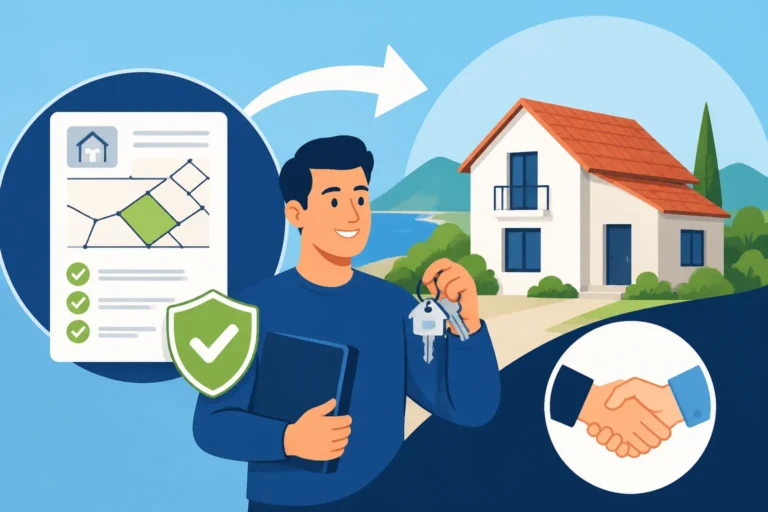
Next, you need to understand the two pillars of Croatian property documentation: the Land Registry (Zemljišne Knjige) and the Cadastre (Katastar). These are distinct but interconnected systems.
- Zemljišne Knjige (Land Registry): This is the legal record of ownership. It tells you who owns the property, if there are any mortgages (hipoteka) or other encumbrances (tereti) on the property, and the legal description of the land. A clean vlasnički list (ownership certificate) from the Land Registry is paramount. You can investigate this yourself or with a lawyer: How Do I Check Property Ownership in the Land Registry in Croatia?.
- Katastar (Cadastre): This system focuses on the physical characteristics and boundaries of the property. It includes maps, dimensions, and the purpose of the land. It's not a legal ownership document but confirms the physical reality. It's crucial to ensure the details in the Cadastre match those in the Land Registry and, most importantly, the actual physical state of the property. Discrepancies here often indicate illegal construction or boundary disputes.
You’ll also need an Energy Performance Certificate (Energetski Certifikat) for any property transaction. This document assesses a building's energy efficiency and is mandatory for sales and rentals. While it might seem like just another piece of paper, it gives you insight into potential future utility costs and necessary upgrades. These details are extensively covered in Understanding the Croatian Property Registry and Cadastre System.
The Indispensable Role of Legal Assistance
I cannot stress this enough: do not attempt to buy property in Croatia without an independent, competent lawyer. This is not a place to cut corners. A good lawyer fluent in both Croatian and English will be your advocate, your translator, and your guide through the labyrinthine process. They will:
- Conduct thorough due diligence: This involves checking the Land Registry and Cadastre for discrepancies, verifying zoning plans with the local municipality, checking for any outstanding debts or legal issues, and ensuring the property has all necessary building and usage permits. Many coastal properties, especially older ones, might have issues with unregistered additions or past planning violations.
- Verify reciprocity: For non-EU citizens, they'll confirm your eligibility to purchase.
- Draft and review contracts: From the pre-contract to the final purchase agreement, they ensure your interests are protected and all clauses are legally sound and clear.
- Represent you: They can often act on your behalf via power of attorney, minimizing your need to be physically present for every step, which is a huge relief when dealing with different offices.
- Guide you through tax obligations: Property purchase comes with taxes, which they will help you navigate.
Choosing the right lawyer is crucial. Look for someone with demonstrable experience in real estate transactions involving foreign buyers. Personal recommendations are golden, but also ensure they are officially registered with the Croatian Bar Association.
The Step-by-Step Process of Buying Your Coastal Home
Once you’ve got your OIB and a trusted lawyer on board, you’re ready to dive into the actual buying process. This journey has several distinct stages, each requiring careful attention to detail.
Finding Your Dream Property and Initial Checks
The hunt for your ideal coastal property will likely begin online. Websites like Njuskalo.hr, Crozilla.com, and local real estate agency sites are good starting points. You'll find everything from fixer-uppers in charming villages to luxury villas overlooking the Adriatic. However, remember that photos can be deceiving, and listings often lack the granular detail you'll need.
Working with a reputable local real estate agent can be incredibly helpful, especially if they specialize in expat clients and have a strong command of English. They can provide market insights, suggest properties that match your criteria, and arrange viewings. But choose wisely, as not all agents are created equal. You can get tips on How to Find a Reliable Real Estate Agent in Croatia. Before you fall in love with a property, your agent and lawyer should conduct preliminary checks. This means confirming the ownership status, checking for obvious red flags in the Land Registry, and understanding the general zoning to see if your plans for the property (e.g., adding a pool, renting it out) are feasible.
The Pre-Contract and Deposit (Kapara)
So, you've found the one. The next step is usually to sign a pre-contract, or predugovor. This is a legally binding agreement that outlines the terms of the sale, including the purchase price, payment schedule, deadline for the final contract, and details about the property and parties involved. Crucially, at this stage, you'll typically pay a deposit, known as kapara, which is usually 10% of the purchase price.
The kapara serves as a commitment from both sides. If the buyer backs out without valid reason, they usually lose the deposit. If the seller backs out without valid reason, they are typically obligated to return double the deposit. This is where your lawyer's expertise in drafting and reviewing the pre-contract is vital, ensuring all conditions are clear, fair, and protect your interests. For example, clauses should be included regarding the seller providing all necessary documentation (usage permit, energy certificate, etc.) before the final sale.
The Main Purchase Contract and Notarization
After all due diligence is complete and the pre-contract terms are met, it’s time for the main purchase contract (kupoprodajni ugovor). This document finalizes the sale. It must be prepared by your lawyer and then solemnized by a public notary (javni bilježnik). Notarization is a mandatory step in Croatia; without it, the contract is not valid for transferring ownership. The notary confirms the identities of the parties, verifies their legal capacity to enter the agreement, and ensures the document is properly signed and sealed. The notary fees are a standard part of the process, and you can understand these better by checking Understanding Notary Fees and Property Purchase Costs in Croatia.
At this stage, the remaining balance of the purchase price is transferred. Often, this is done via a secure bank transfer or an escrow account managed by the notary or lawyer. Make sure your funds are readily available and converted to Euros if they aren't already, as Croatia operates with the Euro. During this busy period, having reliable mobile data can be incredibly useful for communication and quick online checks. Brands like Airalo offer eSIMs that can provide convenient connectivity without the hassle of local SIM card registration upon arrival.
Registration of Ownership at the Land Registry
Once the main contract is notarized and the full payment is made, the final step in establishing your ownership is to register it with the Land Registry. Your lawyer will submit the necessary documents, primarily the notarized purchase contract, to the municipal Land Registry court (Općinski sud, zemljišnoknjižni odjel). This is the moment when your name is officially entered into the vlasnički list as the new owner.
This process can sometimes take a few weeks or even months, depending on the court's workload. While waiting, you will have the original notarized contract as proof of your purchase. Once registered, you will receive an updated vlasnički list with your name on it. Congratulations, you are now a proud Croatian coastal property owner!
Financing and Post-Purchase Considerations
The journey doesn't end with signing the papers. There are significant financial considerations, both upfront and ongoing, as well as the practicalities of settling into your new Croatian home.
Financing Your Coastal Dream
For many expats, securing financing can be challenging. Croatian banks, while increasingly accustomed to dealing with foreigners, often have strict lending criteria. They generally prefer applicants with a stable income in Croatia, which can be difficult for those newly arrived or working remotely for foreign companies. You might find that you can only secure a mortgage for a percentage of the property's value, requiring a substantial down payment. Interest rates can also vary. It's often easier for EU citizens with established financial histories within the EU.
Many foreign buyers find it simpler to finance their purchase through banks in their home country, or by relying on savings or selling assets. If you plan to transfer a large sum of money from abroad, be aware of international transfer fees and exchange rates. Speaking with a financial advisor experienced in international property purchases is highly recommended.
Understanding Purchase Costs and Taxes
Beyond the property price itself, there are several significant costs you need to budget for:
- Real Estate Transfer Tax (Porez na Promet Nekretnina): This is a mandatory tax on the purchase of real estate. As of late 2023/early 2024, it stands at 3% of the property's market value. This is usually paid by the buyer. Your lawyer will guide you on when and how to pay this to the local tax administration (Porezna Uprava). Dive deeper into this tax with Understanding the Real Estate Transfer Tax (Porez na Promet Nekretnina).
- Notary Fees: As mentioned, the notarization of your contract is mandatory. These fees are regulated by law and depend on the value of the property, typically ranging from a few hundred to a couple of thousand euros.
- Legal Fees: Your lawyer will charge for their services, usually a percentage of the purchase price (e.g., 1-2%) or a fixed fee, depending on the complexity of the transaction.
- Real Estate Agent Commission: If you used an agent, they will charge a commission, typically split between buyer and seller, or solely from one party as agreed. Buyer's commission in Croatia is often around 2-3% + VAT.
- Other Potential Costs: These could include appraisal fees, translation costs for documents, and potentially costs for setting up a Croatian company if that's your chosen route for ownership.
It’s wise to budget an additional 5-8% of the property purchase price to cover these associated costs.
| Cost Item | Typical Percentage/Amount | Who Pays (Commonly) | Notes |
|---|---|---|---|
| Real Estate Transfer Tax | 3% of market value | Buyer | Paid to the Tax Administration. |
| Notary Fees | €150 – €3,000+ | Buyer | Varies with property value; legally mandated. |
| Legal Fees | 1-2% + VAT | Buyer | Highly recommended for due diligence and contract drafting. |
| Real Estate Agent Commission | 2-3% + VAT | Buyer (or split) | Paid only if an agent is used and successful. |
| Energy Certificate | €150 – €500 | Seller | Seller must provide this, but cost is factored into overall property value. |
| Translations | Variable | Buyer | If documents need official translation to/from Croatian. |
| Bank Transfer Fees | Variable | Buyer | For international money transfers. |
Setting Up Utilities and Ongoing Maintenance
Once the property is yours, you’ll need to transfer utility accounts into your name. This includes electricity (HEP), water, and potentially gas, as well as internet and waste collection. This process usually involves visiting the local utility providers' offices, which can be another bureaucratic exercise. You can find detailed guidance in The Expat Guide to Setting Up Utilities in Croatia. Having a good local contact or your lawyer assist you with this can save a lot of time and frustration.
Ongoing costs include property maintenance, utility bills, and communal fees (komunalna naknada) which are local taxes for public services. If you’ve bought an apartment, there might also be a building reserve fund fee (pričuva) for shared maintenance. Property insurance is highly advisable, especially for coastal properties exposed to the elements. Remember to factor in these regular expenses when budgeting for your life in your new Croatian home. If you are planning a big move, consider services like Sirelo to help you compare quotes for international movers, ensuring your belongings arrive safely to your coastal paradise.
Becoming a property owner near the Croatian coast is a significant life step that requires patience, preparation, and expert guidance. With the right approach and a clear understanding of the process, your dream of living by the Adriatic can absolutely become a beautiful reality.
Disclaimer
The information provided in this guide is for general informational purposes only and does not constitute legal, financial, or tax advice. While we strive to keep the information up-to-date and accurate, laws and regulations in Croatia can change. It is essential to consult with qualified legal, financial, and real estate professionals in Croatia for advice tailored to your specific situation before making any property-related decisions.