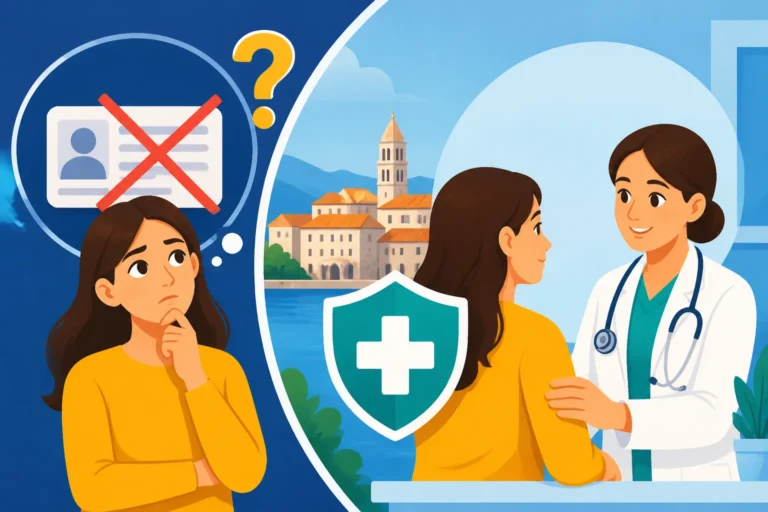
How Long Are Specialist Waiting Lists in the Croatian Public System?
Oh, the infamous waiting lists for specialists in the Croatian public health system! It's one of those uniquely frustrating hurdles that every expat eventually bumps into, often when they least expect it and are already feeling vulnerable. You've navigated the MUP, figured out the banking, maybe even mastered ordering coffee in Croatian, but then you get that referral to a specialist, and suddenly, you're looking at a calendar months, sometimes a year, down the line. This guide is here to shed some light on why these waits are so long, what you can realistically expect, and crucially, how you might be able to navigate this often-challenging aspect of healthcare in Croatia.
Understanding the Reality of Specialist Waiting Lists in Croatia
Let's be brutally honest: waiting for specialist appointments in the Croatian public healthcare system can feel like being stuck in bureaucratic limbo. It's a common complaint, not just among expats but locals too, and it's a stark reality you need to prepare for. Don't go into this expecting the same speed or efficiency you might have experienced in Western European or North American systems. It's different here, and understanding why is the first step toward managing your expectations.
Why Do Waiting Lists Exist?
The reasons for these extended waiting lists are complex and multifaceted, rooted in the system's structure and resources. It's not usually a reflection of a lack of care or dedication from individual doctors, who are often overworked themselves.
Firstly, there's the resource allocation issue. Croatia, like many countries, faces a shortage of specialist doctors, particularly in certain fields and outside the major cities. Many highly skilled medical professionals seek opportunities abroad in countries with better pay and working conditions, leading to a brain drain. This leaves fewer specialists to serve the entire population. Secondly, equipment and facilities can be a bottleneck. While major clinical hospital centres (KBCs) in cities like Zagreb, Split, and Rijeka have advanced equipment, smaller hospitals or health centres (Domovi Zdravlja) might lack the necessary diagnostic tools or capacity. An MRI or a specific type of endoscopy often has a long queue because there are simply not enough machines or technicians to keep up with demand. Thirdly, funding limitations within the public health insurance fund (HZZO) play a significant role. Budget constraints mean fewer new positions for specialists, slower adoption of the latest technology, and sometimes, limits on the number of procedures that can be performed within a given period. Lastly, there's the demand factor. With an aging population and increasing awareness of various health conditions, the demand for specialist services naturally increases, further straining an already stretched system.
The Impact on Expats
For us expats, these waiting lists can be particularly frustrating and anxiety-inducing. Beyond the general worry of a health issue, we often grapple with additional layers of complexity. The most immediate challenge is often the language barrier. While some doctors, especially younger ones or those in private practice, speak English, navigating the public system, understanding Croatian terms for conditions, or even just scheduling appointments can be daunting if your Croatian isn't fluent. This can make advocating for yourself or fully understanding your options much harder. Imagine trying to decipher a complex medical explanation or a long list of follow-up instructions when you're already stressed and relying on Google Translate or a kind stranger.
Then there's the cultural difference in healthcare expectations. Many of us come from countries where quick access to specialist care is either the norm or at least a highly prioritized service. The idea of waiting six months for a dermatologist appointment or a year for an orthopaedic consultation can feel almost unacceptable, especially if you're in pain or concerned about a developing condition. This can lead to feelings of helplessness and a deep sense of vulnerability. It's not uncommon for expats to feel like they're not being taken seriously or that their health concerns are being minimized, simply because the system operates on a different timeline than what they're accustomed to. This is where understanding the system and having a strategy becomes incredibly important for your peace of mind and, ultimately, your health.
How to Navigate and Potentially Shorten Public System Waiting Times
So, you've received that dreaded referral with a distant appointment date. Don't despair immediately! While there's no magic wand to make all waiting lists disappear, there are certainly proactive steps you can take as an expat to navigate the system more effectively and, in some cases, even shave off some time.
Getting Your Initial Referral
The very first step in accessing specialist care in Croatia's public system is almost always through your family doctor, or obiteljski liječnik. Think of them as the gatekeepers. You can't just call up a cardiologist and book an appointment; you need a referral from your GP. This referral is called an uputnica, and nowadays, it's almost always an electronic referral, or e-uputnica. This system is actually quite efficient once you're in it. Your GP will assess your condition, decide which specialist you need to see, and then issue the e-uputnica directly into the HZZO system. You don't get a paper slip unless specifically requested for certain situations.
Once your GP issues the e-uputnica, it automatically enters you into the national waiting list for that specific specialty at the hospital or clinic your GP recommends (or the one they usually refer to). It's crucial that your GP correctly identifies the urgency and type of specialist. A detailed discussion with your family doctor about your symptoms and concerns is paramount. They might be able to specify a hitno (urgent) referral, which should mean a shorter wait, but this is reserved for genuinely acute conditions and not for general impatience. Having a good relationship with your GP, ideally one you can communicate with effectively, is invaluable here. If you need help finding one, our guide on The Expat Guide to Finding a Family Doctor (Obiteljski Liječnik) in Croatia can be a lifesaver.
Proactive Strategies While You Wait
Once that e-uputnica is in the system, you're technically on the waiting list. But "waiting" doesn't have to mean "doing nothing." There are several proactive strategies you can employ:
- Check Waiting Lists Online: HZZO maintains a public portal where you can check the approximate waiting times for various procedures and specialists at different hospitals and health centres across Croatia. While it's in Croatian, tools like Google Translate can help you navigate it. It often shows "first available" appointments. You'll need to know the specific service or specialist name. This can be a useful tool to see if a different facility has a significantly shorter wait time.
- Call Around: Don't be afraid to call the specific department or polyclinic where your referral has been sent. Sometimes, cancellations happen, and if you've called at the right time and expressed your availability, you might get lucky and snag an earlier slot. Be polite, explain your situation (in Croatian if possible, or have a Croatian friend help), and inquire about cancellations. You can also ask if they have any earlier dates available at a different location within the same clinical centre.
- Ask Your GP for Alternatives: If the wait time is truly prohibitive and your condition is causing significant discomfort or concern, go back to your GP. They might be aware of new specialist openings, different clinics with shorter waits, or perhaps even have an idea if there's a specific window of time when a department is less busy. They might also suggest that your condition can be managed temporarily while you wait, or offer a re-evaluation if your symptoms worsen.
- Keep Your Documentation Handy: Always have your OIB (personal identification number) and your HZZO health insurance card readily available. You can learn more about How to Get Your OIB and Why It Matters for Healthcare Access to ensure you're fully prepared.
Considering Private Alternatives
For many expats, especially those not used to long waits, turning to the private healthcare system becomes a necessity rather than a luxury. This is where the Croatian public and private systems diverge sharply. In the private system, there are generally no waiting lists for specialist consultations. You can often get an appointment within a few days, sometimes even the same day, simply by calling and booking.
The main drawback, of course, is the cost. Private consultations, diagnostic tests, and procedures are not covered by HZZO basic insurance, although your supplementary insurance (dopunsko osiguranje) might cover a small portion if you also have it. This means you'll be paying out-of-pocket. However, for peace of mind, quicker diagnosis, or avoiding prolonged discomfort, many find it worthwhile. A typical private specialist consultation might cost anywhere from €50 to €150, depending on the specialty and the clinic. Diagnostic tests like ultrasounds, MRIs, or specific blood tests will incur additional fees. When considering this route, checking out our guide on Public vs Private Healthcare in Croatia: Which Should Expats Choose? can give you a deeper understanding of the trade-offs.
Specific Specialties and Their Typical Wait Times
Understanding which specialties are most affected by long waiting lists can help you set realistic expectations or prompt you to consider private options sooner. These estimates can fluctuate based on location (major cities vs. rural areas), time of year, and current demand, but some trends remain fairly consistent.
Common Long Wait Specialties
Certain medical fields consistently have the longest queues in the public system, often due to a combination of high demand, limited specialists, and expensive equipment.
- Orthopaedics: This is almost universally known for having some of the longest waits, especially for non-emergency consultations, knee or hip replacements, or complex spine issues. Waits for an initial orthopaedic consultation can range from 3-6 months, and for elective surgeries, it can easily stretch to 1-2 years. Imagine struggling with chronic joint pain or mobility issues for that long – it's a huge disruption to quality of life.
- Ophthalmology: Routine eye check-ups with a specialist, or consultations for conditions like cataracts or glaucoma, also see significant waits. An initial appointment might be 4-8 months out, with cataract surgery often having a wait of 6-12 months.
- Dermatology: For non-urgent skin conditions, mole checks, or other dermatological concerns, waiting times can be 3-6 months. More urgent issues might be seen sooner, but you'll need your GP to clearly mark it as such.
- Cardiology: While acute cardiac emergencies are handled immediately, routine check-ups, follow-ups for stable conditions, or non-urgent diagnostic tests like specific stress tests can still involve waits of 2-5 months.
- Endocrinology: Issues related to hormones, thyroid, or diabetes management can see waits of 3-6 months for an initial consultation.
- Neurology: For non-emergency neurological conditions like chronic headaches, vertigo, or nerve pain, waits can be 2-5 months.
It's important to reiterate that these are general estimates based on common expat experiences and publicly available data. An appointment could be shorter or longer. The best way to know for sure is to get that e-uputnica from your GP and check the specific waitlist for the hospital you're referred to.
Shorter Wait Specialties
While long waits are common, not all specialties are equally affected. Some general internal medicine clinics or certain diagnostic departments might have relatively shorter queues, especially if your GP is proactive in finding an available slot.
- General Internal Medicine Consultations: For broader internal medicine issues, not requiring a highly specialized sub-field, you might find waits of 1-3 months, which is still significant but less daunting than others.
- Some Urgent Diagnostics: If your GP issues an hitno (urgent) referral for a diagnostic test like an ultrasound for acute pain or specific blood tests, these are typically prioritized and can be done within days to a few weeks, depending on the test. However, "urgent" is strictly defined and at your GP's discretion.
It's a delicate balance. Sometimes, even if the wait for a specialist is long, your GP might be able to prescribe temporary medication or provide initial management to alleviate symptoms while you wait. Always maintain open communication with your family doctor.
Leveraging Private Insurance for Quicker Access
Given the realities of public system waiting lists, many expats find that private health insurance isn't just a convenience but a practical necessity for peace of mind. While How the Croatian Health Insurance Fund (HZZO) Works: A Full Overview covers the public system, private insurance offers a parallel pathway to care.
How Private Insurance Can Help
The primary benefit of private insurance is direct and immediate access to specialist care. With private insurance, you typically don't need a GP referral to see a specialist (though some plans might still encourage it). You can call a private polyclinic or specialist's office directly, book an appointment, and be seen within days, often much sooner. This means:
- No Waiting Lists: For consultations, diagnostics (like MRI, CT scans, ultrasounds), and minor procedures, you bypass the public system queues entirely.
- Choice of Doctor/Clinic: You often have more choice in selecting your preferred doctor or clinic, and many private facilities boast modern equipment and comfortable environments.
- English-Speaking Staff: A higher proportion of doctors and administrative staff in private clinics, particularly in expat-heavy areas like Zagreb, Split, or Dubrovnik, speak English, making communication significantly easier.
- Faster Diagnosis and Treatment: Quicker access to appointments means faster diagnosis and initiation of treatment plans, which can be critical for many conditions.
However, it's crucial to understand that private insurance is not a replacement for your mandatory HZZO coverage if you are a resident. It runs in parallel, covering services that HZZO either doesn't cover or for which it has long waiting lists. For major surgeries or very complex treatments, you might still find yourself directed back to the public system, even with private insurance, as private clinics often have limitations on what they can perform.
Choosing the Right Private Provider
When considering private health insurance in Croatia, you have a few options:
- Local Private Health Insurance Companies: Croatian insurance companies like Uniqa or Grawe offer various supplementary and private health insurance plans. These plans often cover a percentage of private specialist visits, diagnostics, or even offer annual check-ups. They are generally more affordable than international plans but might have limitations or require upfront payment with reimbursement.
- International Expat Health Insurance: This is often the preferred choice for many expats, especially those moving from non-EU countries or those who travel frequently. Companies like SafetyWing, Cigna, or Allianz Care offer comprehensive international plans that provide excellent coverage in Croatia's private system and often abroad. SafetyWing, for example, is popular among digital nomads and expats for its flexibility and broad coverage, explicitly catering to those living and working overseas. Many expats find Understanding Private Health Insurance Plans in Croatia a helpful resource when making this decision.
When choosing a plan, consider:
- Coverage Limits: What exactly is covered (e.g., specialist visits, diagnostics, hospital stays, dental, vision)?
- Deductibles and Co-payments: How much do you have to pay out-of-pocket before the insurance kicks in, or what percentage do you co-pay?
- Network of Providers: Does the insurer have direct billing agreements with private clinics you'd like to use, or will you need to pay and claim reimbursement?
- Geographic Coverage: Does it cover you only in Croatia, or internationally if you travel? SafetyWing, for instance, offers worldwide coverage (excluding the US for medical) which is a big plus for many.
- Customer Service: Is their customer service accessible and responsive, ideally in English?
For a comparison, here's a quick look at how public and private access to specialists generally compare:
| Feature | Public Healthcare (HZZO) | Private Healthcare (with Private Insurance) |
|---|---|---|
| Referral Needed | Yes, from GP (e-uputnica) | Generally no, direct booking possible (check policy) |
| Waiting Lists | Often long (months to over a year for some specialties) | Minimal to none (appointments typically within days) |
| Cost | Covered by HZZO (may incur participacija) | Covered by private insurance (subject to deductible/copay) |
| Choice of Doctor | Limited, based on referral and availability | Often wide choice of specialists and clinics |
| Language | Varies, many doctors speak limited English | Higher likelihood of English-speaking staff |
| Urgency | Acute emergencies prioritized; others follow queue | Faster access even for non-urgent concerns |
| Primary Use Case | All mandatory residents; covers critical care, hospitalizations | Avoiding wait times, specific doctor choice, comfort |
The decision to invest in private health insurance often boils down to your budget, your health needs, and your tolerance for waiting. For many, it's a worthwhile investment to mitigate the stress and uncertainty associated with public waiting lists in Croatia.
Disclaimer
The information provided in this guide is for general informational purposes only and does not constitute medical or legal advice. While we strive to keep the information accurate and up-to-date, healthcare regulations and waiting times in Croatia can change. Always consult with a qualified healthcare professional or a legal expert for advice tailored to your specific situation. We are not liable for any actions taken based on the information in this guide.