How Do I Register a Long-Term Tenancy in Croatia?
Registering a long-term rental contract with the Croatian Tax Administration protects tenant rights and establishes legal residence.
Settle in smoothly.
Step-by-step help with renting, utilities, everyday life setup, local services, and the small cultural “gotchas”.
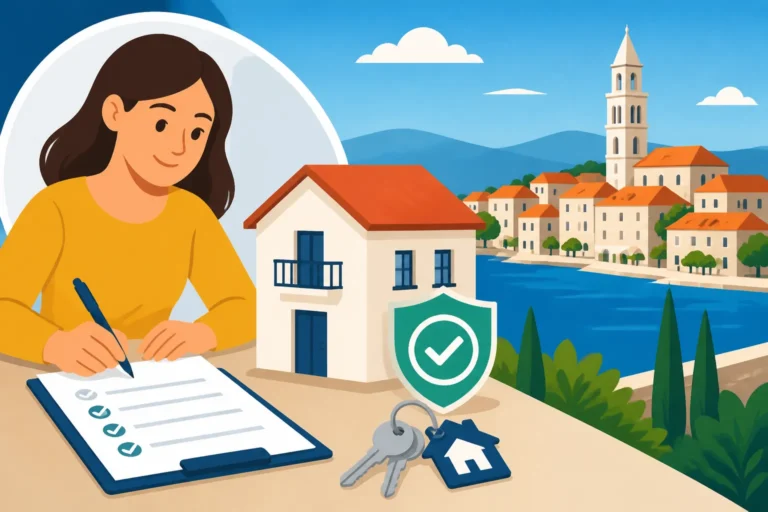
Registering a long-term rental contract with the Croatian Tax Administration protects tenant rights and establishes legal residence.
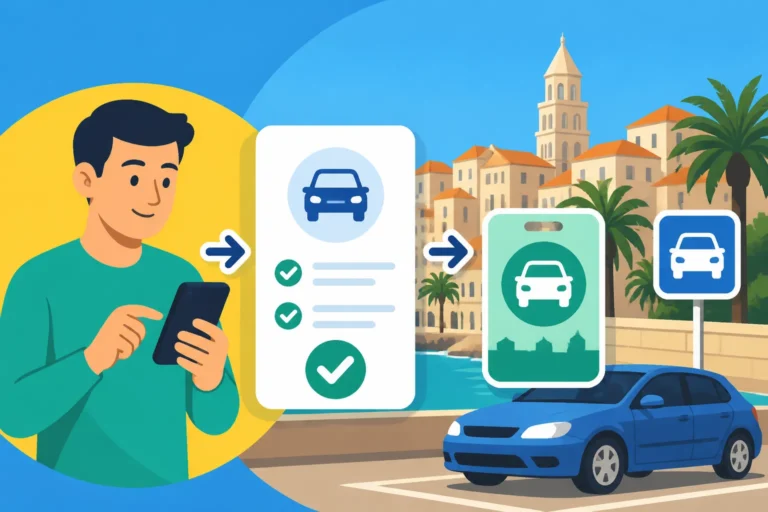
Split residents can learn how to identify parking zones, gather required documents, and secure a municipal parking permit.
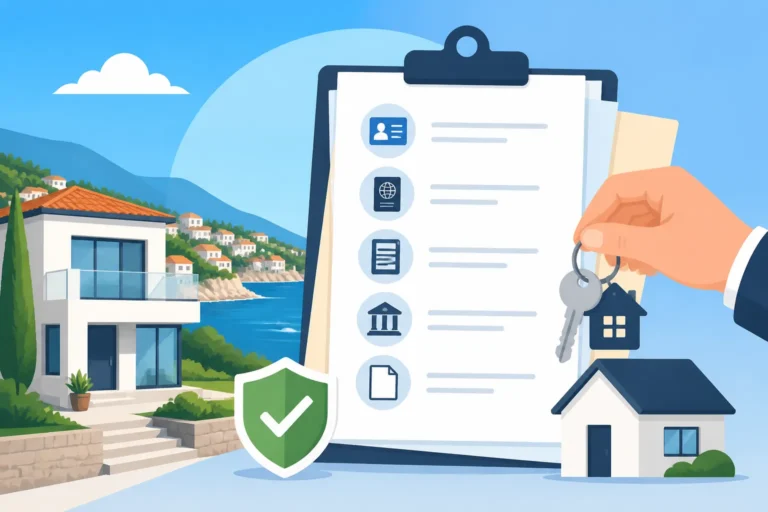
Croatian property purchase documents include the OIB, ownership certificate, cadastral map, occupancy permit, and sales contract.
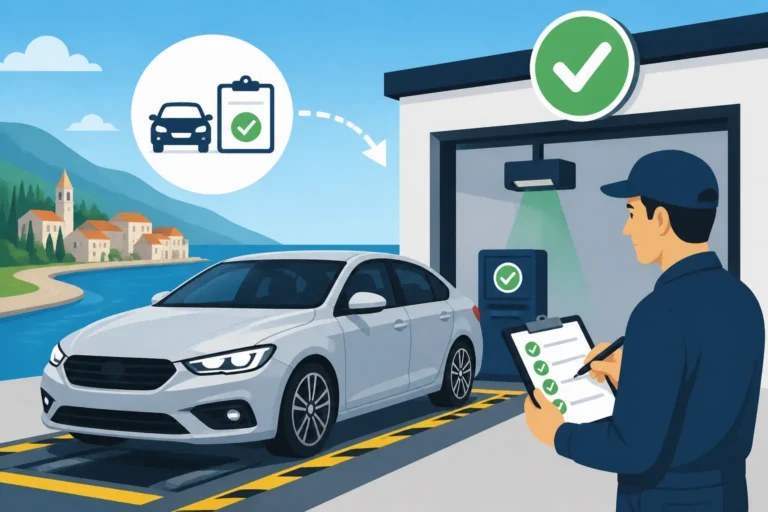
Vehicle inspection explains Croatian rules for registering foreign cars, detailing required paperwork and testing standards.

The Osijek rental market features long term family homes, local platforms like Njuškalo, real estate agents, and required residency paperwork.
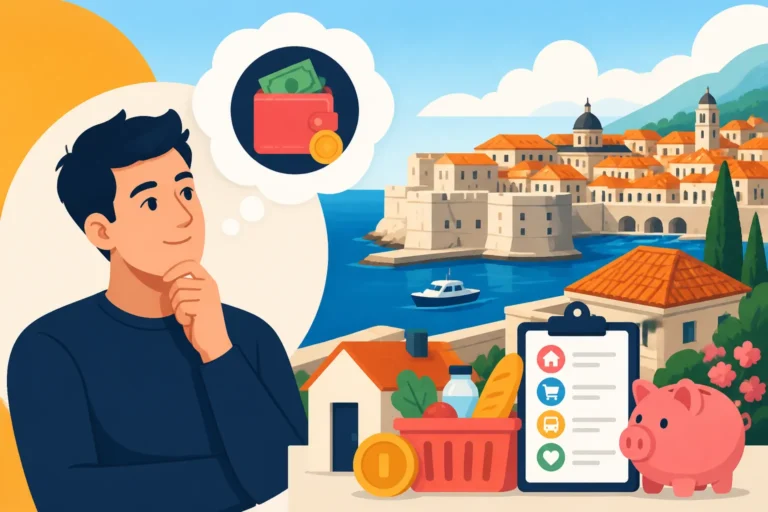
Dubrovnik living costs include rent from 700 to 1,500 euros, monthly utilities up to 250 euros, and daily grocery budgets for expats.
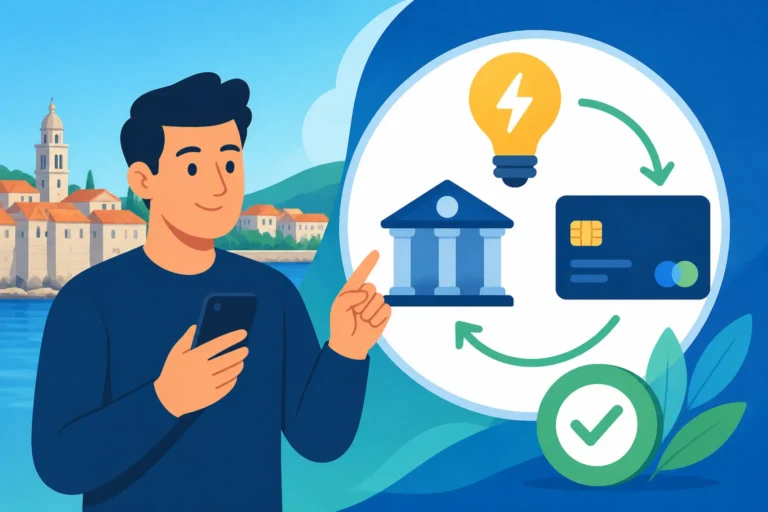
Setting up direct debit for HEP electricity bills involves visiting a Croatian bank with your OIB, account details, and customer number.

Croatian agricultural land purchase rules for EU citizens, state pre-emption rights, and non-EU company options explained.
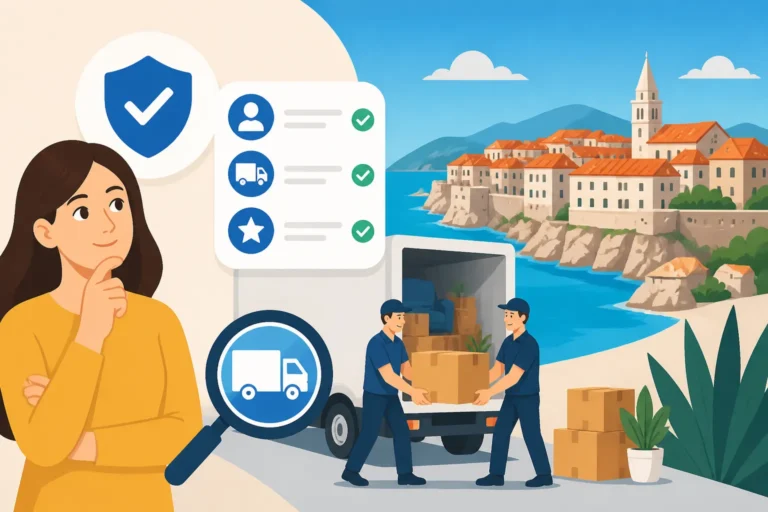
Finding a reliable moving company to Croatia involves navigating customs regulations, complex geography, and evaluating insurance options.
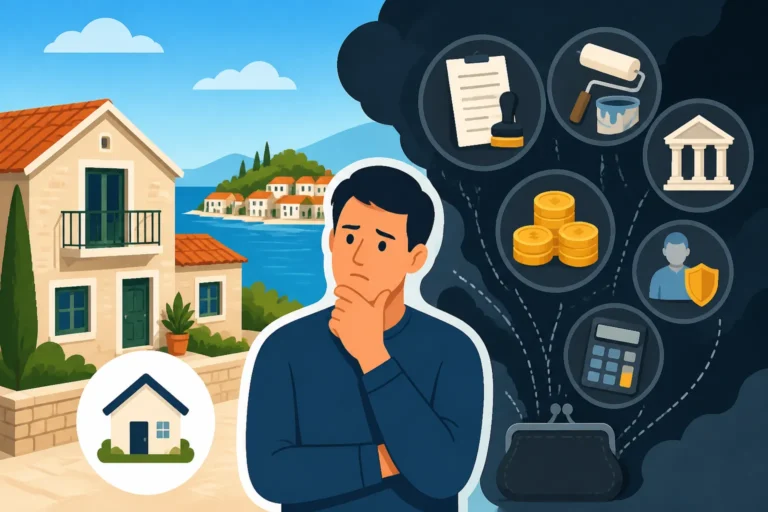
Croatian property purchase costs explain transfer tax, legal fees, agent commissions, notary charges, valuation expenses, and ongoing annual taxes.