How to Renew Your Croatian Residence Card
Navigating the administrative labyrinth of a new country is often one of the biggest hurdles for expats, and nowhere is this more true than when dealing with Croatian bureaucracy. If you're living in Croatia, the clock is perpetually ticking on your residence card, and the thought of renewing it can feel like facing a mythical beast. This comprehensive guide is here to demystify the process of renewing your Croatian residence card, offering you clear, empathetic, and realistic advice based on what we seasoned expats have learned the hard way.
The Inevitable Paperwork Dance: Why Renewing Your Residence Card is Crucial in Croatia
For anyone living in Croatia as an expat, your residence card isn't just a fancy piece of plastic you carry around. It's the physical manifestation of your legal right to be here, and letting it expire can throw your entire life into disarray. Trust me, I've seen the panic in people's eyes when they realize they've let it slide a little too long.
Why Your Residence Card Isn't Just a Piece of Plastic
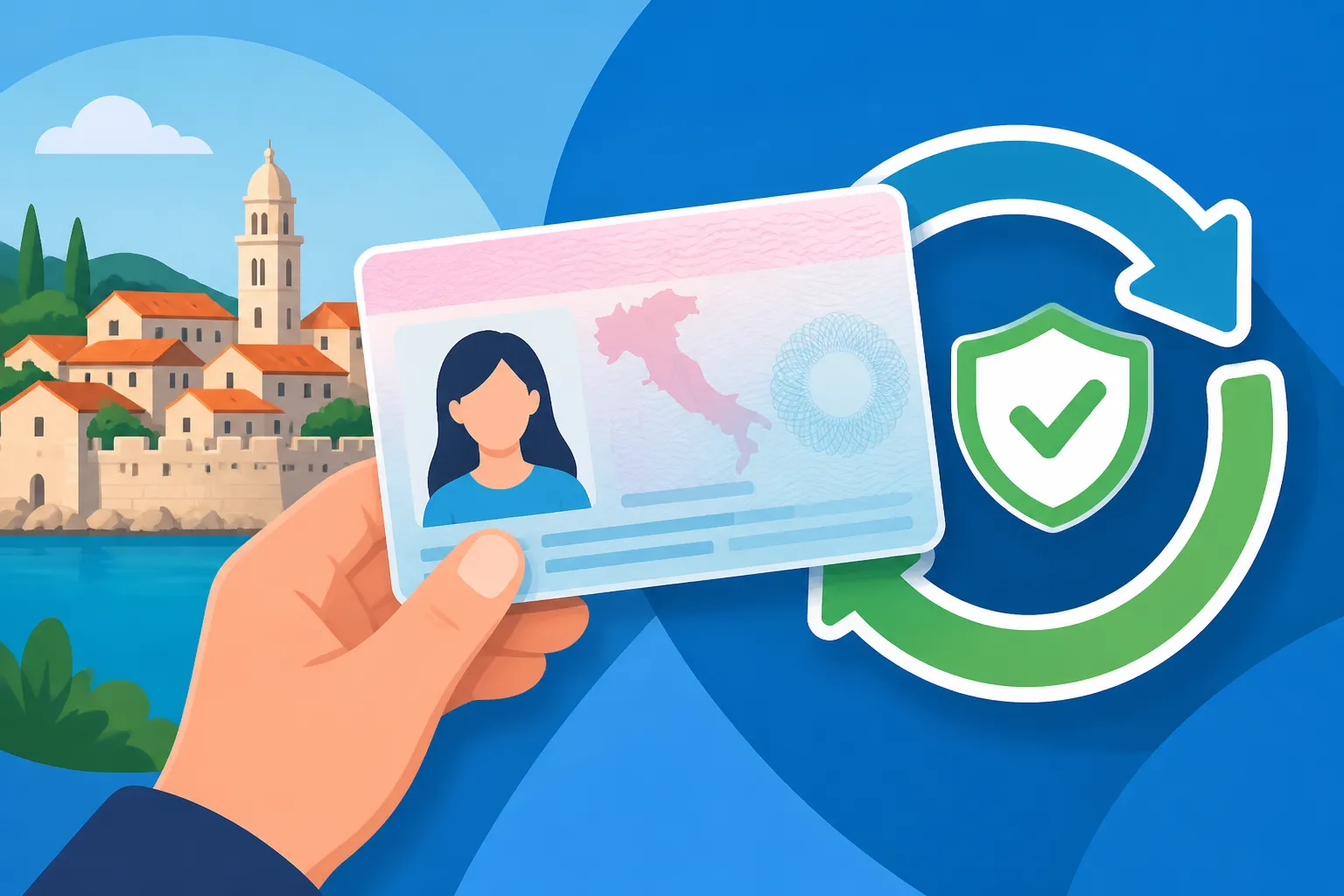
Your Croatian residence card, or boravišna iskaznica, is more than just an ID. It's your key to accessing nearly every aspect of life in this beautiful country. Without a valid one, you might find yourself unable to confirm your identity, use essential services, or even travel freely. Imagine trying to visit the bank, pick up a parcel, or, heaven forbid, access healthcare without valid identification. It's a nightmare. The card is proof of your underlying temporary residence permit (privremeni boravak) or permanent residence permit (stalni boravak). If that permit expires, so does your legal right to reside here, and the card becomes null and void.
The legal implications of an expired card are no joke. You could face hefty fines for overstaying, and in more severe cases, deportation. This isn't meant to scare you, but to impress upon you the absolute necessity of staying on top of your renewal. It’s one of those never-ending cycles of bureaucracy that can be incredibly frustrating, especially when you feel like you've just dealt with it. But trust me, taking it seriously saves a world of pain down the line.
The Different Types of Residence Permits and Their Renewal Cycles
Croatia offers several categories of residence permits, and while the physical card might look similar, the underlying permit and its renewal process can differ significantly. Understanding which type you hold is the first step in preparing for renewal.
Most expats will initially come to Croatia on a privremeni boravak, a temporary residence permit. This can be granted for various reasons: work, study, family reunification, humanitarian reasons, or the increasingly popular digital nomad status. Each of these has its own specific set of conditions and a typical duration, usually one year.
For instance, if you're here on a digital nomad permit, it's generally granted for a maximum of one year. The catch? It's typically not renewable from within Croatia as a digital nomad permit. This means that once your year is up, you're usually expected to leave the country for a period before you can apply for another one, or you need to switch to a different type of temporary residence if you meet those criteria. This is a common point of confusion and frustration for many digital nomads.
Work permits, on the other hand, are tied to your employment contract. If your contract is renewed, your permit can often be renewed, and thus, your residence card. Students will need to prove continued enrollment. Family reunification permits are usually dependent on the status of the main applicant. After five years of continuous legal temporary residence, many expats can apply for stalni boravak, or permanent residence. This is a game-changer because once granted, your right to reside in Croatia is permanent. The residence card for permanent residents still has a validity period (usually five years), but renewing that card is generally a much simpler administrative task, as you're just updating the physical proof of an already established right.
The key takeaway here is to know your permit type and its specific rules. This isn't a one-size-fits-all situation, and the MUP (Ministry of Interior) will hold you to the specific regulations of your permit.
Timing is Everything: When to Start Your Residence Card Renewal Application
One of the most crucial lessons I’ve learned about Croatian bureaucracy is that patience is a virtue, but proactiveness is a superpower. When it comes to renewing your residence card, timing isn't just important—it's absolutely critical.
The Critical 30-Day Window and Why You Shouldn't Wait
Officially, the MUP states that you should submit your application for renewal no earlier than three months and no later than 30 days before your current residence card expires. This 30-day minimum isn't a suggestion; it's a hard deadline. Missing it can lead to serious complications. I've heard stories, and experienced some personal nail-biters, where people cutting it close faced penalties, had to scramble for last-minute flights, or endured agonizing weeks without legal status because of MUP delays.
Why the emphasis on not waiting until the last minute? Croatian administrative processes, while steadily improving, can still be unpredictable. A renewal that takes two weeks for one person might take two months for another, depending on the MUP office, the time of year, or simply the mood of the cosmos. Starting early gives you a buffer against unexpected requests for additional documents, long queues, or processing backlogs. Imagine receiving a request for one more obscure document from your home country with only a week left on your card – it's a stress you absolutely don't need. My advice? Aim to submit your application between 60 to 90 days before your card expires. This gives you ample time to react to any curveballs the MUP might throw your way.
Special Considerations for Different Permit Types
The timing strategy can also be nuanced depending on the type of permit you hold. As mentioned, the digital nomad permit (often called a 'visa' by many, though it's technically a temporary residence permit) is a prime example. While it allows you to reside and work remotely in Croatia for up to one year, the initial permit for digital nomads is typically not directly renewable as another digital nomad permit from within Croatia. If you wish to stay longer, you would generally need to leave Croatia and re-apply from abroad after a certain period, or change your basis for residence (e.g., finding local employment, starting an obrt, or marrying a Croatian citizen). This is a vital distinction, and many people only discover it late in the game. Understanding How to Apply for a Croatian Digital Nomad Permit is crucial even for planning your eventual exit or transition.
For those on work permits, your renewal is intrinsically linked to your employment. If your employment contract is for a fixed term, your residence permit will likely be for the same duration. To renew your residence card, your employer will typically need to provide a new or extended contract, and often go through a labor market test again, unless exempted. This means coordinating with your employer well in advance is paramount.
If you're on a family reunification permit, your status is often dependent on the main applicant's permit. If they renew their work permit, for example, you can usually renew yours in tandem. For permanent residents, the renewal process for the physical card is generally straightforward. Since your right to reside is permanent, you're merely applying for an updated identification document. The required paperwork is less extensive, focusing primarily on identity and continued residence. Still, adhering to the 30-day minimum before expiry is a must to avoid minor administrative headaches.
Gathering Your Arsenal of Documents: What You'll Need for Renewal
Ah, the documents! This is where the real fun begins, or rather, where the real stress often mounts. The MUP has a penchant for documents, and not just any documents – specific ones, sometimes in specific formats. Think of it as preparing for battle; you need your arsenal ready.
The Core Documents: Your Non-Negotiables
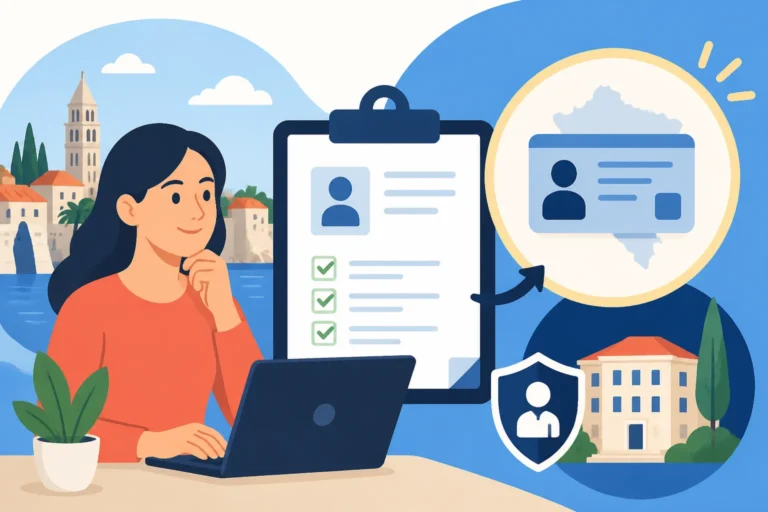
No matter your permit type, there’s a core set of documents you’ll almost certainly need for your residence card renewal. Consider these your absolute essentials:
- Application Form: Usually, it's Obrazac 1a, but always double-check the latest version on the MUP website or with your local MUP office. Fill it out completely and accurately. Any blanks or errors can cause delays.
- Expired Residence Card: You’ll need to present your current boravišna iskaznica that is about to expire. They’ll usually take a copy and return the original, or hold onto it until your new one is issued.
- Valid Passport/Travel Document: Your passport must be valid for at least three months beyond the expiry of the requested residence permit. Always bring the original and a photocopy of all relevant pages (photo page, visa pages, entry stamps).
- Passport-Sized Photos: Typically, two recent photos (usually 35x45mm) are required. They need to be in color, taken against a light background, and meet specific biometric standards (no glasses, neutral expression, etc.). It’s best to get these done professionally at a photo studio in Croatia, as they'll know the exact specifications.
- Proof of Sufficient Funds: This is a big one for many permit types, especially digital nomads or those without direct employment. You'll need to demonstrate you have the financial means to support yourself. This usually means recent bank statements (often from a Croatian bank, but foreign accounts can also be accepted if funds are easily accessible) showing a consistent income or a substantial balance. For digital nomads, this means proving continued income from your foreign employer or clients. The exact amount required can change, but generally, it's roughly twice the Croatian minimum wage for solo applicants, sometimes more. It’s definitely worth checking the latest requirements.
- Proof of Accommodation: A valid rental agreement (ugovor o najmu) registered with the tax administration, a property ownership certificate (vlasnički list) if you own property, or a statement from the person hosting you (izjava stanodavca) are standard. Ensure the address matches your prijava boravišta (registered address) with the MUP. You can learn more about Registering Your Residence Prebivalište at the MUP.
- Travel/Health Insurance: If your permit requires it, you'll need proof of valid health insurance for the entire period of your requested stay. For non-EU/EEA citizens, this often means private health insurance. Companies like Cigna Global offer comprehensive plans tailored for expats. For EU/EEA citizens, your EHIC (European Health Insurance Card) might suffice initially, but for long-term residence, you’ll typically need to register with the Croatian Health Insurance Fund (HZZO) or have robust private coverage. Understanding Health Insurance in Croatia: Mandatory, Supplementary and Private Options Explained is vital here.
- Administrative Fees: These include the upravna pristojba (administrative fee) and the taksa za izdavanje boravišne iskaznice (card issuance fee). The amounts can vary slightly depending on the permit type and whether you need an expedited process. These fees are usually paid via a uplatnica (payment slip) at a bank or post office before your MUP appointment. Make sure you keep the receipt as proof of payment.
Supplementary Documents Specific to Your Permit Category
Beyond the core documents, you'll need additional paperwork tailored to your specific residence permit type. This is where things get granular:
- Work Permit Holders: You'll need your new or extended employment contract (ugovor o radu) from your Croatian employer, proof of continued employment (e.g., a letter from your HR department), and sometimes evidence that your employer has adhered to all relevant labor laws.
- Self-Employed (Obrt Owners): If you're running a paušalni obrt or any other self-employment structure, you'll typically need financial statements (e.g., bank statements showing your business income, proof of paid taxes and contributions), and documentation confirming your continued business activity. These documents prove your obrt is active and financially viable. You might want to refer to Self-Employment in Croatia: The Paušalni Obrt Guide for Foreigners for detailed insights.
- Digital Nomads: Expect to provide bank statements showing continued income from abroad, often at a higher threshold than general temporary residence. You'll also need a renewed statement or contract confirming your remote work status and that your employer/clients are not Croatian entities. As mentioned before, if you are reapplying for a digital nomad permit after the initial one year, you may need to leave the country. However, if you're transitioning to another permit type (e.g., obrt), you'll need the documents for that specific category. Don’t forget that robust health insurance, like Cigna Global, is always a non-negotiable for digital nomads.
- Students: Proof of enrolment (potvrda o upisu) for the upcoming academic year from your educational institution is essential.
- Family Reunification: If you're renewing a permit based on marriage or partnership to a Croatian citizen or another resident, you'll need an updated marriage certificate (vjenčani list) or life partnership certificate, and proof that your spouse/partner's residence status is still valid and they continue to meet financial requirements. For those bringing family members, knowing How to Register Family Members for Health Insurance in Croatia is also important.
- Permanent Residents: The documentation is simpler here. Mostly, it will involve your valid passport, the expiring permanent residence card, new photos, and proof of address. The right to reside is already established, so you're mostly just updating the identification.
Always bring both original documents and good quality photocopies of everything. The MUP officials often want to see the originals and keep the copies for their files. It's a meticulous process, but getting it right the first time can save you multiple frustrating trips.
Navigating the MUP Labyrinth: The Application Process Step-by-Step
Once you've diligently gathered all your documents, the next step is the actual submission. This often involves a visit to the MUP, an experience that can range from surprisingly smooth to utterly bewildering.
The Dreaded MUP Appointment (or Walk-in)
The first hurdle is getting your foot in the door at your local MUP's foreign affairs department (Upravni poslovi za strance). In larger cities like Zagreb, Split, or Rijeka, you might be able to book an appointment online through the e-Građani system, or by phone. However, in many smaller towns, it might still be a walk-in system, which can mean arriving before opening hours to join a queue. Always check the specific procedures for your MUP office beforehand. The process for How to Book an Appointment at the MUP for Immigration Matters can vary, so local inquiry is key.
Once you’re there, be prepared for a wait. Croatian administrative offices are rarely known for their lightning speed. Bring a book, your phone, or better yet, a Croatian friend if your language skills aren't up to par. The language barrier can be significant; while some MUP officials might speak English, it's not guaranteed. Having someone who can translate for you can make a world of difference, preventing misunderstandings and ensuring you provide exactly what's asked. My personal experiences, and those of countless fellow expats, confirm that patience (strpljenje) is indeed a virtue in these situations. Take a deep breath, smile, and remember that getting frustrated won't speed anything up.
The Application Submission and Biometrics
When your number is finally called, you'll present your stack of documents to the MUP official. They will meticulously go through each one, checking for completeness and validity. This is where having all your originals and copies ready pays off. They might ask clarifying questions, and this is where a translator or a basic grasp of Croatian legal terms comes in handy.
Once the documents are accepted (or if they request additional ones, which is always a possibility!), you'll proceed to the biometrics stage. This involves having your fingerprints taken and sometimes a digital photo if you haven't brought suitable physical ones. They will typically capture images of all your fingers. This is a standard security procedure for modern residence cards.
Regarding fees, as mentioned earlier, the upravna pristojba and taksa za izdavanje boravišne iskaznice are usually paid via uplatnica. You'll fill out the payment slip with the correct details (account number of the MUP, reference numbers, and the exact amount), take it to a bank or post office, pay, and then bring the stamped receipt back to the MUP. Some larger MUP offices might have a POS terminal allowing direct card payments for some fees, but it's generally safer and quicker to pre-pay at the post office or bank.
The Waiting Game and Temporary Solutions
After submitting everything, you enter the dreaded waiting game. Processing times can vary wildly – from a couple of weeks to a couple of months, sometimes even longer during peak seasons. The MUP might send you an SMS when your card is ready, or you might need to check the status online or by calling.
A critical point: what happens if your previous card expires while you're waiting for the new one? The MUP will typically issue you a potvrda (confirmation) that your application is pending. This document acts as temporary proof of your legal status. It’s absolutely essential to carry this potvrda with you, especially if you need to travel within Croatia or deal with other administrative tasks. However, be aware that while a potvrda is sufficient for legal residence within Croatia, it usually does not allow you to travel outside Croatia and re-enter, especially within the Schengen Area. If you need to travel internationally during this waiting period, it's best to consult with the MUP directly to understand your options, as leaving Croatia might effectively cancel your pending application if you're not careful.
Finally, Card in Hand: What to Do After Approval
The notification that your new residence card is ready for pick-up is a small victory dance moment for any expat in Croatia. But the process isn't quite over yet. There are still a few crucial steps to ensure your life runs smoothly.
Picking Up Your New Residence Card
Typically, you'll be notified that your card is ready via SMS to the phone number you provided on your application, or sometimes by mail. In some cases, you might just need to keep checking the online status or call the MUP directly. Once you receive the notification, you’ll head back to the MUP office, usually to a designated pick-up window, to collect your shiny new boravišna iskaznica.
When you go to pick it up, you'll generally need to present your old, expired residence card (if you still have it, or the potvrda you were given) and your passport. The official will verify your identity and hand over your new card.
Immediately upon receiving it, examine every detail on the card. Check your name, date of birth, photo, OIB (personal identification number), and especially the validity dates. Mistakes can happen, and it's far easier to rectify them on the spot than to discover an error months down the line when you're trying to travel or open a bank account.
Updating Other Records (The Ripple Effect)
Getting your new card is fantastic, but it's just one piece of the administrative puzzle. Your new card (and associated permit) needs to be reflected in various other official and personal records. This is what I call the "ripple effect" of Croatian bureaucracy – one change necessitates many others.
- Bank: Your bank will have your old residence card details on file. You absolutely need to visit your bank (Zagrebačka Banka, PBZ, Erste, OTP, etc.) with your new card and update your identification. Failing to do so can lead to issues with your account, especially if they perform periodic checks or if you need to perform certain transactions. Imagine your account getting frozen because your ID is expired in their system – not fun! You might have initially learned How to Open a Bank Account at a Croatian Bank as a Foreigner with your old card, so updating is key.
- HZZO (Health Insurance): If you are registered with the Croatian Health Insurance Fund (HZZO), especially if your health insurance was tied to your previous temporary residence permit, it’s vital to inform them of your renewed status and provide details of your new card. While your OIB (personal identification number) remains the same, your residence status is crucial for your health insurance validity. This ensures your medical records are up-to-date and you continue to have seamless access to healthcare. This directly impacts How the Croatian Health Insurance Fund (HZZO) Works: A Full Overview.
- Employer/Obrt: If you are employed by a Croatian company, inform your HR department immediately. They need your updated residence permit details for their records and to ensure compliance with labor laws. If you run an obrt, make sure all your business records reflect your current residence card information, especially for any official correspondence or banking.
- Other Administrative Bodies: Depending on your situation, you might need to update your details with other agencies. This could include educational institutions if you're a student, or specific ministries if you hold any other specialized permits or licenses. If you've shipped your belongings to Croatia with services like Sirelo, make sure all your identification documents are current to avoid any customs issues down the line.
While it might seem like a lot of extra running around, updating these records promptly will save you a lot of grief and potential problems in the long run. It's all part of making your expat life in Croatia as smooth as possible.
Common Pitfalls and How to Avoid Them
Even with the best intentions, the residence card renewal process in Croatia can present its fair share of challenges. Having personally navigated these waters, and seen countless others do the same, I can tell you there are common pitfalls that trip up even the most organized expats. Let's talk about them so you can steer clear.
The Language Barrier and Croatian Bureaucracy
This is perhaps the biggest and most pervasive challenge. Croatian administrative offices are primarily run in Croatian. While younger officials or those in major tourist hubs might have some English proficiency, you cannot rely on it. This language barrier, combined with the often-rigid nature of Croatian bureaucracy, can be incredibly frustrating. The rules can sometimes seem arbitrary, and the "computer says no" mentality is real.
Tips to avoid this pitfall:
- Bring a Croatian Speaker: This is truly the golden rule. If you have a trusted Croatian friend, colleague, or even a professional translator, ask them to accompany you. Their presence can not only bridge the language gap but also help navigate unspoken cultural nuances of official interactions.
- Learn Basic Phrases: Even a few polite phrases like "Dobar dan" (Good day), "Molim" (Please), "Hvala" (Thank you), and "Ne razumijem" (I don't understand) can go a long way. Showing effort is often appreciated.
- Write Down Key Info: Have all your essential information (OIB, passport number, address, contact details) written down clearly. If you have questions or need to explain something, try writing it out in simple terms.
- Practice Strpljenje (Patience): I can't stress this enough. Getting visibly frustrated or angry will rarely yield positive results. A calm, polite, and patient demeanor, even when you're tearing your hair out internally, is your best bet.
Expired Documents and Missing Information
It sounds obvious, but you would be surprised how many times people show up at the MUP with a document that's slightly out of date, or missing one seemingly minor piece of information. The MUP officials are sticklers for detail, and one missing stamp, one unsigned line, or one photo that doesn't meet the exact specifications can mean being sent away and having to come back another day. This is the notorious "just one more document" phenomenon that plagues expats everywhere.
Tips to avoid this pitfall:
- Create a Checklist: Before you even think about leaving your house, make a detailed checklist based on the MUP's official requirements and this guide. Tick off each item as you gather it.
- Verify Expiry Dates: Double-check the expiry dates of all your documents, especially your passport and any certificates.
- Originals AND Copies: Always bring the original of every document, along with at least one, preferably two, high-quality photocopies. This includes your passport, marriage certificate, birth certificate, rental agreement, etc.
- Follow Photo Specs Exactly: Don't try to use an old photo. Get new biometric passport photos taken at a reputable photo studio in Croatia. They know the dimensions and background requirements.
- Fill Forms Completely and Legibly: Read the application form instructions carefully. Fill it out clearly, preferably typed, or in neat block capitals if handwritten. Don't leave any blanks unless explicitly told to.
What Happens If Your Application is Rejected or You Miss the Deadline?
This is the scenario everyone wants to avoid. If your application is rejected, or if you miss the critical 30-day submission deadline, the consequences can range from inconvenient to severe.
- Missing the Deadline: If you apply after your current card has expired, or within the 30-day window but for some reason, your permit isn't extended before expiry, you are technically in Croatia without valid residence. This can lead to fines for overstaying your legal period and potentially an order to leave the country. In the worst cases, it could impact your ability to apply for future residence permits in Croatia or even other Schengen countries.
- Application Rejection: An application can be rejected for various reasons – insufficient funds, incorrect documentation, a change in your circumstances that no longer meets the permit criteria, or even criminal background issues. If rejected, you will receive a formal decision. You typically have a right to appeal this decision within a certain timeframe, usually 15 days from receipt. The appeal process involves submitting a written appeal (in Croatian) to the same MUP office that issued the rejection, explaining why you believe the decision should be overturned and providing any additional evidence.
- Deportation/Having to Leave: In serious cases, or if an appeal fails, you might be required to leave Croatia. For non-EU citizens, this often means returning to your home country and potentially facing a ban from re-entering the Schengen Area for a period.
Proactive steps to prevent this:
- Start Early: As hammered home before, apply as early as possible within the 3-month window.
- Consult Experts: If your case is complex or you're unsure, consider consulting an immigration lawyer or a relocation agency. While it costs money, the peace of mind and prevention of costly errors can be invaluable.
- Maintain Records: Keep meticulous records of all your interactions with the MUP, including dates, names of officials (if possible), and copies of all submitted documents.
Moving Your Life On: Considering a Permanent Stay
For many expats, Croatia isn't just a temporary stop; it becomes home. As you repeatedly renew your temporary residence, the thought of a more stable, permanent status naturally comes to mind.
The Path from Temporary to Permanent Residence
After five continuous years of legal temporary residence in Croatia, many non-EU/EEA citizens become eligible to apply for stalni boravak, or permanent residence. This is a significant milestone, granting you many of the same rights as Croatian citizens, with the exception of voting in national elections and holding public office. The key word here is "continuous" – generally, you cannot have been absent from Croatia for more than a cumulative 10 months during those five years, and no single absence can exceed six months.
The application process for permanent residence is more rigorous than a temporary renewal. It typically involves demonstrating stable financial means, suitable accommodation, and often, a basic understanding of Croatian language and culture. The benefits are immense: no more annual permit renewals, greater freedom to live and work, and easier access to social services. For those nearing this five-year mark, you'll definitely want to dive deep into the specific requirements by reading up on Permanent Residence in Croatia: The Complete Pathway (2027). It's a journey worth embarking on for long-term stability.
Professional Help: Is It Worth It?
Let's be honest, navigating Croatian immigration laws can be a headache, even for those with a good grasp of the language and local customs. The rules change, the interpretation can vary, and the sheer volume of paperwork can be overwhelming. So, is professional help worth the investment?
For many, yes, absolutely.
- Complex Cases: If your situation isn't straightforward (e.g., unusual employment, complex family reunification, previous visa issues), an immigration lawyer can be invaluable. They specialize in these nuances and can often spot potential problems before they arise.
- Time-Saving: If you're busy with work, family, or simply don't have the patience for endless MUP visits, a good lawyer or relocation agency can handle much of the legwork for you. They know the procedures, the right forms, and often, the right people to speak with.
- Peace of Mind: Knowing that an expert is overseeing your application can significantly reduce stress and the risk of costly errors. They can ensure all documents are correct, translated properly, and submitted on time.
Companies like Sirelo, while primarily known for moving services, also connect expats with local relocation experts who can assist with various administrative tasks, including residence permit applications. While hiring help adds to your expenses, weigh it against the potential costs of rejection, fines, or lost time. For many, the investment in professional guidance, especially for initial applications or permanent residence, is a worthwhile one.
Summary of Key Documents and Fees for Residence Card Renewal
To help you keep track, here's a quick overview of the typical documents and fees involved in renewing your Croatian residence card. Remember, this is a general guide, and specific requirements can vary, so always confirm with your local MUP.
| Category | Document/Fee | Notes |
|---|---|---|
| Core Documents | Application Form (Obrazac 1a) | Filled out completely and legibly. |
| Expiring Residence Card | Original and photocopy. | |
| Valid Passport/Travel Document | Original and photocopy of relevant pages; validity 3+ months beyond new permit. | |
| Passport-sized Photos (35x45mm) | Two recent, biometric photos (color, light background). | |
| Proof of Sufficient Funds | Bank statements (Croatian or foreign) showing required income/balance. Amount varies by permit type. | |
| Proof of Accommodation | Rental agreement, vlasnički list, or izjava stanodavca. | |
| Health Insurance | Proof of valid coverage for the entire period of stay (e.g., HZZO registration, private insurance like Cigna Global, EHIC). | |
| Criminal Background Check (if requested) | If applying for a change of status or after a long absence, often required. Must be apostilled/legalized and translated. | |
| Fees | Upravna Pristojba (Administrative Fee) | Varies by permit type, paid via uplatnica. |
| Taksa za izdavanje boravišne iskaznice (Card Issuance Fee) | Standard fee for the physical card, paid via uplatnica. | |
| Specific Docs | Work Permit | New/extended employment contract, employer letter. |
| Self-Employment (Obrt) | Financial statements, proof of continued business activity. | |
| Digital Nomad | Bank statements, renewed remote work contract/statement (note: direct renewal of DNP often not possible from within Croatia). | |
| Student | Proof of enrolment for new academic year. | |
| Family Reunification | Updated marriage/partnership certificate, proof of main applicant's valid status. | |
| Permanent Residence | Less extensive, mainly core documents and proof of continuous residence. | |
| General Advice | Translation & Legalization | All foreign documents must be officially translated into Croatian and often apostilled/legalized. |
| Bring Originals & Copies | Always bring both. |
Disclaimer
The information provided in this guide is intended for general informational purposes only and does not constitute legal advice. While we strive to keep the information up-to-date and accurate, Croatian immigration laws and procedures can change frequently. Always consult the official MUP (Ministry of Interior) website, your local MUP office, or a qualified immigration lawyer for the most current and specific advice pertaining to your individual situation. Reliance on any information in this guide is solely at your own risk.