How Do I Sponsor My Parents to Live in Croatia?
Many of us expats, once settled into the rhythm of Croatian life, inevitably face the heartfelt desire to bring our parents closer, especially as they get older. The bureaucratic maze to sponsor parents to live here can feel overwhelming, a truly daunting task riddled with specific requirements and emotional weight. This guide is designed to cut through the confusion, offering a clear, step-by-step roadmap and realistic insights into what it takes to navigate the Croatian immigration system to reunite with your beloved parents.
Understanding the Legal Framework for Family Reunification in Croatia
Okay, let's dive straight into the heart of the matter: the legal framework. Croatia, as an EU member state, operates under specific directives when it comes to family reunification. While these directives generally prioritize spouses and minor children, bringing over adult parents, especially if they are non-EU citizens, often falls into a more complex category. It's not impossible, but it demands meticulous preparation and a deep understanding of what the Croatian authorities expect. This is where your emotional desire meets the administrative reality, and it's vital to know the rules of the game from the outset. For a broader overview of connecting with loved ones, you might find more general information in the Family Reunification in Croatia: A Complete Guide for Expats.
Eligibility Criteria for the Sponsor and Parents
So, who can actually do the sponsoring? Your own residence status in Croatia is the bedrock of this entire process. If you are an EU/EEA citizen who has registered your long-term residence in Croatia, or if you are a non-EU citizen holding a permanent residence permit (stalni boravak) or long-term residence (dugotrajni boravak), your position as a sponsor is generally stronger. This signifies a stable and recognized presence in Croatia, which makes the MUP (Ministarstvo Unutarnjih Poslova – Ministry of Interior) more confident in your capacity to support others.
However, if you are currently on a temporary residence permit (privremeni boravak), say, as a digital nomad, a student, or on a work permit, sponsoring parents can be significantly more challenging. While temporary permits typically allow for the reunification of immediate family members like spouses and minor children, extending this to adult parents usually requires proving an extraordinary level of dependency. This isn't about mere preference or the convenience of having them nearby; it's about demonstrating their absolute need for your care and financial support because they cannot sustain themselves in their home country. The MUP will scrutinize your application with great detail to prevent any potential burden on the Croatian social system.
The core concept revolves around proving dependency. For parents, this goes far beyond an emotional bond; it's about concrete, demonstrable financial and often physical reliance. The Croatian government seeks clear evidence that your parents are genuinely unable to live independently in their home country. This could be due to severe health issues, a lack of sufficient personal income or pension, or an absence of other family members in their country who could provide care. You will need to supply robust documentation to support this claim, such as extensive medical certificates detailing chronic conditions, official statements from social services if applicable, or comprehensive financial records illustrating their dependence on your regular financial transfers. This criterion is stringent, and many expats are often surprised by the depth of proof required. It's not enough to simply want your parents here; you must prove they need to be here.
Required Documentation Overview
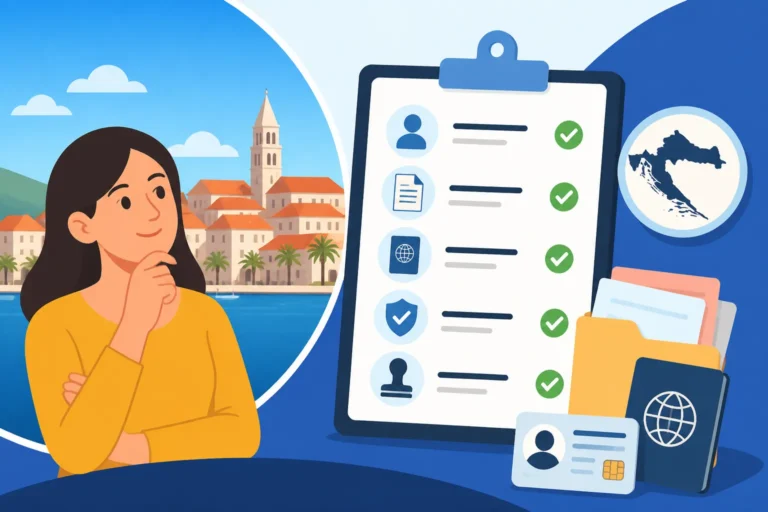
Ah, the paperwork. If you've lived in Croatia for any length of time, you're already familiar with the administrative appetite for documents, and family reunification for parents is no exception. This will be a substantial pile of papers for both you (the sponsor) and your parents. For your part, you'll need proof of your secure residence status in Croatia, definitive evidence of a stable and substantial income (which we’ll elaborate on next), proof of adequate accommodation that can comfortably house your parents, and, naturally, your OIB, which is your personal identification number crucial for all official matters. If you haven't sorted this out yet, understanding How to Get Your OIB and Why It Matters for Healthcare Access is a must.
For your parents, the list is equally demanding. Expect to provide their original passports, birth certificates, and marriage certificates (if applicable). Every single one of these documents will need to be apostilled in their country of origin and then officially translated into Croatian by a sworn court interpreter. But the most critical piece of the puzzle will be the comprehensive documentation proving their dependency on you. This could mean a detailed collection of medical records from their home country outlining any chronic illnesses or disabilities, formal doctor's statements confirming their need for continuous care that you must provide, and meticulous financial statements. These financial documents should clearly show their pension or other income (or lack thereof) and, crucially, a consistent history of your financial transfers to them over a significant period. Sometimes, even affidavits from other family members in their home country, stating their inability to provide care, might be requested. It’s a truly exhaustive list, and the golden rule here is perfection: every document must be accurate, complete, and correctly certified and translated to avoid frustrating delays. This initial document gathering is often the most time-consuming part of the whole application, so preparing these correctly before you even set foot in the MUP is a game-changer.
The Concept of "Sufficient Means of Support"
This isn’t just a nice-to-have; it's a make-or-break requirement. The MUP needs absolute certainty that your parents will not become a financial burden on the Croatian state. This translates into you, as the sponsor, having to demonstrate a consistently stable income that isn't just adequate, but significantly exceeds what a single individual might need to live on in Croatia. You're effectively proving you can comfortably support additional dependents after all your own expenses are covered. The exact amount isn't always a fixed, published figure, but it’s always considerably higher than the basic minimum wage or average income.
To prove this, the authorities will rigorously examine your bank statements, your employment contract (if you’re employed), or your tax returns and business records (if you're self-employed, perhaps running a paušalni obrt). They need to see a reliable income stream that can cover their living expenses, their potentially significant healthcare costs, and any unforeseen circumstances. For instance, if the average monthly cost of living for one person is X, they will expect you to have X plus a substantial, demonstrable buffer for each parent. If your income is irregular, or if you're merely scraping by yourself, the MUP will likely view your application unfavorably. This requirement acts as a vital safeguard for the state, ensuring that those granted residence can live with dignity and without reliance on public funds. Therefore, meticulous financial planning and a robust, well-documented income are absolutely critical for a successful application. This is a substantial, long-term financial commitment, and it needs to be approached with seriousness and thorough preparation.
Navigating the Application Process: Step-by-Step for Sponsoring Parents
Once you've done your homework, amassed your documents, and feel confident you meet the stringent eligibility criteria, it's time to actually set the wheels in motion. This stage is less about what you need and more about how you navigate the Croatian administrative labyrinth.
Initiating the Application: Where and How
For family reunification for parents, the application usually begins at the local police station (MUP) in your place of residence here in Croatia. While some visa applications can be initiated at Croatian embassies or consulates abroad, for family reunification based on a sponsor already residing in Croatia, the MUP here is typically your first point of contact. This means you will need to schedule an appointment – and let me tell you, getting one can sometimes feel like winning the lottery, especially in busier cities like Zagreb or Split. Always call your local MUP or check their specific website for the most up-to-date procedures, opening hours, and appointment booking methods.
When you attend your MUP appointment, prepare to bring absolutely everything: all original documents, several copies of each, every translation, and every apostille. Croatian bureaucracy often operates on the principle of "better safe than sorry" when it comes to documentation. You should anticipate that officials might request additional documents on the spot, or ask for clarification on existing ones. It’s part of the process, designed to ensure thoroughness. Maintain your patience and politeness; the officials are just doing their jobs. If your Croatian isn't perfectly fluent, which is understandable, it’s highly advisable to bring a Croatian-speaking friend, or better yet, hire a professional translator. Legal and administrative jargon can be incredibly nuanced, and a misunderstanding could cause unnecessary delays or complications. This initial submission is the foundation of your entire application, so accuracy and completeness here are paramount to avoid going back and forth, wasting precious time and energy. For detailed advice on document preparation, check out How to Prepare Documents for a Croatian Residence Application.
The Role of the MUP (Ministry of Interior)
The MUP acts as the ultimate gatekeeper in this process. Their task is to thoroughly review your application, cross-referencing every single detail and piece of evidence you’ve supplied. Their primary focus will be on validating your legal residence status, confirming your robust financial capacity to support your parents, and, most critically, verifying the genuine dependency of your parents on you. Don't be surprised if they take extensive measures: they might conduct interviews with you and potentially your parents (if they are in Croatia), request additional and often very specific documentation, or, in some rare cases, even perform a home visit to assess your living situation.
Their decision will be strictly based on Croatian law and the weight of the evidence you present. They are not looking to deny your application out of malice, but they are absolutely mandated to protect the state from any potential financial burden. Proving dependency, especially for parents who might have some form of pension or assets in their home country, can be an uphill battle. The MUP needs to be convinced that you are not merely a convenient choice, but the only viable option for their care, well-being, and support. This could involve demonstrating that other adult children are genuinely unable to provide care, or that the cost of necessary care in their home country is prohibitively expensive compared to the support you are offering in Croatia. This is not a simple tick-box exercise; it's a rigorous and comprehensive examination of both your circumstances and your parents' profound needs.
Waiting Periods and Biometrics
Once your application is finally submitted and you've navigated the initial MUP hurdles, the infamous waiting game truly begins. The processing times for family reunification applications can vary considerably, influenced by the specific MUP office you're dealing with, the inherent complexity of your unique case, and the current workload of the immigration department. It could span from a few weeks to several months, so managing your expectations is key. During this period, while it's tempting to call constantly for updates, it rarely accelerates the process and can occasionally be counterproductive. Patience, as they say, is a virtue, especially in Croatian bureaucracy. You will eventually receive official notification, typically by mail, instructing your parents to provide their biometrics – fingerprints and a digital photograph – which is a standard procedure for anyone receiving a Croatian residence card (boravišna iskaznica). This critical step usually occurs after the initial approval of their temporary residence has been granted. For more details on the residence card itself, see How Do I Get a Biometric Residence Card (Boravišna Iskaznica) in Croatia?.
It is absolutely crucial to anticipate and prepare for these potentially lengthy waiting periods. Communication from the MUP can sometimes be sparse, so ensure that the contact number and mailing address you provided are accurate and consistently monitored for official correspondence. A critical point: if your parents happen to be in Croatia on a tourist visa (or under the 90/180-day visa-free limit for certain nationalities) while their application is pending, they must depart the Schengen area before their authorized stay expires. Overstaying is a serious violation and can severely jeopardize not only their current application but also any future attempts to enter or reside in Croatia or the broader Schengen zone. This is why many families wisely choose for parents to remain in their home country during the application process, thereby avoiding any potential complications with overstaying. When facing a complex international move, particularly one involving older relatives, services like Sirelo can be incredibly helpful. They specialize in simplifying the logistics of international relocations, assisting with everything from packing and shipping to customs, which can alleviate a significant amount of organizational stress, allowing you to concentrate on the crucial bureaucratic and emotional aspects of the move.
Essential Considerations and Potential Hurdles for Parents' Residence
Getting the residence permit is a monumental step, but it's really just the beginning. Bringing your parents to a new country demands comprehensive planning for their entire well-being, far beyond just the immigration paperwork. This involves deep dives into finances, healthcare, and social integration.
Healthcare: A Major Concern for Older Relatives
This is, without a doubt, one of the most significant hurdles and sources of anxiety for anyone sponsoring older parents in Croatia. Once your parents secure their temporary residence, they will be legally required to have health insurance. However, if they are not employed in Croatia (which is highly likely for retired parents), they generally cannot simply enroll directly into the HZZO (Croatian Health Insurance Fund) public system in the same way an employee would. Even if there were a pathway, the public system, while providing essential care, often comes with waiting lists for specialists and requires co-payments (Understanding Participacija Co-Payments in the Croatian Health System). Understanding the full scope of Croatian healthcare is vital, so consulting The Complete Guide to Healthcare in Croatia for Expats (2027) and How the Croatian Health Insurance Fund (HZZO) Works: A Full Overview is highly recommended.
For non-EU citizen parents, comprehensive private health insurance is typically mandatory and will be a requirement for their residence permit. This is where investing in a robust plan from an international provider, such as Cigna Global, becomes not just advisable but absolutely essential. You'll need a policy that goes beyond basic emergency coverage, ideally including pre-existing conditions (if declared and accepted), regular specialist visits, prescription medications, and potentially even long-term care options. This represents a significant and ongoing monthly financial commitment, which you must factor meticulously into your "sufficient means of support" calculations. For EU citizens, their existing EHIC (European Health Insurance Card) can offer initial coverage, but after establishing residence, they would typically need to transfer their healthcare rights and register with HZZO as a pensioner if eligible under EU regulations. However, for non-EU parents, a comprehensive private health insurance plan is the cornerstone of ensuring access to timely medical care and securing your own peace of mind. Seriously, do not cut corners here; it’s an indispensable investment in their health and your overall well-being. More on this can be found in Understanding Private Health Insurance Plans in Croatia.
Financial Stability and Long-Term Planning
Beyond the immediate financial requirements for the MUP application, maintaining long-term financial stability for your parents' stay is a continuous and critical responsibility. While Croatia offers a wonderful lifestyle, it's essential to be realistic about the cost of living. You need to budget not just for accommodation and utilities, but also for groceries, local transportation, personal care items, leisure activities, and potential unforeseen expenses. Will your parents be able to access their pensions or any other income from abroad seamlessly? What are the tax implications of them receiving foreign pensions or assets while residing in Croatia? These are complex questions that warrant a consultation with a financial advisor specializing in Croatian tax laws for expats. A good starting point for understanding these costs is The Complete Guide to Cost of Living in Croatia for Expats (2026).
It’s crucial to consider the escalating costs that often come with aging. As parents get older, their healthcare needs might intensify, potentially requiring more frequent doctor visits, specialized medical care, or even home assistance. The public healthcare system, even if accessible, might not cover all these eventualities, especially for non-EU citizens. Therefore, establishing a substantial emergency fund is not merely a wise suggestion; it is an absolute necessity. Bringing your parents to Croatia is a profound financial commitment on your part, requiring not just initial capital but robust, ongoing planning to ensure their comfort and security for the foreseeable future. This isn’t a short-term arrangement; it's about providing a sustainable, dignified life for them.
Language, Culture, and Social Integration
While the administrative and financial aspects are undeniably daunting, the human element of integrating into a new culture is just as profoundly important, perhaps even more so for older individuals. Your parents, particularly if they are senior citizens, may face a significant language barrier. Croatian is a complex Slavic language, and learning it later in life can be a considerable challenge. This language barrier can profoundly impact their ability to navigate daily life independently, from simple tasks like shopping at the local market to communicating with neighbours or accessing various services. How will they manage getting around if public transport instructions are only in Croatian? How will they form new friendships without a common language?
You also need to thoughtfully consider their social life and overall well-being. Will they have meaningful opportunities to connect with people their age? Are there local expat communities, clubs, or activities in your area that cater to seniors, especially those who may not speak Croatian? While you will undoubtedly be their primary support and social contact, they will need independent social connections and activities to truly thrive and feel at home. Exploring options like local expat groups, community centers (though domovi umirovljenika are primarily for Croatian citizens or permanent residents), or even online forums can be beneficial. Finding How to Find an English-Speaking Doctor in Croatia, for instance, can be a crucial first step in building a support network. The physical act of moving itself, especially for older individuals, can be an immense source of stress and disruption. This is where services like Sirelo, which specialize in international relocations, can play a vital role. They can meticulously plan and manage the logistics of the move, from expert packing and secure shipping of personal belongings (which often carry immense sentimental value for seniors) to navigating customs, ensuring a smoother and less traumatic transition for your parents. A well-organized physical move can significantly reduce the emotional burden and allow them to settle into their new life with greater ease.
Ultimately, bringing your parents to live in Croatia is a monumental and deeply personal decision, one that demands not only immense love and unwavering commitment but also rigorous planning, substantial financial resources, and an almost superhuman level of patience for the inevitable bureaucratic process. It is a true journey, fraught with challenges but also rich with the promise of family closeness. This guide aims to illuminate that path, however challenging it may seem, and empower you with the knowledge to make it a reality.
Disclaimer
Please note that the information provided in this guide is for general informational purposes only and does not constitute legal, financial, or medical advice. Immigration laws, healthcare regulations, and tax policies in Croatia can be complex and are subject to change. It is strongly recommended to consult with official government sources, legal professionals specializing in Croatian immigration, certified financial advisors, and healthcare experts for advice tailored to your specific situation before making any decisions.