How Do I Set Up Direct Debit for HEP Electricity Bills?
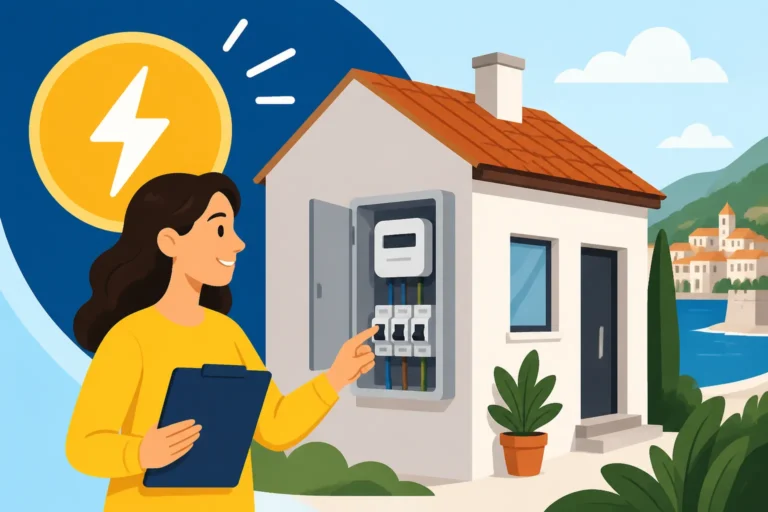
Ah, the Croatian utility bill. For many of us expats, it’s one of those initial administrative hurdles that feels like climbing Mount Everest without appropriate gear. You’ve just managed to get your internet sorted, maybe even found a decent coffee machine, and then BAM! A paper bill from HEP – Hrvatska elektroprivreda – lands in your mailbox, often without a clear English translation. You stare at the payment slip, wondering where to go, what numbers mean what, and how to avoid late fees. Trust me, I’ve been there. This guide is going to walk you through one of the simplest, most stress-free ways to handle your electricity payments: setting up a direct debit for your HEP electricity bills.
Why Direct Debit is a Lifesaver for Expats in Croatia
When you first land in Croatia, every small administrative task can feel like a monumental quest. From getting your OIB sorted to simply figuring out where to buy groceries, the learning curve is steep. Utility bills, especially something as critical as electricity from HEP, often add another layer of complexity. They arrive in Croatian, they have specific due dates, and the payment methods might not be what you’re used to. Direct debit, or trajni nalog as it's known here, takes a huge chunk of that stress away, automating the payment process so you can focus on more enjoyable aspects of Croatian life.
The Headache of Manual Payments
Imagine this scenario: you’ve just received your first HEP bill. You decode the due date, grab the paper slip, and head out. Your options are generally the post office (pošta), a Fina branch, or your bank. Each of these typically involves waiting in a line, often a long one, and attempting to communicate in Croatian (or relying on the kindness of strangers or a patient clerk) to pay a single bill. Then you have to remember to do it again next month. And for water, and gas, and internet… It quickly becomes a recurring chore that eats into your precious time and mental energy, especially if you're living in a bustling city like Zagreb or Split where lines can be considerable. The entire process of handling your The Expat Guide to Setting Up Utilities in Croatia can be daunting, and manual payments only amplify this.
Beyond the sheer time sink, there's the anxiety of missing a payment. Nobody wants their electricity cut off, especially if you're still finding your feet. And let's not forget the potential late fees, which, while not astronomical, are just another annoyance you don't need. It's truly one of those "only in Croatia" frustrations that every expat eventually learns to navigate, but it doesn't have to be your constant reality.
Peace of Mind and Avoiding Penalties
This is where direct debit shines. Once set up, you basically forget about it. Your bank automatically pays your HEP bill on time, every single month. No more scrambling to find a post office, no more deciphering payment slips, and crucially, no more worrying about late fees or service interruptions. It’s hands-free bill management, giving you invaluable peace of mind. This kind of automation is a godsend when you're still in the process of adapting to a new country, allowing you to breathe a little easier.
For those of us who juggle multiple bills and commitments, having electricity payments handled automatically is a massive relief. It frees up your time to explore, learn Croatian, or simply enjoy a coffee on the Riva without that nagging feeling about impending due dates. It's a small change that makes a significant positive impact on your day-to-day life here. It’s part of simplifying your life, especially during those critical The Complete Guide to Moving to Croatia: Your First 90 Days (2027).
The Nitty-Gritty: How to Set Up Direct Debit for HEP
Setting up a direct debit might sound complicated in a foreign country, but it's actually quite straightforward once you know the steps. It primarily involves a visit to your bank.
What You'll Need Before You Start
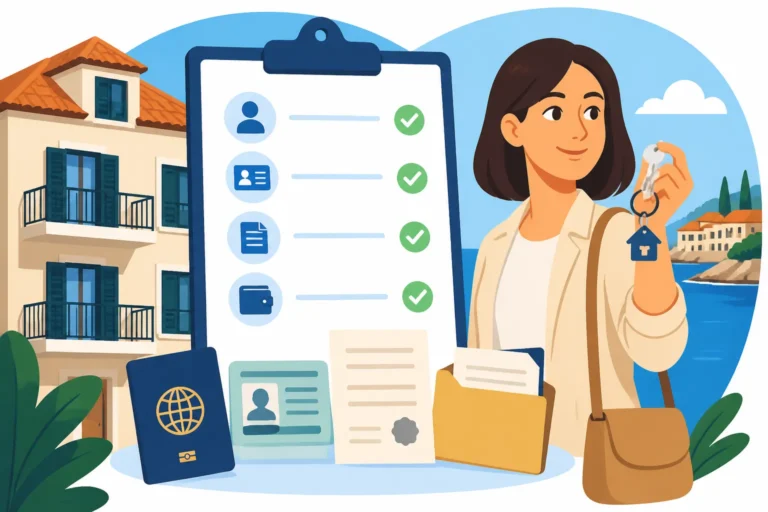
Before you even think about heading to the bank, gather a few essential items. These are your administrative superpowers in Croatia:
- Your OIB (Personal Identification Number): This is your unique Croatian ID number, absolutely vital for almost any administrative task. If you don't have one yet, it's the very first step. You can learn more about How to Get an OIB (Personal Identification Number) in Croatia.
- A Croatian Bank Account: Obviously, you need a local account for direct debit. Make sure it's active and has funds! If you haven't set this up yet, I highly recommend reading The Expat Guide to Opening a Bank Account in Croatia or the broader Banking in Croatia: A Complete Guide for Foreigners (2027).
- Your HEP Customer Number (Pretplatnički Broj): This is a unique identifier for your electricity service. You'll find it on any previous HEP bill, usually at the top or within the payment details section. It's a key piece of information that links your bank payment to your specific electricity account.
- A Recent HEP Bill: Even if you have the customer number, bringing a physical copy of a recent bill is a good idea. It provides all the necessary details, including the HEP IBAN for payments, and can help clarify any questions at the bank.
- A Croatian Mobile Phone Number: While not always explicitly required for the direct debit setup itself, having a local number is crucial for various banking verifications, especially if you plan to use online or mobile banking to monitor your payments. Moreover, while you’re navigating the intricacies of Croatian bureaucracy, a reliable internet connection on your phone is non-negotiable. Whether you're translating documents on the fly or looking up opening hours for your local MUP, having data is key. Tools like Airalo, offering eSIMs for various countries including Croatia, can be incredibly handy for ensuring you’re always connected without the hassle of swapping physical SIM cards, especially in those frantic first few weeks.
- Patience and a Smile: Honestly, these are perhaps the most important tools when dealing with Croatian bureaucracy. A friendly attitude can go a long way!
Step-by-Step at Your Croatian Bank
Once you have your documents in hand, head to your bank. Most major Croatian banks, like Zagrebačka Banka (ZABA), Privredna Banka Zagreb (PBZ), Erste&Steiermärkische Bank, OTP Banka, and Raiffeisenbank Austria (RBA), offer direct debit services for utilities.
- Visit a Branch: Go to your bank branch. While some services are moving online, setting up a trajni nalog often still requires an in-person visit to sign forms.
- State Your Intention: Approach a customer service representative and tell them you want to set up a direct debit for your HEP electricity bill. The phrase "Želim postaviti trajni nalog za plaćanje HEP računa" (ZHEH-leem POS-tah-veet TRAH-y-nee NAH-lohg zah PLAH-chah-nyeh HEP RAH-choo-nah) should get you started. Don't worry if your pronunciation isn't perfect; showing them your HEP bill will quickly clarify things.
- Fill Out the Form: The bank will provide a form to set up the trajni nalog. You'll need to fill in your personal details, your bank account details (IBAN), and the HEP customer number, along with the HEP’s specific IBAN for receiving payments (which is on your bill). You'll usually specify a maximum amount for the direct debit, ensuring you're not overcharged, though typical HEP bills rarely exceed this.
- Provide Documents: Hand over your OIB and a copy of your HEP bill. They might ask for your residence permit or passport for identification, depending on how recently you opened your account.
- Confirmation and Activation: The bank clerk will process your request. They should inform you when the direct debit will become active. It might not kick in for the very next bill, so keep an eye on your upcoming bills just in case. They'll confirm that the trajni nalog has been successfully initiated.
It's a good idea to ask for a confirmation document or at least note down the date it was set up. If you're not confident in your Croatian, consider bringing a Croatian-speaking friend or colleague along. While many bank employees speak English, having a local by your side can significantly ease the process and ensure everything is understood correctly.
The HEP Customer Number Conundrum
Finding your HEP customer number, or pretplatnički broj, is usually straightforward but can be a small hurdle if you're unfamiliar with Croatian bill layouts. On most HEP bills, this number is prominently displayed near the top, often labelled "pretplatnički broj" or sometimes just "broj kupca" (customer number). It’s typically a string of digits, usually 10 characters long, and it's essential for linking your payment to your specific electrical meter and address. Without this, your bank can't correctly identify which HEP account to pay. Make sure you copy it accurately onto the direct debit form. If you’re really struggling, a quick search online for "HEP račun primjer" (HEP bill example) can show you where to look on a sample bill.
Alternative Ways to Pay Your HEP Bills
While direct debit is highly recommended for its convenience, it might not be for everyone, or perhaps you're waiting for it to become active. Thankfully, Croatia offers several other ways to settle your HEP bill, though most require a bit more manual effort. Understanding all the methods for How Do I Pay My Utility Bills in Croatia? is beneficial.
Online Banking (Internet Bankarstvo) and Mobile Banking
This is arguably the second-best option after direct debit for many expats. Most Croatian banks provide robust online banking platforms (internet bankarstvo) and mobile banking apps. Once you've got your local bank account and online access sorted (you can read more about How to Set Up Online Banking and IBAN Transfers in Croatia), you can manually pay your HEP bill each month.
- How it Works: Log into your online banking portal or app. Look for the "Payments" or "Plaćanja" section. You'll typically need to enter the HEP's IBAN (the recipient account number, found on your bill), the amount, and importantly, the "poziv na broj" (reference number), which is usually a structured payment code also found on your bill. This reference number is critical as it tells HEP exactly which customer and bill the payment is for.
- Pros: Convenient from your home, office, or anywhere with internet. Faster than in-person payments. You retain control over each payment.
- Cons: Requires you to remember to initiate the payment each month. Still involves manually entering data, which leaves room for error. You have to actively check for the new bill.
Post Offices (Pošta) and Fina Branches
The traditional way to pay bills in Croatia is at a Hrvatska Pošta (Croatian Post) office or a Fina (Financial Agency) branch. These are ubiquitous, even in smaller towns, and many locals still prefer this method.
- How it Works: Take your physical HEP bill to any post office or Fina branch. Hand it to the clerk, who will scan the barcode or manually enter the details. You can pay in cash or by card.
- Pros: Widely available. No bank account needed if paying cash. You get a stamped receipt immediately.
- Cons: Often involves long queues, especially at the beginning of the month. Potential language barriers with clerks. Small transaction fees might apply at Fina or Pošta (typically a few Euro cents to a Euro or two). It’s time-consuming.
Other Payment Points
Beyond the major options, there are a few other places where you might be able to pay your HEP bill:
- ATMs: Some bank ATMs allow you to pay bills directly, especially if they are the bank that issues the bill for the utility company (e.g., if HEP banks with PBZ, a PBZ ATM might offer a direct payment option). Look for "Plaćanje računa" (Bill payment).
- Kiosks: Kiosks like Tisak or iNovine sometimes offer bill payment services. However, these are often for smaller, specific bills and might not always handle major utility providers like HEP, or they might have stricter limits on transaction amounts. It's always worth checking, but don't rely on it as your primary method for HEP.
In summary, while there are options, direct debit or online banking offer the most convenience for expats trying to streamline their finances and avoid unnecessary trips and queues.
Troubleshooting and Essential Tips for Expats
Even with a plan, bureaucracy can throw curveballs. Here's how to navigate some common issues and make your utility management smoother.
What If It Doesn't Work? Common Issues
You've set up direct debit, but a new paper bill still arrives, or worse, you get a notice of overdue payment. Don't panic, but do act.
- Activation Delay: Direct debits usually take a billing cycle or two to fully activate. If you just set it up, you might still receive one more paper bill that needs manual payment. Always check with your bank about the expected activation date.
- Incorrect Information: Double-check the HEP customer number (pretplatnički broj) you provided to the bank. A single digit off can mean the payment goes astray or simply doesn't link to your account. This is where having a copy of your bill at the bank comes in handy.
- Insufficient Funds: This sounds obvious, but ensure your account has enough money when the direct debit is due. A failed payment due to insufficient funds can trigger fees from your bank and HEP.
- Bank Error: While rare, mistakes can happen. If you've waited a reasonable time (e.g., two billing cycles) and payments still aren't processing, revisit your bank. Bring your direct debit confirmation and any unpaid bills. Politely explain the situation and ask them to investigate.
- HEP's Internal Systems: Sometimes, the delay isn't with your bank but with how quickly HEP processes information. It’s part of the charmingly inefficient administrative landscape you'll get to know.
Monitoring Your Payments
Once direct debit is (hopefully) up and running, it's a good practice to monitor it for a few months.
- Online Banking: Regularly check your bank statements via your online banking portal or app. You should see a regular debit for your HEP bill. This is your primary way to confirm successful payments.
- HEP's Online Portal (e-Račun/Moj HEP): HEP has an online portal where you can register your customer number to view your bills and payment status. This is an excellent way to independently verify that payments have been received and processed. While not always the most intuitive website, it provides official records. Look for sections like "Moj račun" (My account) or "Pregled računa" (Bill overview).
- Paper Bills: Although the goal of direct debit is to eliminate the need for paper bills, HEP might continue to send them. Use these to cross-reference the amounts with your bank statements and ensure everything matches. Some utility providers allow you to opt out of paper bills once direct debit is active, choosing e-bills instead. Inquire about this if you prefer a paperless approach.
Managing Multiple Utilities
While this guide focuses on HEP electricity bills, the principles for direct debit apply to other utilities too. You can generally set up trajni nalog for your water (voda), gas (plin), and even some internet/telecom providers through your bank.
Here’s a quick overview of how other utilities might work:
| Utility Type | Provider Examples | Typical Payment Method Options | Notes for Expats |
|---|---|---|---|
| Electricity | HEP ODS (Operator distribucijskog sustava) | Direct Debit, Online Bank, Pošta, Fina | Most common and often the first bill you'll receive. |
| Water | Local Water Companies (e.g., ViK Zagreb) | Direct Debit, Online Bank, Pošta, Fina | Handled by municipal companies, vary by city/region. |
| Gas | Gradska plinara Zagreb, etc. | Direct Debit, Online Bank, Pošta, Fina | Not all apartments have gas. Check your lease. |
| Internet/TV | Hrvatski Telekom (HT), A1, Telemach | Direct Debit, Online Bank, Pošta, Fina | Often bundled. Direct debit is usually easy to set up. |
| Communal Fees | Local Municipalities | Online Bank, Pošta, Fina | These often don't have direct debit options, requiring manual payment. Learn more about the How Much Is the Communal Fee (Komunalna Naknada) in Zagreb?. |
Setting up direct debits for all recurring bills significantly reduces your administrative load. Remember that for items like communal fees (komunalna naknada) or building reserve funds (pričuva), direct debit might not always be an option, so you'll still need to keep an eye on those for manual payment. When you’re dealing with the initial setup of electricity, take the opportunity to also sort out your How to Set Up Water and Gas Connections in Croatia and even your How to Set Up Internet at Home in Croatia. Taking care of these tasks early will save you headaches down the line.
Navigating the administrative side of life in Croatia can feel like a labyrinth at times, but by systematically tackling tasks like setting up direct debits for your HEP bills, you'll gain confidence and free up more time to enjoy your expat journey. Don't be afraid to ask for help, whether from your bank, a Croatian friend, or fellow expats who have been through it all before. And when you're looking for support with larger logistical hurdles, remember that services like Sirelo can assist with comparing moving companies and simplifying your relocation process, allowing you to focus on settling into your new Croatian home.
Disclaimer
The information provided in this guide is intended for general informational purposes only and does not constitute legal, financial, or professional advice. While we strive to keep the content accurate and up-to-date, administrative procedures and regulations in Croatia can change. Always consult with official sources, a local expert, or the relevant authorities (such as your bank or HEP) for the most current and specific information pertaining to your individual situation. We are not responsible for any actions taken based on the information in this guide.