How Much Does a Private Doctor Visit Cost in Zagreb?
Oh, the joy of needing a doctor in a new country! I've been there, staring at a government website, trying to decipher what 'participacija' actually means when you just need someone to look at that weird rash. When it comes to your health in Croatia, especially in a bustling city like Zagreb, you might quickly find yourself weighing the public system against the private. While public healthcare is certainly an option, many expats, myself included, often turn to private clinics for peace of mind, quicker appointments, and sometimes, a little less linguistic gymnastics. This guide is going to peel back the layers on how much a private doctor visit in Zagreb truly costs, helping you budget and plan for your health needs without any nasty surprises.
Understanding the Landscape of Private Healthcare in Zagreb
Stepping into the Croatian healthcare system as a foreigner can feel like navigating a maze blindfolded. You've got the public system, managed by HZZO, which is generally quite good once you're in, but then there's a whole parallel world of private clinics. For many, that private route feels like a lifeline.
Why Expats Often Choose Private Care and the Public System's Challenges
Let's be honest, the public system, while providing essential services, often comes with a set of frustrations that can test the patience of even the most zen expat. The biggest one? Waiting lists. For a specialist appointment, or certain diagnostic tests, you could be looking at weeks, if not months, in the public system. When you're in discomfort or genuinely worried, that kind of wait is simply not feasible. I've heard countless stories, and experienced some myself, of people needing to see a dermatologist or an orthopedist and being told, "come back in three months." That's when the allure of a private clinic, where you can often get an appointment within days, becomes incredibly strong.
Another common hurdle is the language barrier. While many younger doctors or those in tourist areas might speak English, it's not a guarantee, especially with administrative staff or in smaller, local practices. Trying to explain complex medical symptoms or understand diagnostic results through a translation app is far from ideal. Private clinics, particularly those catering to international clients, often pride themselves on having English-speaking staff, from receptionists to specialists, which makes a world of difference when you're feeling vulnerable. Then there's the administrative labyrinth itself – getting referrals, understanding co-payments (known as participacija), and navigating different facilities can be overwhelming. This is why many gravitate towards the streamlined, often more personalized experience of private healthcare, despite the cost. If you're new here, it might be worth checking out our full guide on Navigating the Croatian Healthcare System An Expat's Roadmap (2026) to understand all your options.
The Range of Private Clinics and Specialists Available
Zagreb boasts a robust private healthcare sector, ranging from individual doctor's offices to large, multi-specialty polyclinics. You'll find everything you need, often under one roof. Polyclinics (like Poliklinika Bagatin, Poliklinika Medikol, or Svjetlost Eye Clinic, to name a few prominent ones) are particularly popular as they offer a wide array of services: general practice, internal medicine, cardiology, dermatology, gynaecology, urology, orthopaedics, ophthalmology, dentistry, and even aesthetic medicine. Many even have their own diagnostic imaging equipment.
For specific needs, you might seek out a specialized private practice. For example, if you need physiotherapy, there are many private fizioterapija clinics. The sheer variety means you can almost always find a specialist for any concern without having to jump through hoops. These clinics often have modern equipment, comfortable waiting areas, and a more patient-centric approach that many expats appreciate. Whether you're looking for a general check-up, an urgent consultation, or a long-term treatment plan, Zagreb's private sector has you covered.
Deconstructing the Costs: What to Expect for a Private Doctor Visit in Zagreb
Let's get down to the brass tacks: what kind of money are we actually talking about for a private doctor's visit in Zagreb? It's not a one-size-fits-all answer, as prices can fluctuate quite a bit based on the type of doctor, the clinic's reputation, and the complexity of your needs.
Initial Consultation Fees: A General Overview
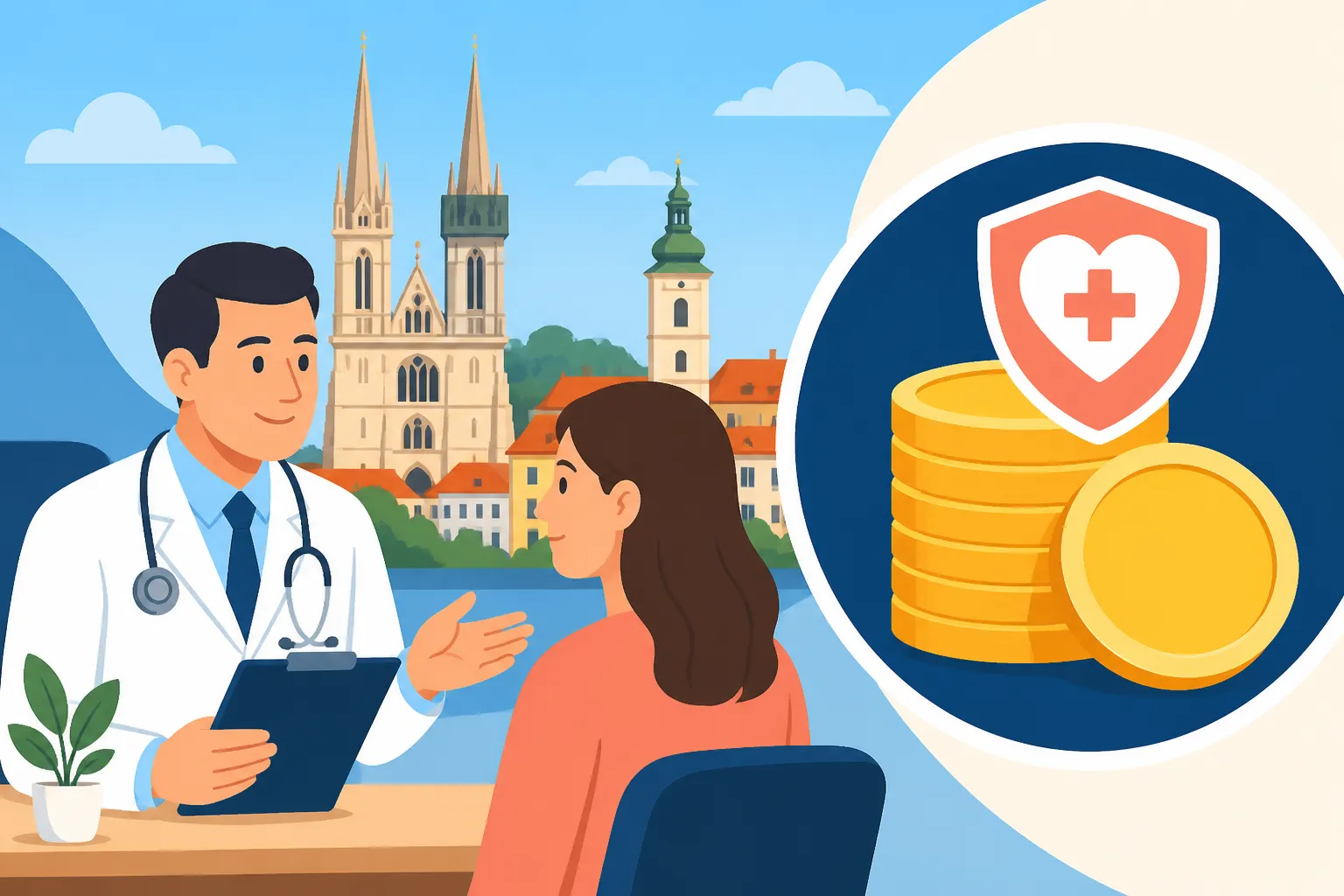
For a standard initial consultation with a private general practitioner (GP) in Zagreb, you can typically expect to pay anywhere from €50 to €90. This covers the doctor taking your history, performing a basic examination, and perhaps writing a prescription or a referral for further tests.
When it comes to specialists, the price naturally goes up. An initial consultation with a private specialist – be it a dermatologist, gynaecologist, cardiologist, or orthopaedist – usually falls in the range of €70 to €150. Some highly specialized fields or renowned doctors might charge even more, potentially up to €200 or €250 for a comprehensive first visit. For instance, a first consultation at a well-known polyclinic might be on the higher end of that scale, but it often comes with the benefit of having immediate access to diagnostics or other specialists within the same facility. These fees are generally for the doctor's time and expertise during the consultation itself. Remember, any additional tests or procedures will be extra. It's always a good idea to clarify the consultation fee upfront when booking your appointment.
Common Diagnostic Tests and Procedures
This is where the costs can really start to add up, but they are often crucial for an accurate diagnosis. Here's a breakdown of some common diagnostic tests and their approximate private costs in Zagreb:
- Blood Work: Basic blood tests (e.g., complete blood count, liver function, kidney function) can range from €15 to €100, depending on the number and type of parameters tested. A more extensive panel, including hormone levels or specific markers, would be on the higher end.
- Ultrasound (UZV): An ultrasound of a specific area (e.g., abdomen, thyroid, breast, gynaecological) typically costs between €60 and €150. This is a very common diagnostic tool and generally offers quick results.
- X-ray (RTG): A standard X-ray of a limb or chest might cost €30 to €70.
- MRI (Magnetic Resonance Imaging): This is one of the more expensive diagnostic tests. An MRI of a single body part (e.g., knee, brain, spine) can range from €150 to €350. If you need contrast or multiple areas scanned, the price will increase accordingly. For more on navigating specialist care, you might find our article on How e-Uputnica (E-Referrals) Work for Specialist Appointments in Croatia insightful, though it primarily focuses on the public system.
- CT Scan (Computed Tomography): Similar to MRI in cost, a CT scan can be anywhere from €100 to €300, again depending on the area and whether contrast is used.
- ECG (Electrocardiogram): Often performed during a cardiology consultation, an ECG alone might be €20 to €40.
- Endoscopy/Colonoscopy: These more invasive procedures are significantly pricier, often ranging from €200 to €500, especially if sedation or biopsy is required.
It's important to understand that these are general estimates, and prices can vary. Many polyclinics offer "packages" for certain check-ups that include a consultation and a set of diagnostic tests, which might offer a slight saving compared to booking each service individually.
Follow-up Visits and Ongoing Treatment
Once you've had your initial consultation and perhaps some tests, you'll likely need a follow-up visit. These are generally a bit cheaper than the initial consultation, often falling in the €40 to €80 range for a GP or specialist. The purpose of a follow-up is usually to review test results, adjust medication, or assess progress.
For ongoing treatment, such as a series of physiotherapy sessions, psychotherapy, or specific medical procedures, costs will be determined per session or per procedure. For example, a single physiotherapy session might cost €30-€60, while a psychotherapy session could range from €50-€100. Dental treatments, which are largely private for expats even with HZZO, have their own extensive price lists depending on the complexity of the work. For details on dental care, see our guide on Understanding Dental Care Coverage Under HZZO in Croatia. Always ask for a detailed treatment plan and associated costs upfront, especially for long-term care.
Here’s a quick overview of typical private healthcare costs in Zagreb:
| Service Type | Average Cost Range (€) | Notes |
|---|---|---|
| GP Initial Consultation | 50 – 90 | Basic exam, history, prescription |
| Specialist Initial Consult | 70 – 150 | Dermatologist, Gynaecologist, Cardiologist, etc. |
| Follow-up Consultation | 40 – 80 | Review results, adjust treatment |
| Basic Blood Test Panel | 15 – 50 | CBC, basic organ function |
| Extensive Blood Test Panel | 50 – 100+ | Hormones, specific markers |
| Ultrasound (single area) | 60 – 150 | Abdomen, thyroid, breast, gynaecological |
| X-ray (single area) | 30 – 70 | Limbs, chest |
| MRI (single area) | 150 – 350 | Knee, brain, spine (without contrast) |
| CT Scan (single area) | 100 – 300 | Head, abdomen (without contrast) |
| Physiotherapy (per session) | 30 – 60 | Manual therapy, electrotherapy |
| Psychotherapy (per session) | 50 – 100 | Individual session |
| ECG | 20 – 40 | Often part of cardiology consult |
How to Navigate and Potentially Reduce Costs for Private Healthcare
While private care offers undeniable advantages, the costs can add up quickly. Thankfully, there are ways to manage these expenses and ensure you're getting the best value for your money.
The Role of Private Health Insurance
For many expats, private health insurance is an absolute game-changer when it comes to affording private healthcare in Croatia. While you'll likely have mandatory HZZO coverage if you're a resident or working here (you can learn more about How the Croatian Health Insurance Fund (HZZO) Works A Full Overview), this primarily covers the public system, with co-payments. Private insurance, however, can provide coverage for those private clinic visits and diagnostic tests that you might otherwise pay for out of pocket.
Many international health insurance providers cater specifically to expats, offering plans that cover private consultations, specialist visits, and various diagnostic procedures. Brands like SafetyWing, for instance, offer flexible travel and medical insurance plans that can be particularly appealing to digital nomads or those on shorter-term stays, bridging the gap for unexpected medical needs. Even if you're a long-term resident, a good private insurance policy can save you significant money and stress. Always check the specific terms of your policy regarding deductibles, co-insurance, and direct billing versus reimbursement. Some policies might require you to pay upfront and then submit a claim, while others have direct agreements with certain clinics. It's worth comparing the various options available to find one that fits your needs and budget.
Asking for Price Lists and Bundled Services
One of the simplest yet most effective ways to understand and potentially manage costs is to ask. Don't be shy about requesting a detailed price list from the clinic's reception before you book an appointment or agree to any procedures. Most reputable private clinics in Zagreb will have one readily available, or at least be able to provide clear estimates.
Furthermore, inquire about bundled services. As mentioned, many polyclinics offer comprehensive check-up packages (e.g., a "women's health package" or a "cardiac check-up") that include multiple consultations and diagnostic tests for a set price. These bundles can often be more cost-effective than booking each service individually. If you anticipate needing several tests or follow-up appointments, discuss this with the clinic to see if they can offer a reduced rate or a package deal for your specific needs. Being proactive with your inquiries can save you from unexpected bills down the line.
Comparing Clinics and Specialists
Just like you'd shop around for other services, it pays to do a little research and compare different private clinics and specialists in Zagreb. Prices for the same service can vary from one clinic to another. A smaller, independent practice might have slightly lower overheads and thus charge less than a large, well-known polyclinic in a prime city centre location.
Don't just look at price, though. Consider the specialist's experience, patient reviews, the clinic's facilities, and their English-speaking capabilities. Online forums and expat groups are fantastic resources for recommendations and real-world experiences. You might find that for a routine check-up, a less expensive option is perfectly adequate, while for a more complex issue, investing in a highly recommended specialist is worth the extra cost. Remember, your health is a priority, but smart consumerism can definitely play a role here. For more insights on choosing a healthcare provider, check out Public vs Private Healthcare in Croatia Which Should Expats Choose?.
Real-World Scenarios and Practical Tips for Expats
Let's walk through a common scenario to illustrate how these costs can play out, and then I'll share some essential tips I've picked up over the years.
A Hypothetical Case Study: Initial Visit to Specialist
Imagine you've been having persistent knee pain. You tried getting an appointment through the public system, but the wait for an orthopaedist is several weeks. You decide to go private.
- Initial Orthopaedic Consultation: You research a few private polyclinics in Zagreb and find one with good reviews and an English-speaking orthopaedist. You book an appointment.
- Cost: €80 – €120 (for the specialist consultation).
- Diagnostic Imaging: During the consultation, the orthopaedist recommends an MRI to properly assess the knee. Since the polyclinic has its own MRI machine, you can often get it done on the same day or within a day or two.
- Cost: €200 – €300 (for an MRI of one joint, without contrast).
- Follow-up Consultation: A few days later, you return for a follow-up to discuss the MRI results and treatment plan.
- Cost: €50 – €80.
- Treatment Plan: The doctor recommends a course of physiotherapy. The polyclinic has an in-house physiotherapy department.
- Cost: Let's say 5 sessions at €40 each = €200.
In this scenario, a relatively straightforward knee issue could quickly amount to €530 – €700 for diagnosis and initial treatment in the private system. This is where having private health insurance, or a plan like SafetyWing, could significantly offset these costs, making private care a much more accessible and stress-free option.
Essential Questions to Ask Before Your Appointment
Being prepared with the right questions can save you a lot of headache and money. Here’s a checklist of things you should absolutely ask before and during your private doctor’s visit in Zagreb:
- What is the exact cost of the initial consultation? Is it a flat fee, or does it vary based on the duration or complexity?
- Are there any additional fees beyond the consultation? This is crucial, especially if you anticipate minor procedures or tests.
- If diagnostic tests are needed, what are their individual costs? Can you get a comprehensive price list for common tests like blood work, ultrasound, or MRI?
- Do you offer any bundled packages for specific check-ups or treatments?
- Do you direct-bill with my private health insurance (e.g., SafetyWing, Cigna, Allianz)? If not, what is the process for reimbursement, and what documentation will I need?
- How do I pay? Do you accept credit cards, cash, or bank transfers?
- Is an English-speaking doctor available? (If language is a concern for you, which for many expats, it absolutely is!)
- What happens if I need a follow-up? What's the cost for a follow-up visit?
- If I need a referral to another specialist, can you provide that within your clinic, and what is the process?
By asking these questions upfront, you gain clarity, can better budget for your healthcare, and avoid any unpleasant surprises on your bill. It’s all about empowering yourself in a system that can, at times, feel a bit opaque.
Disclaimer
This article is for general informational purposes only and does not constitute professional advice. Laws, prices and regulations vary by location and change over time. Consult a qualified professional for guidance on your specific situation.