What Health Services Are Free for Children Under HZZO?
There is nothing quite as nerve-wracking as waking up at 2:00 AM in a new country to the sound of your child coughing or feeling a forehead that is radiating heat. When you are still trying to figure out where the nearest pharmacy is, the last thing you want to worry about is whether you can afford the bill. This guide clarifies exactly which health services are free for children under the HZZO system in Croatia so you can focus on their recovery.
The Foundation of Pediatric Care Under HZZO
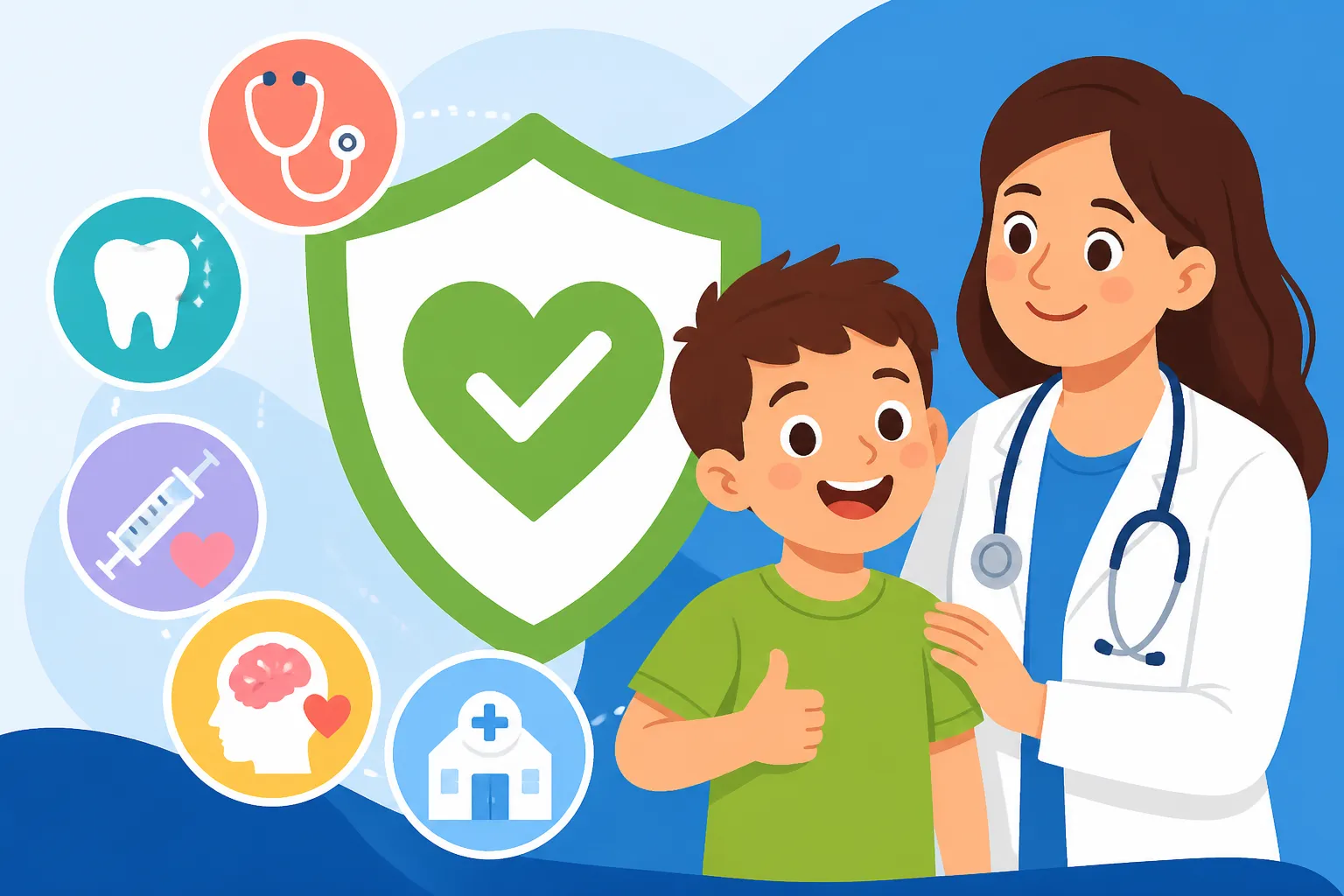
In Croatia, the state places a massive premium on the health and well-being of minors. If you have been navigating the bureaucracy of residency, you likely already know that the Croatian Health Insurance Fund, or HZZO, is the backbone of the medical system. For adults, the system involves various co-payments and supplementary insurance needs. However, for children under the age of 18, the rules are significantly more generous. Every child who is a resident and insured through a parent or guardian is entitled to full healthcare coverage without the "participacija" (co-payments) that adults typically face.
This universal coverage for minors means that the vast majority of medical services, from a routine check-up for a cold to complex surgical interventions, are covered 100% by the state. As an expat, your first hurdle is often the registration process. You cannot simply walk into a clinic and expect free care without having your child’s health insurance card (the little blue card) or at least a temporary certificate of insurance. If you are in those first few weeks of moving and your paperwork hasn't cleared yet, having a bridge like SafetyWing can be a literal lifesaver, providing coverage for your family while the local HZZO wheels turn slowly in the background.
The most critical step in accessing these free services is choosing a primary pediatrician. In Croatia, children are not typically seen by a general practitioner (GP) until they reach high school age; instead, they are cared for by a specialized primary care pediatrician. This doctor becomes your "gatekeeper" to the rest of the medical system. You should look into The Expat Guide to Finding a Family Doctor (Obiteljski Liječnik) in Croatia to understand how the primary care system is structured, even though for your kids, you will specifically be seeking a pedijatar.
Primary Care and Preventive Services for Children
Once your child is registered with a pediatrician at a local Understanding the Role of the Dom Zdravlja (Health Centre) in Croatia, a wide array of preventive and diagnostic services becomes available at no cost. These services are designed to monitor growth and development while catching potential issues early.
Routine Systematic Exams
Systematic exams (sistematski pregledi) are mandatory, scheduled check-ups that happen at specific milestones in a child's life. These are completely free and include physical measurements, developmental assessments, and sensory screenings (like vision and hearing tests). For expats, these exams are also the time when doctors will review your child's previous immunization records from your home country. It is highly recommended to have these records translated into Croatian or English beforehand to help the pediatrician integrate them into the local system.
Mandatory Vaccinations
Vaccination is a significant topic in Croatia, and the national program is strictly followed. All vaccinations included in the official calendar are free of charge. This includes vaccines against Hepatitis B, DI-TE-PER (Diphtheria, Tetanus, Pertussis), Polio, and Mo-Pa-Ru (Measles, Mumps, Rubella). Because these are handled within the public system, you won't pay for the serum or the administration. You can find more detail on this in the guide on Understanding Vaccination Schedules and Requirements in Croatia.
Diagnostics and Laboratory Work
If your child falls ill and the pediatrician needs to confirm a diagnosis, basic laboratory tests are covered. This includes blood work (CBC), urine analysis, and swabs for strep throat or other bacterial infections. These tests are usually performed at the lab within the same Dom Zdravlja where your pediatrician is located. You will simply be given a digital order, and you take your child to the lab—no cash or payment is required at the point of service.
During the period when you might be traveling back to your home country or waiting for your official residence status to be finalized, some families use SafetyWing to ensure they have private options, but once you are in the HZZO system, these local labs are remarkably efficient for pediatric cases.
| Service Category | Coverage Level for Children (Under 18) | Co-payment Required? |
|---|---|---|
| Pediatrician Visits | 100% Covered | No |
| Mandatory Vaccines | 100% Covered | No |
| Emergency ER Visits | 100% Covered | No |
| Hospital Stays | 100% Covered | No |
| Basic Dental Fillings | 100% Covered | No |
| Orthodontics (Braces) | Covered (Criteria applies) | No (but long waits) |
| Prescription Meds (List A) | 100% Covered | No |
| Specialist Referrals | 100% Covered | No |
Specialized Care and Hospitalization
If a health issue is beyond the scope of primary care, your pediatrician will issue an e-Uputnica (electronic referral). This is the magic key that opens the door to specialists and hospital services for free. Without this referral, you might find yourself looking at private costs, so always start with your primary doctor.
Specialist Consultations
Whether your child needs to see an ophthalmologist, a cardiologist, or a dermatologist, as long as you have a referral from your pediatrician, the visit is free at any public hospital or contracted polyclinic. The Croatian system is built around these referrals. You can learn more about how this works in the article on How e-Uputnica (E-Referrals) Work for Specialist Appointments in Croatia. While the consultation is free, be prepared for waiting lists. For urgent matters, the pediatrician can mark the referral as "hitno" (urgent), which moves you up the line.
Hospitalization and Surgery
In the unfortunate event that your child needs to be hospitalized or undergo surgery, the costs are fully covered by HZZO. This includes the procedure, the anesthesia, the hospital bed, and the food. One common concern for expat parents is whether they can stay with their child. For children under the age of five, the HZZO usually covers the cost for one parent to stay overnight in the hospital with the child. For older children, this depends on hospital capacity and specific medical necessity, but the medical treatment for the child remains free regardless.
If you are dealing with a sudden accident, you should read up on Emergency Medical Care in Croatia: What Every Expat Needs to Know to understand which hospital to go to. In major cities like Zagreb, children are usually sent to specialized pediatric hospitals like Klaićeva, rather than general clinical centers.
Physical Therapy and Rehabilitation
If your child requires long-term recovery, such as physical therapy after an injury or for a developmental condition, these services are also available through the public system. Your pediatrician or a specialist will provide a referral to a "poliklinika" or a rehabilitation center. While these sessions are free, they are often in high demand, so it is best to book them as soon as you receive the referral.
Dental Care and Prescriptions
Many expats are surprised to find that dental care for children is significantly more comprehensive under HZZO than it is for adults. In many countries, dental is a "private-only" affair, but in Croatia, the state recognizes that early dental health prevents massive costs later in life.
Free Dental Services
Children are entitled to free check-ups, cleanings, and fillings using standard materials. Furthermore, if a child needs orthodontic work, such as braces, this is covered by HZZO if the anomaly meets certain clinical criteria. However, there is a catch: the waiting lists for "free" braces can be several years long. Many parents choose to use the public system for regular cleanings and then go private for orthodontics. For a deeper look at what is included, check Understanding Dental Care Coverage Under HZZO in Croatia.
Prescription Medications (e-Recept)
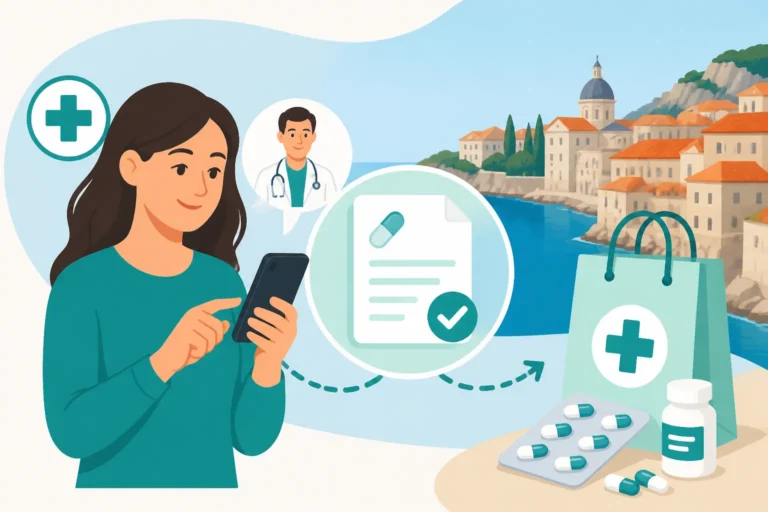
When your pediatrician prescribes medicine, they use the Understanding the e-Recept (E-Prescription) System in Croatia system. You simply take your child's HZZO card to any pharmacy (ljekarna), and they pull up the prescription.
- List A Medications: These are essential medicines that are 100% covered. You pay nothing. Most antibiotics, basic asthma inhalers, and common pediatric meds fall here.
- List B Medications: These are often brand-name or non-essential alternatives. For these, the HZZO pays a portion, and the parent pays the "extra."
If you are just arriving and your child has a chronic condition, make sure you know How Do I Get an e-Recept Filled at a Pharmacy in Croatia? to avoid paying full retail price for medications that should be subsidized or free.
Navigating the Gaps and Logistics
While the "free" aspect of the system is incredible, it isn't always seamless. The public system can be slow, and communication in English isn't always guaranteed, especially with administrative staff. This is why many expats choose to supplement their public coverage. While your child's basic needs are covered, you might find yourself wanting a faster second opinion.
If you are in a situation where you haven't yet received your OIB or your blue card, you are technically in a gap. During this time, SafetyWing can provide the necessary medical insurance required for your residency permit while also giving you a safety net for private visits if the public waiting lists are too long. It is a common strategy among digital nomads and new arrivals to use SafetyWing as a "safety buffer" until they are fully integrated into the local HZZO infrastructure.
To get that final peace of mind, you should also learn How the Croatian Health Insurance Fund (HZZO) Works: A Full Overview to understand how your own insurance status as a parent directly impacts the ease with which your child enters the system. Once the paperwork is done, the relief of knowing that a trip to the ER or a specialist won't break the bank is one of the best parts of living in Croatia.
Disclaimer
The information provided in this guide is for educational and informational purposes only and does not constitute legal or professional medical advice. While every effort has been made to ensure the accuracy of these details as of 2026, healthcare regulations and HZZO policies in Croatia are subject to change. Always consult with the official Croatian Health Insurance Fund (HZZO) or a qualified legal professional regarding your specific residency and insurance status. For medical emergencies, always dial 112 or visit the nearest emergency room.